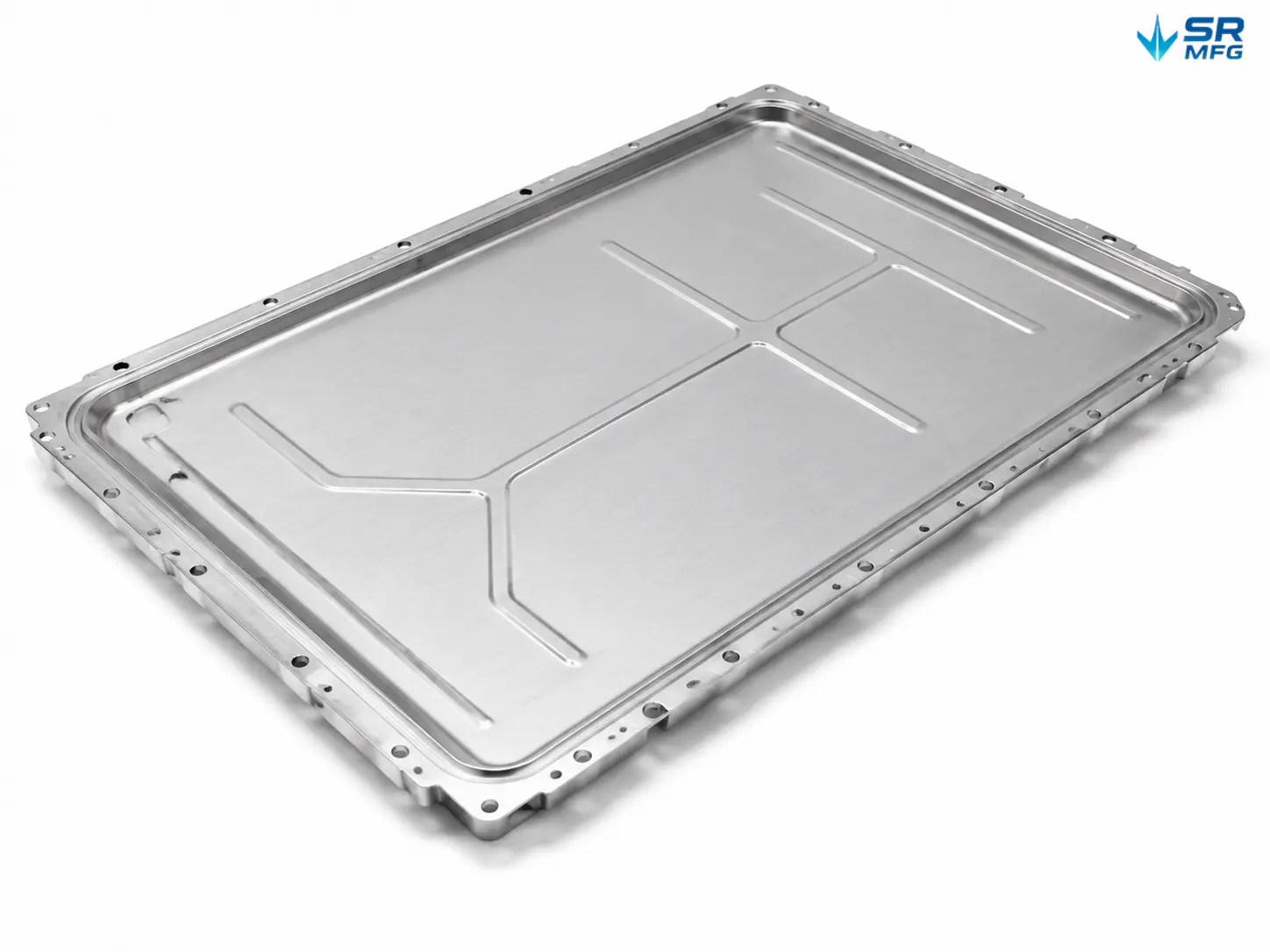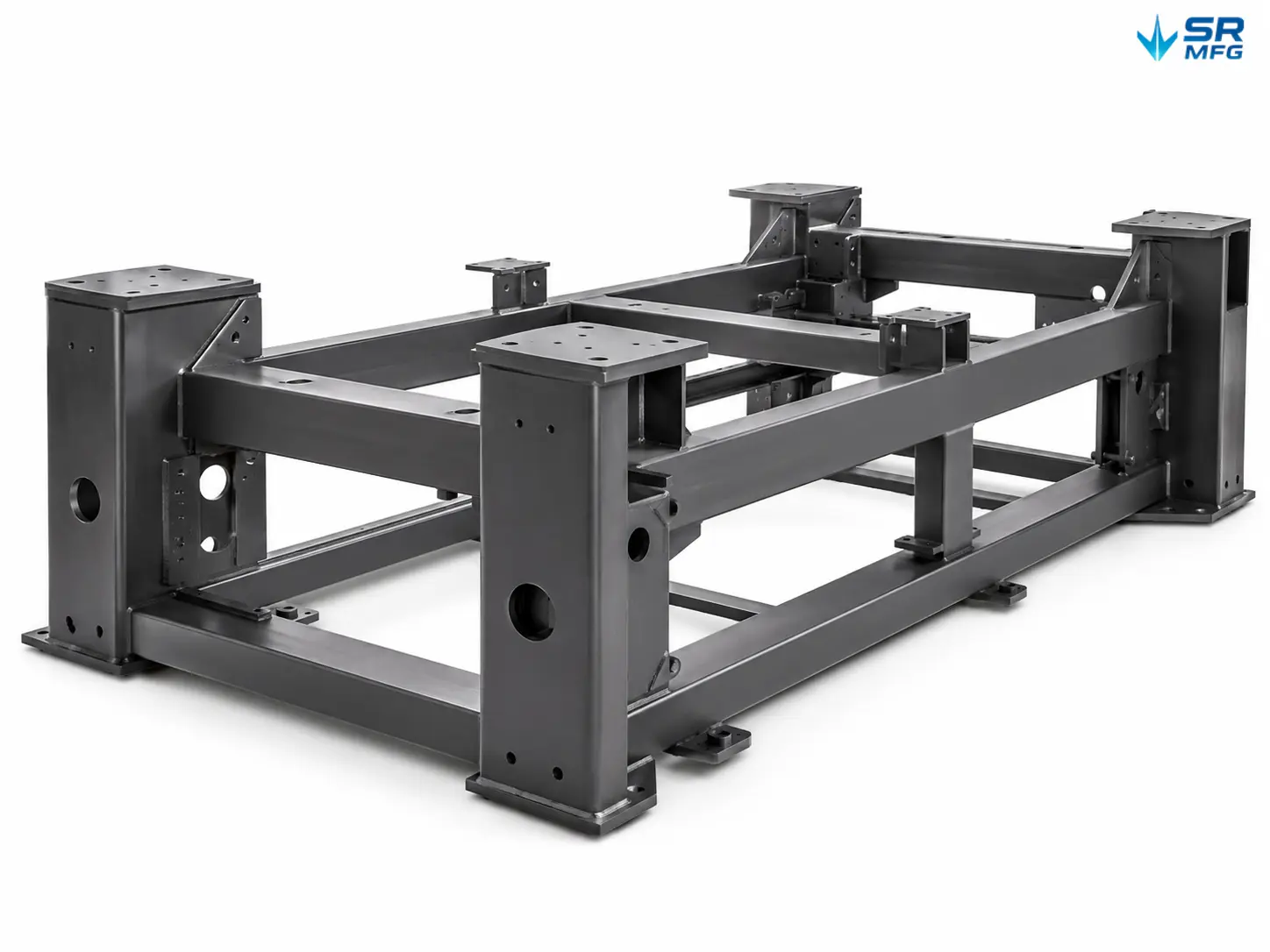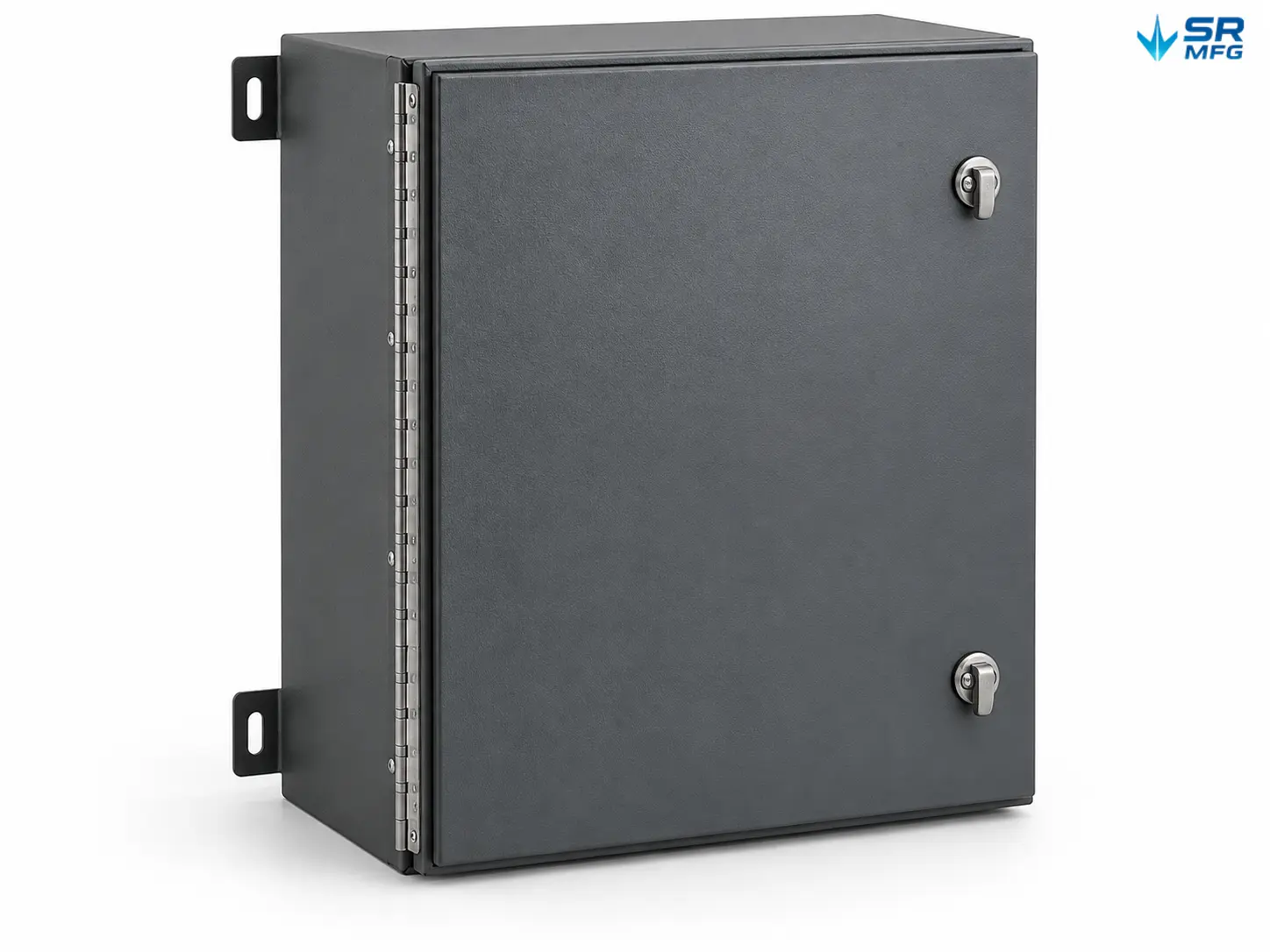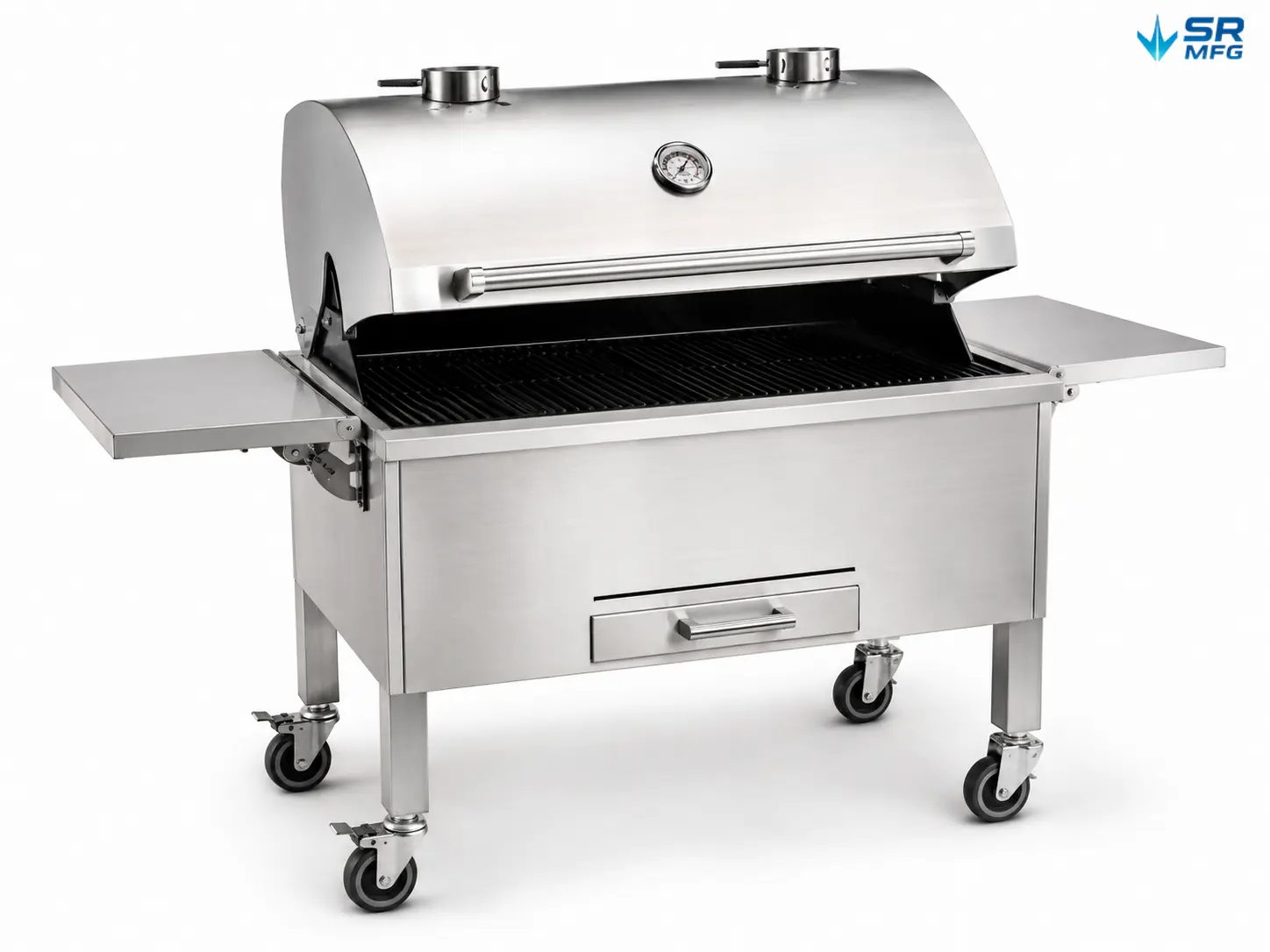
Mit Shuangrui zusammenarbeiten, um die Herstellungskosten zu senken durch 30% und die Effizienz zu steigern.

Ultraschallreinigungsdienste für Metallteile2026-08-29T01:29:46+00:00

Ultraschallreinigungsdienste

für Präzisionsmetallteile und Vorbereitung nachgelagerter Oberflächenbehandlung

SR MFG bietet Ultraschallreinigungsdienste für Präzisionsmetallteile vor Beschichtung, Galvanisierung, Eloxierung, Montage und Verpackung.

Mittels Ultraschallkavitation entfernen wir Öle, Kühlmittelrückstände, Polierpaste, feine Partikel und Verunreinigungen aus Bohrungen, Nuten, Spalten und komplexen Geometrien. Unser Reinigungsprozess trägt zur Verbesserung der Oberflächenreinheit bei, reduziert Beschichtungs- und Haftungsrisiken und bereitet Teile für die nachgelagerte Oberflächenbehandlung oder den Versand vor.
Öl- und Kühlmittelentfernung
Partikelreinigung
Bohrungs-/Nutenreinigung
Reinigung vor Beschichtung
Reinheitskontrolle
Schutzverpackung

Erhalten Sie ein individuelles Angebot in 24 Stunden

Laden Sie Ihre Zeichnungen zur technischen Prüfung hoch.

Leeres Formular (#4)

Was ist Ultraschallreinigung?

Die Ultraschallreinigung nutzt hochfrequente Schallwellen, um mikroskopische Kavitationsblasen in einer Reinigungslösung zu erzeugen. Diese Blasen bilden sich und kollabieren schnell, wodurch lokalisierte Energie entsteht, die Öle, Partikel, Polierpasten, Bearbeitungsrückstände und andere Verunreinigungen selbst aus schwer zugänglichen Bereichen wie Bohrungen, Nuten, Gewinden und Innenkonturen löst und entfernt.

Sie wird üblicherweise zur Reinigung von Metallteilen nach der Zerspanung, Schleifen, Polieren, Entgraten oder anderen Fertigungsschritten eingesetzt, um eine sauberere Oberfläche für Beschichtung, Montage, Inspektion oder andere nachgelagerte Prozesse vorzubereiten.

Hinweis: Reinigungschemie, Temperatur, Ultraschallfrequenz, Zykluszeit und Spülanforderungen sollten entsprechend dem Material, der Art der Verunreinigung, der Bauteilgeometrie und dem nachgelagerten Prozess ausgewählt werden.

Clean metal bracket after ultrasonic cleaning in industrial workshop

Kavitationsreinigung

Hochfrequente Schallwellen erzeugen Millionen mikroskopischer Blasen, die platzen und Verunreinigungen von Oberflächen lösen.

Erreicht Bohrungen und Spalten

Reinigt effektiv Sacklöcher, enge Spalten, Gewinde und komplexe Geometrien, die mit manuellen Methoden nicht erreichbar sind.

Vorbereitung vor der Oberflächenbehandlung

Entfernt Öle, Rückstände und Partikel, um starke Haftung und gleichbleibende Ergebnisse für Galvanisierung, Beschichtung und Oberflächenbehandlung zu gewährleisten.

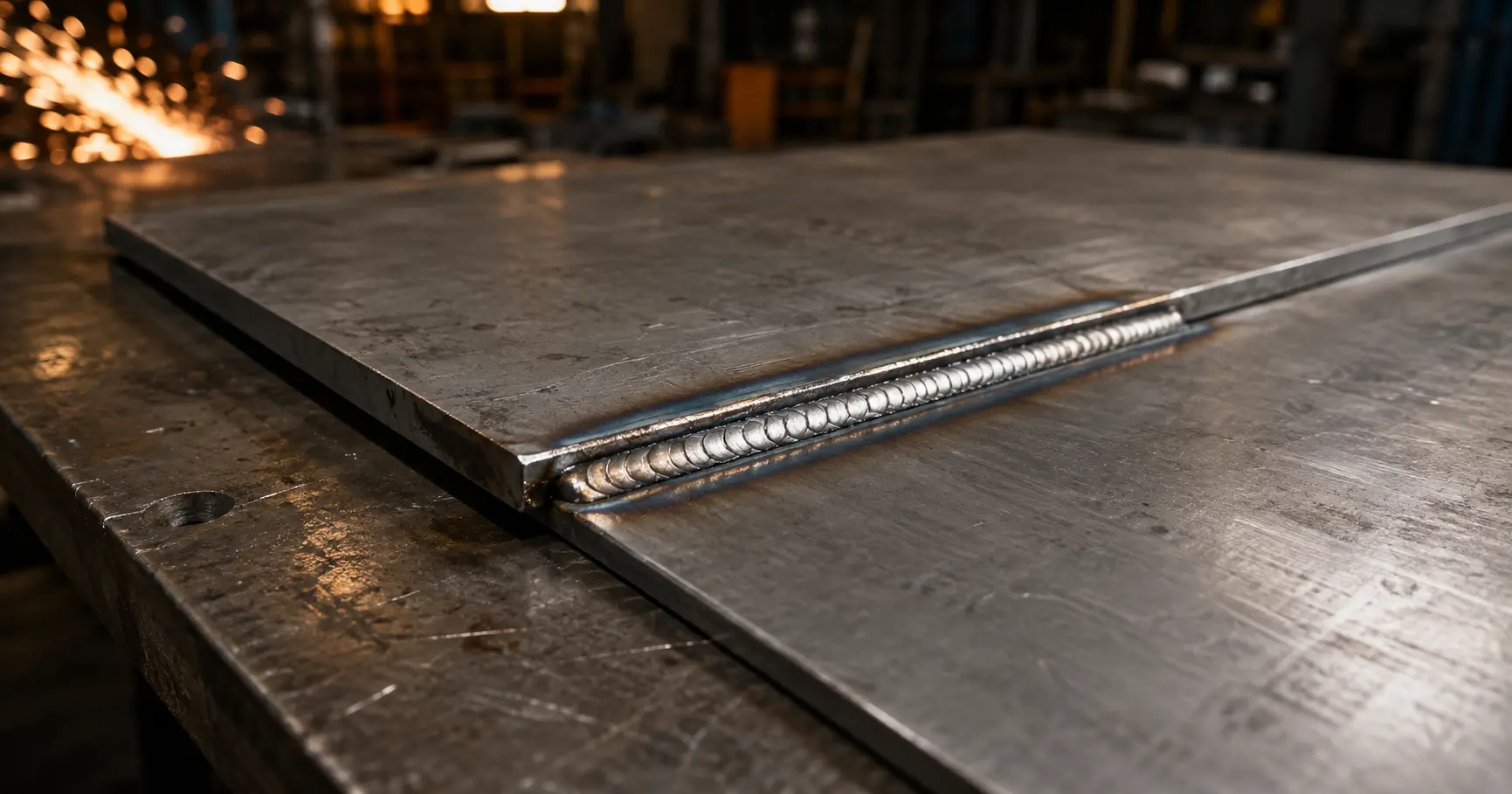
Die Ultraschallreinigung entfernt Verunreinigungen vor der nachgelagerten Oberflächenbehandlung, jedoch sollten Grate, falls vorhanden, separat entfernt werden.

Warum benötigt Ihr Metallprojekt eine Ultraschallreinigung?

Teile können an der Oberfläche sauber aussehen, aber verborgene Verunreinigungen bleiben oft an Stellen zurück, die mit manueller Reinigung nicht erreichbar sind. Die Ultraschallreinigung entfernt diese Verunreinigungen, um nachgelagerte Prozesse und Produktqualität zu schützen.

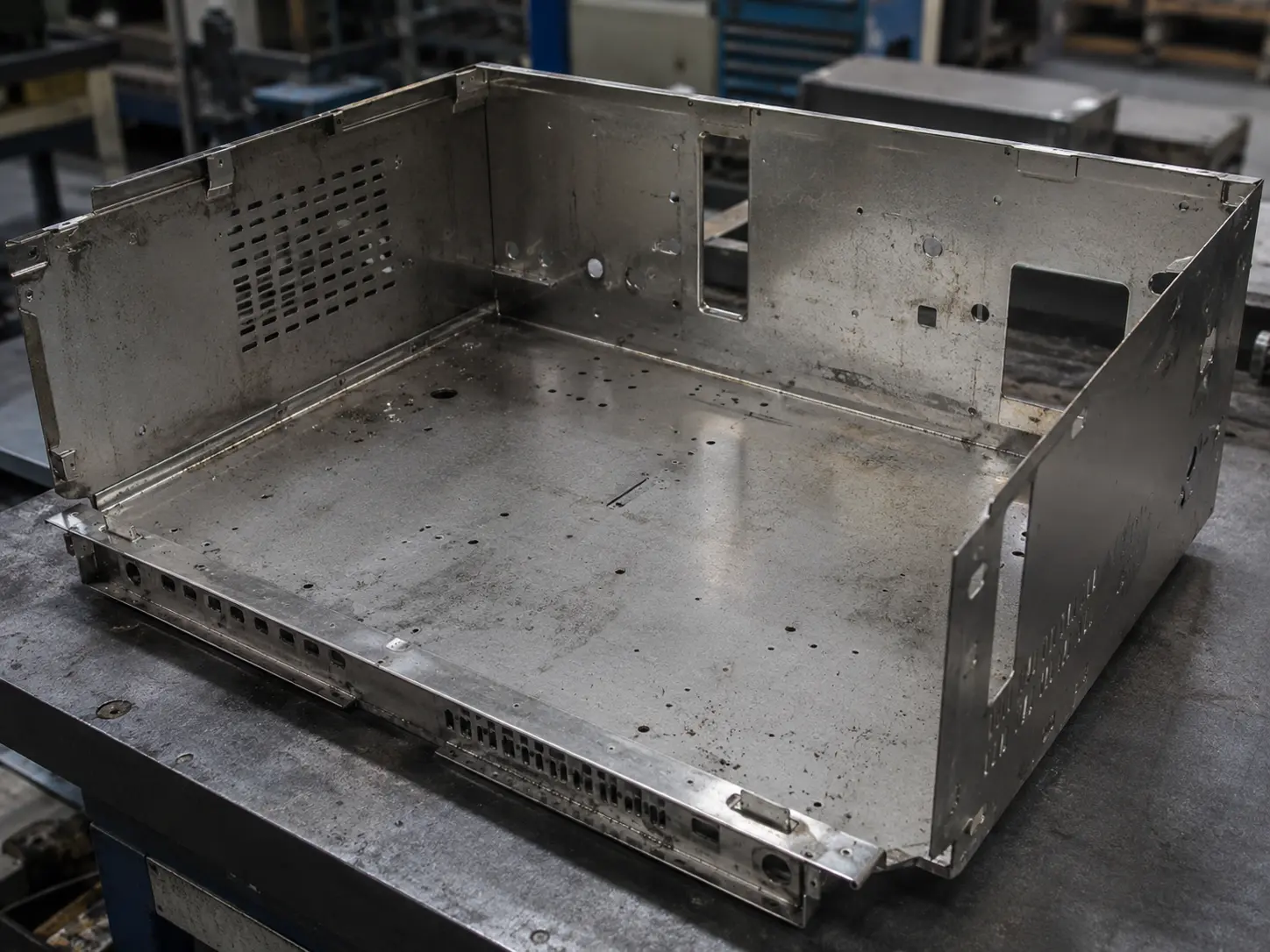
Metal part before ultrasonic cleaning
Metal part after ultrasonic cleaning
Vor der Reinigung
Nach der Reinigung

Verborgene Verunreinigungen entfernen

Entfernt effektiv Öle, Kühlmittelrückstände, Polierpasten, Metallspäne und feine Partikel, die Haftungsversagen oder Defekte verursachen.

Bohrungen, Nuten und Hohlräume reinigen

Hochfrequente Kavitation erreicht Sacklöcher, Querbohrungen, Gewinde, tiefe Nuten und Innenhohlräume, die mit Bürsten, Einweichen oder Sprühwaschen nicht erreichbar sind.

Haftung und Leistung verbessern

Saubere Oberflächen gewährleisten eine stärkere Bindung für Pulverbeschichtung, Nasslackierung, Galvanisierung, Eloxierung und andere Veredelungsprozesse — wodurch Abblättern, Blasenbildung und Korrosionsrisiken reduziert werden.

Nacharbeit und Oberflächendefekte reduzieren

Unzureichende Reinigung führt zu Blasen, Nadelstichen, Rost und schlechtem Erscheinungsbild. Richtige Reinigung von Anfang an reduziert Ausschuss, Nacharbeit und Verzögerungen.

Technische Anmerkung:
Die Ultraschallreinigung entfernt Verunreinigungen vor der nachgelagerten Oberflächenbehandlung, jedoch sollten Grate, falls vorhanden, separat entfernt werden.

Öl- und Kühlmittelentfernung
Partikelreinigung
Präzisionsreinigung
Sauber und bereit zur Weiterverarbeitung

Welche Arten von Teilen und Geometrien kann die Ultraschallreinigung bewältigen?

Die Ultraschallreinigung ist hocheffektiv für eine breite Palette von Metallteilen und komplexen Geometrien und entfernt Öle, Rückstände, Polierpasten und feine Partikel aus Bereichen, die mit manuellen Reinigungsmethoden schwer erreichbar sind.

Bearbeitete Präzisionsteile
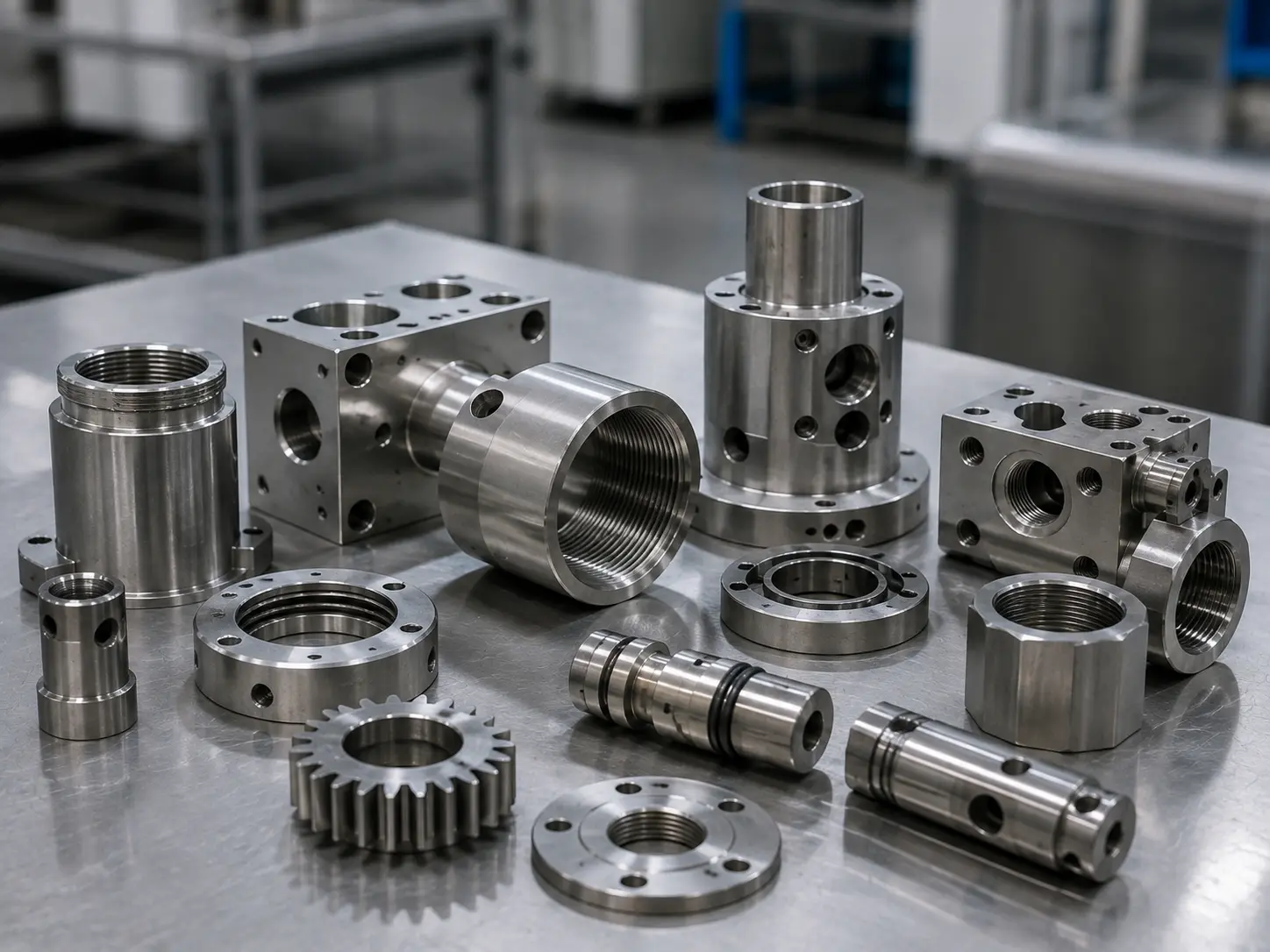
Precision machined metal parts cleaned by ultrasonic cleaning
  • Teile: Lager, Zahnräder, Ventilkörper, Hydraulikkomponenten, Schneidwerkzeuge, Formen/Gesenke
  • Verunreinigungen: Schneidöl, Kühlmittelrückstände, Metallspäne, feine Partikel
  • Vorteil: Tiefenreinigung bei engen Toleranzen und komplexen Konturen

Blechumformung &
Geschweißte Baugruppen
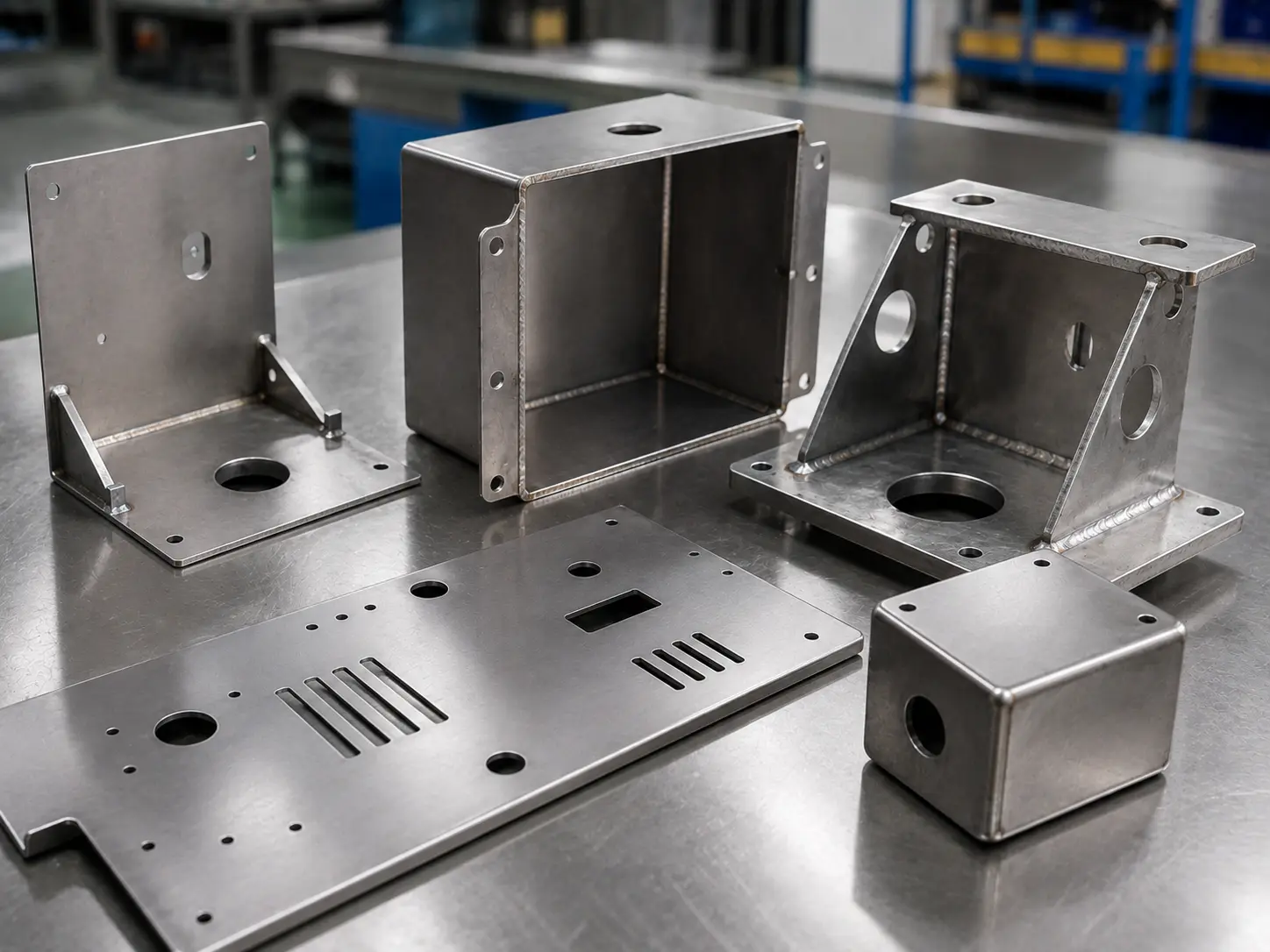
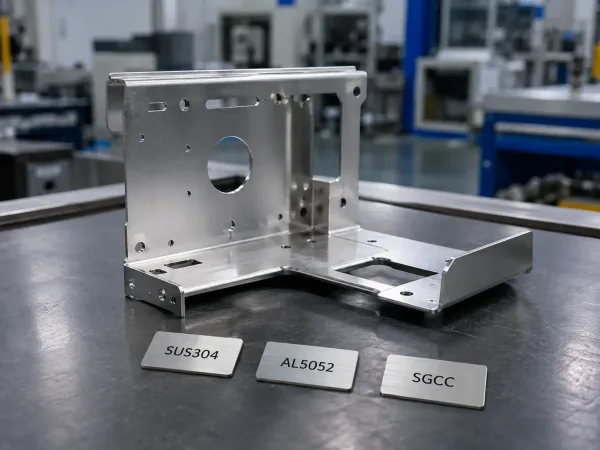
Ultrasonic cleaning for sheet metal and welded assemblies
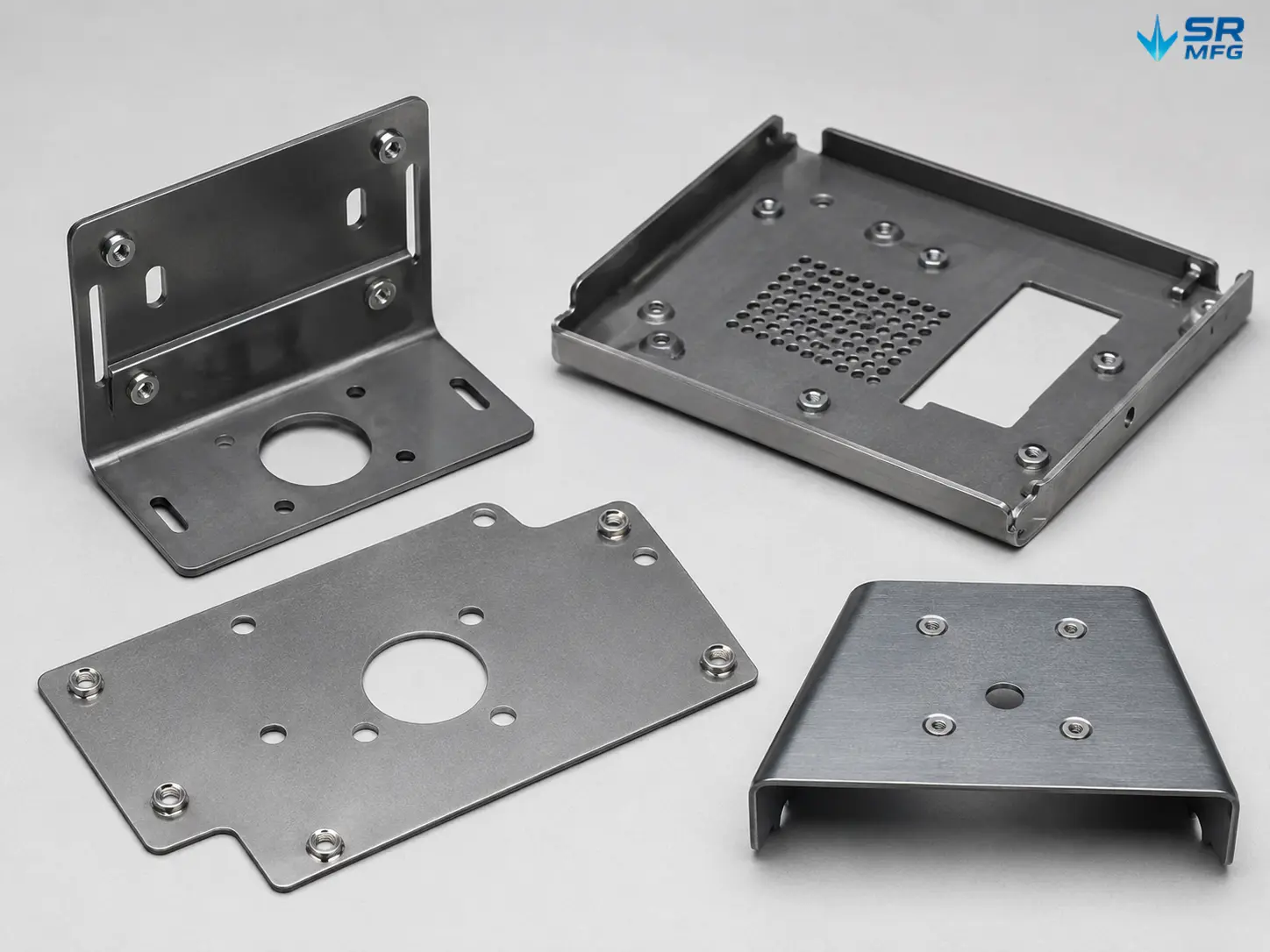
  • Teile: Lasergeschnittene/gestanzte/gebogene Teile, geschweißte Baugruppen, Gehäuse, Platten
  • Verunreinigungen: Öle, Partikel, Ziehmittel, Fingerabdrücke
  • Vorteil: Entfernt Rückstände aus Fugen, Spalten und Schweißbereichen

Vorreinigung vor
Coating / Plating / Anodizing
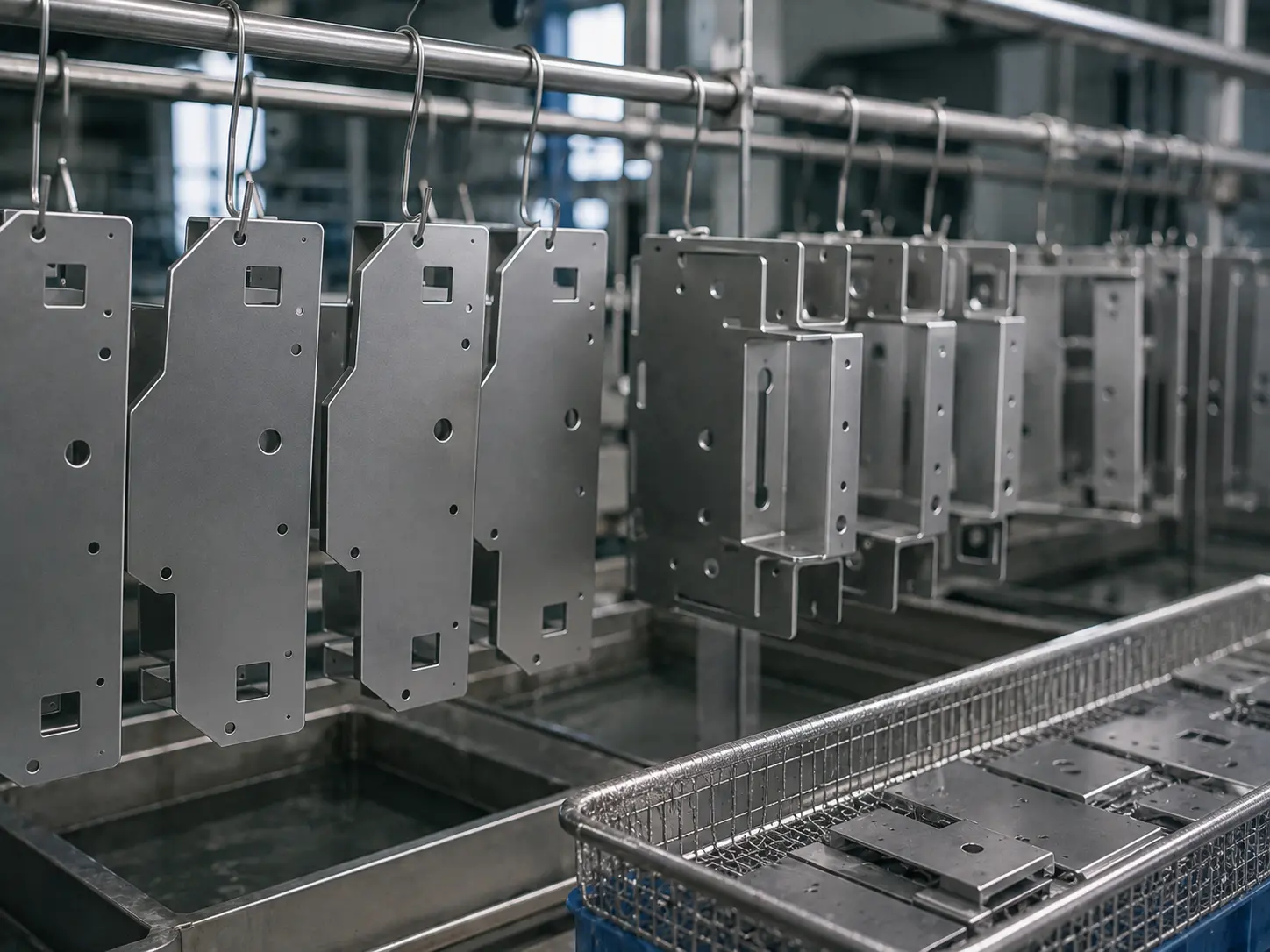
Metal components cleaned before coating plating or anodizing
  • Teile: Components requiring surface preparation before finishing
  • Verunreinigungen: Grease, polishing compound residue, dust
  • Vorteil: Creates a clean, active surface for stronger adhesion and consistent finish

Fine-Hole & Mesh-Like
Structures
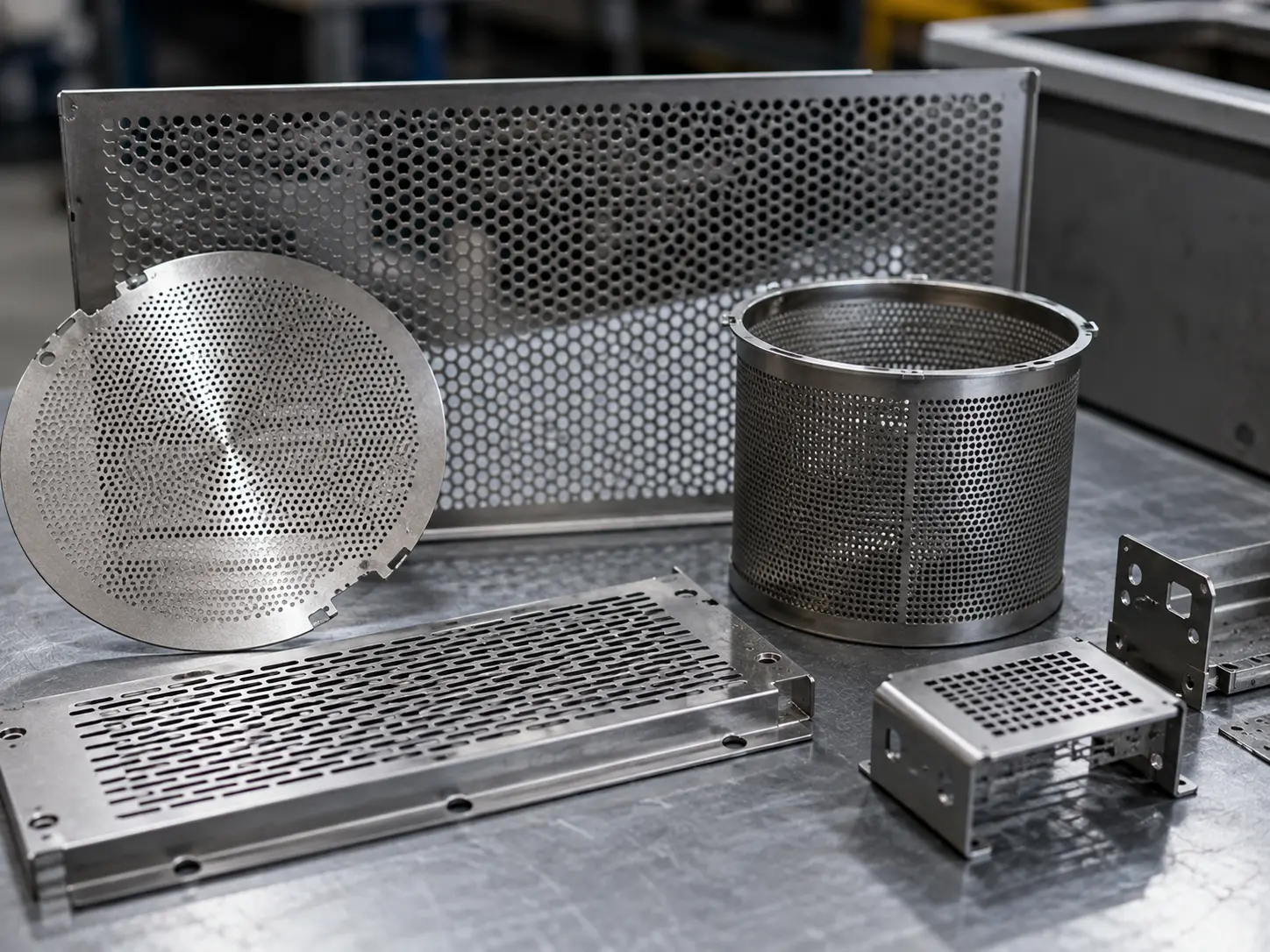
Ultrasonic cleaning for fine-hole perforated and mesh-like metal structures
  • Teile: Filters, perforated sheets, honeycomb structures, parts with dense hole/slot patterns
  • Verunreinigungen: Embedded particles, oils, metal fines
  • Vorteil: Cavitation penetrates tiny openings for complete cleaning

Complex Cavities &
Internal Passages
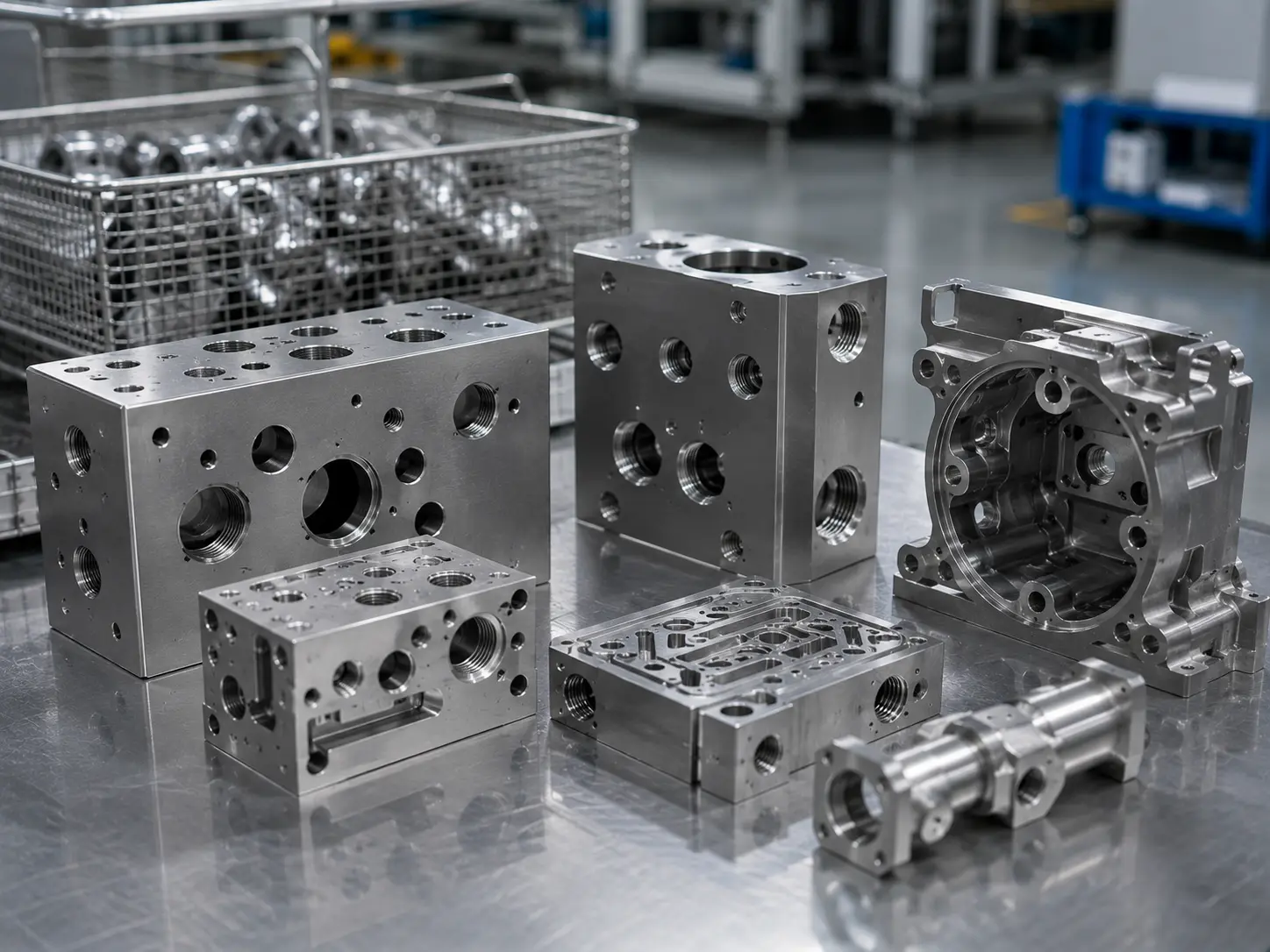
Ultrasonic cleaning for metal parts with complex cavities and internal passages
  • Teile: Manifolds, blocks, housings, parts with blind holes, cross-drilled passages, threads
  • Verunreinigungen: Oils, chips, swarf, polishing residues inside cavities
  • Vorteil: Reaches areas that brushing, soaking or spray can’t reach

Automotive & Equipment
Komponenten
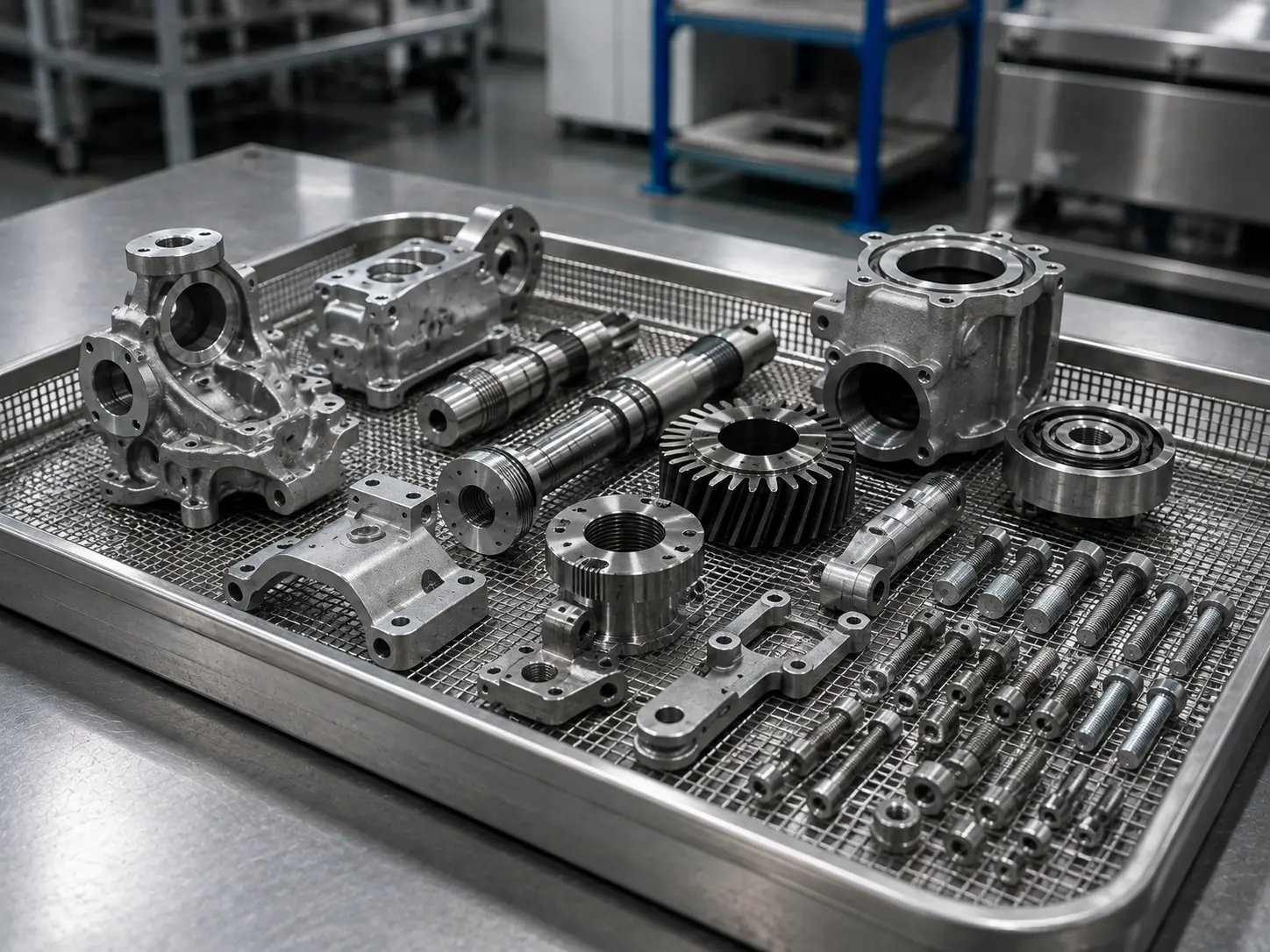
Automotive and equipment metal components after ultrasonic cleaning
  • Teile: Engine components, transmission parts, brackets, fasteners, pumps, valves
  • Verunreinigungen: Oils, coolant, carbon dust, abrasive particles
  • Vorteil: Ensures reliability, performance and longer service life

Technische Anmerkung: Cleaning effectiveness depends on whether the cleaning solution can enter and circulate through holes, cavities, threads, and internal passages. Part orientation, trapped air, drainage, and drying requirements should be reviewed for complex geometries.

Material Compatibility for Ultrasonic Cleaning

Different metals respond differently to ultrasonic cleaning chemistry, temperature, and cycle time.

CS

Carbon steel / alloy steel

!
Primary Risks

Flash rust can appear within minutes to hours, especially with water-based cleaning on warm parts.

i
Key Considerations

Once burrs, chips, and dust are removed, the surface becomes more reactive. Ionic residues may amplify coating, E-coat, or plating defects.

SR MFG Recommended Approach

Use a water-based cleaner with corrosion inhibitors; rinse promptly and dry thoroughly. Add rust preventive or VCI packaging when required.

CI

Cast iron / porous materials

!
Primary Risks

Trapped liquid plus flash rust.

i
Key Considerations

Cast iron and powder-metal parts can hold liquid. Incomplete drying can lead to re-rusting and weeping.

SR MFG Recommended Approach

Add rinse stages and extend drying time. For porous or blind-hole geometries, prioritize spin-off, blow-off, hot-air drying, and rust protection.

SS

Stainless steel (304/316, etc.)

!
Primary Risks

Chlorides can cause pitting. Dissimilar-metal contamination may lead to rust spots.

i
Key Considerations

Avoid high-chloride water or chemistries. Prevent cross-contamination from carbon-steel dust or iron chips.

SR MFG Recommended Approach

Use a mild cleaner and proper rinsing. For high-cleanliness or corrosion-critical applications, follow with passivation or a defined surface-treatment step.

Al

Aluminum / aluminum alloys (5xxx/6xxx, etc.)

!
Primary Risks

Staining/mottling, loss of luster, corrosion/pitting. Strong alkalinity can attack aluminum surfaces; cavitation can exacerbate surface damage.

i
Key Considerations

Avoid strong alkalinity, sodium-hydroxide boosters, and chlorine/bleach-type chemistries. Excess time or temperature increases the chance of visible change.

SR MFG Recommended Approach

Favor neutral to mildly alkaline formulations with inhibitors. Use short cycles, rinse promptly, and dry under controlled conditions.

AA

Anodized aluminum (including dyed parts)

!
Primary Risks

Damage to dye or sealing layers may lead to fading or spotting. Excessive ultrasonic intensity can harm the coating.

i
Key Considerations

Avoid strongly alkaline cleaners. Aggressive power or time settings may be incompatible with anodic films.

SR MFG Recommended Approach

Use a mild, near-neutral cleaner. Shorten cycles and validate with a small sample first, especially for cosmetic parts.

Cu

Copper / brass / bronze

!
Primary Risks

Oxidation and darkening. Certain chemistries can cause discoloration or corrosion.

i
Key Considerations

Copper and brass require tight control of time and temperature to avoid darkening or etching.

SR MFG Recommended Approach

Use gentle formulations intended for nonferrous metals. Start with short cycles, rinse and dry quickly, and add anti-tarnish protection when needed.

Zn

Galvanized steel / zinc alloys / zinc die cast

!
Primary Risks

Higher sensitivity to cleaning chemistry; spotting or pitting. Damage to zinc reduces corrosion resistance.

i
Key Considerations

Avoid strong acids and strong alkalis. Zinc is generally treated as an easily etched or corroded material.

SR MFG Recommended Approach

Use neutral to mildly alkaline chemistry with inhibitors. Validate on samples first and keep the process window conservative.

Mg

Magnesium alloys

!
Primary Risks

High reactivity; easy to corrode or etch. Strong acids and alkalis are especially risky.

i
Key Considerations

Chemistry selection is critical and the process window should be conservative.

SR MFG Recommended Approach

Use neutral to mildly alkaline cleaners with inhibitors. Use short cycles, thorough rinsing, and complete drying. Always validate with sample parts.

Ti

Titanium / titanium alloys

!
Primary Risks

Generally stable, but chemical compatibility and residues still matter, especially before finishing or bonding.

i
Key Considerations

Avoid chemistries that leave hard-to-remove residues. Set rinse quality based on downstream requirements.

SR MFG Recommended Approach

Mild water-based cleaning is usually sufficient. For high-cleanliness requirements, add rinse stages and controlled clean drying and handling.

Standardized Ultrasonic Cleaning Process

SR MFG follows a controlled ultrasonic cleaning workflow to reduce residue, corrosion risk, surface damage, and downstream finishing defects.

1

Drawing & Specification Review

Review customer drawings and cleaning specifications.

2

Incoming Condition Check

Verify part condition and identify any contamination or risks.

3

Fixturing & Part Protection

Secure fixturing and protective measures to prevent damage.

4

Pre-Cleaning (If Required)

Remove loose soils or heavy residues before ultrasonic wash.

5

Bath Make-Up & Degassing

Prepare chemistry to spec and degas for optimal performance.

6

Ultrasonic Washing

Precision ultrasonic cleaning to dislodge and remove contaminants.

7

Rinsing & Drying

Multi-stage rinsing followed by controlled drying.

8

Inspection, Packaging & Shipment

Final inspection, protective packaging, and on-time shipment.

Ultrasonic Cleaning Process (Video Walkthrough)

Quality Control at Every Step

  • Controlled chemistry
  • Multi-stage rinsing
  • Drying & final inspection
i

Typical workflow may be adjusted based on material type, contamination level, cleanliness requirements, and downstream finishing needs.

Ready to Review Your Ultrasonic Cleaning Requirements?

Send us your drawings, material, part geometry, contamination type, cleanliness requirements, sensitive surfaces, downstream finishing or assembly needs, and inspection criteria. Our engineering team will review the application and recommend a suitable ultrasonic cleaning process.
Metal Ultrasonic Cleaning Häufig gestellte Fragen​​​​

Yes—but the deciding factor isn’t “how strong the ultrasonics are.” It’s whether the cleaning solution can actually enter the feature and whether the loosened contaminants can be flushed out. Ultrasonic cleaning works through cavitation: microscopic bubbles form and collapse, creating a fine “micro-scrubbing” action that helps lift oils, wax residues, fines, and particles from tight gaps.
A practical reachability check comes down to three inputs: the smallest opening size, the depth/flow path length (including L/D), and the part orientation (whether trapped air can vent and fresh solution can exchange). For high-risk geometries, the most reliable approach is a pilot wash on real parts (or representative coupons) and a sealed “golden sample” approval—locking down where the part must be clean and how it will be verified.

It can—depending primarily on the chemistry, temperature/time window, and how sensitive the material and finish are. Ultrasonics are not inherently “material-damaging,” but they act like an amplifier: they boost cleaning performance and can also magnify the downsides of an unsuitable formulation.
Best practice is to classify materials and finishes by sensitivity first (e.g., cosmetic aluminum, copper/brass, zinc coatings are typically more conservative), then set a controlled process window, and validate with a small-batch trial for both appearance and functional requirements before scaling.

In most projects, yes. Water-based cleaning removes the protective oil film, leaving the metal more vulnerable to moisture and oxygen—steel parts in particular can flash-rust quickly. Residual water can also leave water spots, carry dissolved ions, and introduce secondary contamination.
Rule of thumb: rinse, then dry promptly using the method that matches the geometry (hot air, oven, or filtered compressed air), and apply rust prevention and moisture-barrier packaging as needed for ferrous parts.

Yes—and it’s worth treating this as an “acceptance menu.”

  • Water-break / water film test (ASTM F22): a fast, non-destructive check commonly used for process control. If water beads up or won’t wet the surface uniformly, it often indicates residual oils or hydrophobic contamination that can compromise downstream coating, conversion, anodizing, plating, or bonding.

  • Particle cleanliness: for automotive/fluids applications, the ISO 16232 / VDA 19.1 framework is commonly used for particle extraction and analysis, producing documented results aligned to the defined cleanliness class.

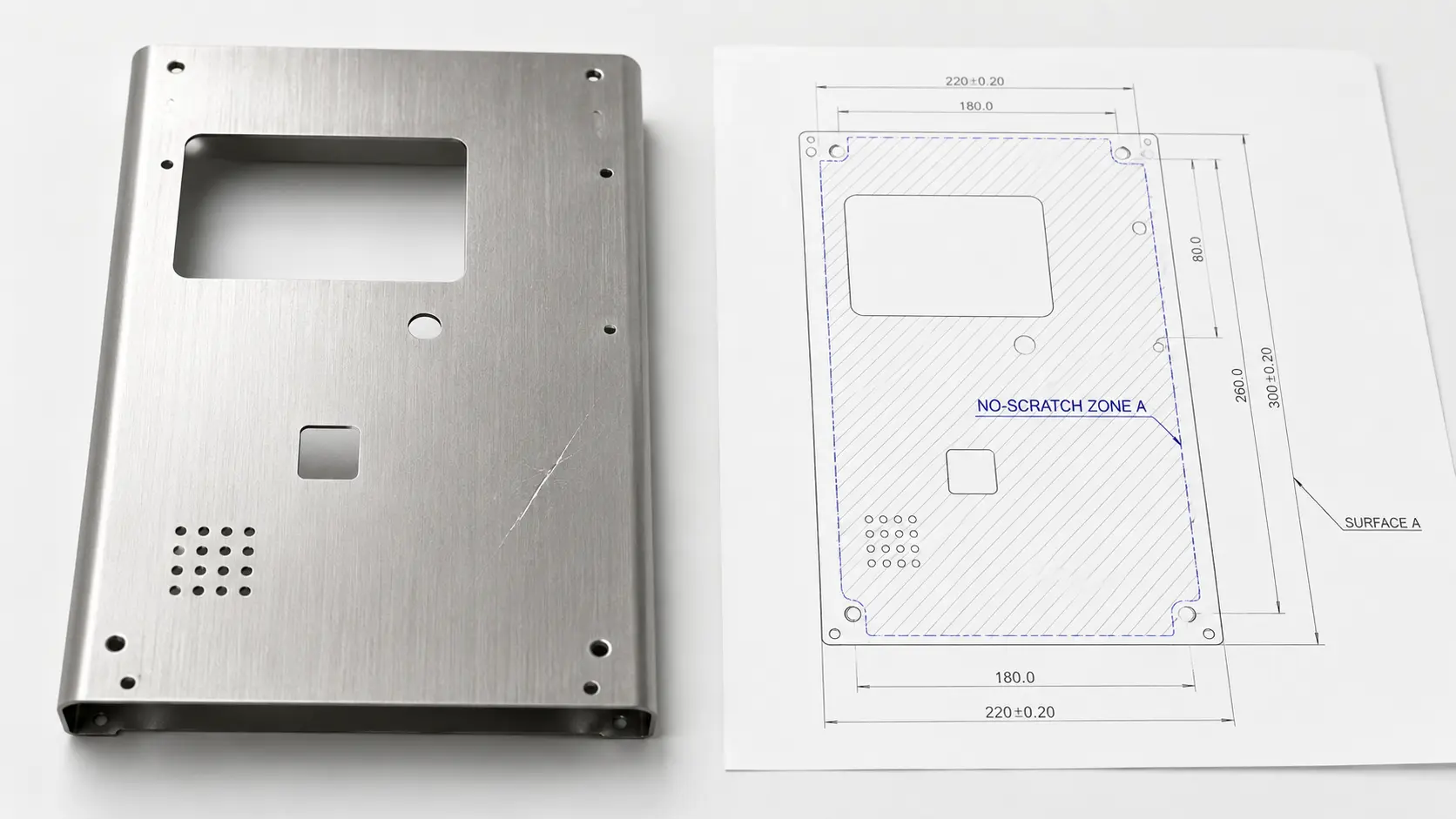
Most cosmetic failures happen after cleaning—during handling, staging, or packing—when parts rub each other, packaging sheds lint, or particles re-contaminate the surface.
Three controls address most issues: avoid metal-to-metal contact (fixtures/baskets with separation), protect A-surfaces early (protective film or clean interleaves), and use low-shedding, clean packaging materials—otherwise, “cleaning well” is wasted downstream.

Technical Resources

Go to Top