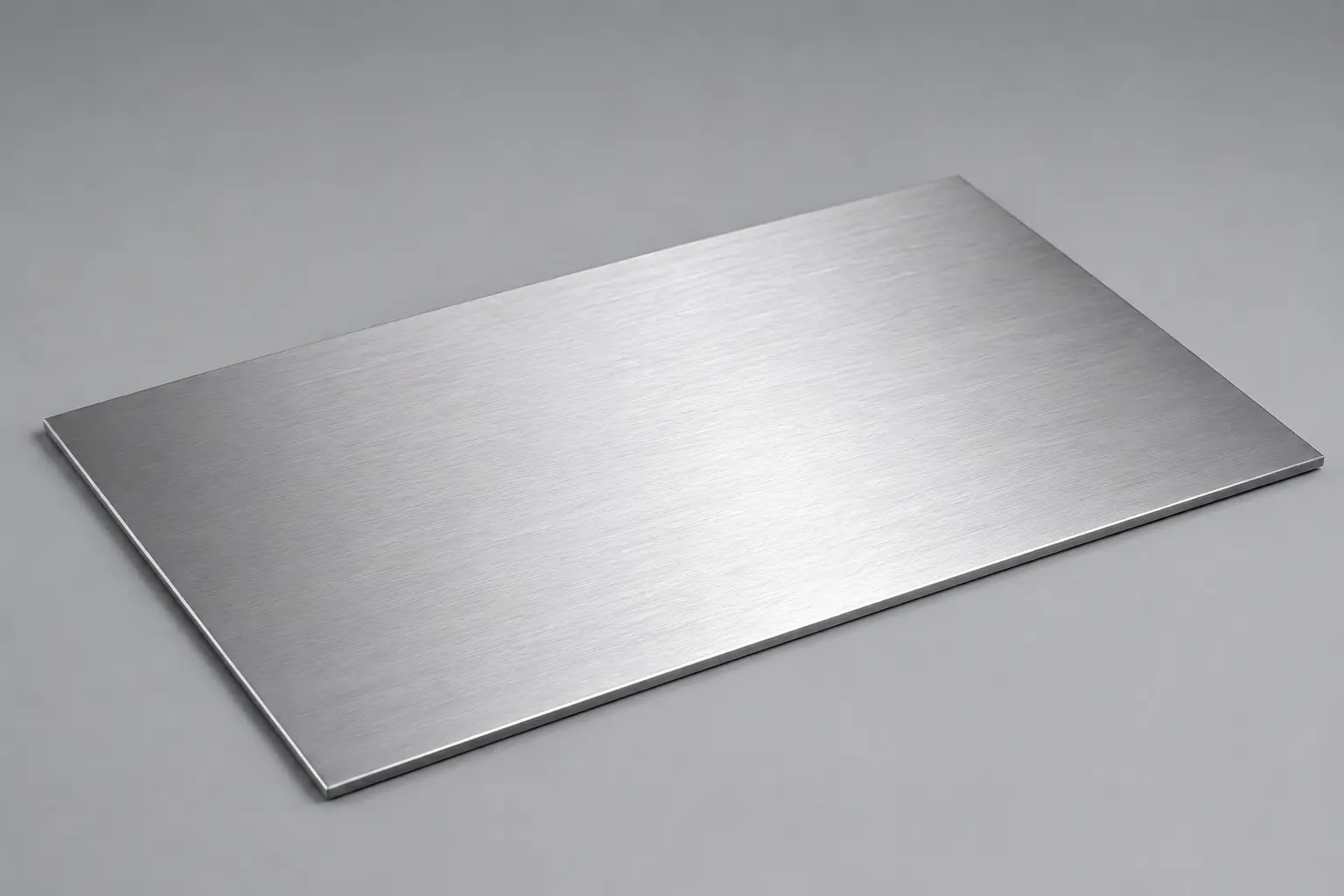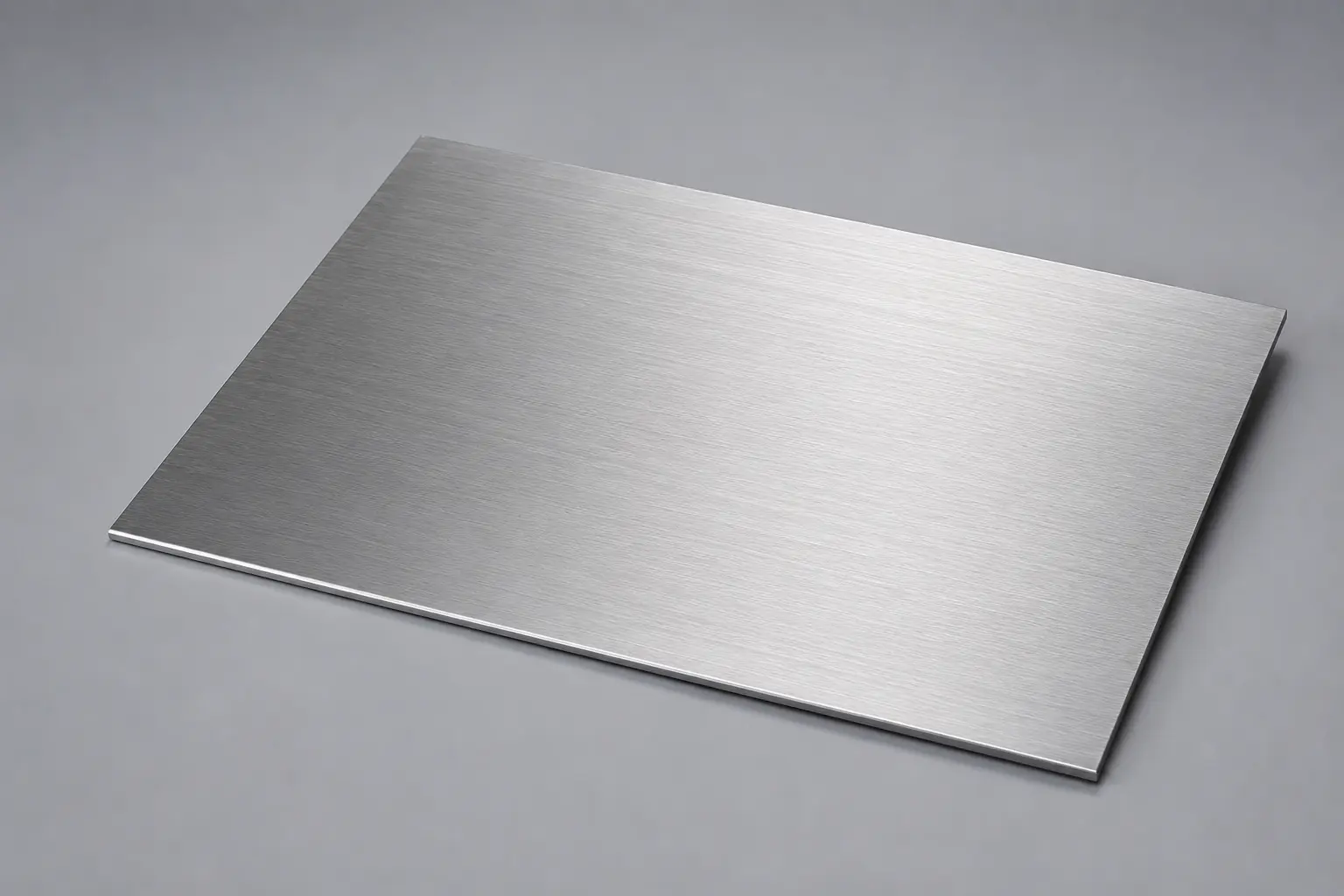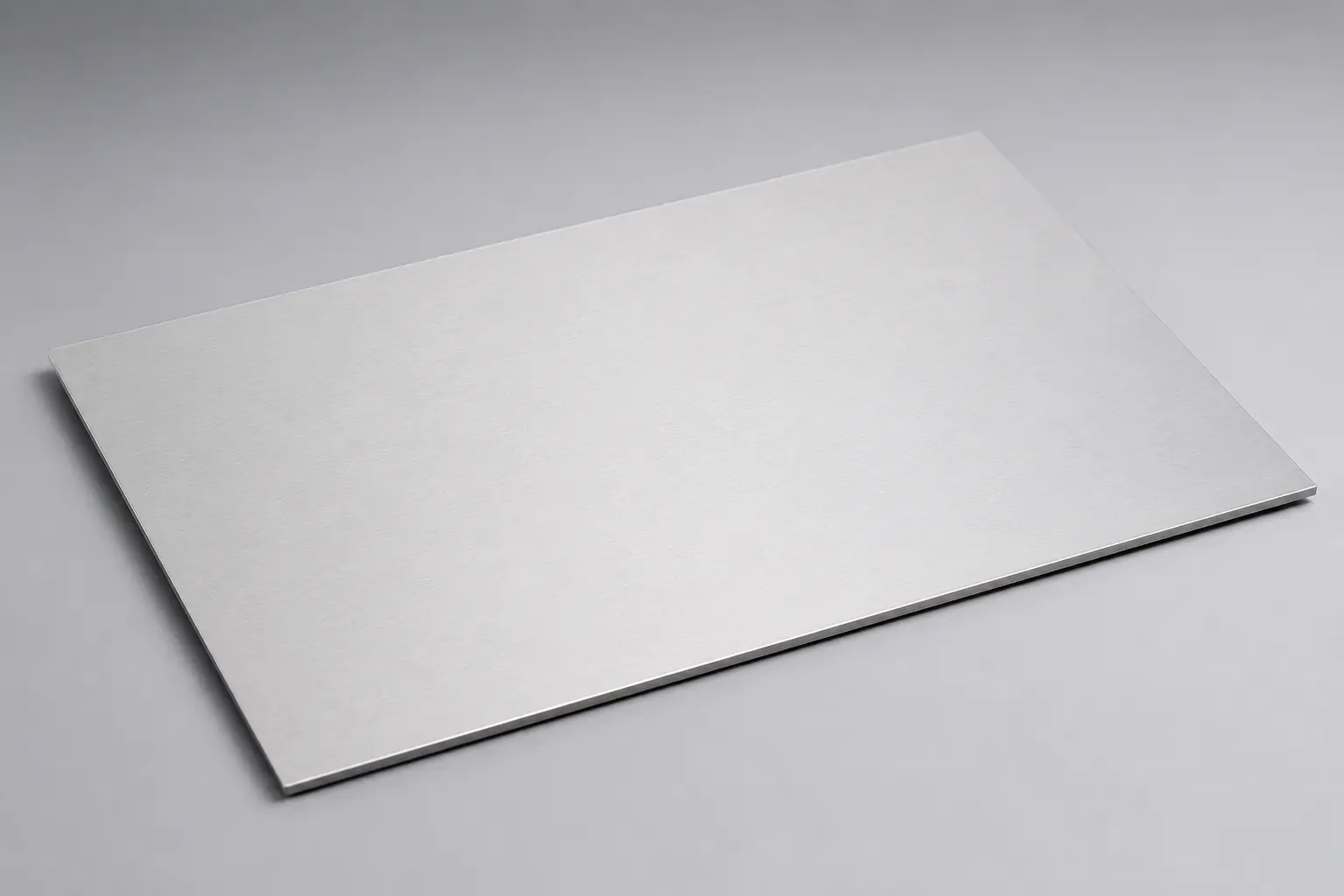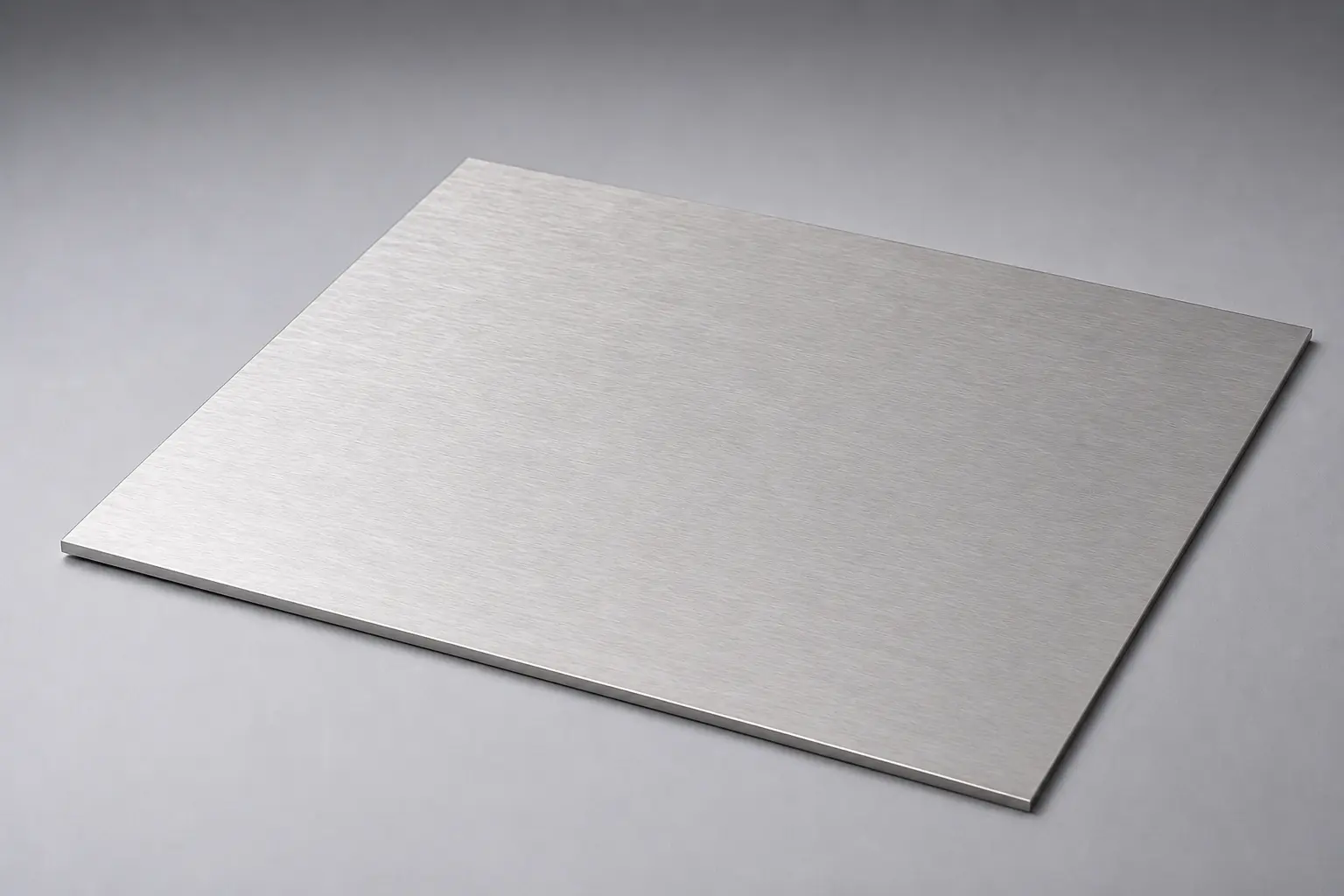
Steel

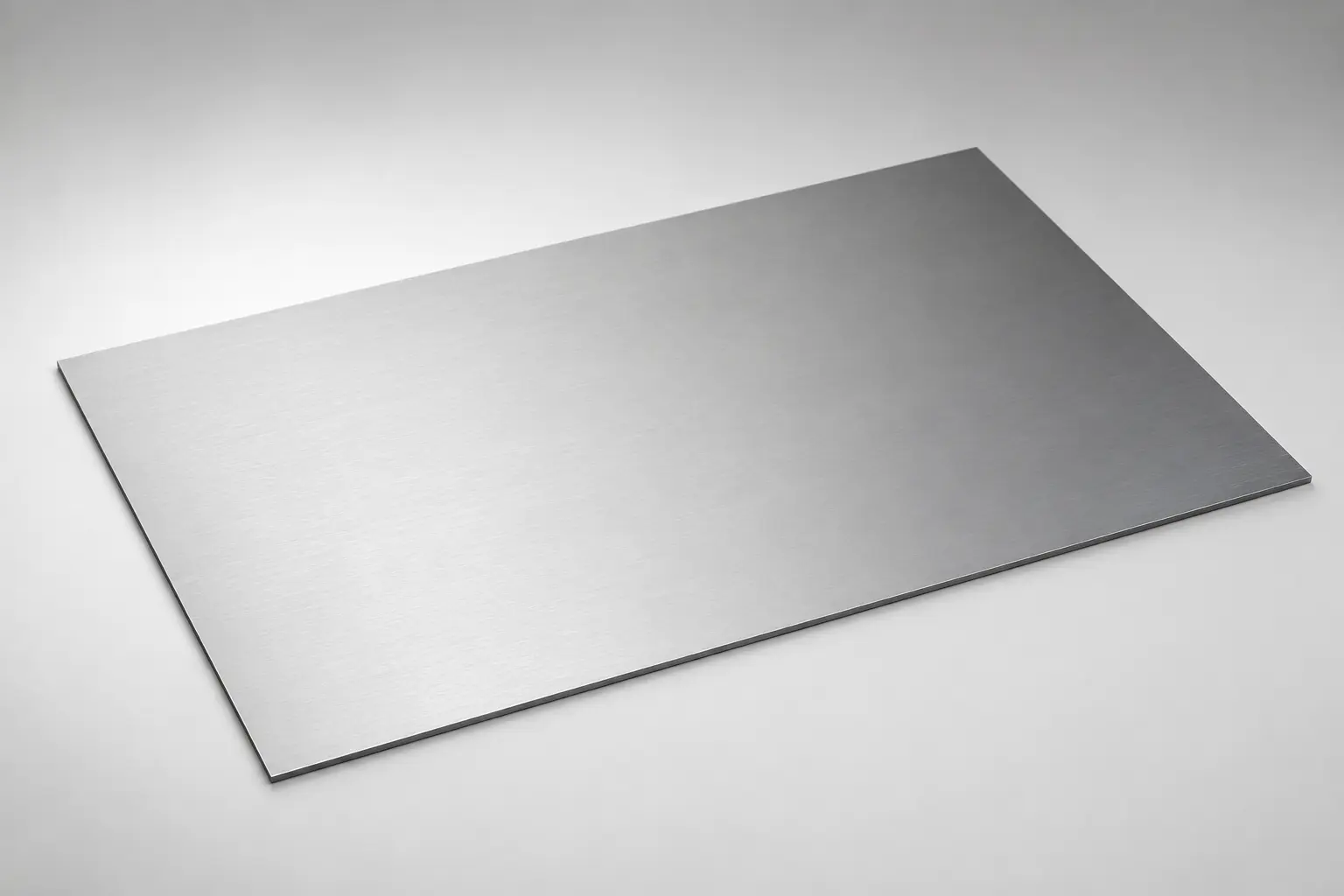
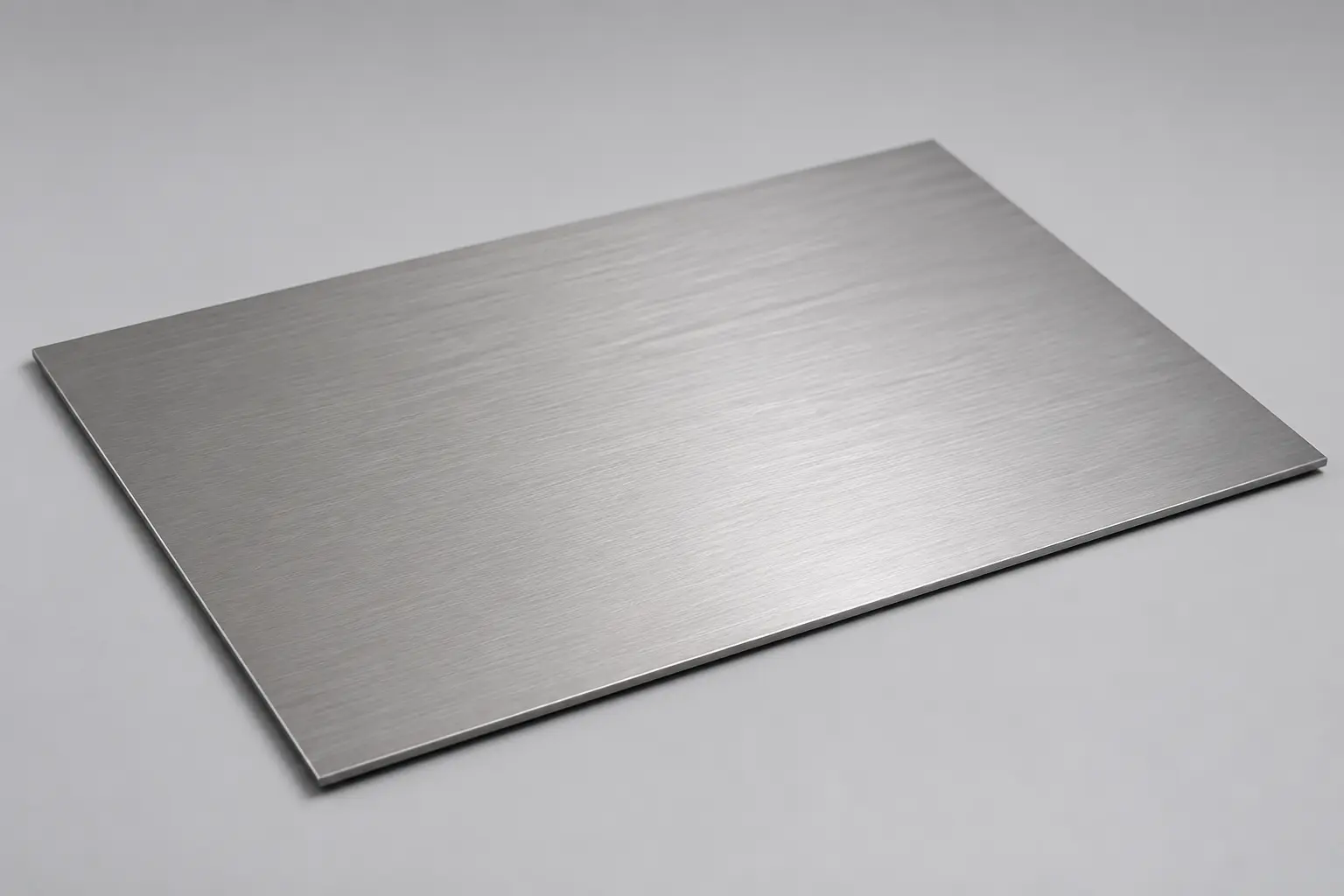
Cold-Rolled Carbon Steel Sheet
304 is the most widely used austenitic stainless steel grade, often referred to in the industry as “18/8” because it contains roughly 18% chromium and 8% nickel.
In sheet metal fabrication, 304 is the go-to all-rounder: it strikes a strong balance across corrosion resistance, formability, strength, cost, appearance, and overall performance—with very few trade-offs for most use cases.

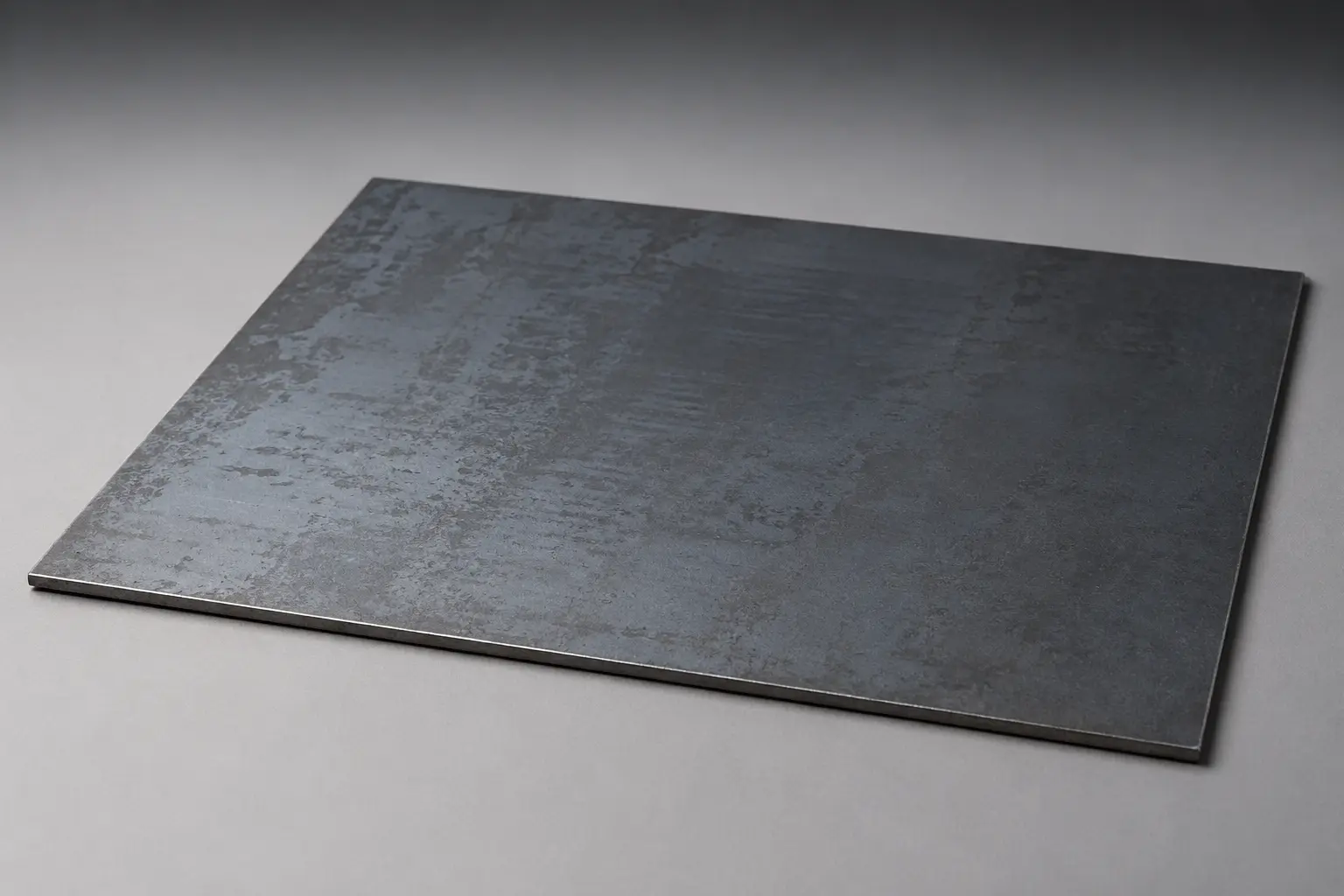
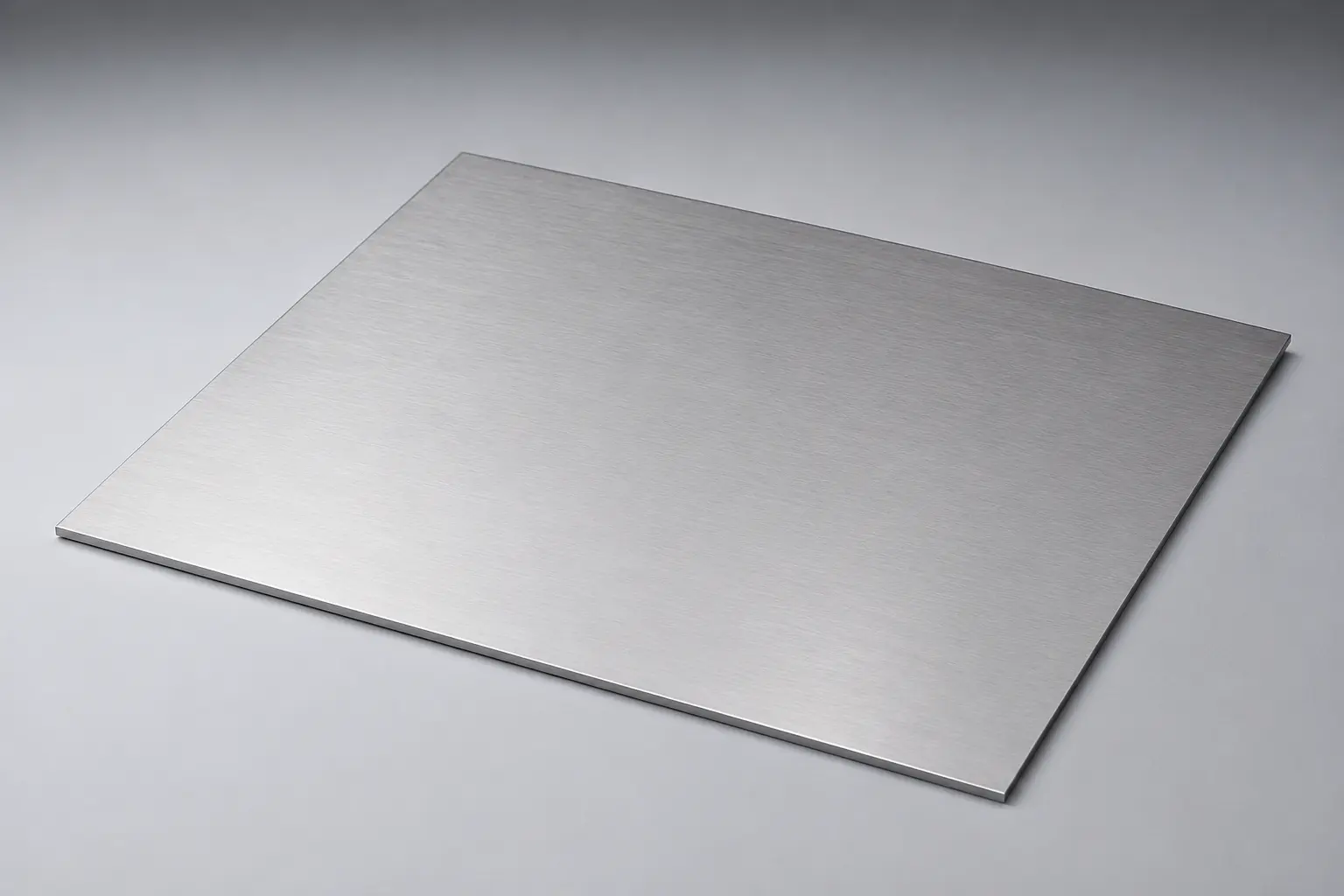
Hot-Rolled Carbon Steel Sheet
304 is the most widely used austenitic stainless steel grade, often referred to in the industry as “18/8” because it contains roughly 18% chromium and 8% nickel.
In sheet metal fabrication, 304 is the go-to all-rounder: it strikes a strong balance across corrosion resistance, formability, strength, cost, appearance, and overall performance—with very few trade-offs for most use cases.

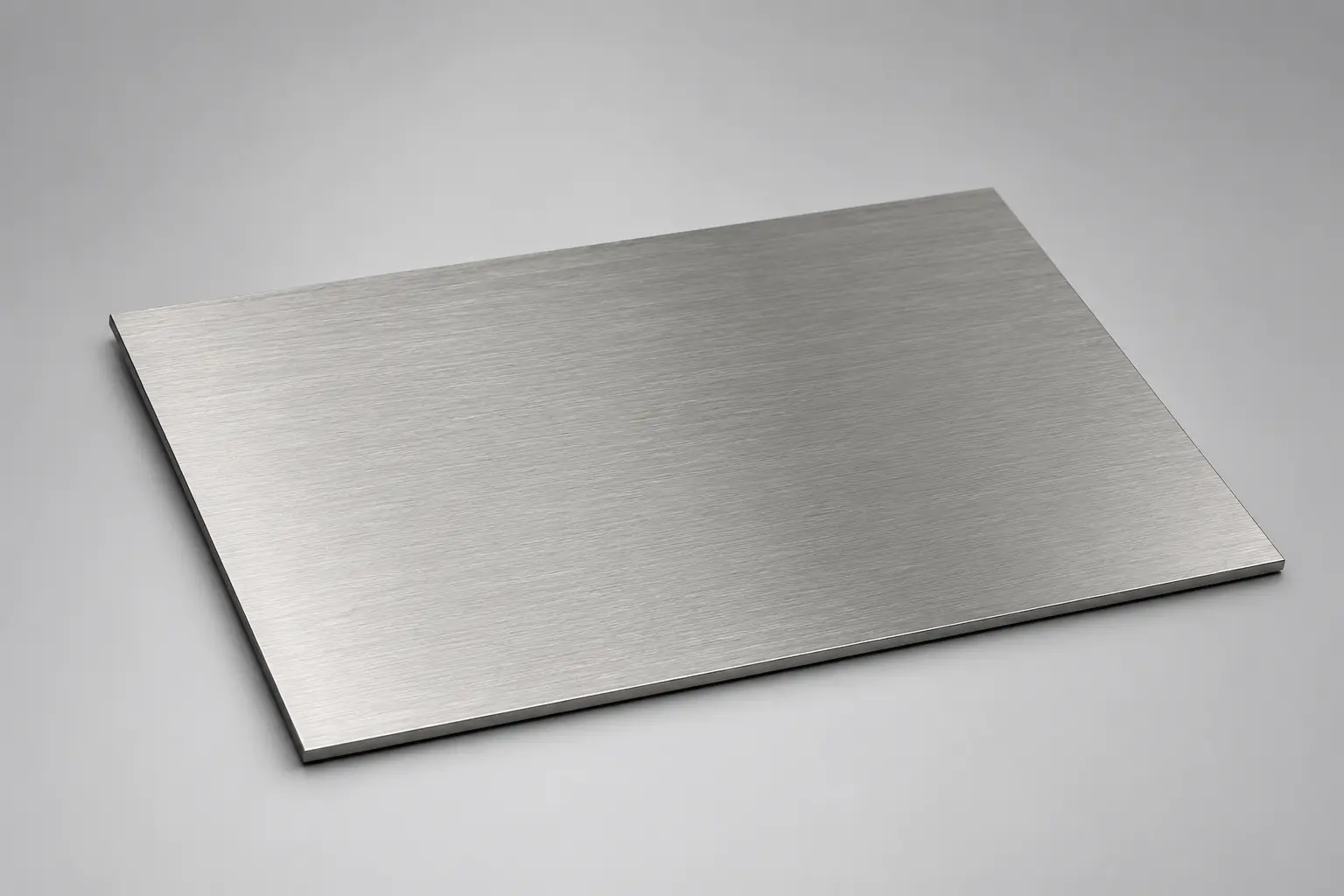
High-Strength Low-Alloy (HSLA) Structural Steel
304 is the most widely used austenitic stainless steel grade, often referred to in the industry as “18/8” because it contains roughly 18% chromium and 8% nickel.
In sheet metal fabrication, 304 is the go-to all-rounder: it strikes a strong balance across corrosion resistance, formability, strength, cost, appearance, and overall performance—with very few trade-offs for most use cases.

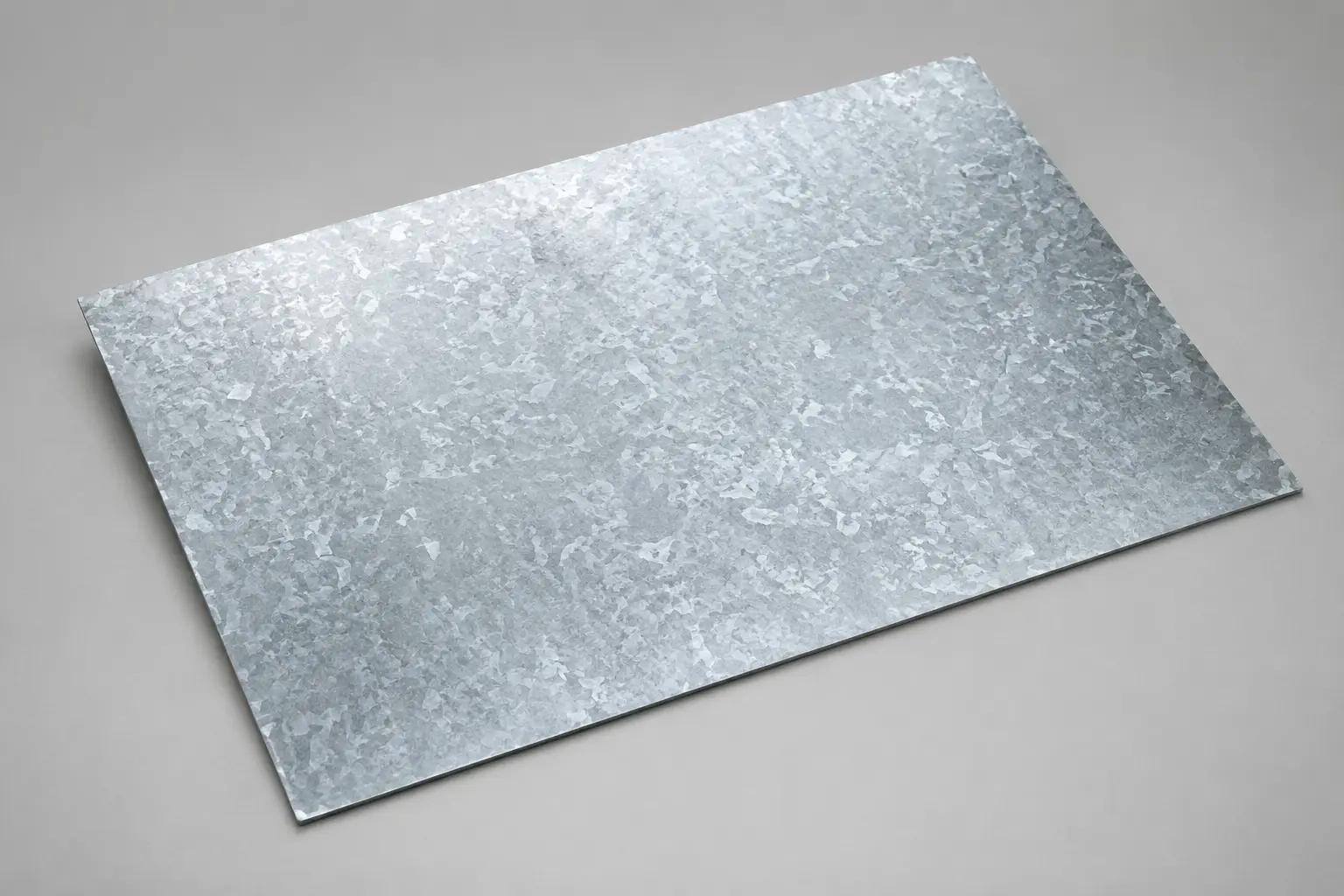
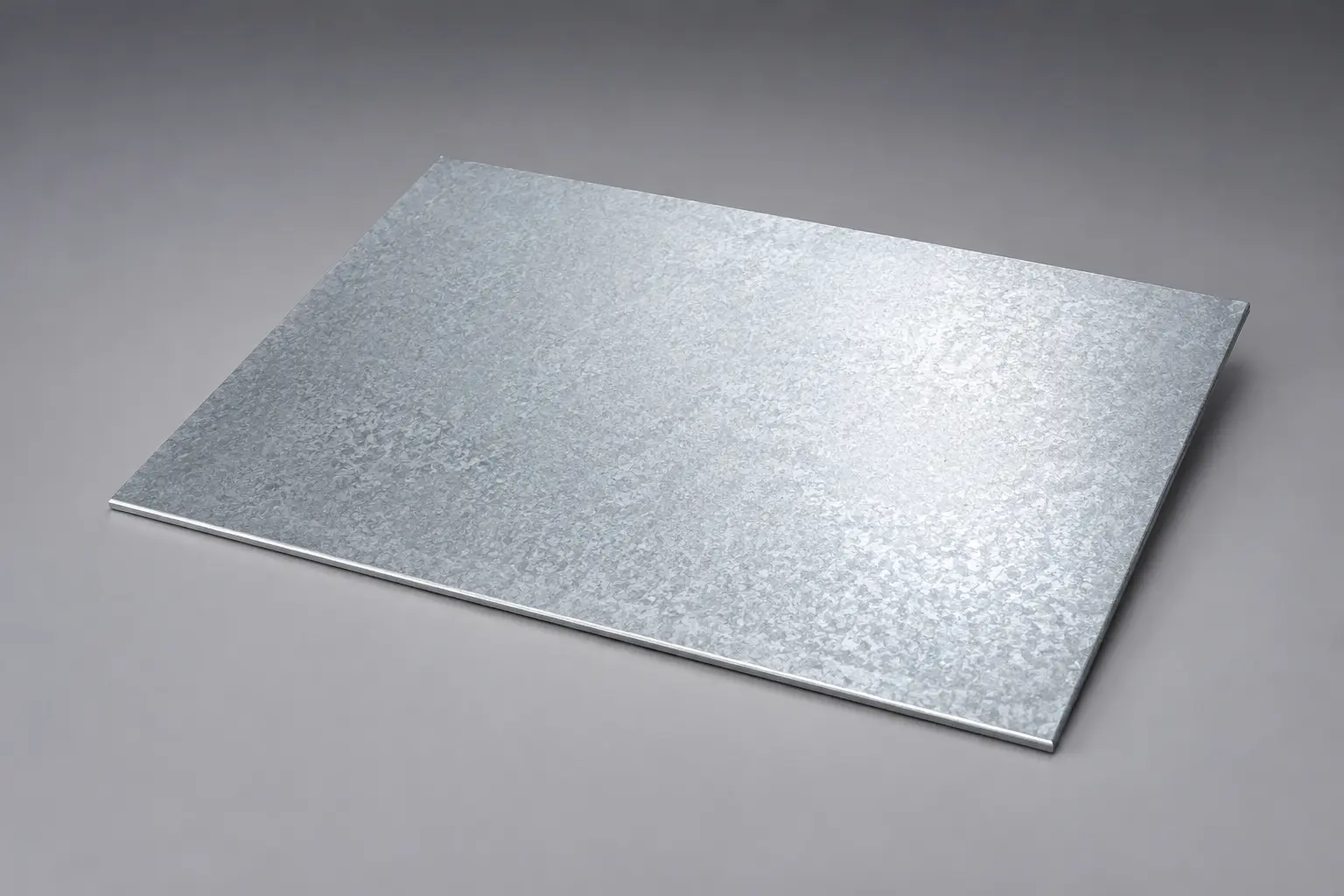
Hot-Dip Galvanized Steel Sheet (HDG)
304 is the most widely used austenitic stainless steel grade, often referred to in the industry as “18/8” because it contains roughly 18% chromium and 8% nickel.
In sheet metal fabrication, 304 is the go-to all-rounder: it strikes a strong balance across corrosion resistance, formability, strength, cost, appearance, and overall performance—with very few trade-offs for most use cases.

Electro-Galvanized Steel Sheet (EG)
304 is the most widely used austenitic stainless steel grade, often referred to in the industry as “18/8” because it contains roughly 18% chromium and 8% nickel.
In sheet metal fabrication, 304 is the go-to all-rounder: it strikes a strong balance across corrosion resistance, formability, strength, cost, appearance, and overall performance—with very few trade-offs for most use cases.

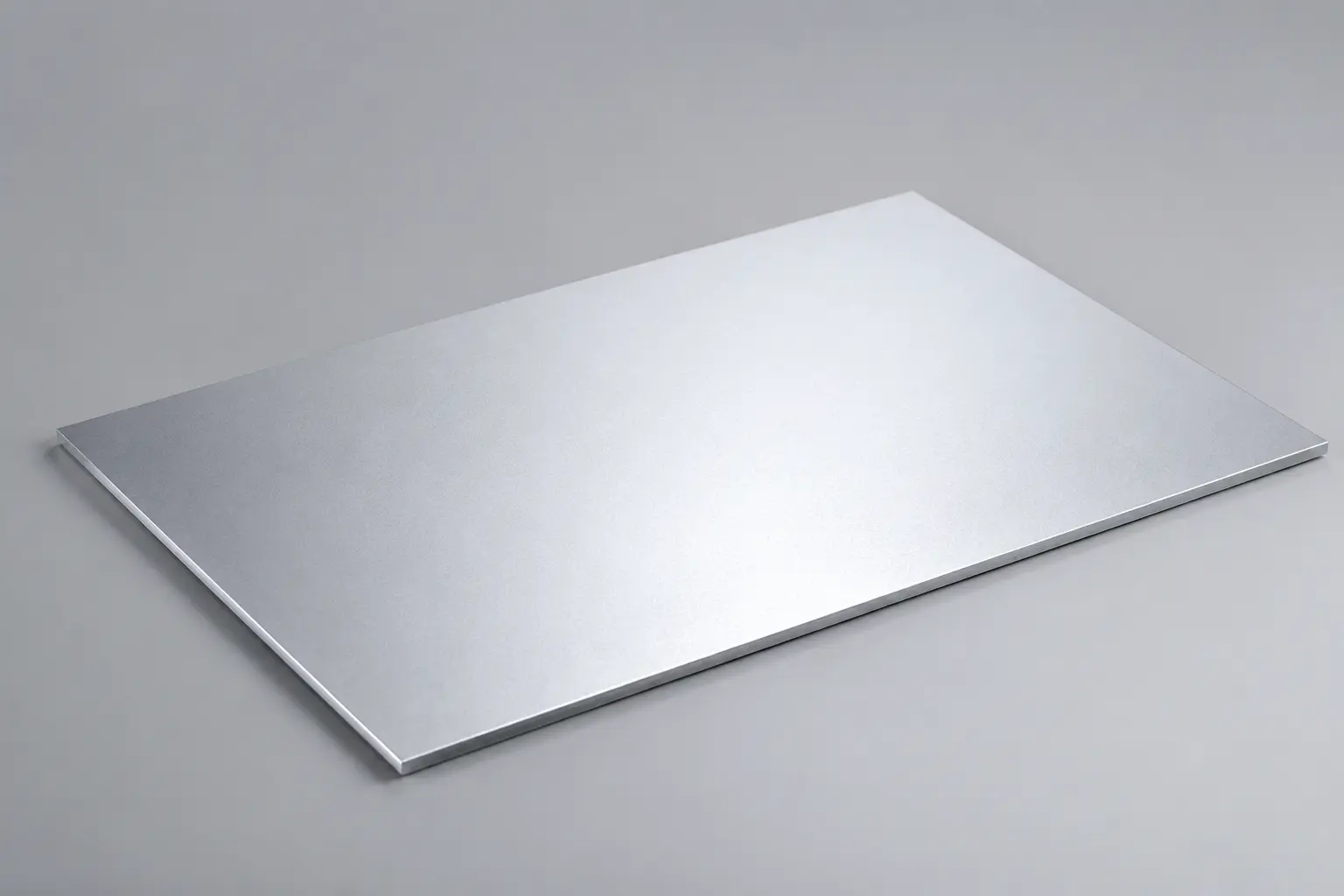
Aluminum-Zinc Alloy Coated Steel Sheet
304 is the most widely used austenitic stainless steel grade, often referred to in the industry as “18/8” because it contains roughly 18% chromium and 8% nickel.
In sheet metal fabrication, 304 is the go-to all-rounder: it strikes a strong balance across corrosion resistance, formability, strength, cost, appearance, and overall performance—with very few trade-offs for most use cases.
Stainless Steel (Grades)

Type 304 Austenitic Stainless Steel (18/8)
304 is the most widely used austenitic stainless steel grade, often referred to in the industry as “18/8” because it contains roughly 18% chromium and 8% nickel.
In sheet metal fabrication, 304 is the go-to all-rounder: it strikes a strong balance across corrosion resistance, formability, strength, cost, appearance, and overall performance—with very few trade-offs for most use cases.

Type 316L Molybdenum-Bearing Austenitic Stainless Steel
304 is the most widely used austenitic stainless steel grade, often referred to in the industry as “18/8” because it contains roughly 18% chromium and 8% nickel.
In sheet metal fabrication, 304 is the go-to all-rounder: it strikes a strong balance across corrosion resistance, formability, strength, cost, appearance, and overall performance—with very few trade-offs for most use cases.

Type 430 Ferritic Stainless Steel
304 is the most widely used austenitic stainless steel grade, often referred to in the industry as “18/8” because it contains roughly 18% chromium and 8% nickel.
In sheet metal fabrication, 304 is the go-to all-rounder: it strikes a strong balance across corrosion resistance, formability, strength, cost, appearance, and overall performance—with very few trade-offs for most use cases.

Type 201 Low-Nickel Austenitic Stainless Steel (200 Series)
304 is the most widely used austenitic stainless steel grade, often referred to in the industry as “18/8” because it contains roughly 18% chromium and 8% nickel.
In sheet metal fabrication, 304 is the go-to all-rounder: it strikes a strong balance across corrosion resistance, formability, strength, cost, appearance, and overall performance—with very few trade-offs for most use cases.

SUS301 (High-Strength Austenitic Stainless Steel)
304 is the most widely used austenitic stainless steel grade, often referred to in the industry as “18/8” because it contains roughly 18% chromium and 8% nickel.
In sheet metal fabrication, 304 is the go-to all-rounder: it strikes a strong balance across corrosion resistance, formability, strength, cost, appearance, and overall performance—with very few trade-offs for most use cases.
Aluminum Alloys

AA 1060 / AA 1100 (1xxx Series, Commercially Pure Aluminum)
304 is the most widely used austenitic stainless steel grade, often referred to in the industry as “18/8” because it contains roughly 18% chromium and 8% nickel.
In sheet metal fabrication, 304 is the go-to all-rounder: it strikes a strong balance across corrosion resistance, formability, strength, cost, appearance, and overall performance—with very few trade-offs for most use cases.

AA 3003 (3xxx Series, Al–Mn Alloy)
304 is the most widely used austenitic stainless steel grade, often referred to in the industry as “18/8” because it contains roughly 18% chromium and 8% nickel.
In sheet metal fabrication, 304 is the go-to all-rounder: it strikes a strong balance across corrosion resistance, formability, strength, cost, appearance, and overall performance—with very few trade-offs for most use cases.

AA 5052-H32 (5xxx Series, Al–Mg Alloy)
304 is the most widely used austenitic stainless steel grade, often referred to in the industry as “18/8” because it contains roughly 18% chromium and 8% nickel.
In sheet metal fabrication, 304 is the go-to all-rounder: it strikes a strong balance across corrosion resistance, formability, strength, cost, appearance, and overall performance—with very few trade-offs for most use cases.

AA 6061-T6 (6xxx Series, Al–Mg–Si Alloy)
304 is the most widely used austenitic stainless steel grade, often referred to in the industry as “18/8” because it contains roughly 18% chromium and 8% nickel.
In sheet metal fabrication, 304 is the go-to all-rounder: it strikes a strong balance across corrosion resistance, formability, strength, cost, appearance, and overall performance—with very few trade-offs for most use cases.

AA 7075-T6 (7xxx Series, Ultra-High-Strength Al–Zn–Mg–Cu Alloy)
304 is the most widely used austenitic stainless steel grade, often referred to in the industry as “18/8” because it contains roughly 18% chromium and 8% nickel.
In sheet metal fabrication, 304 is the go-to all-rounder: it strikes a strong balance across corrosion resistance, formability, strength, cost, appearance, and overall performance—with very few trade-offs for most use cases.

2A12 (Chinese Equivalent of AA 2024 “Duralumin” for Aerospace Applications)
304 is the most widely used austenitic stainless steel grade, often referred to in the industry as “18/8” because it contains roughly 18% chromium and 8% nickel.
In sheet metal fabrication, 304 is the go-to all-rounder: it strikes a strong balance across corrosion resistance, formability, strength, cost, appearance, and overall performance—with very few trade-offs for most use cases.
Copper & Copper Alloy Grades

T2 / T3 (Pure Copper / “Red Copper”)
304 is the most widely used austenitic stainless steel grade, often referred to in the industry as “18/8” because it contains roughly 18% chromium and 8% nickel.
In sheet metal fabrication, 304 is the go-to all-rounder: it strikes a strong balance across corrosion resistance, formability, strength, cost, appearance, and overall performance—with very few trade-offs for most use cases.

H62 / H59 Brass
304 is the most widely used austenitic stainless steel grade, often referred to in the industry as “18/8” because it contains roughly 18% chromium and 8% nickel.
In sheet metal fabrication, 304 is the go-to all-rounder: it strikes a strong balance across corrosion resistance, formability, strength, cost, appearance, and overall performance—with very few trade-offs for most use cases.

H68 / H70 Brass
304 is the most widely used austenitic stainless steel grade, often referred to in the industry as “18/8” because it contains roughly 18% chromium and 8% nickel.
In sheet metal fabrication, 304 is the go-to all-rounder: it strikes a strong balance across corrosion resistance, formability, strength, cost, appearance, and overall performance—with very few trade-offs for most use cases.

HPb59-1 Leaded Brass
304 is the most widely used austenitic stainless steel grade, often referred to in the industry as “18/8” because it contains roughly 18% chromium and 8% nickel.
In sheet metal fabrication, 304 is the go-to all-rounder: it strikes a strong balance across corrosion resistance, formability, strength, cost, appearance, and overall performance—with very few trade-offs for most use cases.

QSn6.5-0.1 Phosphor Tin Bronze
304 is the most widely used austenitic stainless steel grade, often referred to in the industry as “18/8” because it contains roughly 18% chromium and 8% nickel.
In sheet metal fabrication, 304 is the go-to all-rounder: it strikes a strong balance across corrosion resistance, formability, strength, cost, appearance, and overall performance—with very few trade-offs for most use cases.

QAl9-4 Aluminum Bronze
304 is the most widely used austenitic stainless steel grade, often referred to in the industry as “18/8” because it contains roughly 18% chromium and 8% nickel.
In sheet metal fabrication, 304 is the go-to all-rounder: it strikes a strong balance across corrosion resistance, formability, strength, cost, appearance, and overall performance—with very few trade-offs for most use cases.

BZn15-20 Nickel Silver (German Silver)
304 is the most widely used austenitic stainless steel grade, often referred to in the industry as “18/8” because it contains roughly 18% chromium and 8% nickel.
In sheet metal fabrication, 304 is the go-to all-rounder: it strikes a strong balance across corrosion resistance, formability, strength, cost, appearance, and overall performance—with very few trade-offs for most use cases.
Titanium Alloys

TA1 / TA2 (commercially pure titanium; roughly Grade 1 / Grade 2)
304 is the most widely used austenitic stainless steel grade, often referred to in the industry as “18/8” because it contains roughly 18% chromium and 8% nickel.
In sheet metal fabrication, 304 is the go-to all-rounder: it strikes a strong balance across corrosion resistance, formability, strength, cost, appearance, and overall performance—with very few trade-offs for most use cases.

TC4 (Ti-6Al-4V, an α+β titanium alloy)
304 is the most widely used austenitic stainless steel grade, often referred to in the industry as “18/8” because it contains roughly 18% chromium and 8% nickel.
In sheet metal fabrication, 304 is the go-to all-rounder: it strikes a strong balance across corrosion resistance, formability, strength, cost, appearance, and overall performance—with very few trade-offs for most use cases.

TA7 (α titanium alloy)
304 is the most widely used austenitic stainless steel grade, often referred to in the industry as “18/8” because it contains roughly 18% chromium and 8% nickel.
In sheet metal fabrication, 304 is the go-to all-rounder: it strikes a strong balance across corrosion resistance, formability, strength, cost, appearance, and overall performance—with very few trade-offs for most use cases.

TC21 (high-strength, high-toughness titanium alloy)
304 is the most widely used austenitic stainless steel grade, often referred to in the industry as “18/8” because it contains roughly 18% chromium and 8% nickel.
In sheet metal fabrication, 304 is the go-to all-rounder: it strikes a strong balance across corrosion resistance, formability, strength, cost, appearance, and overall performance—with very few trade-offs for most use cases.

Ti31 (marine/deep-sea corrosion-resistant titanium alloy)
304 is the most widely used austenitic stainless steel grade, often referred to in the industry as “18/8” because it contains roughly 18% chromium and 8% nickel.
In sheet metal fabrication, 304 is the go-to all-rounder: it strikes a strong balance across corrosion resistance, formability, strength, cost, appearance, and overall performance—with very few trade-offs for most use cases.

Ti80 (near-α, high-strength titanium alloy)
304 is the most widely used austenitic stainless steel grade, often referred to in the industry as “18/8” because it contains roughly 18% chromium and 8% nickel.
In sheet metal fabrication, 304 is the go-to all-rounder: it strikes a strong balance across corrosion resistance, formability, strength, cost, appearance, and overall performance—with very few trade-offs for most use cases.