Home -> Service -> Sheet Metal Finishing -> Phosphating
Metal Phosphating Pretreatment Services
Phosphating pretreatment creates a phosphate conversion coating on the metal surface, providing a stable base layer for downstream finishes such as powder coating, wet painting, and e-coat. This improves coating adhesion and helps deliver more consistent corrosion resistance.
At SR MFG, we tailor the phosphating process to the part material and the selected coating system, and align the qualification framework to ISO 9717 requirements. Our capability covers common substrates including ferrous materials, aluminum, zinc, and their alloys.
We support process documentation and lot traceability (key process windows and inspection records can be retained), and—upon request—can provide supporting validation data such as adhesion testing (e.g., ASTM D3359) and salt spray results (ISO 9227).
What Is Phosphating Pretreatment?
Phosphating is a widely used pretreatment step before coating metal parts. It relies on a chemical reaction between the phosphating solution and the metal surface to form a phosphate conversion coating (a phosphating film). This conversion layer helps improve adhesion and delivers more consistent corrosion resistance for downstream finishes such as powder coating, liquid painting, and e-coat. Under certain conditions, it can also provide short-term protection between process steps.
It’s worth noting that a phosphating film is typically crystalline and porous. Corrosion performance can be further enhanced through a subsequent sealing step or by integrating it properly with the overall coating system. Phosphating is widely used in industries that require coated metal parts, including automotive and new energy, home appliances, and general industrial sheet metal and equipment manufacturing.
Pros and Cons of Phosphating Pretreatment
Advantages
Phosphating improves coating adhesion and repeatability by forming a porous, microcrystalline conversion layer that “keys” well with downstream finishes—one reason it’s widely used ahead of powder coating, liquid paint, and e-coat. It can also enhance overall corrosion performance as part of the full protection system; when paired with a sealing step and/or the coating stack, corrosion resistance is typically more stable. In addition, for certain cold-forming operations such as wire drawing or cold heading, the phosphate layer can act as a carrier for soaps/lubricants and help reduce friction.
Limitations
A phosphate film alone provides limited corrosion protection and is typically followed by sealing (e.g., oil/seal) or moved directly into a coating system, since the film is inherently porous. Different phosphating chemistries are suited to different service environments—iron phosphate is often used for milder or indoor applications, while zinc phosphate is more common when higher corrosion resistance is required for harsher outdoor exposure. The process can generate sludge and wastewater that add filtration, tank cleaning, and disposal costs (sludge is especially typical with zinc phosphate and may contain Fe, Zn, etc.). Phosphating lines are also relatively process-sensitive: changes in time, temperature, acidity, or concentration can shift coating weight and affect appearance and performance, so disciplined process control is essential.
Common Phosphating Systems (and How to Choose)
The most common systems include iron phosphate, zinc phosphate, and manganese phosphate. Iron phosphate is widely used as a general pretreatment for powder coating; zinc phosphate is preferred when higher corrosion resistance is required; and manganese phosphate is typically selected for functional needs such as wear resistance and oil retention.
Phosphating Temperature Categories
Processes are often grouped as high-temperature, mid-temperature, or low-temperature phosphating, depending on the chemistry and line window. From a customer standpoint, the key is whether the supplier can consistently hit the target coating weight and pass the required downstream performance validation.
Application Methods
Common application methods include spray, immersion, spray-immersion combination, and localized touch-up methods such as brushing or wipe-on application.
Phosphate Coating Quality (Coating Weight) Grades
Quality is typically specified by coating weight per unit area (e.g., g/m² or mg/ft²). Typical reference ranges may include >7.5, >4.5, 1.5–4.5, and 0.2–1.5 g/m², but the governing ranges should follow your drawing or specification.
What materials can be phosphated?
Applicable materials: Carbon steel (low-, medium-, and high-carbon), alloy steels (e.g., Mn- and Cr-alloyed grades), and cast irons (gray cast iron, ductile/nodular iron), etc.
Process notes: Ferrous substrates readily react with phosphating chemistry (after degreasing) to form conversion coatings such as iron phosphate or zinc phosphate. The coating bonds well to the base metal and is widely used as pretreatment for automotive bodies, mechanical components, and steel structures to improve coating adhesion and corrosion resistance.
Applicable materials: Pure zinc sheet and zinc die-cast alloys (e.g., Zn–Al alloys).
Process notes: Zinc is relatively reactive, so the bath chemistry (acidity and additives) must be controlled to prevent over-etching. The process typically forms a zinc phosphate coating and is commonly used for hardware and electronic housings, improving surface activity and providing a good base for subsequent plating or coating.
Applicable materials: Pure aluminum and aluminum alloys (e.g., 6061, 7075).
Process notes: Aluminum naturally forms an oxide film, so pretreatment must address oxide removal first. Specialized formulations (often using fluorides and/or organic acids) are then used to form an aluminum phosphate or mixed Zn–Al phosphate conversion layer. Typical applications include aluminum windows/doors, automotive wheels, and aerospace components, where phosphating can improve corrosion performance and reduce the risk of coating delamination.
Applicable materials: Copper, brass (Cu–Zn), bronze (Cu–Sn), etc.
Process notes: Copper is more chemically stable, so the bath typically requires adjusted acidity and additives (such as copper chelators) to form copper phosphate or Zn–Cu phosphate films. It’s used on copper tubing and electronic components to help reduce tarnishing (verdigris) and improve appearance and, in some cases, surface insulation performance.
Applicable materials: Magnesium and Mg–Al alloys, etc.
Process notes: Magnesium is highly reactive, so phosphating usually relies on low-acid, fluoride-free (or specially inhibited) chemistries to form magnesium phosphate or composite conversion coatings. Common in aerospace and lightweight automotive parts, it helps suppress electrochemical corrosion and improves coating adhesion.
Applicable materials: Tinplate, galvanized steel sheet (hot-dip galvanized or electro-galvanized), cadmium-plated parts, etc.
Process notes: For plated surfaces, the pretreatment must avoid dissolving or damaging the plating layer. The conversion coating is selected to be compatible with the substrate—e.g., zinc phosphate on galvanized steel—and is widely used for appliance housings and packaging applications to improve corrosion resistance and print/finish adhesion.
What types of parts are good candidates for phosphating?
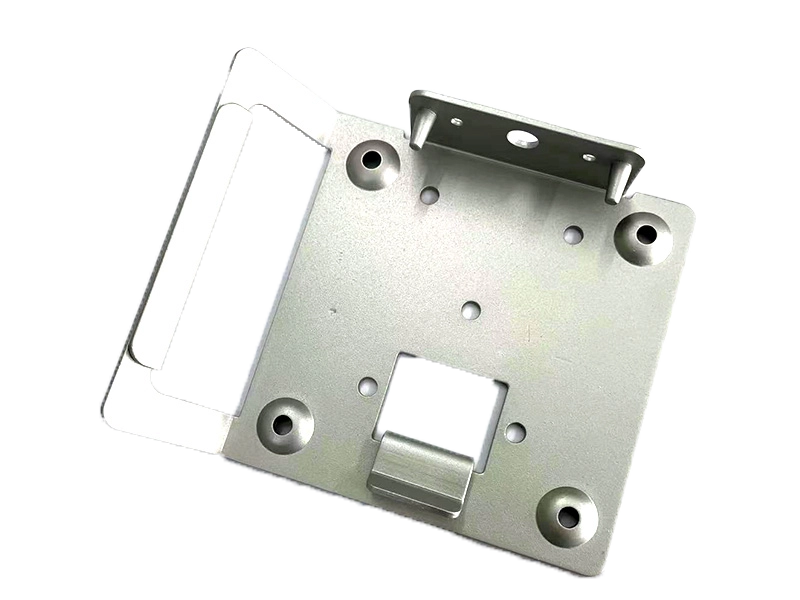
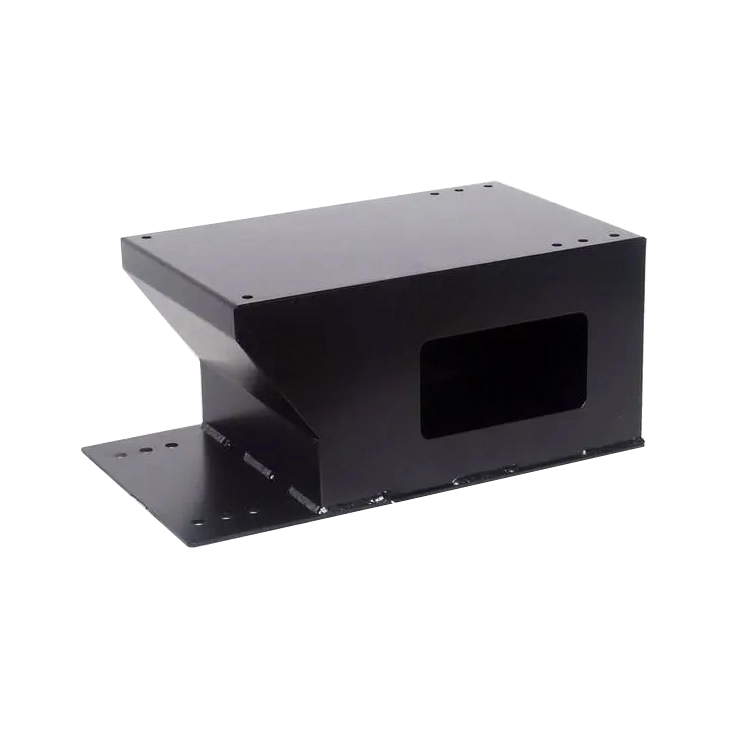
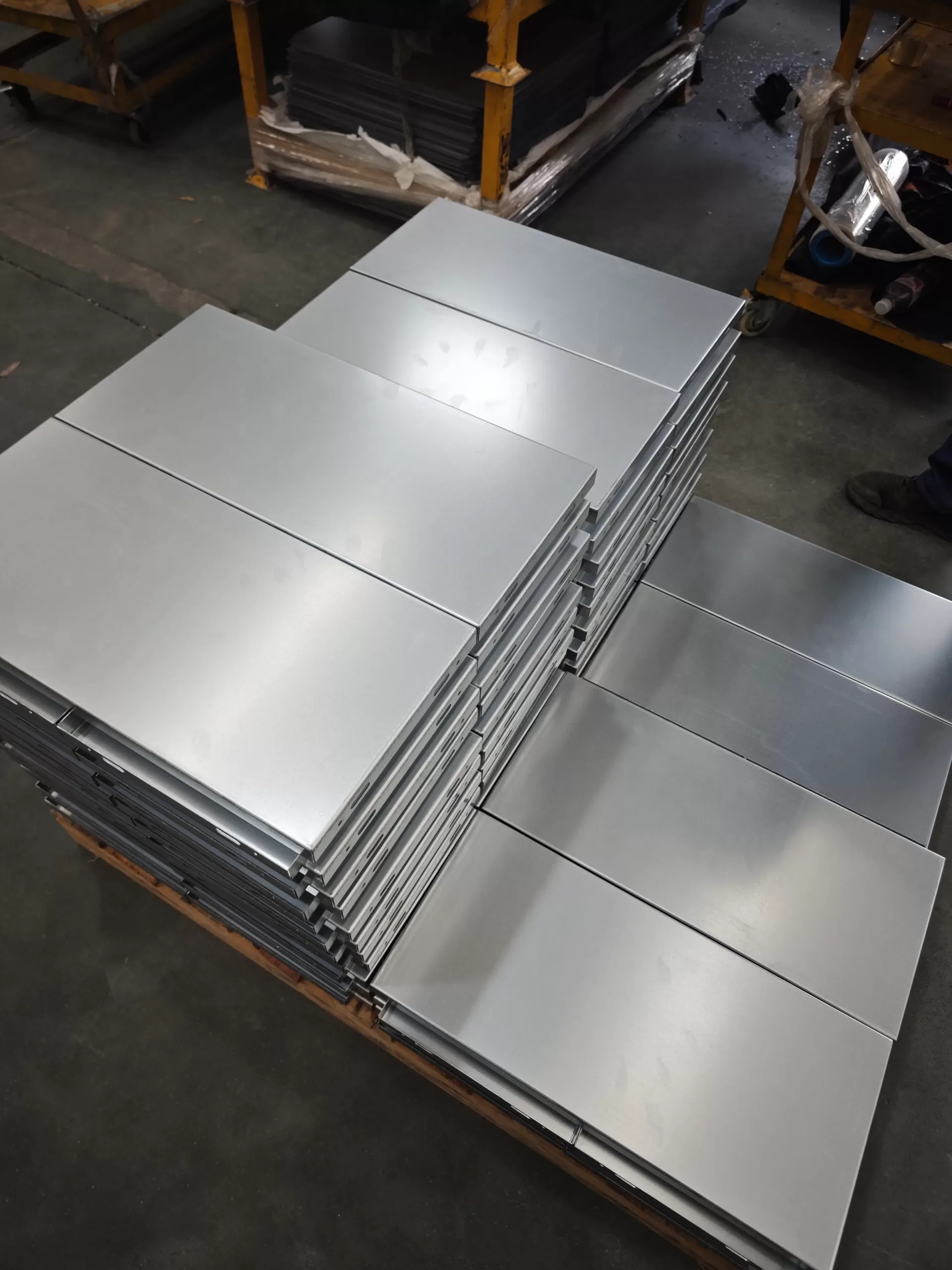
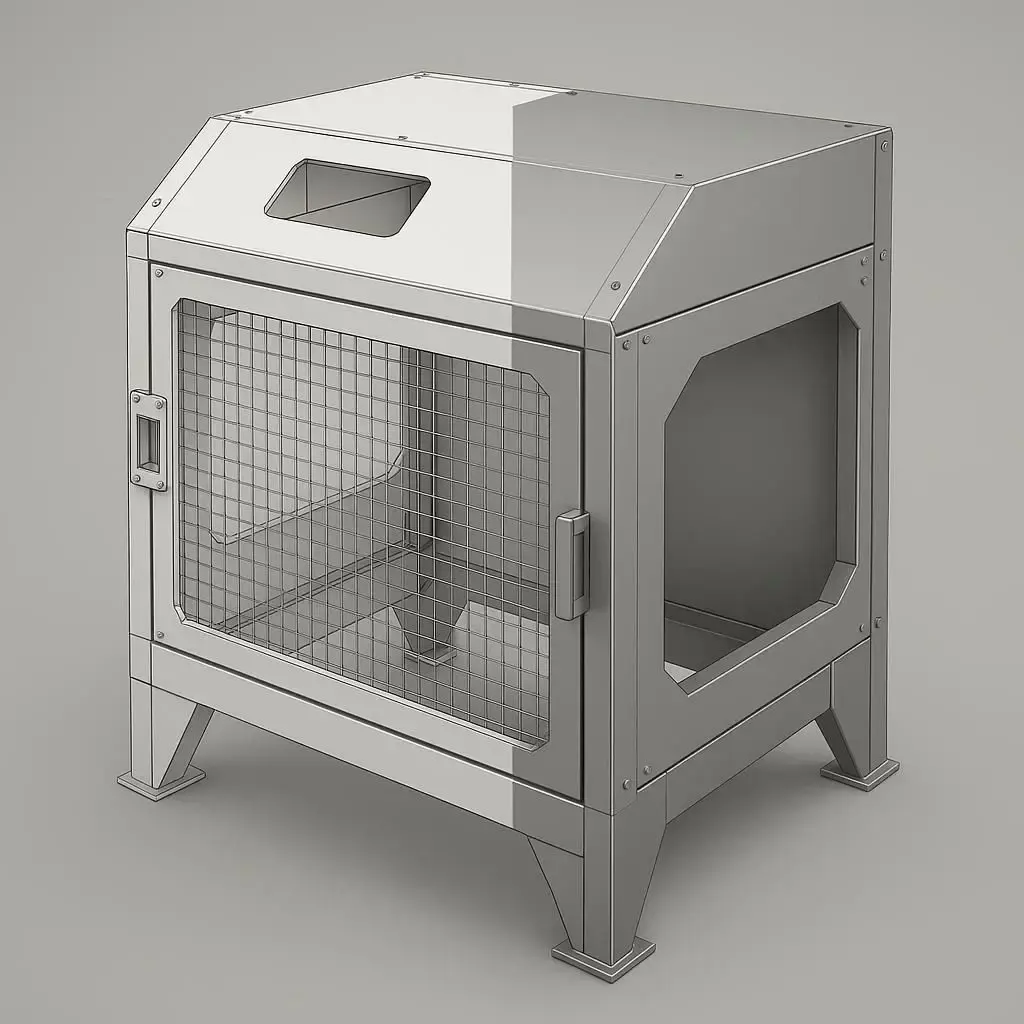
Phosphating is a good fit for sheet metal parts such as housings, enclosures, cabinets, panels, brackets, chassis/base plates, and formed/bent components. It’s also commonly applied to weldments, formed parts, and machined components—typically after all fabrication steps are complete (machining, forming, welding, etc.) so the conversion coating isn’t damaged by downstream processing. For functional applications, phosphating is used on gears and drivetrain parts (e.g., transmission gears, camshafts) to improve run-in wear behavior and reduce friction, as well as on bearing-related components such as bushings and parts associated with plain or rolling bearings. It’s also widely used for fasteners, threaded parts, and valve components. In forming operations, phosphating can be applied to preforms before deep drawing, wire drawing, tube drawing, or cold forming to reduce forming force, minimize die wear, and lower the risk of galling/cold welding.
For processing methods, rack phosphating is preferred for cosmetic parts, large components, or parts prone to handling damage; barrel phosphating is an efficient high-volume option for small hardware and fasteners; and basket phosphating is commonly used for loose parts or mixed small-to-medium components processed together.
Phosphating Process Flow
Metal Phosphating Process (Video Walkthrough)
Incoming inspection / masking → Degreasing → Rinse → (as required) derusting / oxide removal → Rinse → Surface conditioning / activation → Phosphate conversion coating → Multi-stage rinsing → DI water rinse → (optional) sealing / passivation → Drying → Proceed to powder coating, wet painting, or e-coat, or apply temporary rust protection and package (process and inspection records available upon request).
Are you ready to get started on your metal fabrication project?
Not sure which material is ideal for your project? Feel free to contact us.Our engineering team will recommend suitable material grades and sheet thicknesses based on strength, weight, corrosion resistance and overall cost.
Who We Serve
SR MFG | Phosphating Pretreatment Solutions
SR MFG provides phosphating pretreatment for high-volume coating programs. By forming a phosphate conversion layer on the metal surface, we create a stable foundation for powder coating, liquid paint, and e-coat—significantly improving coating adhesion and delivering more consistent corrosion performance.
We can tailor the process route by project, including iron phosphate, zinc phosphate, and manganese phosphate, and align with the requirements/qualification framework of ISO 9717 (including the 2024 edition). Our capability covers common substrates such as steel, aluminum, zinc, and their alloys.
On the delivery side, we support documented process control and inspection outputs (such as coating condition and key process window records) to simplify customer onboarding and production audits.
SR MFG Phosphated Metal Parts Gallery
Metal Phosphating FAQs
The rule of thumb is simple: choose based on your corrosion target, service environment, downstream coating system, and whether you prioritize lower cost/easier maintenance or maximum performance.
Iron phosphate (Fe phosphate) produces a relatively “light” conversion coating and is primarily used to improve coating adhesion. It’s a good fit for indoor parts or mild environments, especially when you want a shorter process and lower maintenance cost. Iron phosphate is often paired with a sealing step and/or a final rinse to improve overall performance.
Zinc phosphate (Zn phosphate) is typically used as a higher-performance base for durable, corrosion-resistant coating systems. The process is more complex (often including conditioning/activation steps) and is more sensitive to bath control and sludge management, but it’s commonly selected for outdoor exposure or harsher corrosive environments.
Manganese phosphate (Mn phosphate) is more often chosen for functional components—wear resistance, friction reduction, oil retention, anti-galling, and run-in performance—rather than purely as a paint base. Typical parts include gears, fasteners, and other sliding/contact interfaces.
The key isn’t a fixed number of hours—it’s getting the part coated before re-oxidation or contamination occurs.
In practice, many shops aim to complete phosphating → drying → powder/e-coat/paint within the same shift or the same day. In mild environments, “within 24 hours” is sometimes used as a practical guideline, but if visible flash rust appears, the part must be reworked and re-cleaned—passing is based on surface condition, not the clock.
To reduce flash rust risk: keep a proper dew point margin (a common guideline is keeping the part surface temperature at least ~3°C above the dew point), minimize waiting time by making rinse → dry → coat a continuous flow, and when overnight storage or shipping is unavoidable, use temporary corrosion protection + moisture-resistant packaging/desiccant + lot traceability, then confirm surface condition and cleanliness before coating.
Yes—galvanized and zinc-alloy-coated steels are commonly phosphated (often using zinc phosphate) as pretreatment for painting or powder coating.
Key controls that often determine whether you later see peeling or blistering include: removing organic contamination thoroughly (phosphating baths have limited cleaning ability, so degreasing is critical), avoiding overly aggressive alkaline cleaning that can attack or destabilize the zinc surface, controlling coating weight (too heavy can increase adhesion risk; excessive dwell time in production can push coating weight too high), and choosing the right surface activation path for powder coating on hot-dip galvanized parts—industry approaches may include light sweep blasting (without damaging the zinc layer), zinc phosphating, and/or controlled abrasion to build a reliable adhesion base.
Coating weight (mass per unit area) is commonly measured by weighing the part, stripping the phosphate film, then weighing again, and converting the mass loss by the treated area (often reported as mg/ft² or g/m²). Some standards also describe converting coating weight to an equivalent thickness using density assumptions.
Typical reference ranges (often used as practical baselines for paint adhesion) include: iron phosphate ~25–90 mg/ft² and zinc phosphate ~100–300 mg/ft².
On request, SR MFG can provide documentation such as phosphating lot records (bath temperature, time, key parameter checks, and corrective actions), coating weight test records, downstream performance results such as crosshatch adhesion (e.g., ASTM D3359), pull-off adhesion (e.g., ASTM D4541), and corrosion validation such as salt spray (e.g., ISO 9227). We also support traceability files linking incoming lots, in-process lots, inspection results, and shipped lots.
Yes. A post-phosphate sealer/final rinse is a common configuration. While chromate sealers were widely used historically, many industries have moved toward chrome-free alternatives due to tighter restrictions on hexavalent chromium.
From a compliance perspective, the approach is to prioritize chrome-free sealing/final rinse (or customer-approved equivalents) and tie chemical selection to your regulatory requirements (e.g., RoHS, REACH, ELV). For overseas programs, it’s also common to note that EU RoHS restricts certain substances including hexavalent chromium, and chrome-free options help simplify compliance and documentation.
Deliverables can include the chemical supplier’s SDS and compliance declarations, plus process records, and third-party testing when required by your specification.
Metal Phosphating Technical Resources
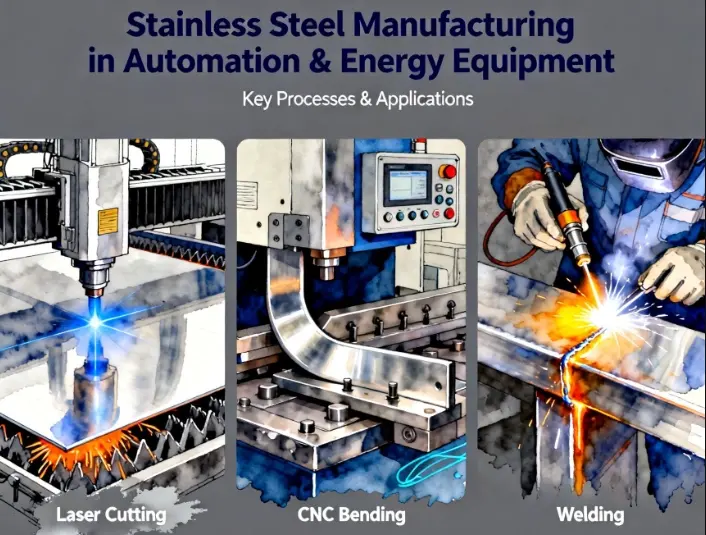
Stainless Steel Sheet Metal Fabrication Services for Automation and Energy Equipment
Tan161130.2025-11-05T07:25:22+00:00November 5, 2025|
Understanding Stainless Steel Sheet Metal Fabrication for Automation and Energy Equipment Stainless steel sheet metal fabrication integrates precision [...]
Hello world!
Tan161130.2025-10-16T02:19:56+00:00October 16, 2025|
Welcome to WordPress. This is your first post. Edit or delete it, then start writing!