Partner with Shuangrui to reduce manufacturing costs by 30% and boost efficiency.

Guangzhou Shuangrui Precision Manufacturing Co., Ltd.

Get An Instant Quote

Metal Passivation Services2026-01-08T08:08:52+00:00

Home -> Service -> Sheet Metal Finishing -> Passivation

Metal Passivation Services

SR MFG provides chrome-free passivation to remove free iron and machining contaminants from stainless steel and other metals, restoring and stabilizing the passive layer to deliver more consistent corrosion resistance and reduce the risk of pitting or tea staining. We can align to specifications such as ASTM A967 and AMS 2700 as required, and provide lot-level processing records, traceability, and supporting verification reports—such as salt spray or copper sulfate testing—based on project-defined criteria. We also offer a free sample evaluation and can propose a material- and process-specific plan within 48 hours; to confirm the route and quote quickly, please share the alloy/grade, current surface condition, service environment, and corrosion-resistance target.

Blank Form (#4)

What Is Passivation, and Why Do You Need It?

What is metal passivation?

Passivation is a chemical treatment commonly used on stainless steel and other corrosion-resistant alloys. Parts are processed in a passivation solution—often nitric acid or citric acid—to remove free iron, iron contamination, and machining residues, while helping the surface return to a more stable passive state (a chromium-rich oxide film). Importantly, passivation does not add a “coating” or “plated layer” to the surface.

The value of passivation is improved corrosion resistance and, just as importantly, more consistent corrosion performance. After passivation, the surface forms or restores a passive film typically only a few to several tens of nanometers thick. This film is uniform and chemically stable, which helps reduce rust and corrosion risk and extends service life. Passivation also usually does not noticeably change appearance—it’s primarily about removing contamination and stabilizing the surface.

Medical EquipmentConsumer Electronics

Why do metal parts need passivation?

Using stainless steel as an example:

many people assume stainless steel can’t rust, but that isn’t always true. During sheet metal fabrication, processes like laser cutting and welding, as well as cutting, grinding, handling, or contact with carbon-steel tools and dust, can leave free iron contamination on the surface or create oxide in the heat-affected zone. Over time, these conditions can lead to visible rust spots.

Stainless steel resists rust not because of its name, but because of its passive film—a protective oxide layer that acts like armor against air and moisture. If that “armor” is contaminated or degraded, stainless steel can still rust.

That’s where passivation comes in. By immersing stainless steel in a passivation solution, the process removes surface contaminants and free iron while promoting the re-formation of a more uniform, stable passive film—improving corrosion resistance consistency. If there is heavy weld heat tint or scale, pickling/oxide removal before passivation is often recommended for more reliable results.

Pros and Cons of Passivation

Advantages

  • 1

    Improves corrosion resistance—more consistent performance and a lower risk of pitting or rust staining.

  • 2

    Removes free iron/iron contamination and machining residues, leaving a cleaner surface (appearance usually changes very little).

  • 3

    Has minimal impact on dimensions and does not remove material the way deburring or polishing can—well suited for parts with critical mating features.

  • 4

    Helps extend service life, especially for parts used in humid or salt-exposure environments.

Limitations

  • 1

    Effectiveness varies by alloy and condition. Different stainless grades require the right passivation chemistry and parameters, and results should be confirmed by testing.

  • 2

    Passivation does not replace post-weld cleanup. Heavy heat tint/scale or defects from poor weld shielding typically require pickling/oxide removal before passivation.

  • 3

    Results are sensitive to pretreatment and process control. Inadequate cleaning or mismatched parameters can lead to inconsistent outcomes, so temperature, time, and chemistry must be set to the alloy and requirements.

Passivation vs. Pickling/Descaling

Passivation and pickling are both chemical treatments, but they solve different problems. Neither is effective at removing heavy oils or grease, so parts typically need degreasing/cleaning first before pickling or passivation.

Pickling / descaling is used to remove rust products, oxide scale, and weld heat tint (heat-affected discoloration). It works by chemically stripping the affected surface layer and usually removes a very thin amount of base metal. For stainless steel, pickling commonly uses nitric + hydrofluoric acid chemistries.

Passivation is primarily used to remove surface contamination and free iron (including carbon-steel contamination) and to promote the formation or restoration of a continuous, stable chromium-rich passive film on stainless steel. Unlike pickling, passivation typically does not remove the base metal and usually has minimal impact on appearance.

In practical terms, pickling is the more aggressive process and often results in a more noticeable surface change (such as a duller, matte look) because it removes the affected surface layer. Passivation is generally less aggressive and is aimed at cleaning the surface and stabilizing the passive condition; it is not typically used to remove heat tint or oxide scale—that’s usually pickling/descaling.

For reference, the passive film on stainless steel is nanometer-scale, typically about 1–5 nm thick (roughly 0.00000004–0.0000002 inches).

Passivation Process Options We Offer

Chemical passivation (immersion or spray)

Parts are treated in a passivation solution—commonly nitric-based, citric-based, or an equivalent chemistry—to remove free iron and surface contaminants and to promote the formation or restoration of a stable passive state, improving corrosion-resistance consistency.

Pickling/descaling + passivation (pickling & passivation)

When the surface shows oxide scale, weld heat tint, or corrosion products, we perform pickling/descaling first (removing an extremely thin surface layer and stripping oxides), then passivate to remove free iron and restore corrosion performance.

Electrochemical finishing + passivation (optional)

For higher requirements on cleanliness, roughness, cleanability, or cosmetic uniformity, electrochemical finishing (such as electropolishing, which removes a very thin surface layer and refines the micro-surface) can be applied, followed by passivation and the required verification.

Note: The specific process route—chemistry, parameters, and verification methods (e.g., salt spray, high-humidity exposure, copper sulfate testing, etc.)—is determined by the alloy, surface condition, service environment, and applicable standards.
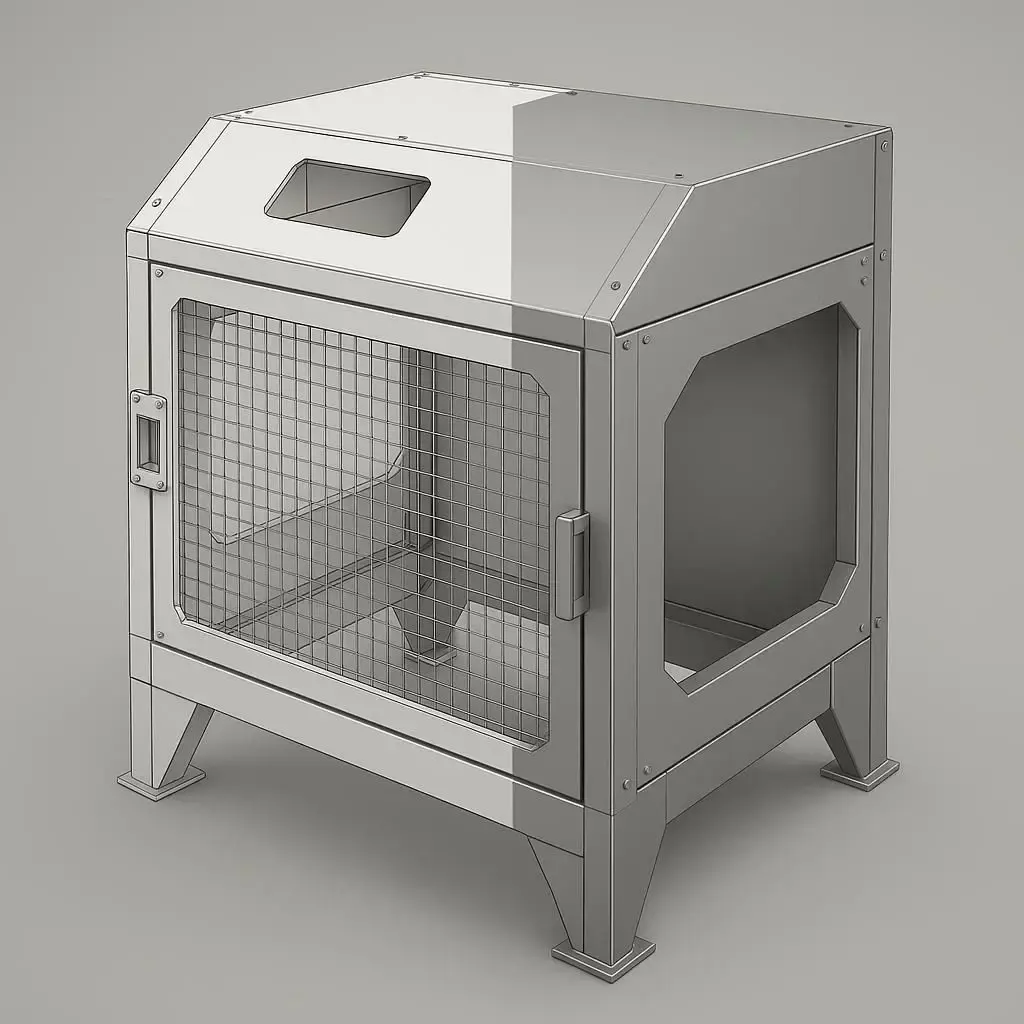
Which metals can be abrasive blasted?

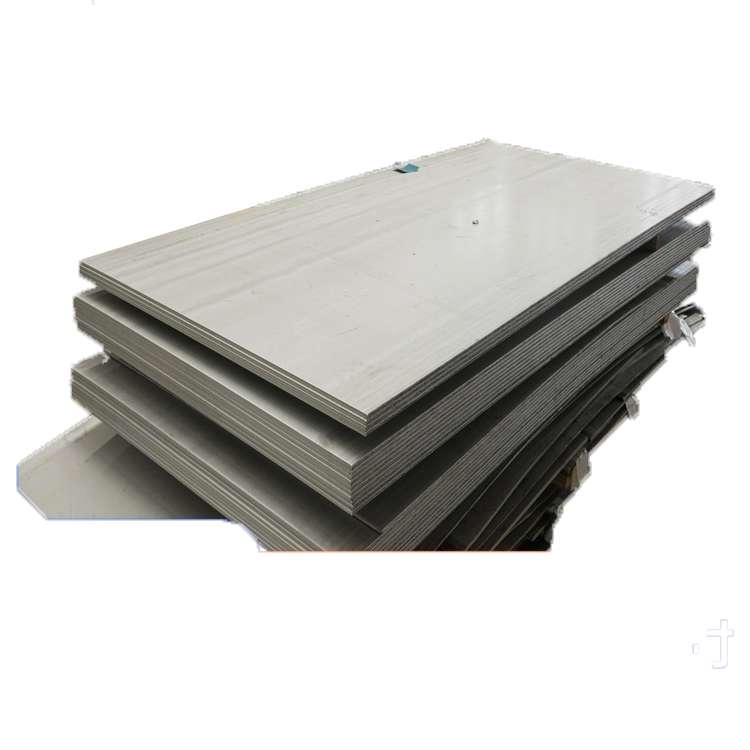
Stainless steel is one of the most common materials for passivation. Because it contains chromium (typically ≥10%), it can form a protective chromium-oxide film that helps isolate the metal from corrosive environments. Common grades such as 304 and 316 are widely used in medical, pharmaceutical, food processing, construction, and automotive applications. During fabrication—especially machining and welding—the surface can pick up free iron contamination, heat tint, or localized surface damage, making passivation important. Proper passivation improves corrosion-resistance consistency by removing free iron and contaminants and restoring a stable passive film. It typically causes little visible change in appearance and can help reduce risks such as staining and localized corrosion.

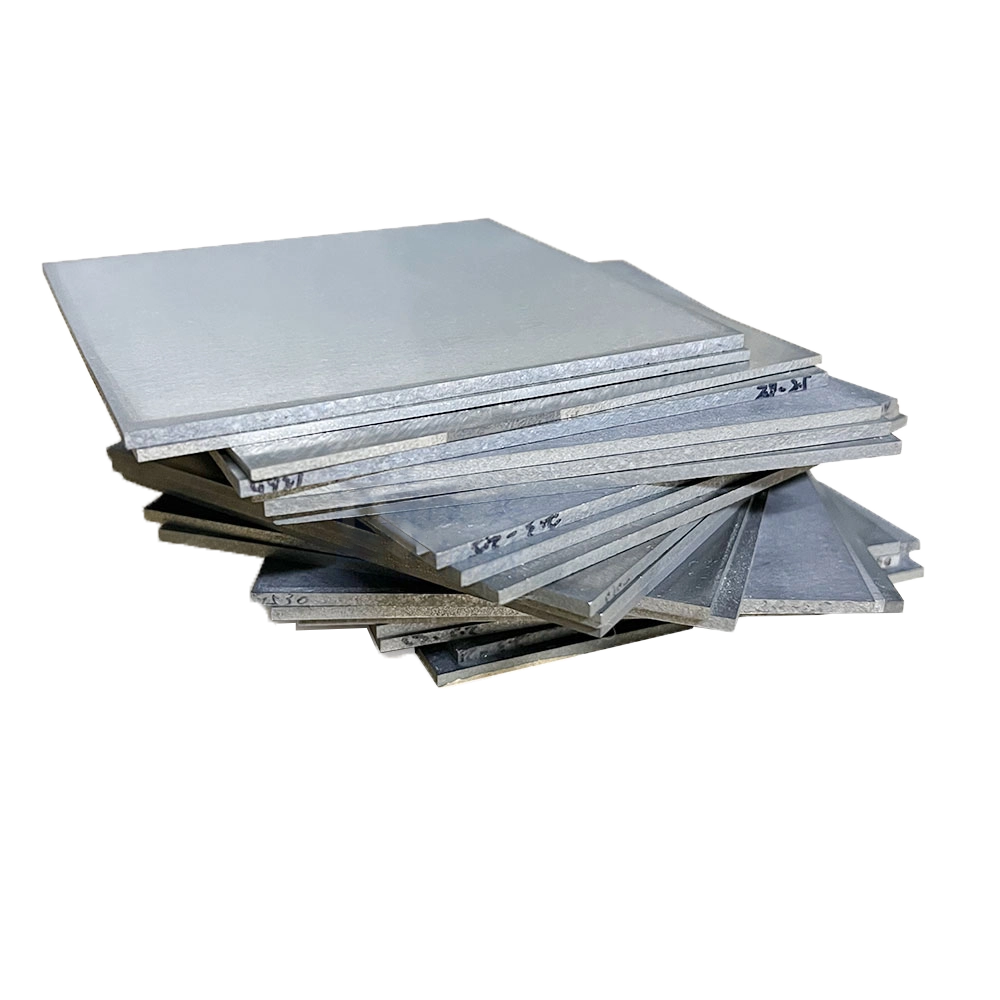
Aluminum alloys are widely used in aerospace, automotive, construction, and electronics due to their low weight, high strength, and good corrosion resistance. However, the surface can oxidize during manufacturing and service, which may affect appearance and performance. Passivation treatments can help form a more stable protective film and improve resistance to discoloration. Common approaches include chromate, phosphate-based, and increasingly chrome-free conversion/passivation systems as environmental requirements tighten.

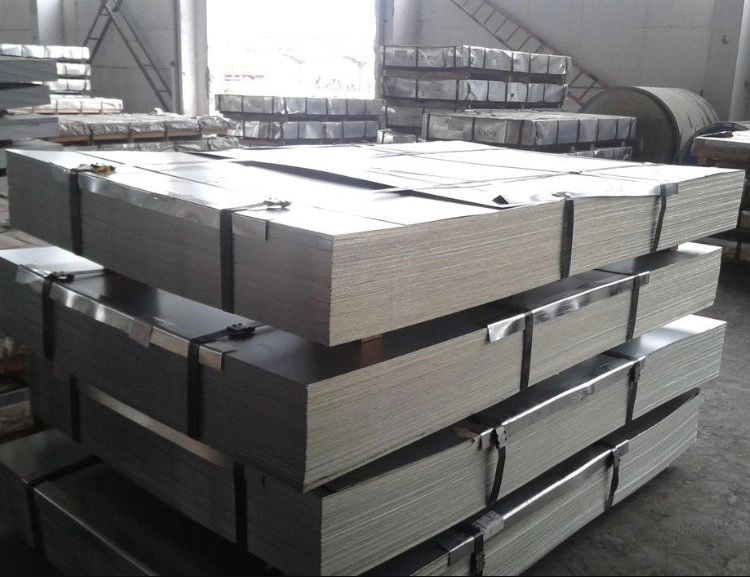
Galvanized steel is common in construction, automotive, and appliance applications. While the zinc layer provides strong corrosion protection, galvanized surfaces can still be affected by service conditions and may develop corrosion products over time. Passivation adds a thin protective film that further improves corrosion resistance by limiting moisture and oxygen access and helping protect the zinc coating from aggressive contaminants. Both chromate and chrome-free passivation systems are used, with chrome-free options becoming more prevalent in regulated supply chains.

Copper and its alloys are used broadly in electrical, electronic, architectural, and decorative applications because of their conductivity and corrosion resistance. In air, copper readily forms oxide films that can affect appearance and sometimes performance. Passivation can create a more protective surface film that reduces oxidation and tarnishing by limiting contact with oxygen, moisture, and corrosive species, while also improving surface uniformity. Common chemistries include chromate, phosphate-based, and chrome-free systems, depending on requirements.

Titanium alloys offer high strength-to-weight ratio, excellent corrosion resistance, and biocompatibility, and are widely used in aerospace, medical, and chemical-processing environments. Titanium naturally forms an oxide film, but in demanding conditions—high temperature, high humidity, or strongly corrosive media—additional treatments may be used to further improve stability. Methods such as anodizing or micro-arc oxidation can produce controlled oxide layers with enhanced performance.

Nickel alloys are widely used in chemical processing, petroleum, electronics, and aerospace due to their corrosion resistance, high-temperature strength, and oxidation resistance. In certain aggressive environments, additional surface conditioning may be needed. Passivation and related treatments can help form a uniform protective film and improve resistance to corrosion and oxidation; processes may include chemical passivation and, in some cases, electropolishing.

Beyond the materials above, passivation treatments can also be applied to other metals and alloys—such as zirconium, chromium, and molybdenum—where improved corrosion resistance and longer service life are required in specialized industrial applications.

Common Part Types Suitable for Passivation

Aerospace: Airframe components, engine parts, and aerospace fasteners.
Automotive: Body and chassis components, engine parts, exhaust system components, and automotive electronics parts.
Medical devices: Surgical instruments, implantable components, cardiovascular stents, hospital beds, wheelchairs, and medical equipment cabinets.

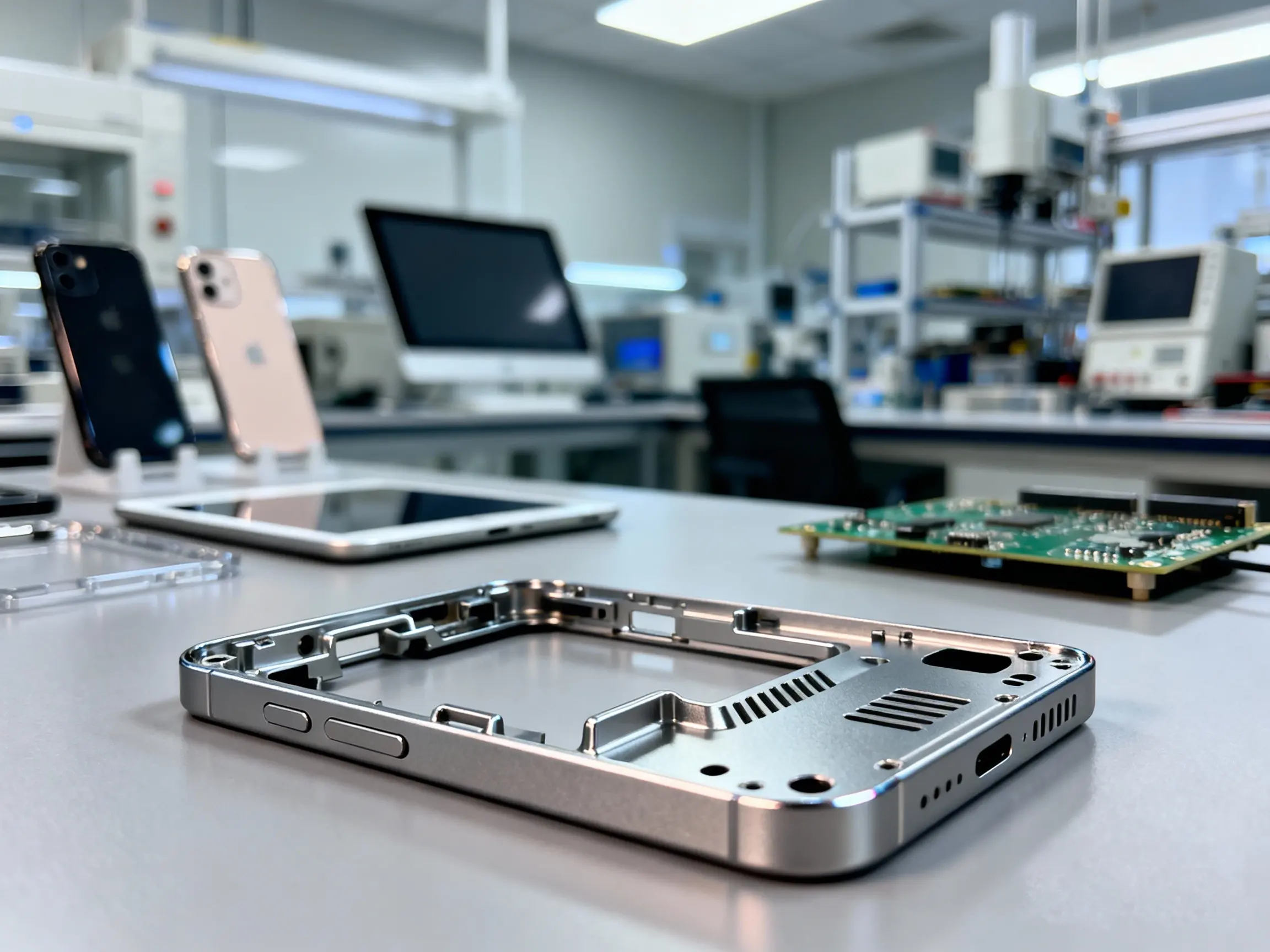
Electronics & electrical: Circuit boards, plugs, sockets, connectors, phone housings, computer enclosures, and TV housings.
Construction: Structural steel components, aluminum doors and windows, and stainless steel railings/guardrails.
Food processing: Mixers, filling machines, sterilizers, and stainless steel containers such as drums, basins, and bowls.
Hardware products: Door locks, hinges, and handles.

Passivation Process Flow

Metal Passivation Process (Video Walkthrough)

Incoming inspection → Pre-cleaning/degreasing → (as required) descaling/pickling → Passivation treatment → Multi-stage rinsing → Drying → Final visual inspection → Anti-contamination packaging (optional)

Are you ready to get started on your metal fabrication project?

Not sure which material is ideal for your project? Feel free to contact us.Our engineering team will recommend suitable material grades and sheet thicknesses based on strength, weight, corrosion resistance and overall cost.

Who We Serve

SR MFG | Industry Passivation Pretreatment Solutions

Passivation performance starts with pretreatment quality. SR MFG integrates critical upstream steps—degreasing, rust/oxide removal, and surface activation—to deliver a clean, stable substrate for reliable passivation. To address common issues such as uneven results, excessive residues, and low throughput, we offer an integrated solution combining environmentally responsible chemistries, automated equipment, and real-time process parameter monitoring. Our capability covers stainless steel, aluminum alloys, and copper alloys, and supports applications in automotive components, medical devices, and precision electronics. Through SR MFG’s supply-chain coordination, we can reduce chemical costs by 15% and increase processing efficiency by 30%.

Metal Passivation FAQs​​​​

Passivation is best at preventing rust-like spots caused by free iron or ferrous contamination on stainless steel—such as machining chips, carbon-steel dust, wire brushes, fixture contact, or cross-contamination during handling. ASTM A967 makes it clear that the intent of its requirements and tests is to verify passivation effectiveness, especially the removal of free iron and other extraneous matter. However, if the spots are driven by weld heat tint/oxide scale, heavy corrosion products, or already-formed pitting cavities, you typically need descaling/pickling or mechanical treatment first. Passivation alone may not remove those visible defects.

Pickling (descaling): Uses a more aggressive chemical process to remove oxide scale, weld heat tint, and affected surface layers—essentially “stripping” the damaged layer.
Passivation: Treats an already chemically clean stainless surface to remove free iron/contaminants and restore a stable passive film, improving corrosion-resistance consistency.

Typical cases where pickling should come first:

  • Pronounced weld heat tint

  • Oxide scale or burn marks

  • Stubborn oxides or embedded contamination

  • When the customer specification explicitly requires descaling/pickling

Yes, as required. ASTM A967 covers multiple passivation methods and provides lot-based verification test options. AMS 2700, commonly used for aerospace and other high-requirement programs, also specifies verification tests such as high-humidity exposure, immersion, copper sulfate, and salt spray.

Deliverables available (per customer requirement):

  • CoC (Certificate of Conformance): standard/spec followed, alloy/grade, lot number, quantity, processing date

  • Process records: process route, key parameter windows, inspection records (as required)

  • Test reports: high humidity, immersion, copper sulfate, salt spray, free-iron testing, etc. (per ASTM A967 / AMS 2700)

Weld heat tint is an oxide layer, so it typically requires descaling/pickling (or localized pickling, electropolishing, or mechanical treatment) before passivation to restore corrosion-resistance consistency. From an appearance standpoint, pickling/descaling often leaves the treated area more matte or more uniform, which can differ from a brushed or polished finish. That’s why it’s best to define an appearance class, acceptable color variation, and whether graying is acceptable during RFQ.

Start with your specified standard; if none is specified, select the verification method that best matches the risk and cost.

ASTM A967 lists common verification tests including immersion, high humidity, salt spray, and copper sulfate (and also covers ferroxyl/free-iron testing). AMS 2700 uses a similar set (immersion, high humidity, salt spray, copper sulfate).

Practical selection tips:

  • Worried about rust from iron contamination → copper sulfate and/or free-iron tests are the most direct

  • Worried about damp storage/transport exposure → high humidity or immersion is closer to the real scenario

  • Need a defined corrosion benchmark or downstream comparison → salt spray (confirm applicability by alloy and the governing standard)

Note: Many references on AMS 2700 also point out that these tests are primarily qualitative verification of cleanliness and a continuous passive condition—not a guarantee of unlimited corrosion life.

Focus on three essentials: fully dry the parts, avoid any contact with carbon steel/iron dust, and prevent re-contamination from skin oils and fingerprints. ASTM A380 also emphasizes process design to prevent solution entrapment, ensure effective cleaning and drainage, and require appropriate pre-cleaning.

Metal Passivation Technical Resources
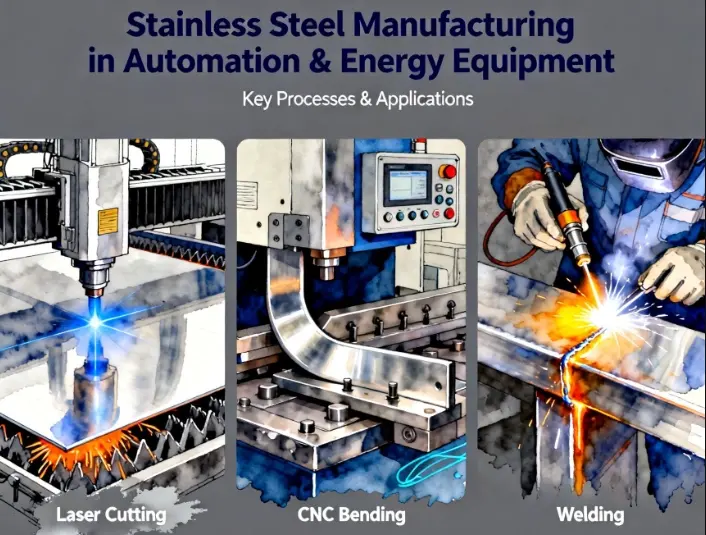
Stainless Steel Sheet Metal Fabrication Services for Automation and Energy Equipment

November 5, 2025|

Understanding Stainless Steel Sheet Metal Fabrication for Automation and Energy Equipment Stainless steel sheet metal fabrication integrates precision [...]

Hello world!

October 16, 2025|

Welcome to WordPress. This is your first post. Edit or delete it, then start writing!

Go to Top