Home ->
Metal E-Coating Services (E-Coat / ED Coating)
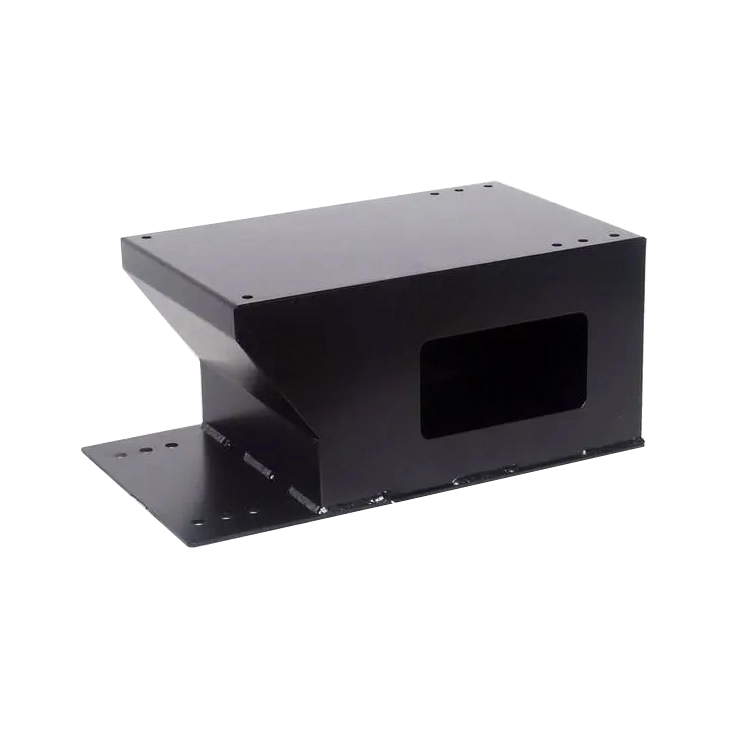
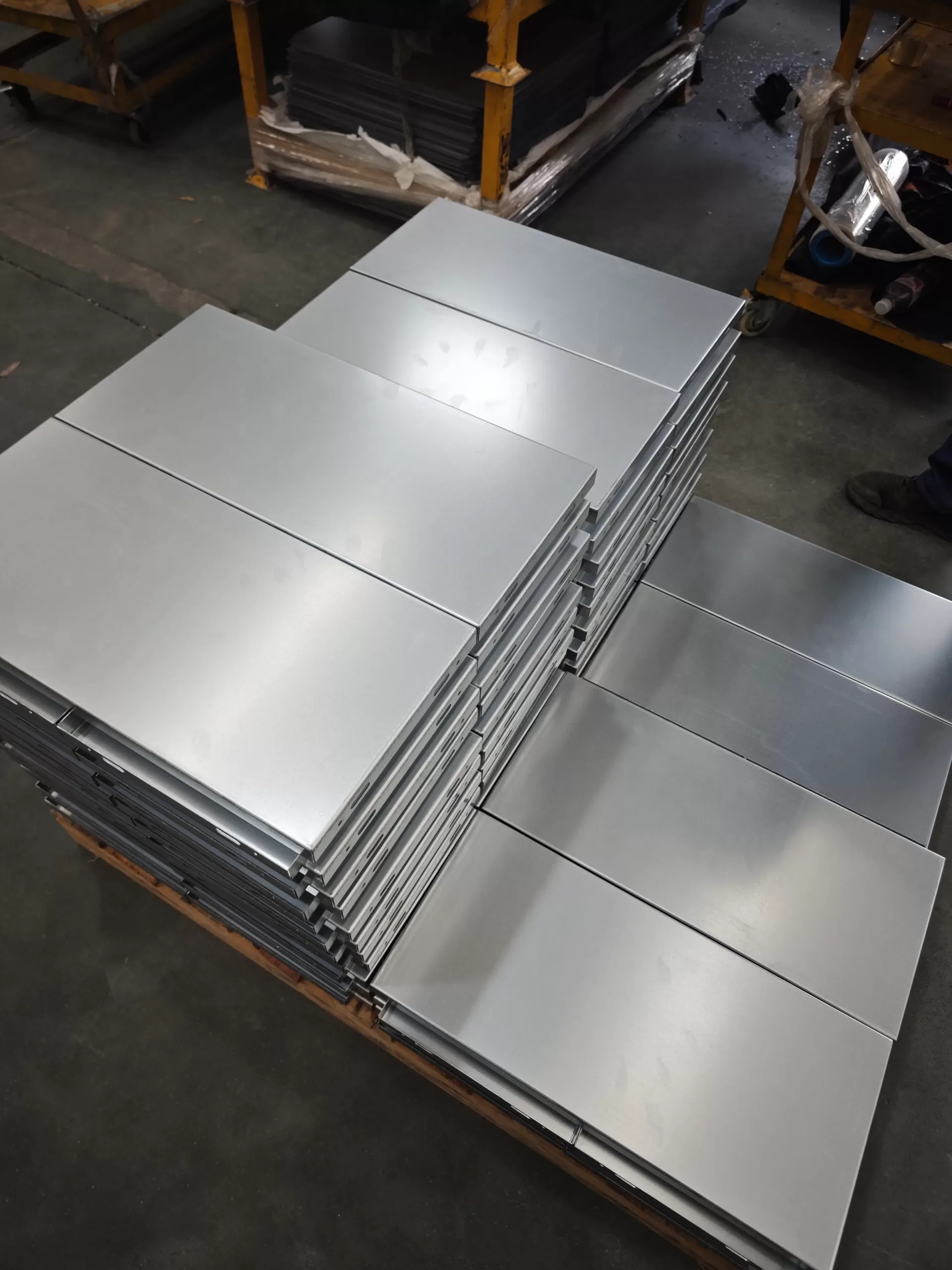
SR MFG provides a fully managed e-coat service. We act as your single point of contact—locking down the coating process and acceptance criteria, running incoming and final inspections, and delivering the required reports—so you can close the loop on purchasing and quality through one window. E-coat offers stronger coverage into cavities and internal corners on complex parts and delivers more uniform film build, with a typical thickness of about 12.5–30 μm (a project-specific window can be defined).
We can support film thickness, adhesion, and salt spray verification and documentation per ASTM B117 / ISO 9227. The salt spray method, exposure duration, and acceptance criteria can be defined to your specification or mutually agreed and written into the order and inspection standard.
E-Coating vs. Powder Coating vs. Wet Painting: How to Choose
E-Coating (E-coat)
E-coating uses a DC electric field to deposit water-based coating particles onto a conductive part, forming a thin, highly uniform primer layer with excellent coverage in recesses and complex geometries. Typical film thickness is 15–30 μm (the allowable range can be defined by the coating system and project requirements).
Advantages
- Very uniform film build
- Strong corrosion-protection foundation
- High transfer efficiency
- Well-suited for standardized, high-volume production
Limitations
- Colors are typically limited to primer shades such as black/gray (more of a “functional primer” than a decorative finish)
- Higher equipment investment and higher changeover cost
- Substrate must be electrically conductive
Powder Coating
Powder coating applies dry powder electrostatically to the part surface, then cures it into a durable coating. Typical thickness for most applications is 50–125 μm, balancing corrosion protection and appearance. Thicker builds are possible, but dimensional tolerance and appearance risk should be evaluated.
Advantages
- Solvent-free; typically very low VOC emissions
- Wide range of colors and textures
- Overspray can be reclaimed, enabling high material utilization (depending on the reclaim system)
Limitations
- Frequent color changes require more thorough line cleaning
- Tight control at very low film builds is more difficult
- Cure temperature and energy use must be evaluated against part heat tolerance
Metal Spray Painting (Wet Painting)
Wet painting atomizes liquid paint (water-based or solvent-based) through a spray gun to form a coating film. It offers flexible color matching and is well-suited for low-volume, high-mix programs.
Advantages
- Fast color changes
- Compatible with a wider range of substrates (including some non-metals)
- Easier for localized touch-ups and repairs
Limitations
- Transfer efficiency is often lower (traditional guns ~15–30%; HVLP can improve to 50%+), which typically increases material waste and VOC/compliance burden
- More prone to defects such as runs/sags and orange peel—requiring stronger process control
Practical Guidance
For high corrosion resistance, complex metal structures, standardized high-volume production, and strict environmental requirements, e-coating and powder coating are usually the better fit. For low-volume, high-mix programs, simple geometries, and frequent color changes, wet painting is often the most flexible option.
In fact, many sheet metal programs use a proven hybrid process to balance corrosion protection and appearance: “E-coat primer + powder topcoat.”
- E-coat primer: provides strong edge and cavity coverage and a robust corrosion base (salt spray can exceed 1,000 hours, depending on the full system and acceptance criteria).
- Powder topcoat: delivers wide color options plus a durable, scratch- and wear-resistant finish.
- Combined benefit: integrates the strengths of both processes for demanding applications—commonly used for EV battery enclosures and premium appliance housings, among others.
Sheet Metal E-Coating FAQs
E-Coating Technical Resources