Home ->
Metal Assembly Services
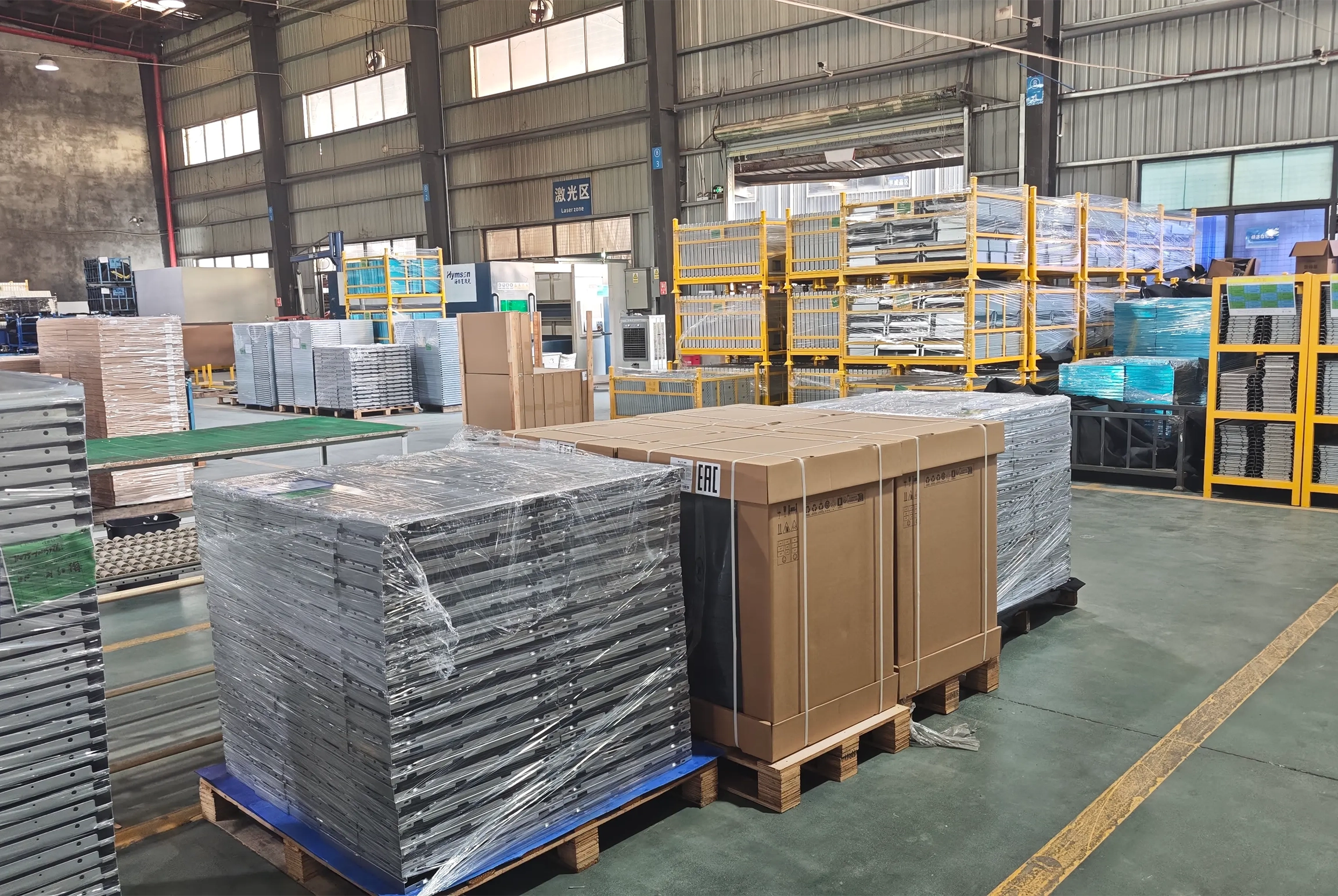
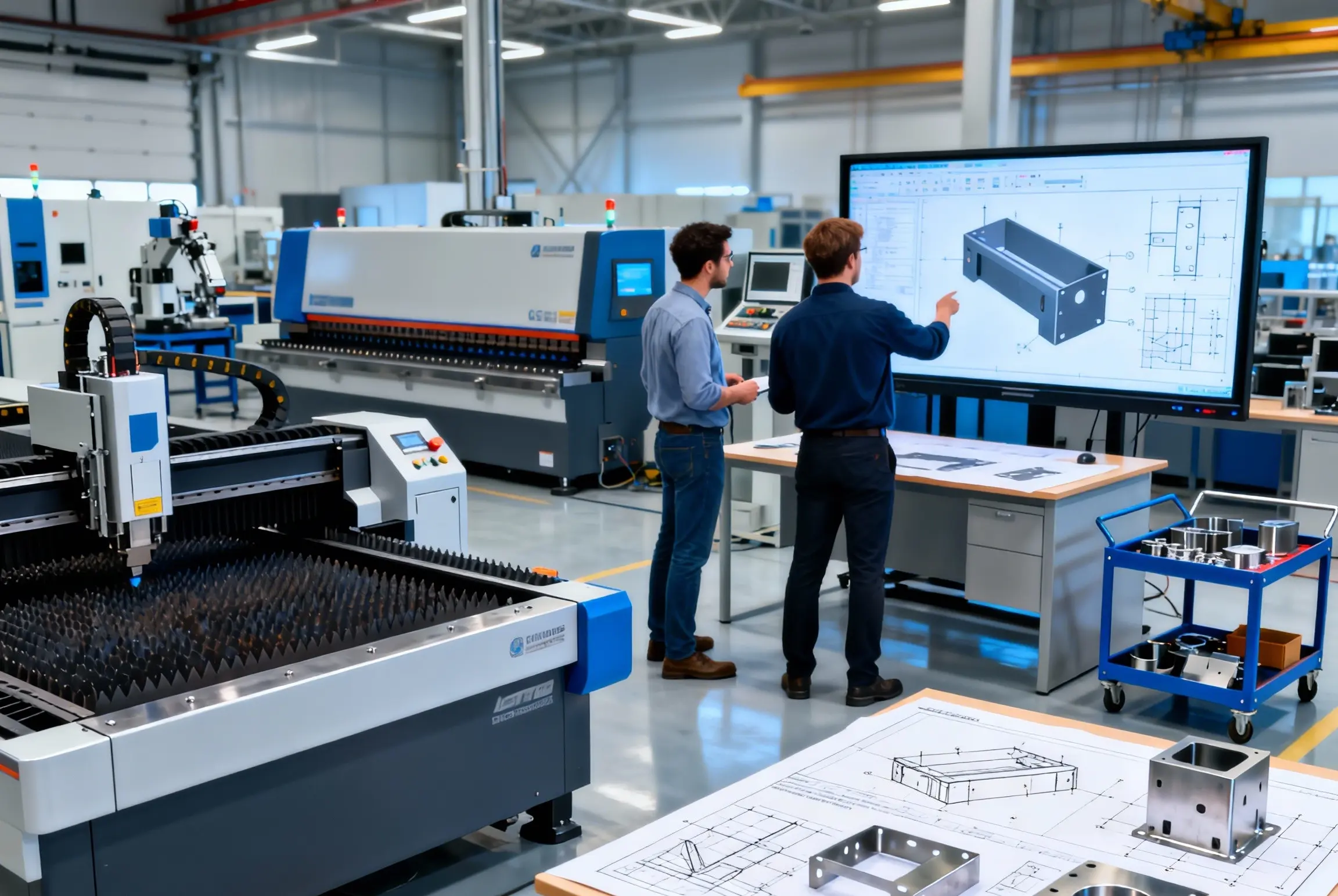
SR MFG provides end-to-end metal assembly services, covering purchased-part sourcing, inbound material handling, assembly, inspection and testing, and final packaging and shipment—all within a single, integrated workflow. By combining machining and assembly under one roof, we support everything from single-unit builds to full system assemblies, ensuring consistent assembly quality and controlled, reliable documentation. This approach reduces supply-chain coordination costs and minimizes quality risk.
Our capabilities include a range of joining and fastening methods such as welding, riveting, and bolted connections, serving applications across industrial enclosures and equipment, medical devices, outdoor products, and new energy components. With rigorous in-process inspections and final quality checks, SR MFG is committed to delivering assemblies that meet design specifications and functional requirements—helping customers shorten lead times, reduce labor costs, and strengthen their competitiveness in the market.
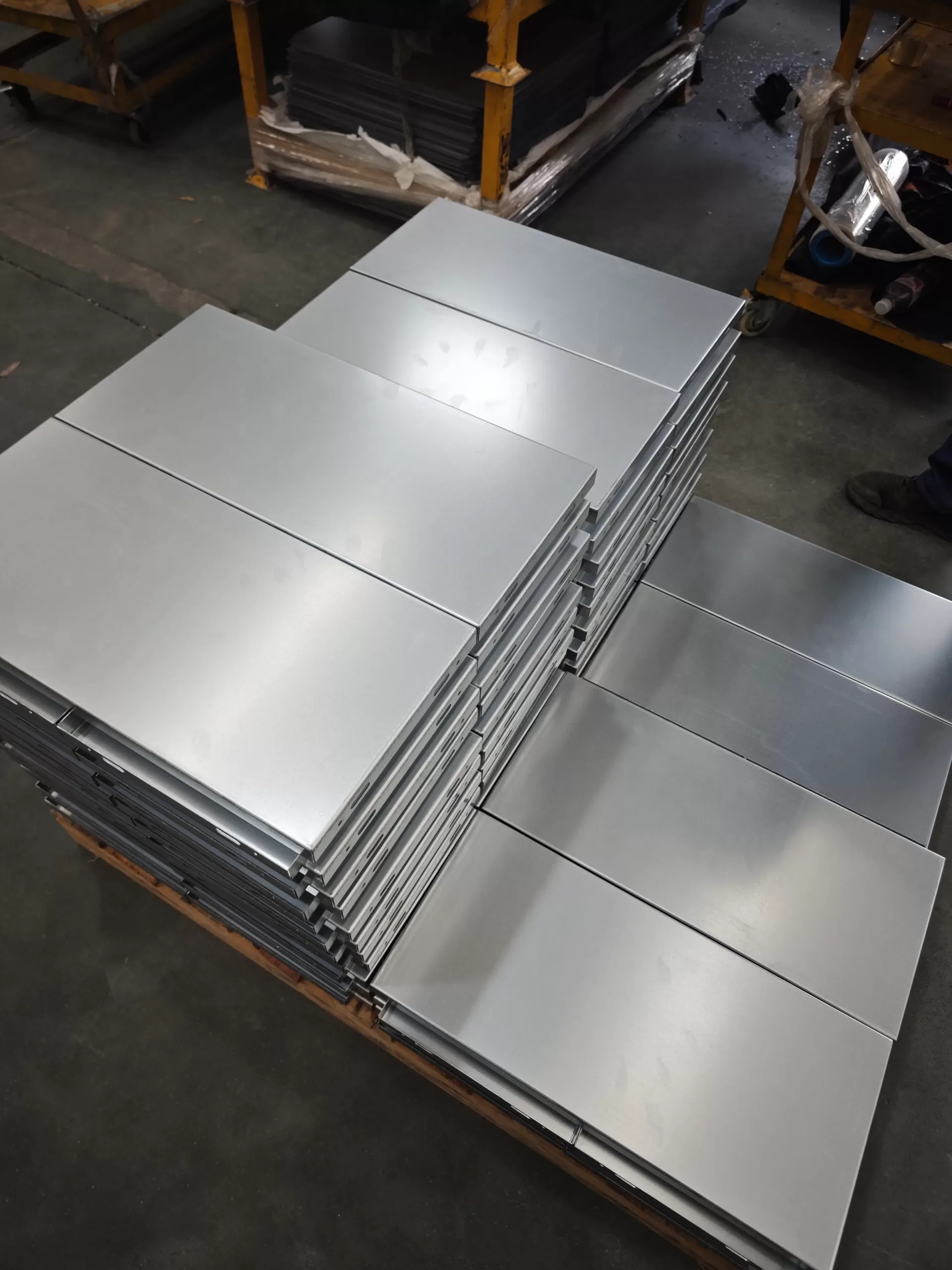
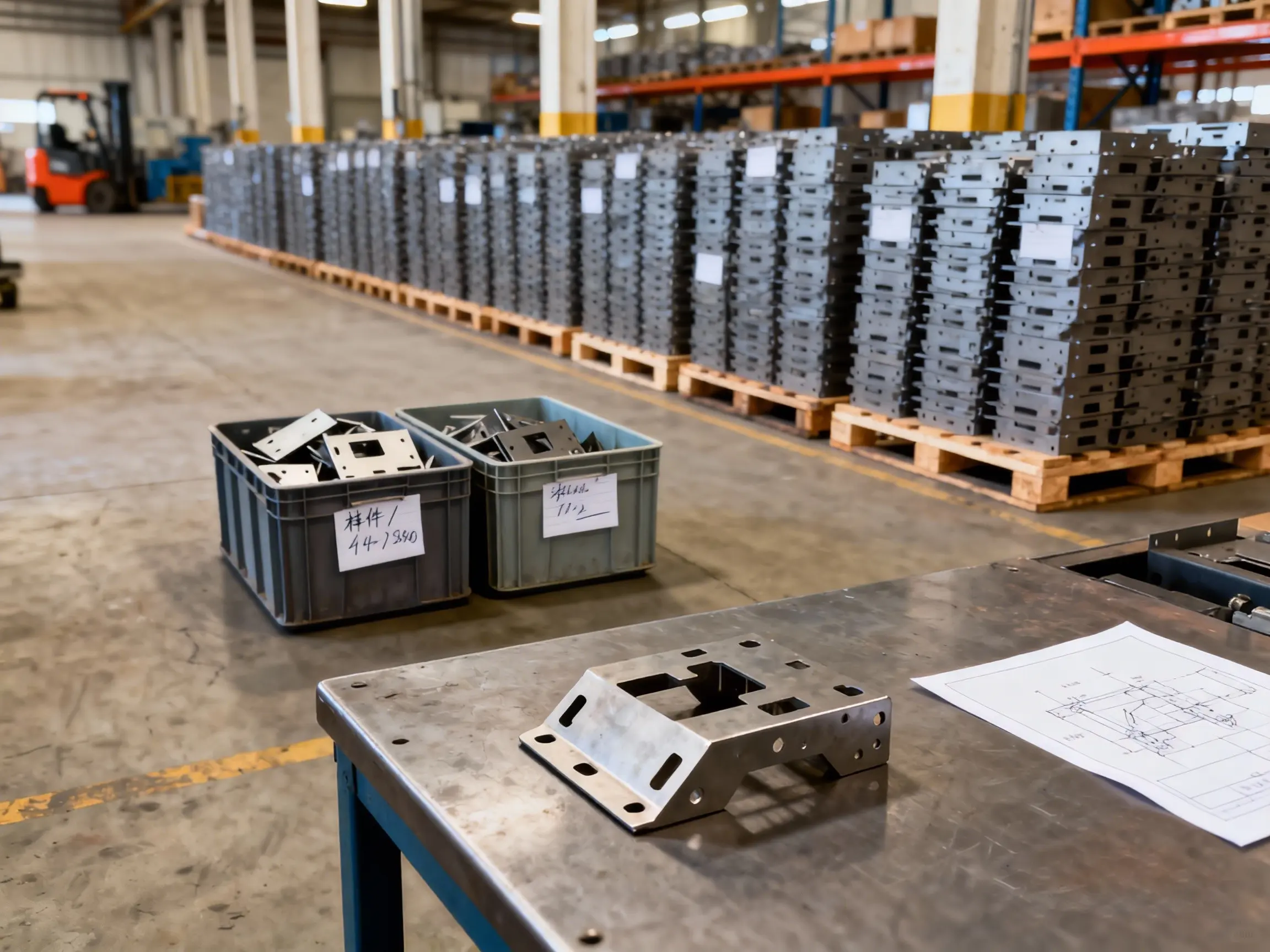
SR MFG Sheet-Metal Assembly Methods
Sheet-metal assembly is essentially taking parts made from thin metal sheets and building them into a complete product. The joining method you choose affects strength, assembly speed, cost, appearance, and how easy the product is to service later.
Mechanical Joining
Adhesive Bonding and Brazing
Welding
Specialty Joining Features
How to Choose the Right Sheet-Metal Joining Method
| Evaluation focus | Recommended method(s) | Plain-English rationale |
|---|---|---|
| High strength / primary load-bearing | Resistance spot welding, structural blind rivets (structural pop rivets), hemming/flanged seams | Stronger joints that can handle higher loads |
| Protecting finishes (avoid damaging paint/plating) | TOX®/clinching (cold-formed joints), adhesive bonding | Little to no heat input, so coatings stay intact |
| One-side access only (blind assembly) | Blind rivets (pop rivets), rivet nuts (adds internal threads) | You can assemble even when you can’t reach the backside |
| Needs to be removable for service | Screw fastening, snap-fits/clips (often for quick locating) | Easy to take apart for repairs, replacements, or module swaps |
| Tight space / low profile (minimal protrusion) | Hemming, clinching, (or SPR self-piercing riveting) | Often avoids bulky fasteners, keeping the joint compact |
| Thin sheet (< 1 mm) needs threads | Self-clinching nuts/studs, adhesive bonding (depending on design) | Thin sheet strips easily if tapped or self-tapped; clinch fasteners provide reliable threads |
| High-volume efficiency | Resistance spot welding, clinching, snap-fits/clips | Fast cycle times and easy to automate |
| Mixed materials / dissimilar materials | Adhesive bonding, blind rivets or screws (with isolation washers/spacers) | Better for metal-to-nonmetal or dissimilar metals—just manage corrosion and sealing properly |

Metal Assembly FAQs
Metal Assembly Technical Resources