Home ->
Sheet Metal Welding Services for OEM Programs
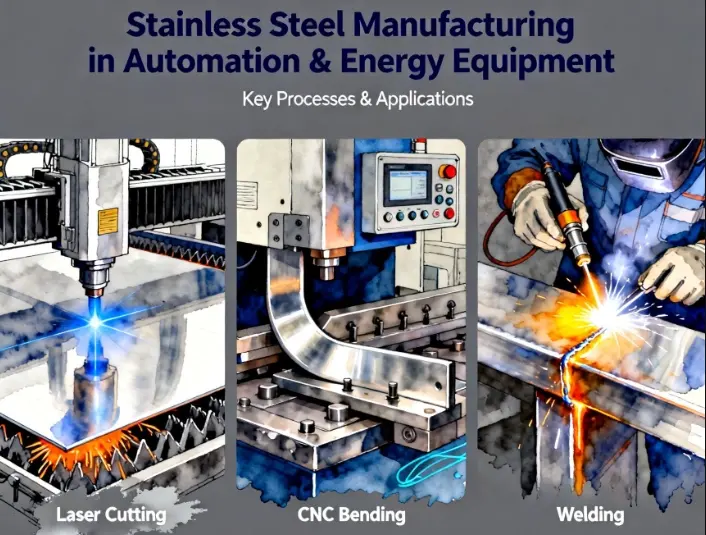
In sheet metal OEM projects, welded assemblies are often the key link that defines structural strength and assembly efficiency. At SR MFG, we combine robotic welding with skilled manual welding and run them under controlled, data-driven workflows to keep dimensions stable and distortion under control in mass production—reducing manual rework before final assembly.
Our welding operations are fully integrated into an in-house end-to-end flow, working in coordination with laser cutting, bending, surface finishing, and final assembly. This allows us to support a wide range of products, including automotive metal enclosures, battery housings, structural frames, and equipment cabinets, and to act as a long-term welding and sheet metal manufacturing partner rather than a one-off job shop.
SR MFG’s Precision Laser Cutting Capabilities
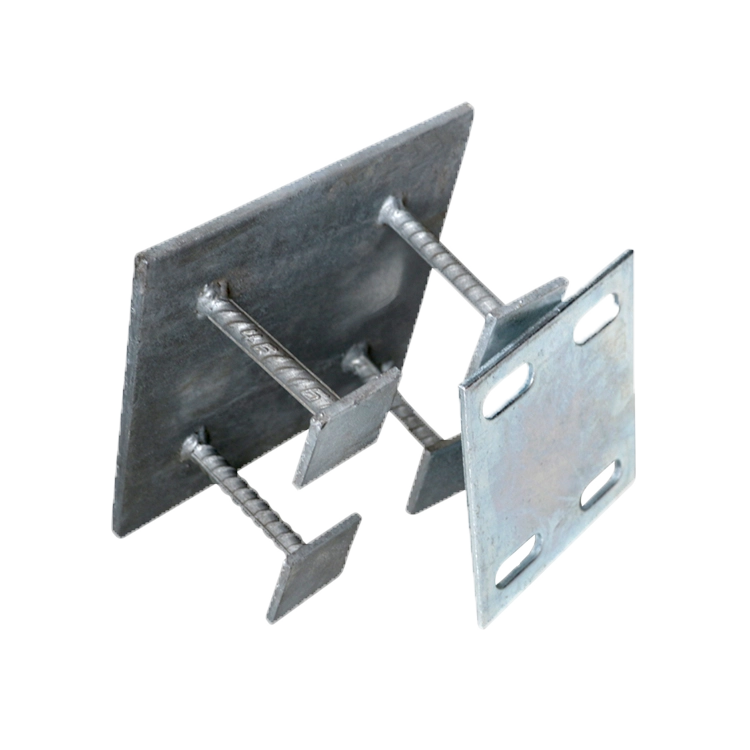
We use MIG, TIG, resistance welding, spot welding, and stud welding to assemble a wide range of small industrial components, selecting the most suitable welding method according to the specific assembly requirements. For structures that require hidden welds or a smooth, flat appearance, we provide stud welding and post-weld grinding/polishing so that parts meet both structural strength and the surface quality needed for subsequent coating and final assembly.
Select the right process based on assembly requirements
Reduce rework and avoid extra secondary processing
Our Welding Equipment & Capacity
Reliable sheet metal welding services depend on coordinated, end-to-end line integration and a controlled production cadence—not on the settings of a single welding machine. At SR MFG, we align laser cutting, bending/forming, robotic welding cells, and manual welding stations, then reinforce the workflow with standardized first-article approval and in-process inspection. This keeps weld dimensions, distortion, and seam quality within a predictable process window throughout high-volume production.

Sheet Metal Welding Capacity Baseline
Using a standard part sized 300 × 300 mm with three 100 mm weld seams as the reference, under a single-shift schedule and 60% equipment utilization, SR MFG leverages a combined setup of manual CO₂/MIG/TIG welding, resistance welding, platform laser welding, and robotic welding cells to achieve a monthly welding output of more than 60,000 standard parts.
For irregular geometries or thick-plate welding, we apply a 0.5–0.8 conversion factor and provide the corresponding capacity assessment during the quotation and production scheduling stages.
Welding Types
Reliable Custom Sheet Metal Welding Services
We have a team of experienced welders and a full range of welding machines and robotic welding systems. With extensive high-volume welding experience across multiple metal materials, we provide welding services for various sheet metal parts. Based on your drawings, we can recommend the most suitable sheet metal welding process for your design.

Sheet Metal Welding Tolerances and Standards
SR MFG references ISO 13920:2023 and combines it with internal process validation to apply graded control to welded parts, including dimensions, angles, form, and weld quality. For typical sheet metal structural components, automated welding can generally hold linear dimensions to about ±0.8 mm within a 1 m range and angles to about ±0.25°, while manual welding is typically around ±1.5 mm and ±0.5°. We can also provide more detailed weld tolerance and quality grade specifications based on project requirements.
Surface Finishing for Sheet Metal Weldments
Introduction:
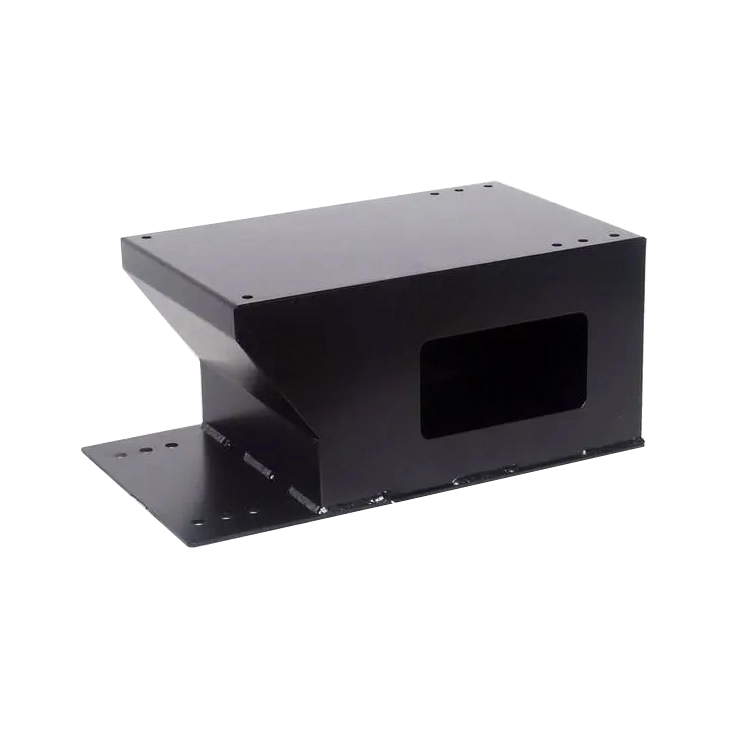
Powder coating is a process that uses powder spraying equipment (commonly known in the industry as an electrostatic powder coating machine) to apply powder coating material onto a metal surface.
Under the effect of static electricity, the powder particles are evenly adsorbed onto the metal surface, forming a dry powder layer. This layer is then baked at high temperature, where it melts, levels, and cures into the final coating with various finishes.
Applicable Materials: Cold-rolled steel, aluminum alloys.
Main Functions: Anti-rust, decorative appearance, wear resistance.
Advantages: Wide color range (full RAL color chart), strong adhesion (pencil hardness ≥ 2H), low VOC emissions (<30 g/L).
Disadvantages: Excessive coating thickness may affect the assembly of certain precision sheet metal parts.
Environmental Compliance: RoHS / REACH compliant.
Material Cost Level: ¥60–80/m² (approximately $8.5–11.5 per m²).
Industry Application Share: 35–40%.
Introduction:
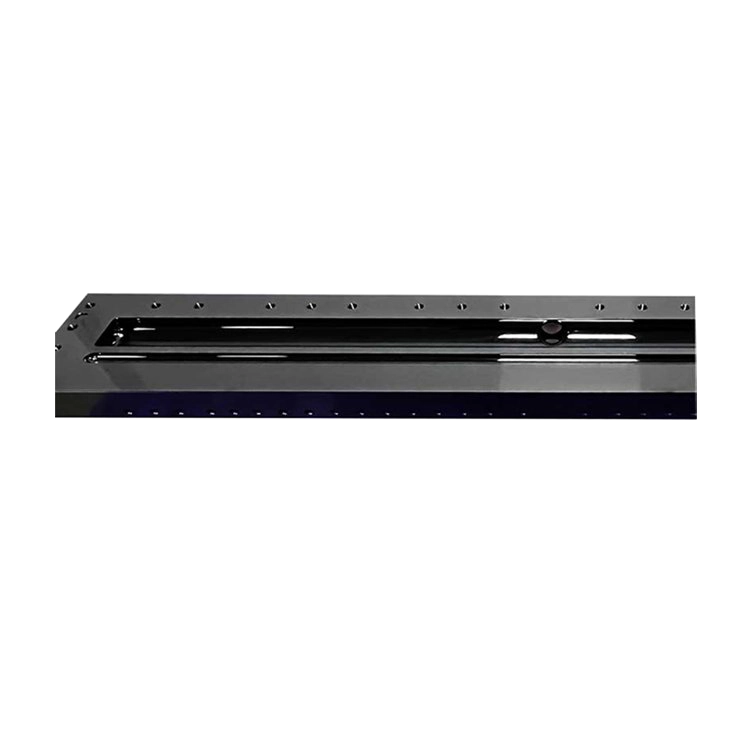
Electroplating is a process that uses electrolysis to deposit a thin layer of metal onto the surface of another metal.
This technique enhances the substrate’s corrosion resistance, wear resistance, electrical conductivity, reflectivity, and overall surface appearance.
Applicable Materials: Carbon steel, stainless steel.
Main Functions: Electrochemical corrosion protection, electrical conductivity.
Advantages: Zinc coating thickness 5–15 μm (salt spray test resistance: 200–500 hours).
Disadvantages: Some processes contain cyanide or hexavalent chromium; wastewater treatment costs are high.
Environmental Compliance: Certain processes do not comply with RoHS requirements.
Material Cost Level: Medium (¥120–180/m², approximately $16.8–25.7 per m²).
Industry Application Share: 35–40%.
Introduction:
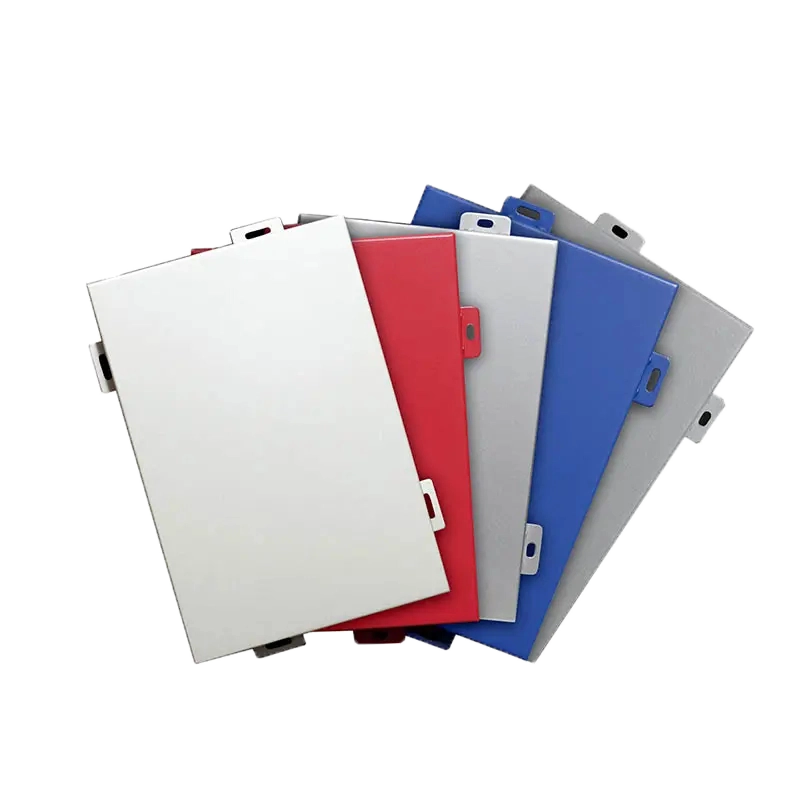
Anodizing is primarily used for aluminum and aluminum alloy materials.
Through an electrochemical process, a layer of aluminum oxide (Al₂O₃) film is formed on the surface of aluminum or its alloys.
This oxide layer provides the material with enhanced protection, decorative appearance, insulation, and wear resistance.
Applicable Materials: Aluminum alloys (6061 / 5052).
Main Functions: Wear resistance (HV300–500), electrical insulation, coloring capability.
Advantages: Film thickness 12–25 μm (AA-M12C standard); supports two-tone or gradient coloring.
Disadvantages: Applicable only to aluminum; poor sealing may cause uneven coloring.
Environmental Compliance: RoHS / REACH compliant.
Material Cost Level: Medium-high (¥150–220/m², approximately $21–30 per m²).
Industry Application Share: 10–15%.
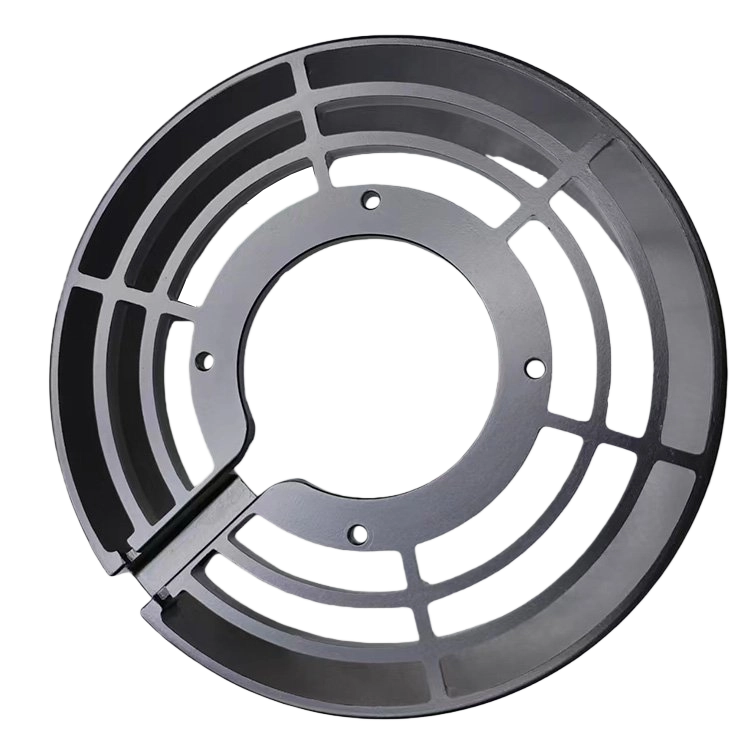
Introduction:
E-coating is suitable for materials such as stainless steel and aluminum alloys.
It allows the product to display various colors while maintaining the metallic gloss, while also enhancing surface performance and providing excellent corrosion resistance.
Applicable Applications: Automotive chassis parts, hardware components.
Main Functions: Uniform coating coverage on complex structures (film thickness inside cavities ≥15 μm).
Advantages: Excellent throwing power (100% cavity coverage), outstanding corrosion resistance (salt spray >1000 hours).
Disadvantages: High equipment investment required (electrophoretic tank + ultrafiltration system).
Environmental Compliance: Water-based coating, VOC < 50 g/L.
Material Cost Level: Medium (¥90–150/m², approximately $12–21 per m²).
Industry Application Share: 8–12%.
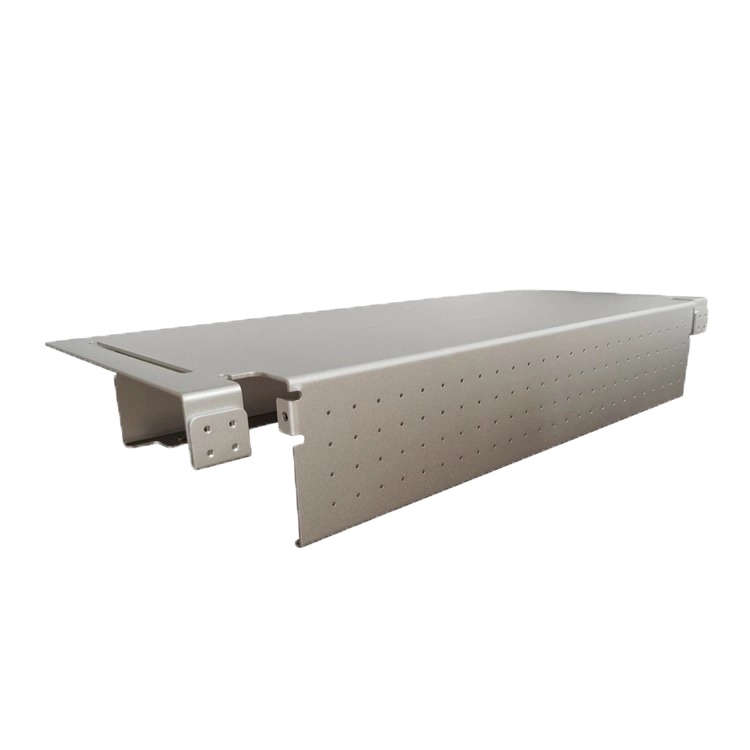
Introduction:
Mechanical brushing and sandblasting are surface finishing processes commonly used for stainless steel and aluminum alloy materials.
They create a decorative surface texture while maintaining the metallic appearance, and also improve the surface adhesion of subsequent coatings.
Applicable Materials: Stainless steel, aluminum sheets.
Main Functions: Decorative texture (straight or random grain), improved coating adhesion.
Advantages: Surface roughness fluctuation ≤0.2 μm (verified by laser confocal measurement).
Disadvantages: Requires subsequent rust-prevention treatment (e.g., passivation).
Environmental Compliance: Non-polluting.
Material Cost Level: Low (¥30–50/m², approximately $4.2–7 per m²).
Industry Application Share: 5–8%.
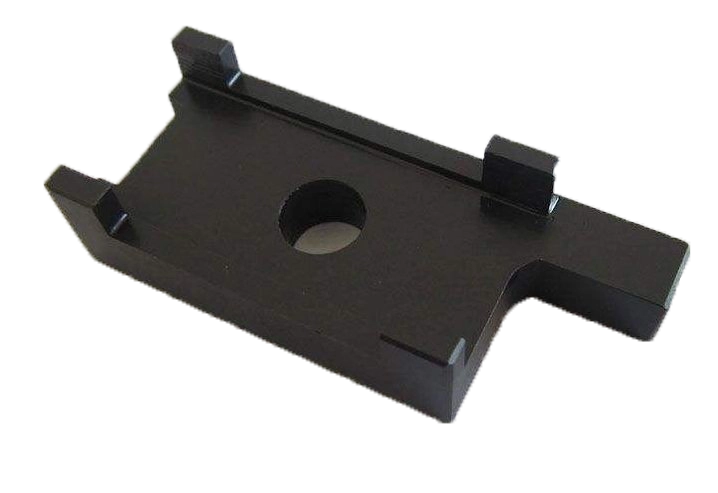
Introduction:
Phosphating is a surface treatment process that utilizes the chemical reaction of phosphates to form a protective phosphate film on the surface of metals.
This film enhances the corrosion resistance of the metal surface. The phosphate layer fills microscopic grooves on the metal, creating a smoother surface and forming inorganic salts such as zinc and calcium phosphates.
By adsorbing and inhibiting oxidation, the layer effectively provides anti-rust protection.
Applicable Materials: Steel, cast iron.
Main Functions: Improves coating adhesion and provides short-term corrosion protection.
Advantages: Very low cost, simple process.
Disadvantages: Weak corrosion resistance (standalone salt spray resistance < 50 hours).
Environmental Compliance: Poor (contains phosphates; wastewater treatment required).
Material Cost Level: Low (¥15–30/m², approximately $2–4 per m²).
Industry Application Share: Around 30%.
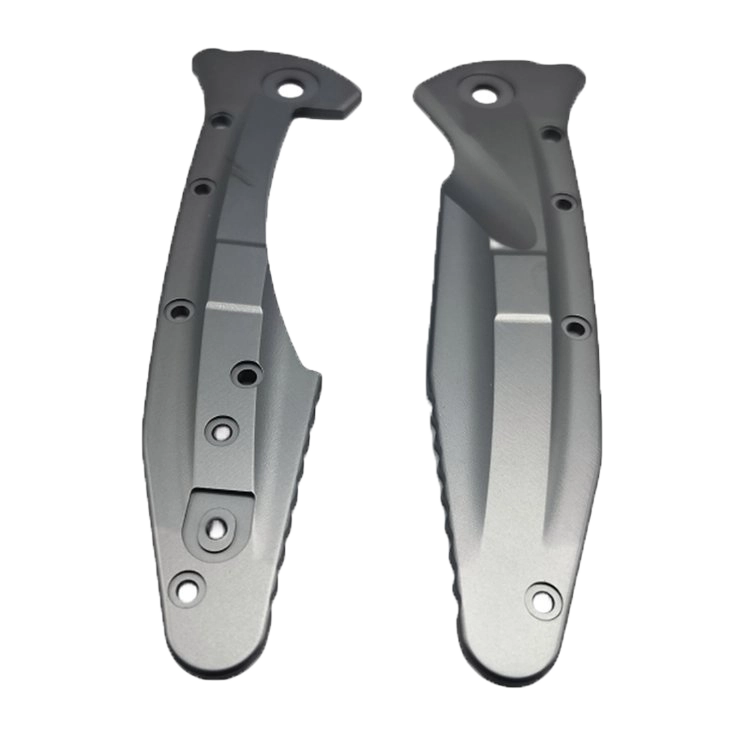
Introduction:
PVD coating uses physical vapor deposition technology to form a thin film at the atomic and molecular level, providing properties such as high-temperature resistance, low friction, and extended service life.
It produces micron-level coatings with no chemical pollution, making it an environmentally friendly metal surface treatment method — though it comes with relatively high cost.
Applicable Materials: High-speed steel, cemented carbide.
Main Functions: Wear resistance, friction reduction, decorative finish.
Advantages: Extremely high hardness (HV2000–3000), excellent heat resistance (up to 600 °C).
Disadvantages: High equipment investment (over ¥5 million), thin coating layer (<5 μm).
Environmental Compliance: Environmentally friendly (no harmful emissions).
Material Cost Level: High (¥300–800/m², approximately $42–112 per m²).
Industry Application Share: Less than 5%.
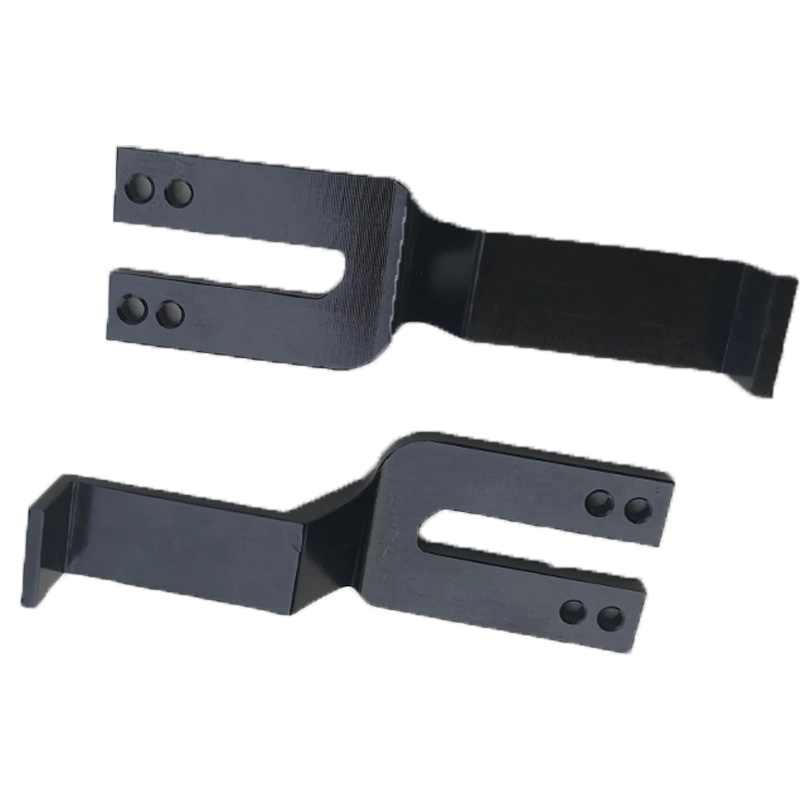
Introduction:
Micro-arc oxidation is an advanced version of conventional anodizing.
It uses arc discharge to intensify and activate the anodic reaction, forming a high-quality ceramic reinforcement layer on the surface of alloys such as aluminum, titanium, and magnesium.
The resulting coating provides excellent wear resistance, heat resistance, corrosion resistance, and electrical insulation.
Applicable Materials: Aluminum, magnesium, titanium alloys.
Main Functions: Superior corrosion resistance and wear resistance.
Advantages: Thick coating layer (50–200 μm), high hardness (HV1000–2000).
Disadvantages: Complex process, high cost, applicable only to light metals.
Environmental Compliance: Environmentally friendly (heavy-metal-free, water-based process).
Material Cost Level: High (¥300–800/m², approximately $42–112 per m²).
Industry Application Share: Less than 3%.
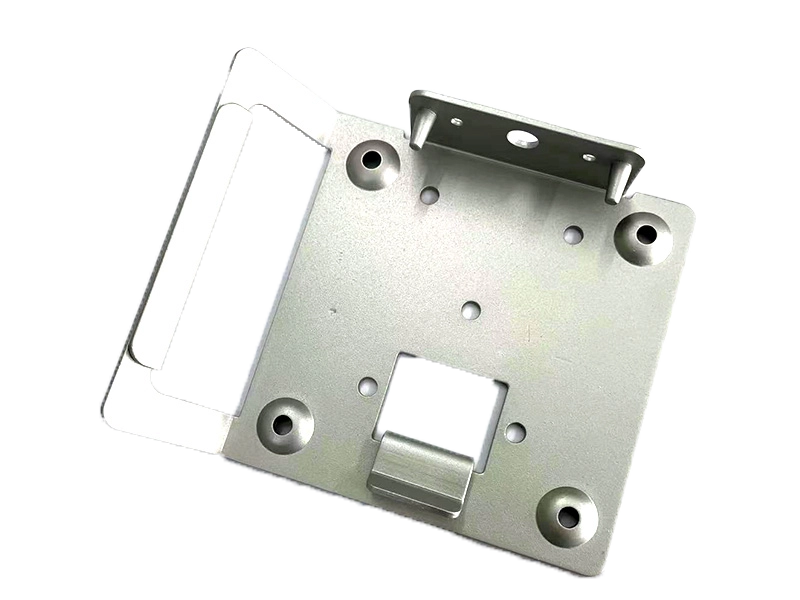
Introduction:
Dacromet is a new type of environmentally friendly metal surface coating technology that contains no toxic chemicals and provides excellent corrosion resistance, wear resistance, and fatigue resistance.
The process involves spraying a water-based coating solution containing metal ions such as aluminum, zinc, and chromium onto the surface of metal components.
After spraying, the parts are baked at high temperature to form a dense organic–inorganic composite coating layer.
Applicable Materials: Steel, cast iron.
Main Functions: Heavy-duty corrosion protection (as a replacement for zinc electroplating).
Advantages: Excellent salt spray resistance (up to 1000 hours), no hydrogen embrittlement risk.
Disadvantages: Long process cycle (>1 hour), limited color options (typically silver-gray).
Environmental Compliance: Environmentally friendly (chrome-free, RoHS compliant).
Material Cost Level: Medium-high (¥150–250/m², approximately $21–35 per m²).
Industry Application Share: Less than 8%.
Guide
The Complete Guide to Sheet Metal Welding
Welding quality depends not only on the welding equipment and the welder’s skill, but also on the coordinated interaction of design, process routing, fixtures, parameter control, and quality validation. This guide systematically reviews common design pitfalls in sheet metal welding, principles for process selection, tolerance and distortion control methods, and practical pathways to achieve stable production from prototyping through mass manufacturing—helping engineering teams mitigate rework risks early and establish repeatable welding solutions.
FAQs About Sheet Metal Welding
Sheet Metal Welding Technical Resources