Home ->
Sheet Metal Fabrication Services for OEMs
Upload your CAD → 7-day delivery → 98% first-pass yield
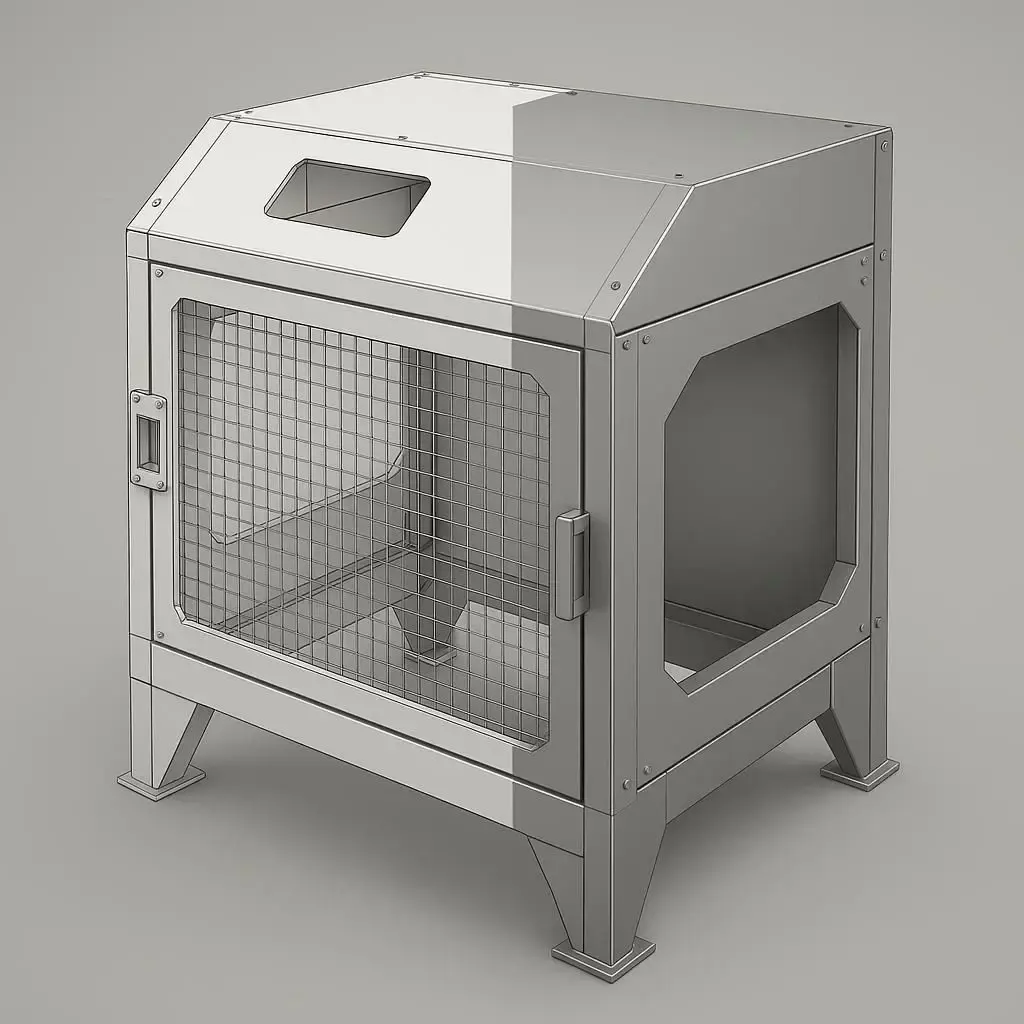
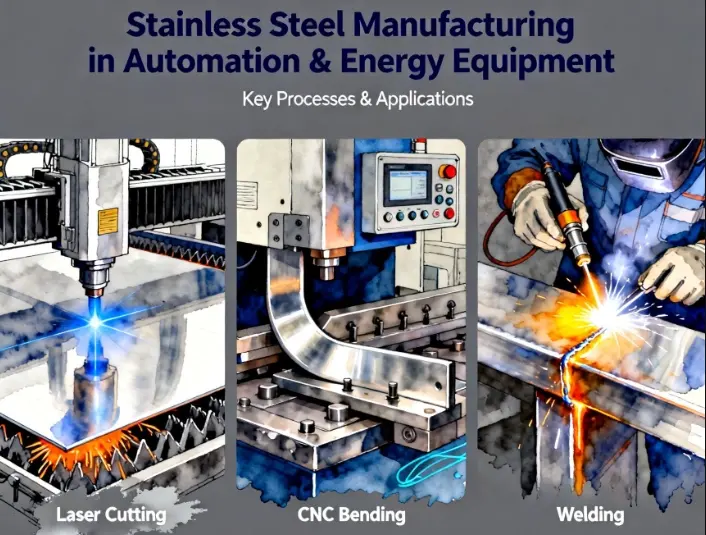
ISO 9001–certified sheet metal fabrication for complex enclosures, frames, and assemblies.Laser cutting, CNC bending, and welding are all run under a controlled quality system from prototype through batch production.
What Makes SR MFG Different
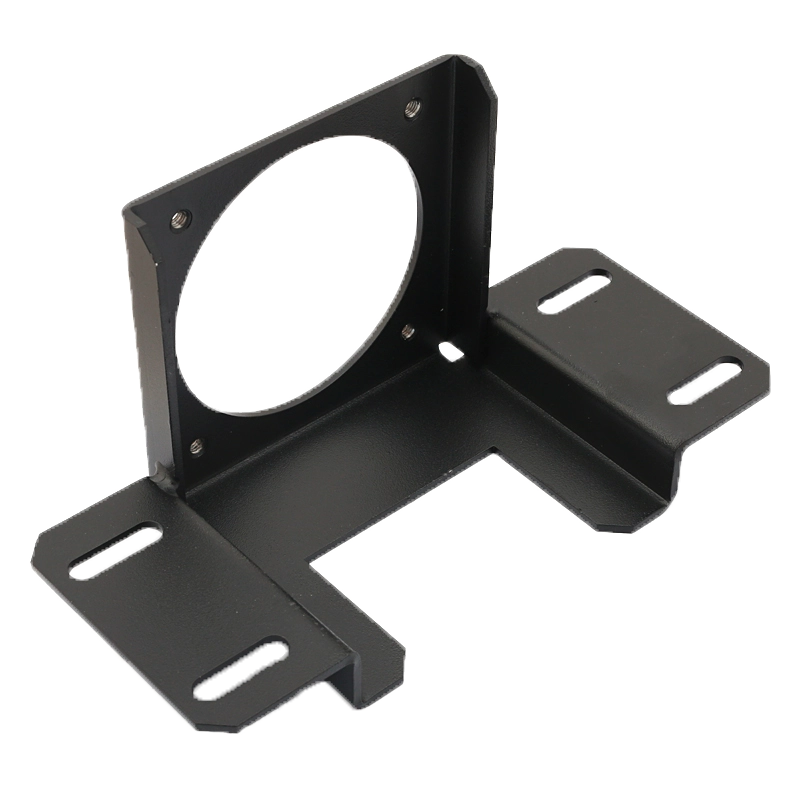
From prototype to mass production, SR MFG builds sheet metal programs that are deliverable, traceable, and repeatable for global OEMs.
1. Designed for Mass Production
mass production
We plan programs for scalable, stable output from the first prototype.
– Standard lead time for typical parts: 7 days
2. Full-Process Visibility and Tracking
Visibility and production tracking
You see what we see on the shop floor.
– Real-time photos, videos, and progress updates from material prep to final packing
3. Engineering Support for Design Optimization
Project design optimization support
We do more than “build to print.”
– In-house DFM to reduce welds, simplify structures, and improve yield and assembly efficiency
4. Verified Physical Factory
Welcome to on-site factory inspection
You can audit us online or on-site at any time.
– Live video / on-site factory audits
– Direct manufacturer (no subcontracting) with fully traceable production and QC
5. Consistent and Reliable Delivery Performance
Reliable delivery
Quality and delivery are backed by real factory data.
– Product yield rate at shipment: ≥98%
– On-time delivery rate: 98.7% (SR MFG factory 2024)
– Quality system certified to ISO 9001 and IATF 16949
What Is Sheet Metal Fabrication?
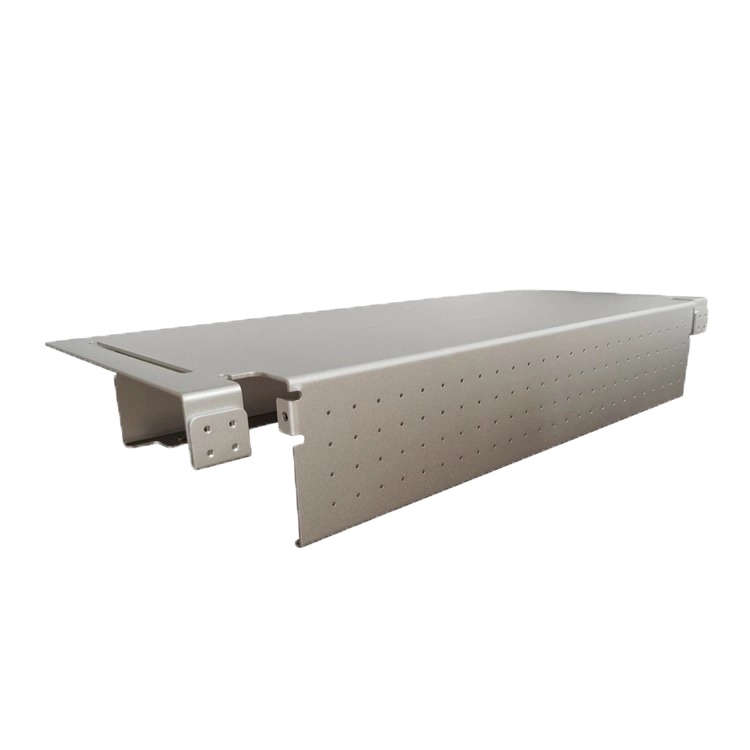
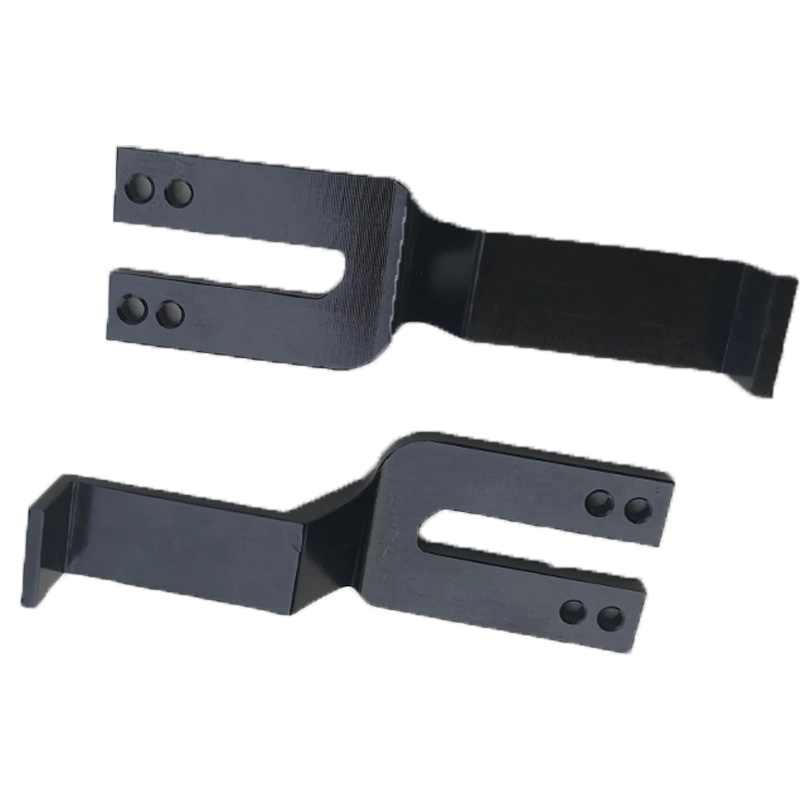
Sheet metal fabrication is the process of cutting, forming, and assembling flat metal sheets into functional components and enclosures for OEM products.
In OEM manufacturing, the primary goal is to deliver assembly-ready sheet metal parts that fit directly into the customer’s line.
Typical sheet thickness
Most sheet metal parts use uniform thickness up to 6.0 mm, with common ranges of 0.3–3.0 mm for OEM enclosures, brackets, and frames.
Common sheet metal materials
– Carbon steel: cold-rolled, hot-rolled, galvanized
– Stainless steel: 304, 316, 201
– Aluminium alloys: 5052, 6061, 7075
– Other: copper and aluminium sheet for conductive or lightweight parts
In sheet metal manufacturing, “fabrication” refers to producing metal components through cutting, bending, welding, and assembly.
From Flat Sheet to Assembly-Ready Parts
Primary goal: assembly-ready sheet metal parts that fit directly into the customer’s line.
1.Material preparation & laser cutting
- Input: certified coils / sheets
- Output: dimensionally accurate blanks for forming
- Tolerance: critical dims ±0.10 mm; burr ≤0.05 mm
2.Bending or stamping
- Input: laser-cut blanks
- Output: formed parts ready for joining
- Tolerance: bend angle ±0.5°; position ±0.20 mm
3.Welding and assembly
- Input: formed parts and hardware
- Output: rigid, sealed, or load-bearing assemblies
- Tolerance: key interfaces within ±0.30 mm
4.Surface finishing
- Input: welded or assembled parts
- Output: corrosion-resistant, visually consistent surfaces
- Tolerance: coating 60–80 μm, per spec
5.Final quality inspection
- Input: finished coated components
- Output: approved, assembly-ready parts with records
- Metric: ≥98% first-pass acceptance on repeat batches
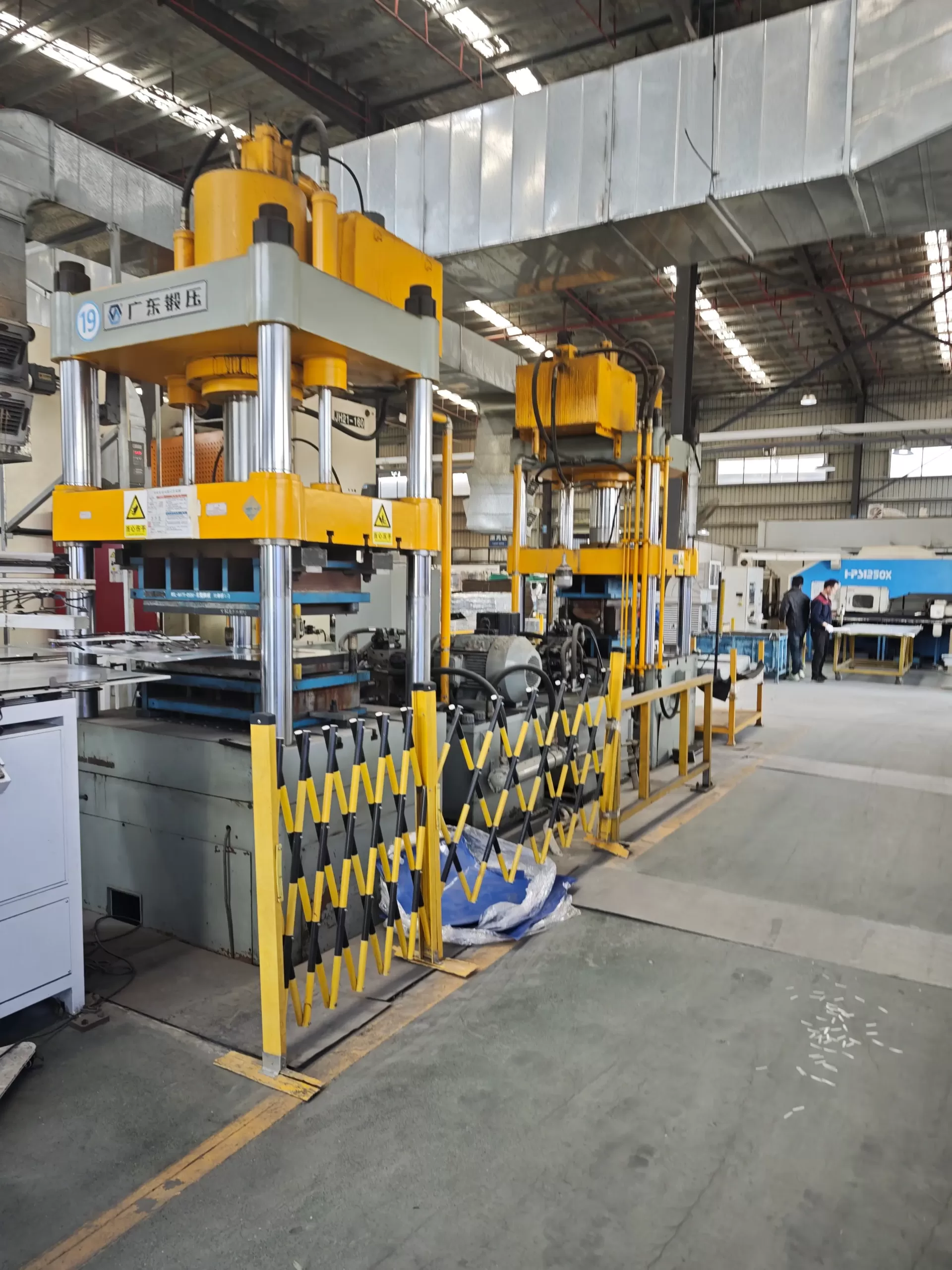
SR MFG’s Precision Sheet Metal Fabrication Capabilities
We provide comprehensive, high-quality sheet metal manufacturing services, consistently meeting customer requirements with efficiency and reliability.
2
Number of factories
80K-120K
Monthly Production Capacity (Overall)
98%
Yield Rate
Custom Sheet Metal Manufacturing Processes
2 factories · 260+ machines · [15,000+] parts/day · 7-day lead time · ≥98% FPY
SR MFG Detailed Sheet Metal Manufacturing Process
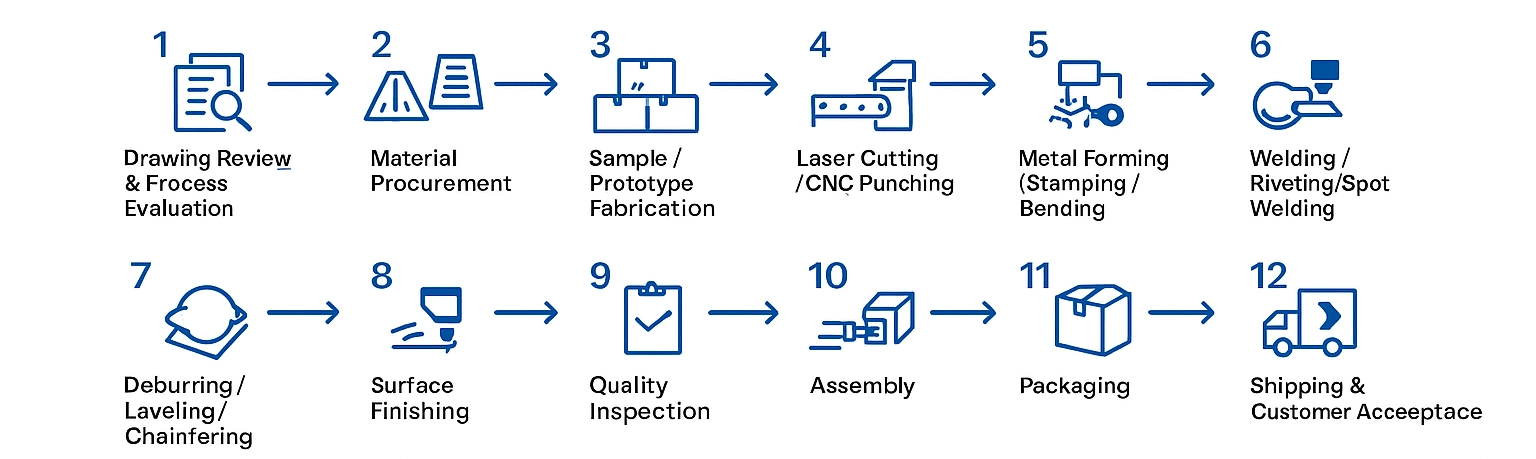
Each stage of our sheet metal manufacturing is run under controlled process parameters to meet the tight tolerance requirements of automation equipment, new energy systems, and industrial enclosures.
Typical machining capabilities
– Critical dimensions: ±0.10–0.20 mm
– Flatness: ≤0.5 mm / 300 mm
– Perpendicularity on key interfaces: ≤0.20 mm
For a complete list of inspection items and tolerances, please refer to our downloadable Inspection Specification (PDF).[Download inspection specification]
For any finished enclosure or bracket, we can trace back:
– Material batch and supplier
– Machine and program used
– Operator and shift
– In-process checkpoints
– Final inspection results
Batch-to-Batch Consistency
At SR MFG, **batch-to-batch consistency = controlled process parameters + in-line sampling inspection + SPC data monitoring**.
This ensures each production run meets defined dimensional and cosmetic standards for OEM sheet metal components and supports stable repeat orders over the full lifecycle of your program.
Materials & Finishing Options.
Design for Manufacturability Guidelines
In general, when designing sheet metal components, it’s important to follow the four key principles below:
1. Uniform Thickness Principle
Sheet metal refers to metal materials with a uniform thickness. During design, special attention should be paid to maintaining consistent thickness — especially in areas with multiple bends — as these are prone to uneven deformation or thinning.
2. Flattening Feasibility Principle
A simple but fundamental concept: sheet metal products are made from flat metal sheets. Therefore, all bends and surfaces in the design must be able to unfold onto a single flat plane without interference.
If parts interfere with each other after unfolding, as shown in Figure 1-1, the design is considered invalid.
3. Proper Thickness Selection Principle
For most OEM sheet metal parts, thickness ≤ 1.0 mm offers the best balance of strength, manufacturability, and cost.
Use the thinnest material that still meets strength and stiffness requirements.
Prefer ribs, flanges, and bending to add stiffness instead of increasing thickness.
Reserve > 1.0 mm for clearly load-bearing or impact-resistant structural parts.
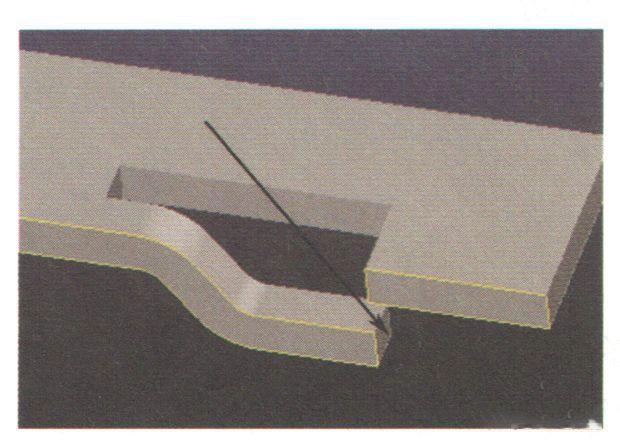
(Figure 1-1: Diagram showing interference between sheet metal parts after flattening)
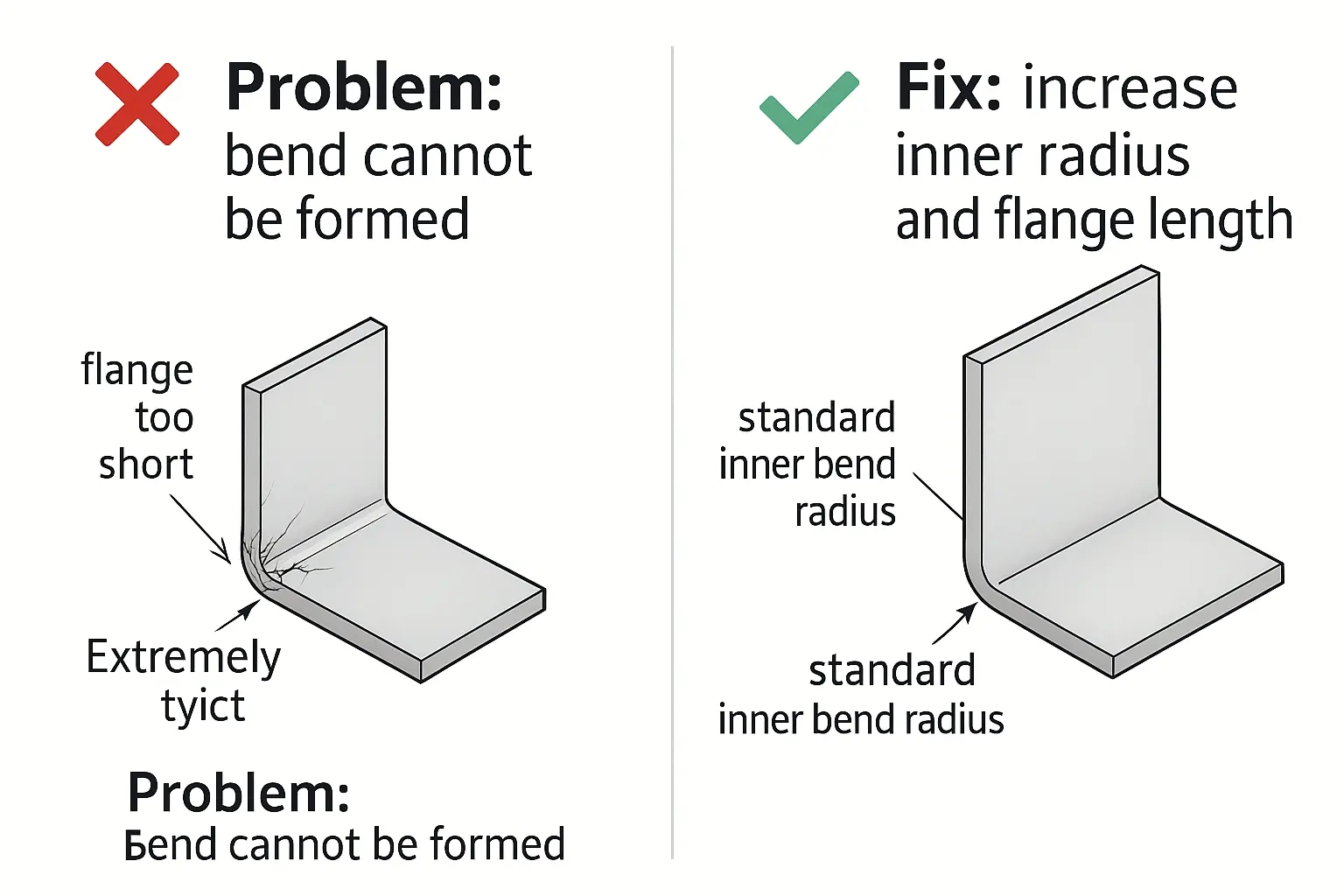
Example 1 – Bend cannot be formed
- Problem: inner bend radius too tight and flange shorter than minimum tool length.
- Fix: use standard minimum inner radius and increase flange length to meet tooling requirements.
Example 2 – Features too close to bend / edge
- Problem: holes and slots placed too close to a bend line or sheet edge, causing deformation and tearing.
- Fix: move features to the required minimum distance, or redesign as a larger opening at a safe distance.
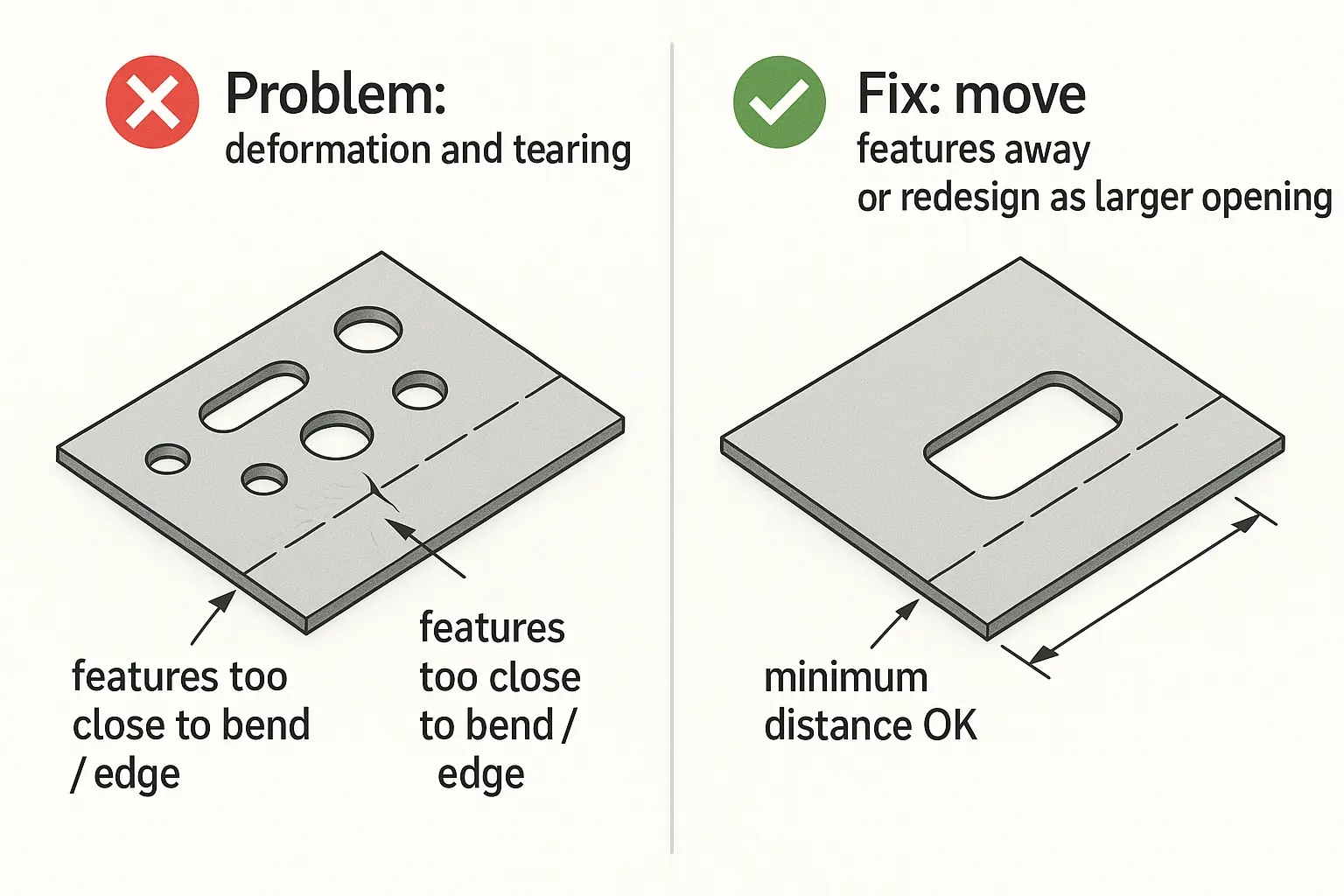
These examples illustrate the manufacturability principle: designs must match real process limits, not just CAD intent.
Types of Metal Materials Used in Sheet Metal Fabrication
In the beginning of this article, we mentioned the common metal materials used in sheet metal fabrication. Now, let’s take a closer look at the different types of sheet metal fabrication materials, how to choose the right ones, and the machining properties and advantages of each.
Common Sheet Metal Materials for OEM Fabrication
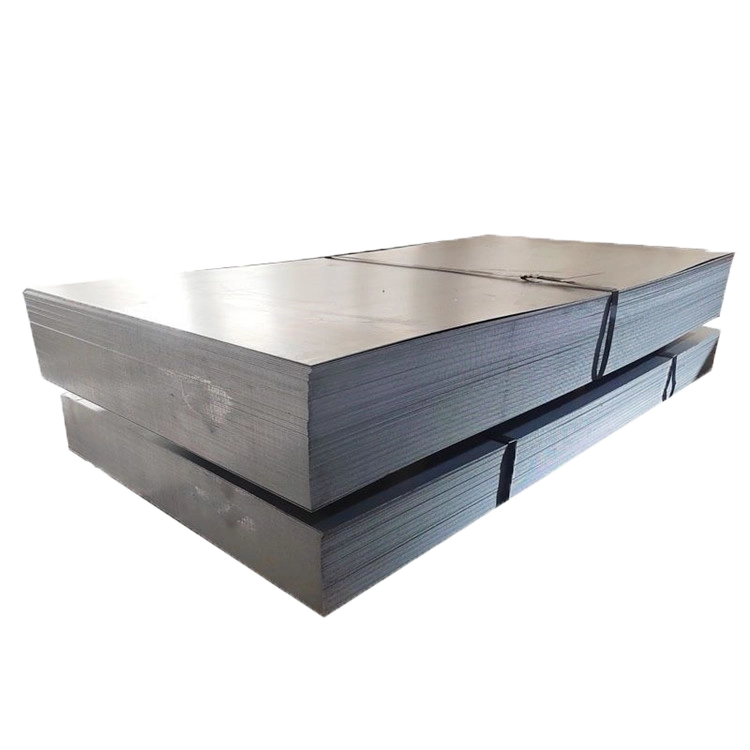
Typical Grades:SPCC, DC01–DC06
Main Applications:Enclosures, home appliance shells, structural brackets
Advantages:Low cost, good formability, excellent weldability
Disadvantages:Easily rusts, requires surface treatment (painting/galvanizing)
Recommended Processes:Stamping, bending, welding, laser cutting
Thickness Range:0.3–6 mm
Supply Status:Regular stock (available)
Environmental Compliance:√
Cost Level (USD/kg):Low ($0.55–0.85/kg)(The current price is the purchase price of raw materials in China, for reference only)
Usage Rate in Sheet Metal:35–40%
Check the detailed material parameters of cold-rolled steel plates
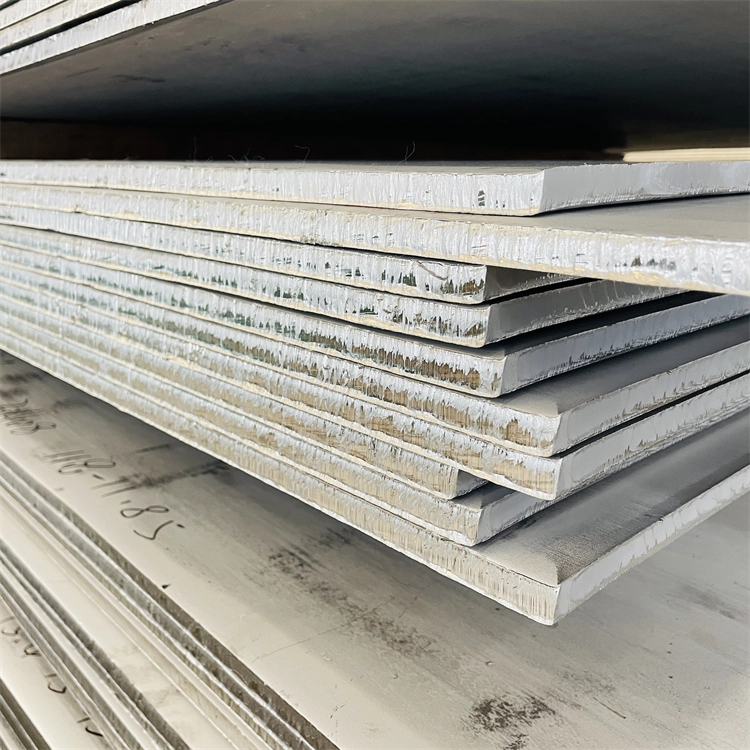
Typical Grades:SPHC, Q235, Q345
Main Applications:Enclosures, home appliance shells, structural brackets
Advantages:Low cost, good formability, excellent weldability
Disadvantages:Easily rusts, requires surface treatment (painting/galvanizing)
Recommended Processes:Stamping, bending, welding, laser cutting
Thickness Range:0.3–6 mm
Supply Status:Regular stock (available)
Environmental Compliance:√
Cost Level (USD/kg):Low ($0.55–0.85/kg)(The current price is the purchase price of raw materials in China, for reference only)
Usage Rate in Sheet Metal:35–40%
Check the detailed material parameters of cold-rolled steel plates
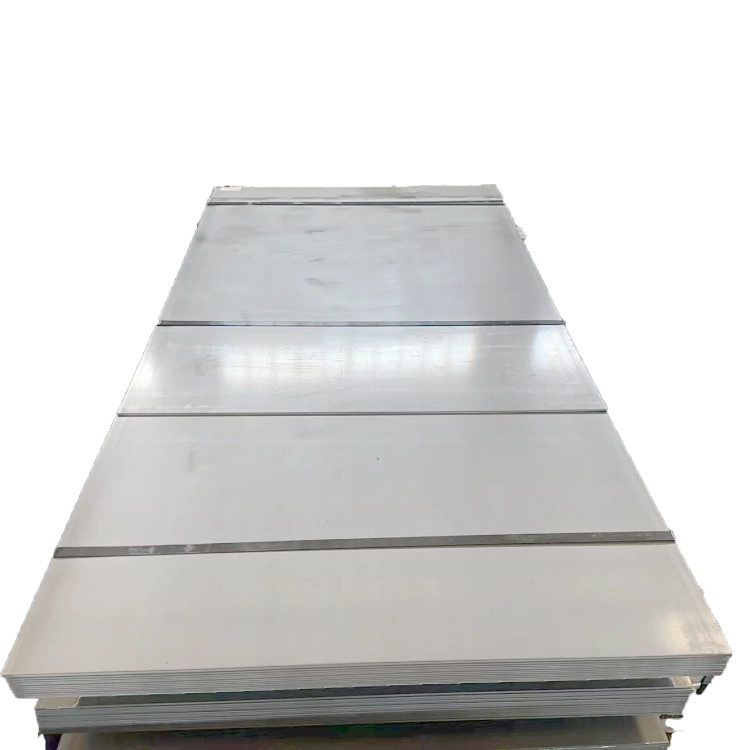
Typical Grades:SGCC, DX51D, GI
Main Applications:Outdoor equipment, AC units, automotive chassis
Advantages:Built-in anti-rust coating, similar to cold-rolled steel in formability
Disadvantages:Coating prone to scratches, zinc layer must be removed before welding
Recommended Processes:Stamping, resistance welding, cold forming
Thickness Range:0.4–4 mm
Supply Status:Regular stock (available)
Environmental Compliance:√
Cost Level (USD/kg):Low-Medium ($0.85–1.15/kg)(The current price is the purchase price of raw materials in China, for reference only)
Usage Rate in Sheet Metal:15–20%
Check the detailed material parameters of cold-rolled steel plates
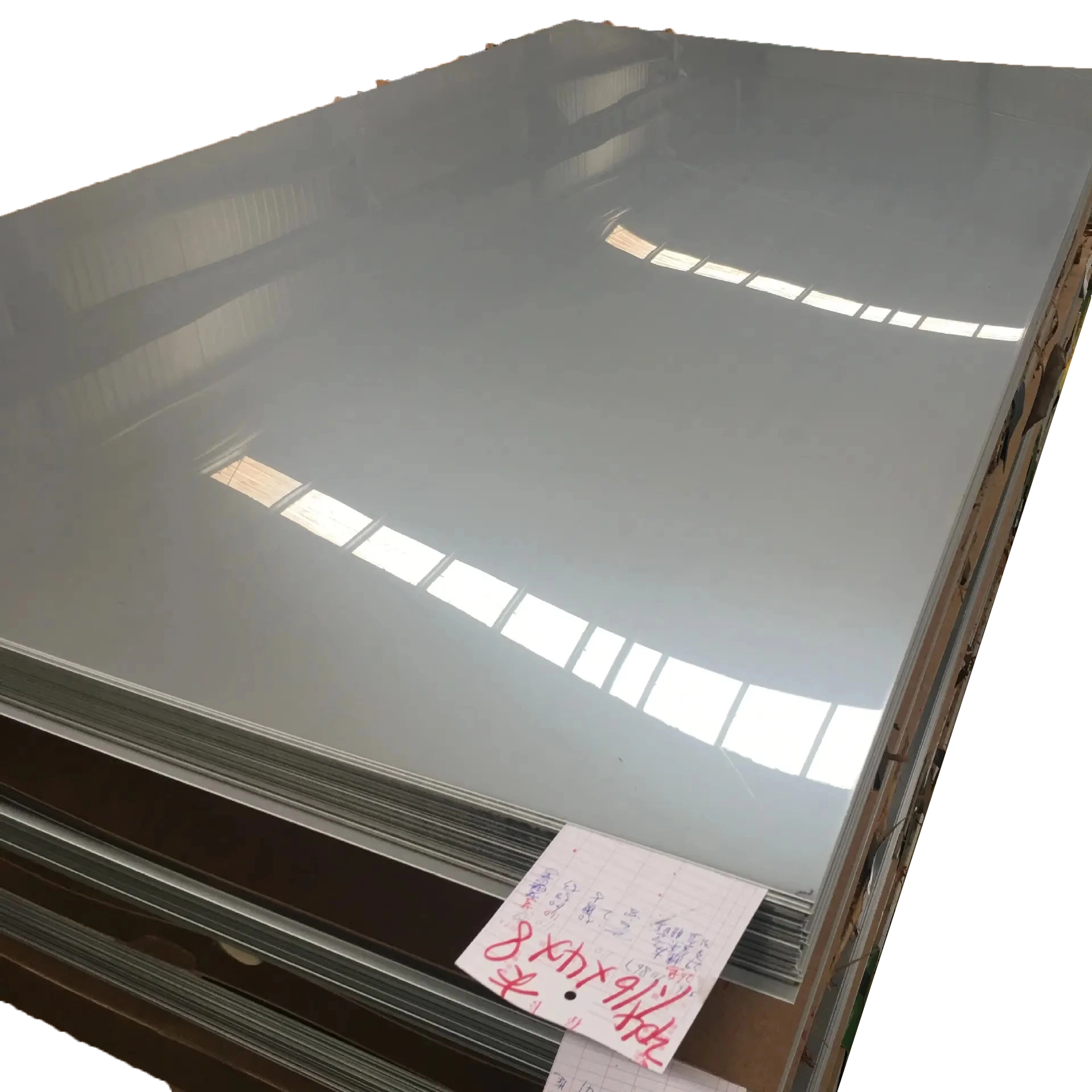
Typical Grades:304, 316, 321
Main Applications:Medical devices, food equipment, chemical containers
Advantages:High corrosion resistance, aesthetic, stable at high temperatures
Disadvantages:High cost (3–5× cold-rolled steel), severe work hardening
Recommended Processes:Laser cutting, waterjet cutting, TIG welding
Thickness Range:0.5–12 mm
Supply Status:Regular stock (standard thickness)
Environmental Compliance:√
Cost Level (USD/kg):Medium-High ($2.6–3.6/kg)(The current price is the purchase price of raw materials in China, for reference only)
Usage Rate in Sheet Metal:10–15%
Check the detailed material parameters of cold-rolled steel plates
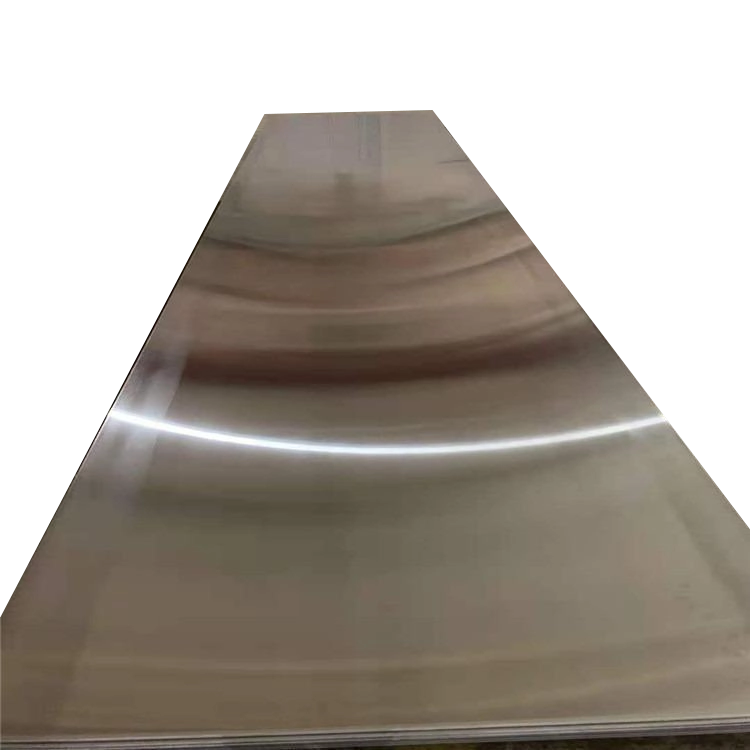
Typical Grades:430, 410
Main Applications:Kitchenware, decorative panels, cost-effective corrosion-resistant parts
Advantages:Lower cost than 304 SS, magnetic, good oxidation resistance
Disadvantages:Poor weldability, limited formability
Recommended Processes:Stamping, spot welding, polishing
Thickness Range:0.5–6 mm
Supply Status:Regular stock (small batches)
Environmental Compliance:√
Cost Level (USD/kg):Medium ($2.1–2.9/kg)(The current price is the purchase price of raw materials in China, for reference only)
Usage Rate in Sheet Metal:2–3%
Check the detailed material parameters of cold-rolled steel plates
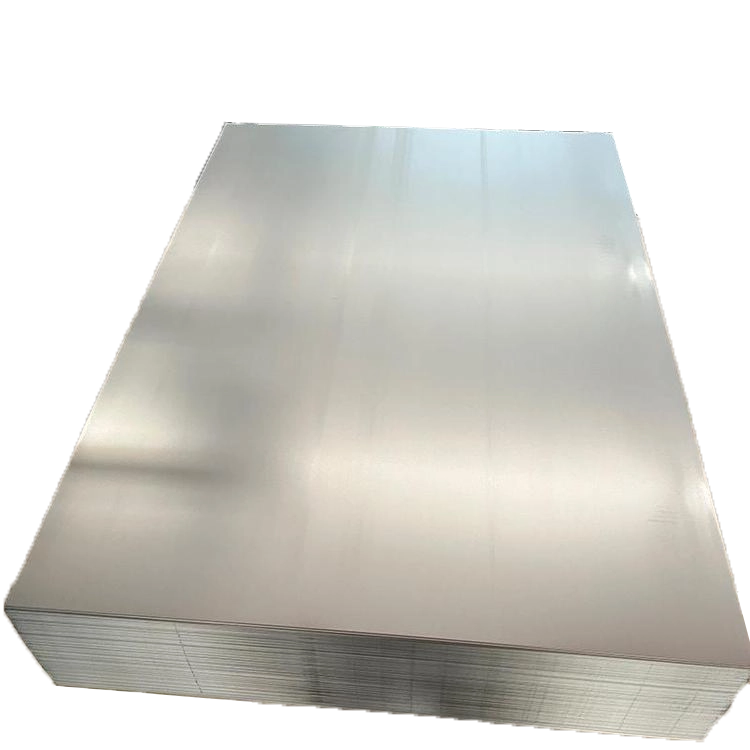
Typical Grades:5052, 6061, 6063
Main Applications:Electronic housings, automotive parts, heat sinks
Advantages:Lightweight (2.7 g/cm³), corrosion-resistant, good thermal/electrical conductivity
Disadvantages:Lower strength than steel, higher cost, welding requires special methods
Recommended Processes:CNC bending, TIG welding, anodizing
Thickness Range:1–10 mm
Supply Status:Regular stock (main grades)
Environmental Compliance:√
Cost Level (USD/kg):Medium-High ($2.9–4/kg)(The current price is the purchase price of raw materials in China, for reference only)
Usage Rate in Sheet Metal:10–15%
Check the detailed material parameters of cold-rolled steel plates
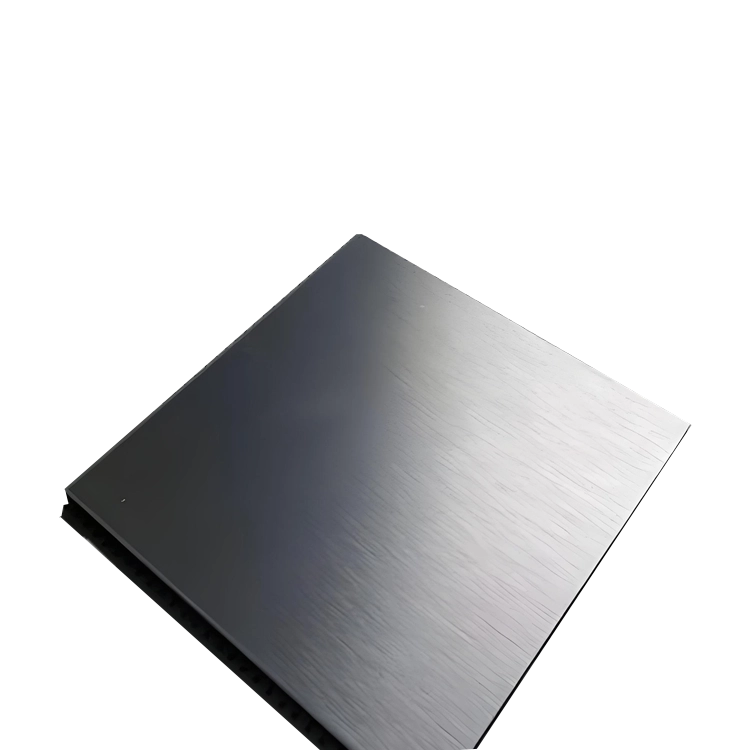
Typical Grades:TC4, TA2
Main Applications:Aerospace, high-end equipment (semiconductor carriers)
Advantages:Extremely lightweight, high strength
Disadvantages:Very high cost (≈10× stainless steel), difficult to process
Recommended Processes:EDM, laser welding
Thickness Range:0.8–10 mm
Supply Status:Custom order (1–3 months)
Environmental Compliance:√
Cost Level (USD/kg):Very High ($28–43/kg)(The current price is the purchase price of raw materials in China, for reference only)
Usage Rate in Sheet Metal:1–2%
Check the detailed material parameters of cold-rolled steel plates
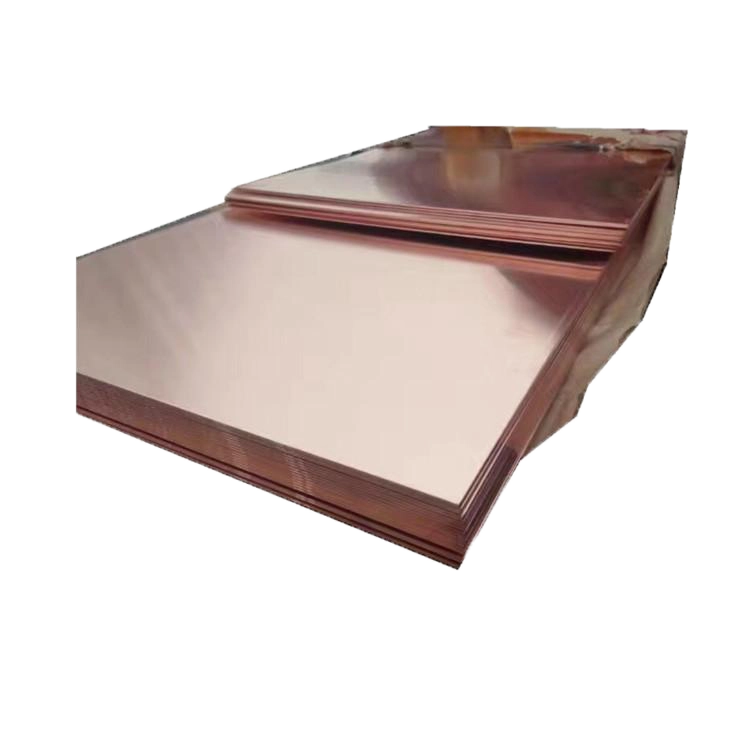
Typical Grades:H62, H65, H80
Main Applications:Electrical contacts, heat dissipation parts, decorative components
Advantages:Excellent conductivity, attractive color, good machinability
Disadvantages:High cost, heavy (8.5 g/cm³), relatively low strength
Recommended Processes:Precision stamping, machining, brazing
Thickness Range:0.5–8 mm
Supply Status:By order (lead time required)
Environmental Compliance:√
Cost Level (USD/kg):High ($7–10/kg)(The current price is the purchase price of raw materials in China, for reference only)
Usage Rate in Sheet Metal:3–5%
Check the detailed material parameters of cold-rolled steel plates
Specialty Sheet Metal Materials (On Request)
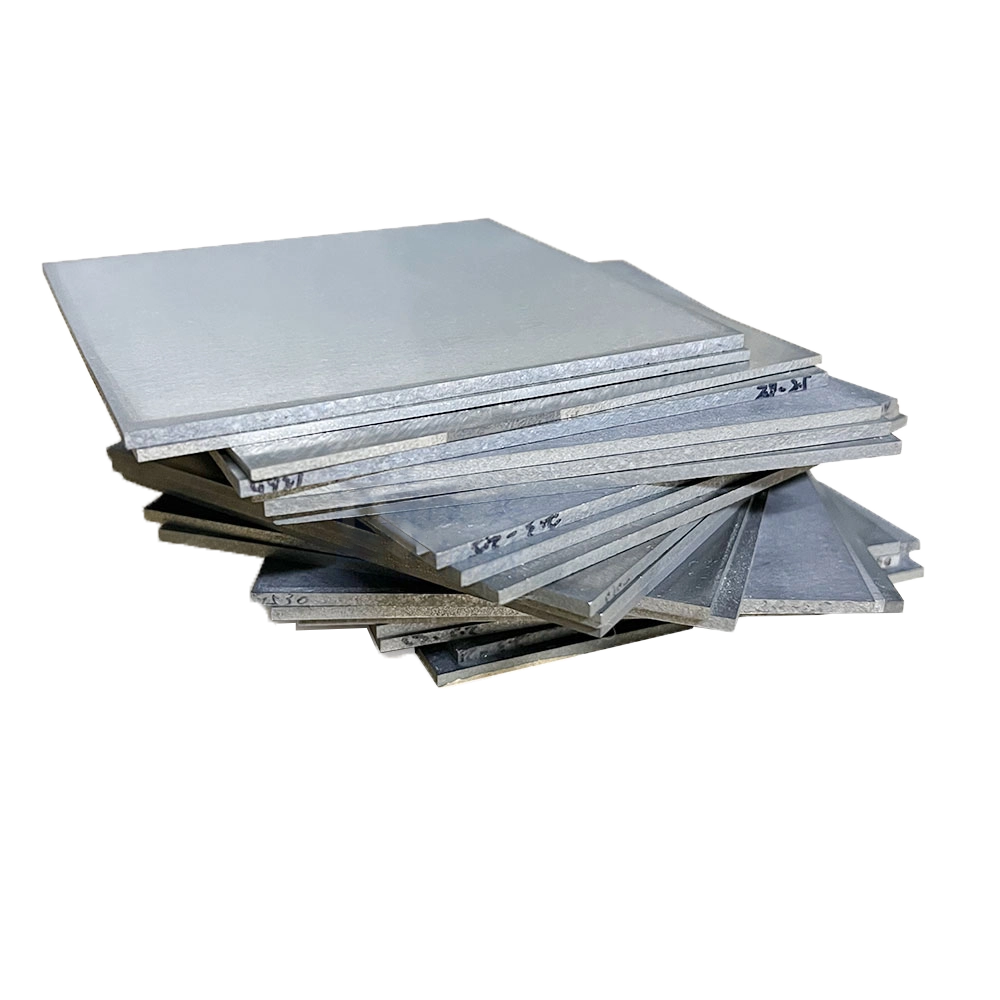
Typical Grades:W1, WNiFe90-7-3
Main Applications:High-temperature furnaces, X-ray targets
Advantages:Extremely high melting point (3422 °C), excellent high-temperature strength
Disadvantages:Very high hardness (HV350–400), extremely low machinability
Recommended Processes:EDM, laser processing
Thickness Range:0.5–5 mm
Supply Status:Custom production (4–6 weeks)
Environmental Compliance:√
Cost Level (USD/kg):Very High ($115–170/kg)(The current price is the purchase price of raw materials in China, for reference only)
Usage Rate in Sheet Metal:<0.1%
Check the detailed material parameters of cold-rolled steel plates
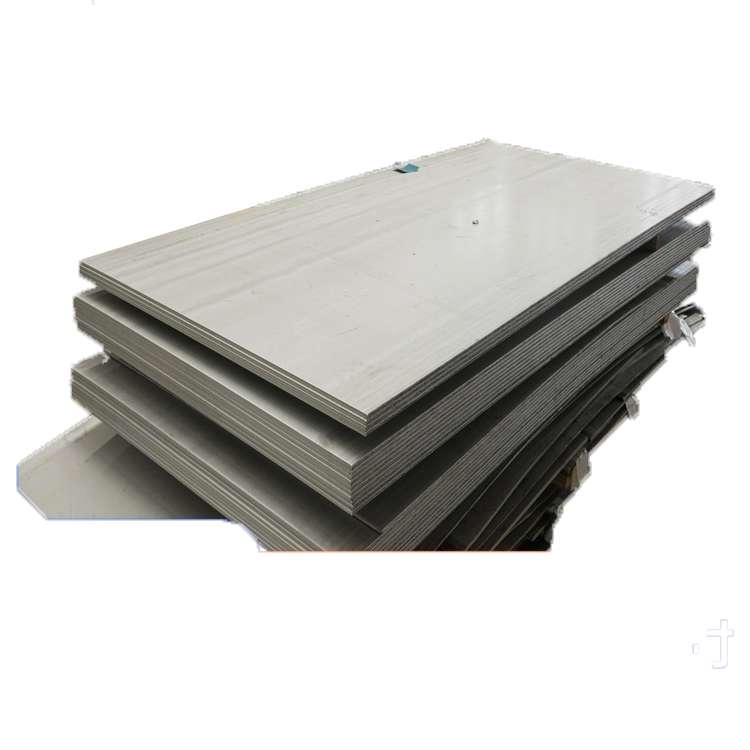
Typical Grades:Mo1, TZM
Main Applications:Semiconductor carriers, aerospace components
Advantages:High thermal conductivity, excellent creep resistance
Disadvantages:Brittle, requires vacuum electron beam welding
Recommended Processes:Waterjet cutting, electrical discharge machining
Thickness Range:0.8–8 mm
Supply Status:Custom production (3–5 weeks)
Environmental Compliance:√
Cost Level (USD/kg):Low-Medium ($0.85–1.15/kg)(The current price is the purchase price of raw materials in China, for reference only)
Usage Rate in Sheet Metal:<0.1%
Check the detailed material parameters of cold-rolled steel plates

Typical Grades:Ta1, Ta2
Main Applications:Medical implants, chemical containers
Advantages:Exceptional corrosion resistance, excellent biocompatibility
Disadvantages:Extremely high cost ($285–430/kg), difficult to machine
Recommended Processes:Precision grinding, EDM forming
Thickness Range:0.3–3 mm
Supply Status:Special order (8–12 weeks)
Environmental Compliance:√
Cost Level (USD/kg):Ultra High (> $285/kg)(The current price is the purchase price of raw materials in China, for reference only)
Usage Rate in Sheet Metal:<0.01%
Check the detailed material parameters of cold-rolled steel plates
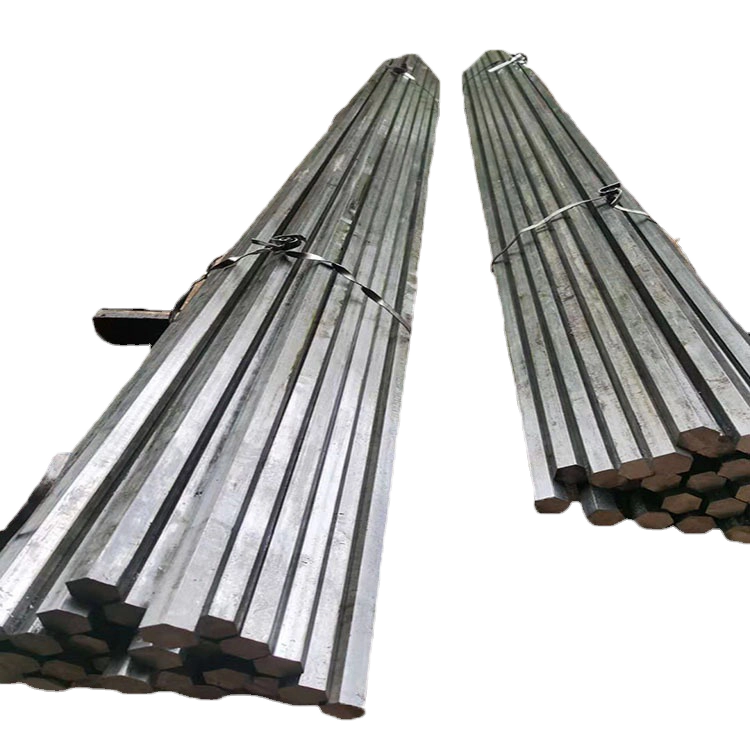
Typical Grades:Pb99.99, Pb-Sb5
Main Applications:Radiation shielding, battery plates
Advantages:High density (11.34 g/cm³), excellent shielding properties
Disadvantages:Low melting point (327 °C), prone to work hardening
Recommended Processes:Cold extrusion, lead welding
Thickness Range:2–50 mm
Supply Status:In stock (industrial grade)
Environmental Compliance:√
Cost Level (USD/kg):Low ($2.1–3.6/kg)(The current price is the purchase price of raw materials in China, for reference only)
Usage Rate in Sheet Metal:<0.5%
Check the detailed material parameters of cold-rolled steel plates

Typical Grades:Sn99.95, Sn63Pb37
Main Applications:Electronic packaging, food containers
Advantages:Excellent ductility, good solder wettability
Disadvantages:Very low strength (σb ≈ 15 MPa), easily deformed
Recommended Processes:Stamping, ultrasonic welding
Thickness Range:0.2–2 mm
Supply Status:Regular stock (pure tin)
Environmental Compliance:√
Cost Level (USD/kg):Medium ($14–21/kg)(The current price is the purchase price of raw materials in China, for reference only)
Usage Rate in Sheet Metal:<0.3%
Check the detailed material parameters of cold-rolled steel plates
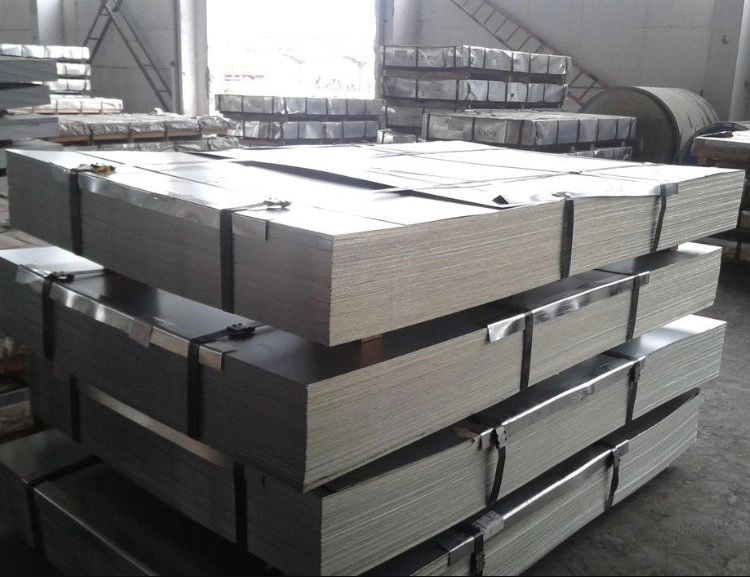
Typical Grades:ZZnAl4Cu1
Main Applications:Decorative components, battery casings
Advantages:Excellent die-casting performance, good surface finish
Disadvantages:Poor corrosion resistance and weldability
Recommended Processes:Die casting, machining
Thickness Range:1–8 mm
Supply Status:By order (2–3 weeks)
Environmental Compliance:√
Cost Level (USD/kg):Low–Medium ($4.3–7.1/kg)(The current price is the purchase price of raw materials in China, for reference only)
Usage Rate in Sheet Metal:<0.2%
Check the detailed material parameters of cold-rolled steel plates
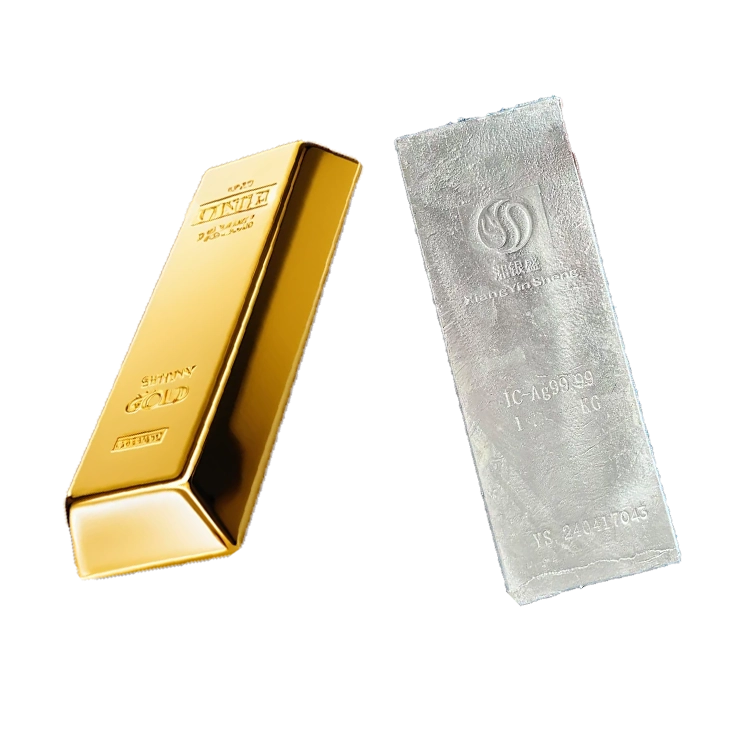
Typical Grades:Au999, Ag999
Main Applications:Precision contacts, jewelry fittings
Advantages:Outstanding conductivity, strong oxidation resistance
Disadvantages:Extremely expensive (gold ≈ $57/g), very low strength
Recommended Processes:Cold rolling, precision stamping
Thickness Range:0.05–1 mm
Supply Status:Special order (4–6 weeks)
Environmental Compliance:√
Cost Level (USD/kg):Ultra High (> $57/g)(The current price is the purchase price of raw materials in China, for reference only)
Usage Rate in Sheet Metal:<0.001%
Check the detailed material parameters of cold-rolled steel plates
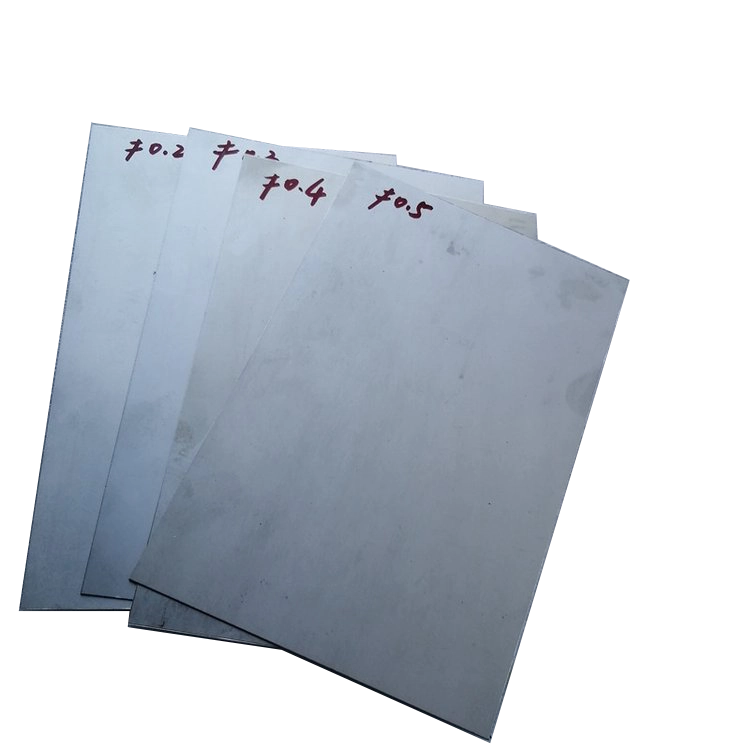
Typical Grades:NiTi-50
Main Applications:Medical devices (stents), actuators
Advantages:Shape memory effect, superelasticity
Disadvantages:Sensitive to phase temperature, requires heat treatment after forming
Recommended Processes:Laser cutting, precision bending
Thickness Range:0.1–2 mm
Supply Status:Custom production (6–8 weeks)
Environmental Compliance:√
Cost Level (USD/kg):Very High ($215–285/kg)(The current price is the purchase price of raw materials in China, for reference only)
Usage Rate in Sheet Metal:<0.05%
Check the detailed material parameters of cold-rolled steel plates
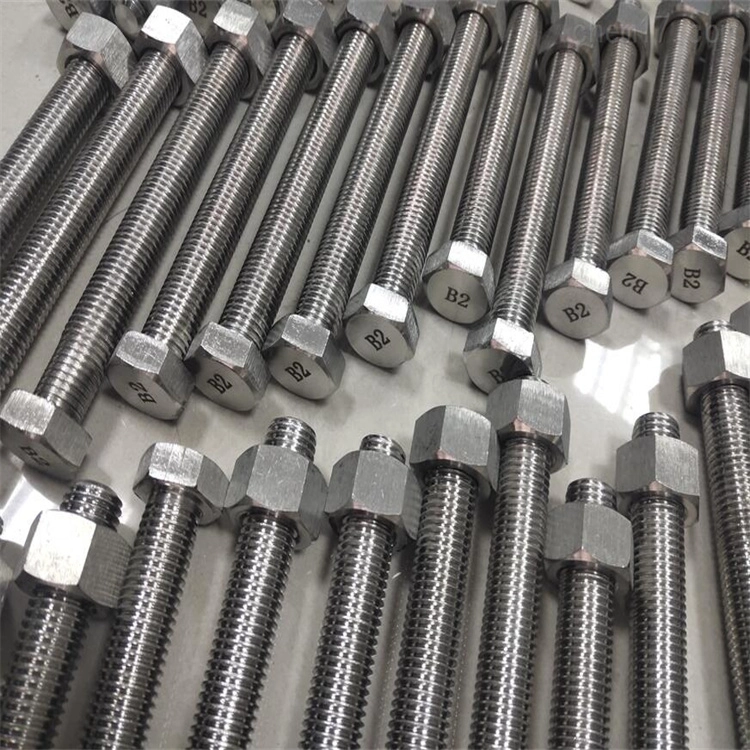
Typical Grades:Invar 36
Main Applications:Precision instruments, optical components
Advantages:Extremely low thermal expansion (α ≈ 0.5×10⁻⁶/°C)
Disadvantages:Severe work hardening, low cutting speed (< 50 m/min)
Recommended Processes:Wire EDM, grinding
Thickness Range:0.5–10 mm
Supply Status:Imported (8–10 weeks)
Environmental Compliance:√
Cost Level (USD/kg):High ($70–115/kg)(The current price is the purchase price of raw materials in China, for reference only)
Usage Rate in Sheet Metal:<0.03%
Check the detailed material parameters of cold-rolled steel plates
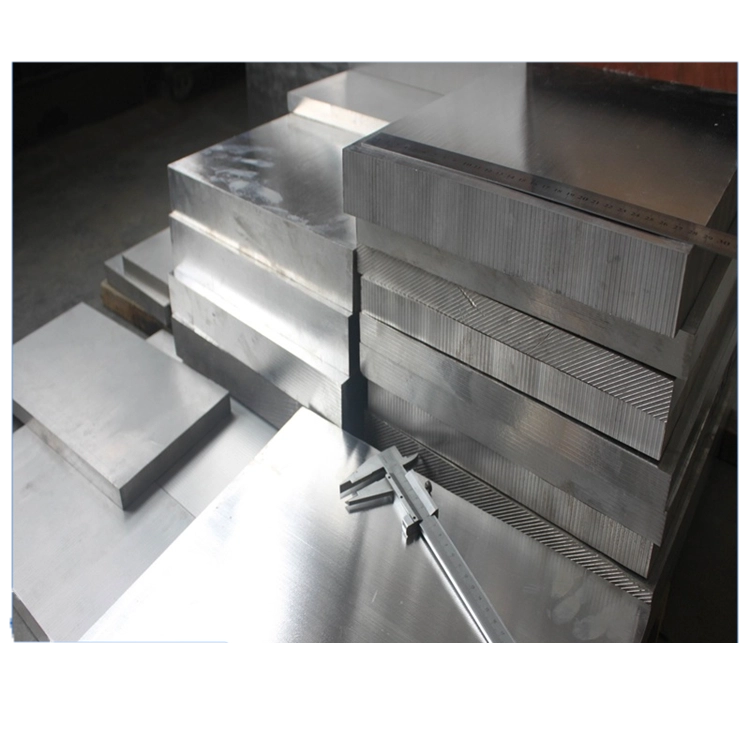
Typical Grades:Al–SiC (20% SiC)
Main Applications:Aerospace heat sinks, precision machine tool guides
Advantages:High specific strength, excellent thermal stability
Disadvantages:High tool wear (requires CBN tools), prone to cracking during drilling
Recommended Processes:Diamond tool cutting, waterjet cutting
Thickness Range:2–20 mm
Supply Status:Custom production (4–5 weeks)
Environmental Compliance:√
Cost Level (USD/kg):High ($43–70/kg)(The current price is the purchase price of raw materials in China, for reference only)
Usage Rate in Sheet Metal:<0.02%
Check the detailed material parameters of cold-rolled steel plates
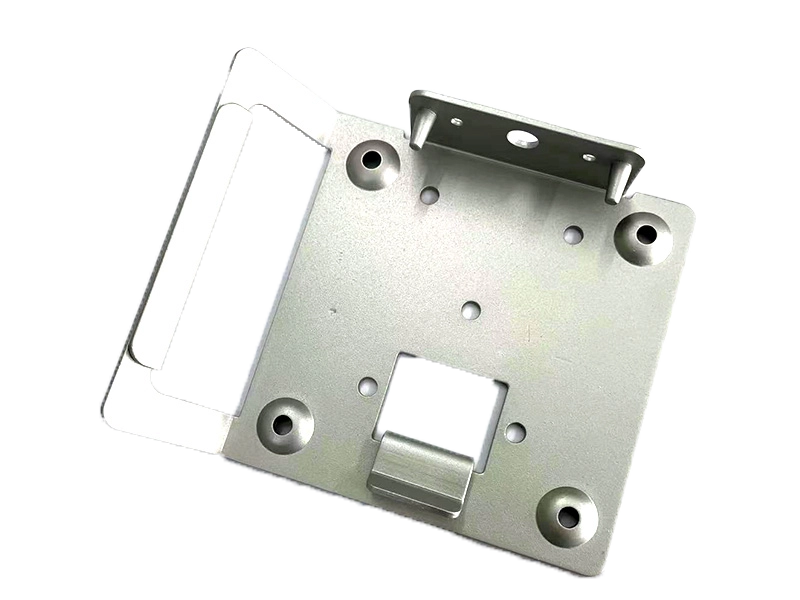
Quality Assurance & Certifications
SR MFG is a certified sheet metal fabrication partner for global OEMs.
Quality is managed as a system, from raw material inspection to final packaging, with every part checked and recorded.
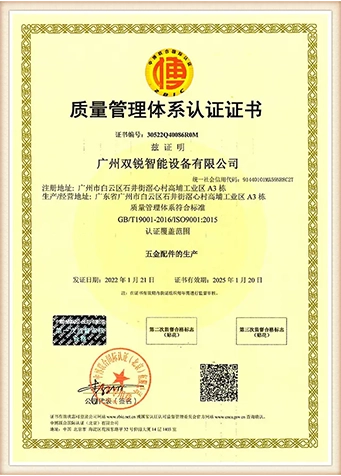
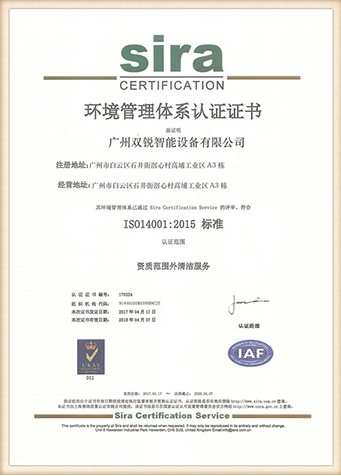
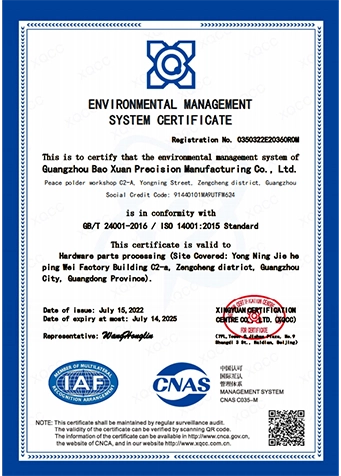
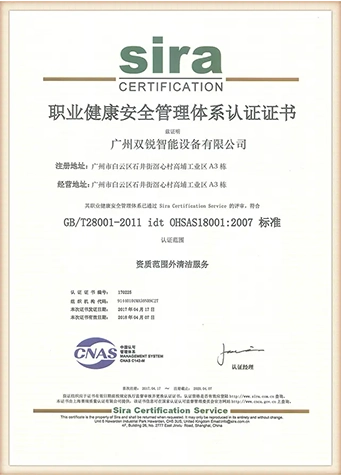
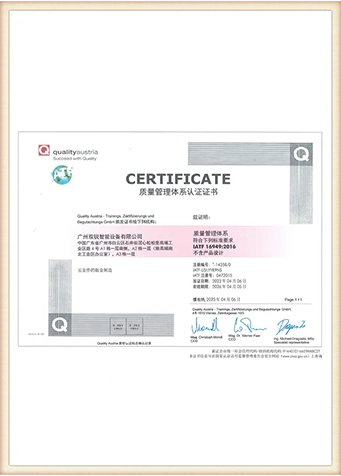
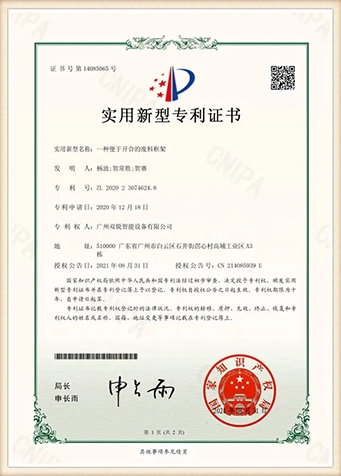
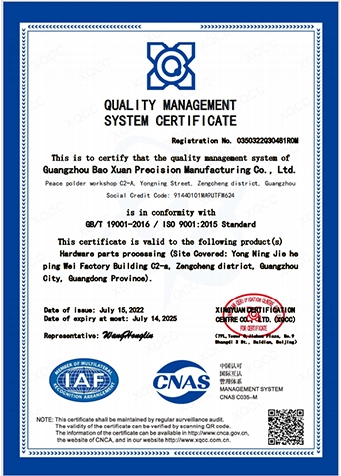
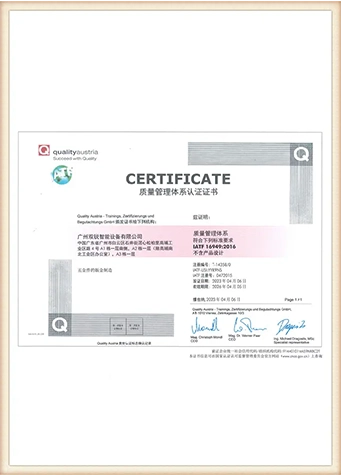
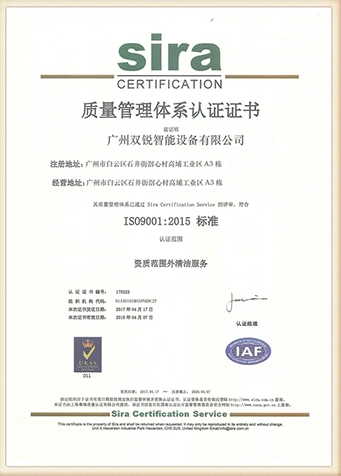
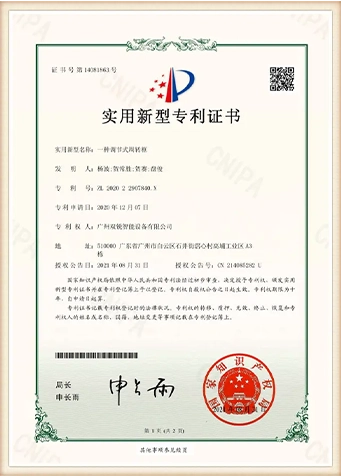
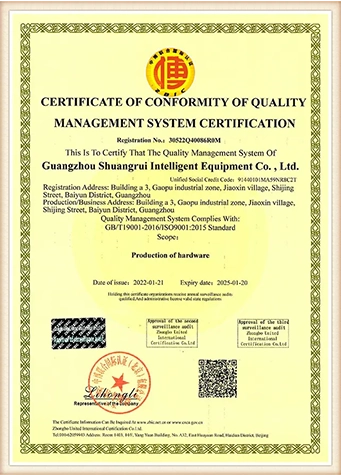
These certificates and reports are available for review during audits or upon request.
average lead time for typical sheet metal parts
on-time delivery rate (SR MFG factory 2024 data)
typical RFQ or engineering response time on working days