Partner with Shuangrui to reduce manufacturing costs by 30% and boost efficiency.

Guangzhou Shuangrui Precision Manufacturing Co., Ltd.

Get An Instant Quote

Metal Deburring Services2026-01-15T06:49:57+00:00

Home -> Service -> Sheet Metal Finishing -> Deburring

Metal Deburring Services

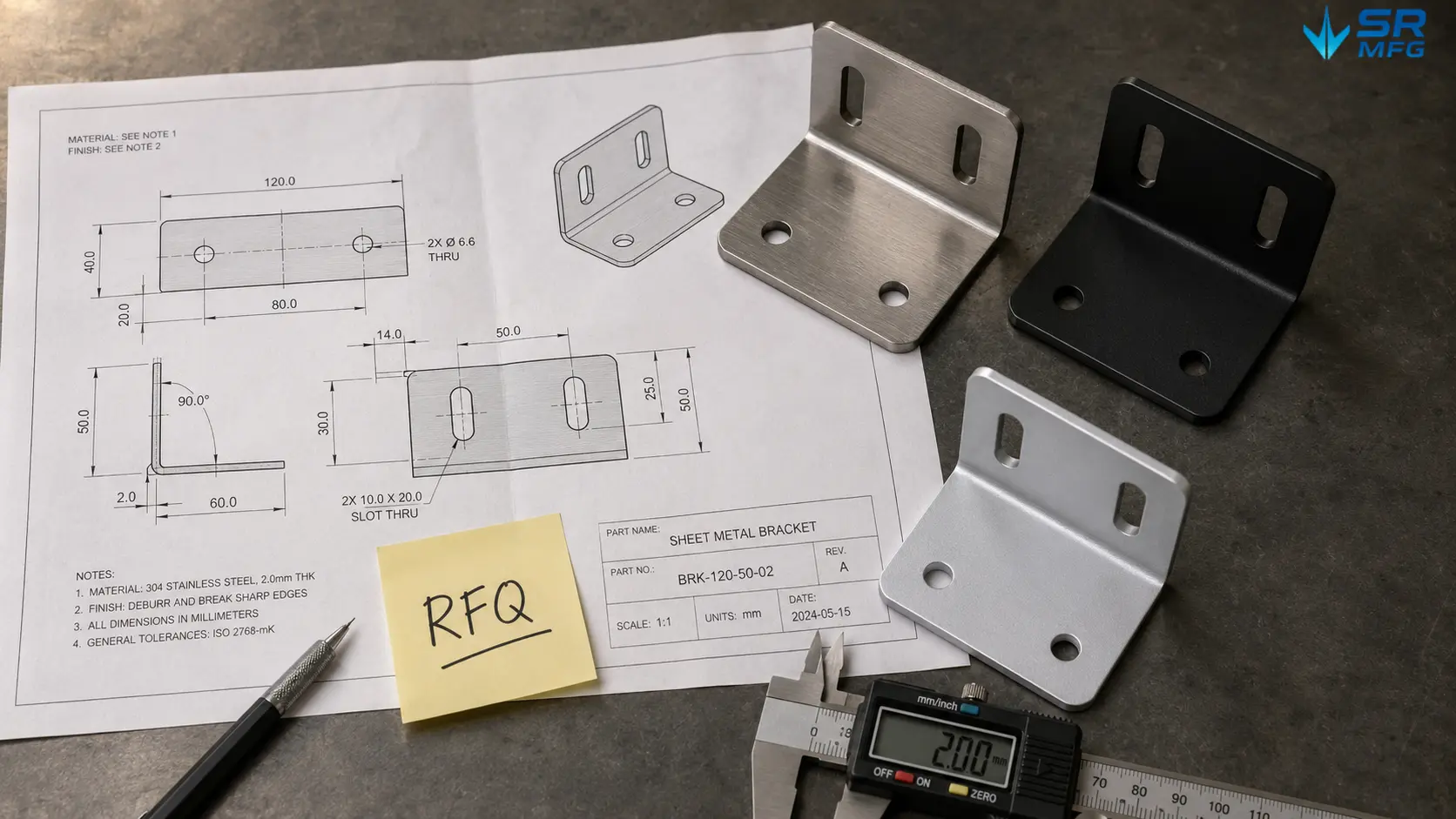
Burrs, dross, and sharp edges can cause assembly interference, rework-driven delays, and handling injuries. SR MFG provides standardized deburring for laser-cut, stamped, and machined parts, and can deliver the edge condition you specify—simple burr removal, edge breaking to remove sharpness, or a defined radius/chamfer. For downstream processes such as powder coating and wet paint, we also offer coating-friendly edge-finish recommendations and acceptance criteria to improve edge coverage consistency and long-term corrosion performance.

Blank Form (#4)

Why Deburring Is Essential for Metal Parts

What is a burr?

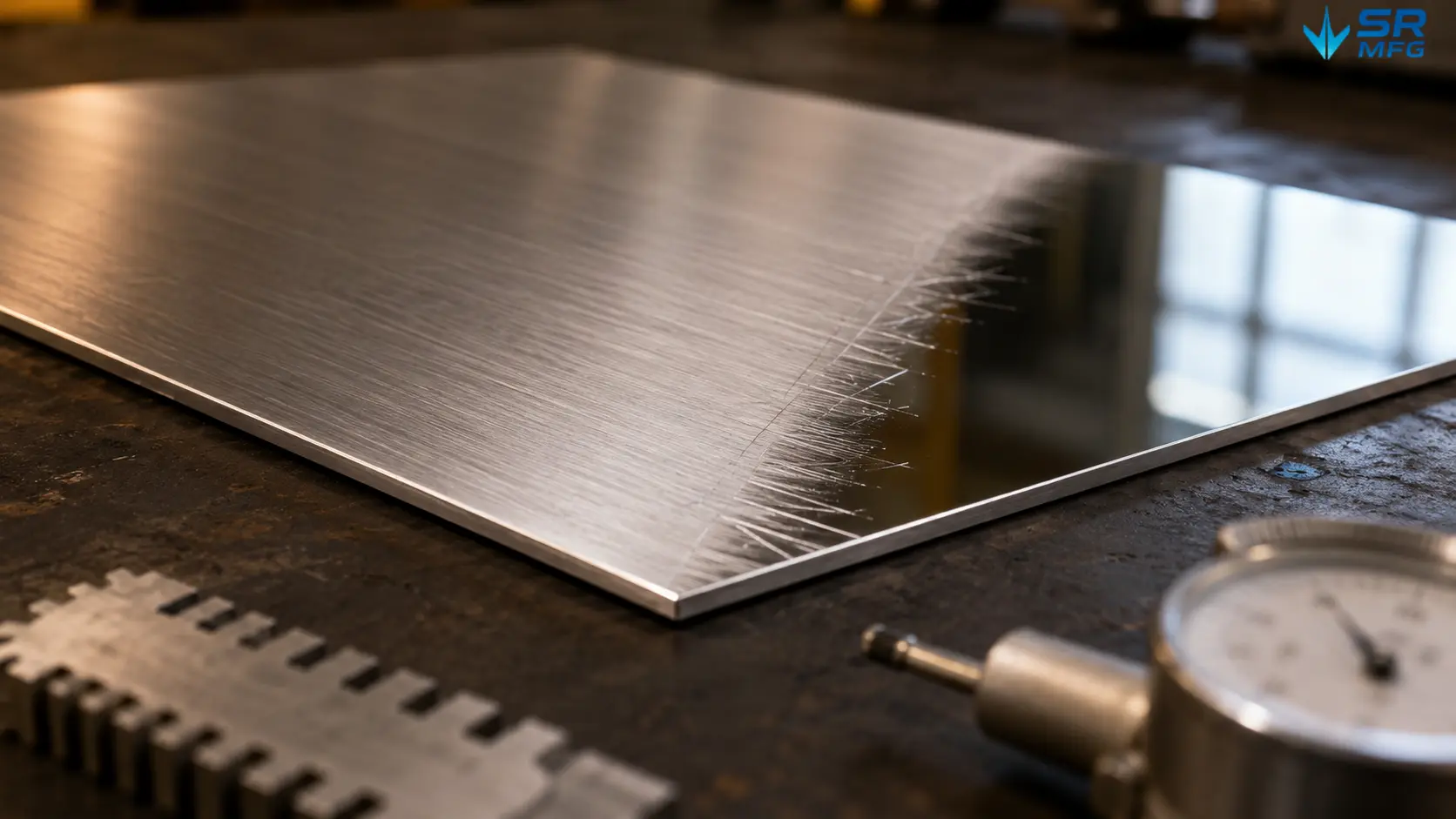
A burr is an unintended raised edge, protrusion, or residual material created during metalworking. A simple analogy is tearing a sheet of paper: as the material separates, it stretches and tears unevenly, leaving an irregular edge. In metal cutting or forming, a similar effect occurs—when the material being removed separates from the remaining stock, localized plastic deformation can pull and leave a small ridge or lip behind. Burrs are especially common along cut edges, such as those produced by laser cutting.

What are the benefits of deburring?

Improved appearance and safer handling

Burrs can degrade cosmetic quality and create sharp edges that cut operators during handling or assembly. Deburring improves both visual quality and workplace safety.

Reduced stress concentration and longer service life

Burrs and sharp transitions act as stress risers, which can reduce fatigue life. Removing burrs helps lower stress concentration and improve durability.

Better sealing and reduced leak risk

In hydraulic and pneumatic systems, burrs can compromise sealing surfaces and lead to leakage. Burr-free edges and surfaces support reliable sealing performance.

Higher productivity and lower cost

Manual deburring is labor-intensive, slow, and often inconsistent. Using controlled deburring methods and equipment improves repeatability, increases throughput, and reduces overall processing cost.

What Edge Conditions Can SR MFG Deliver?

After processes such as laser cutting, stamping, machining, or welding, metal edges often end up with burrs, dross, or sharp corners. Edge requirements vary widely by product—there is no single “default” condition. Below are SR MFG’s core edge-finishing capabilities.

Complete Burr Removal

We can remove burrs down to the ~0.01 mm level. By combining multiple deburring methods as needed, we evaluate feature accessibility for cross holes, deep slots, and blind cavities, and deliver to the required edge condition and acceptance criteria. The result is no visible burrs and a smooth, snag-free feel by touch.

Edge Finishing Options

Treatment Type Result Typical Applications
Sharp edge retained Burrs removed while keeping the original sharp geometry; minimal change to edge form Precision mechanical parts, tight-fit/mating components
Edge rounding Controlled radius R0.1–R0.5 mm, uniform and consistent Parts requiring lower stress concentration and improved assembly
Edge break / edge dulling Slightly dulled edge to remove sharp corners Frequently handled parts, manual operations, high-touch assembly
High-gloss / mirror-grade edge finishing (optional) Surface finish up to Ra ≤ 0.05 µm with a mirror-like appearance; feasibility depends on material, geometry, and measurement method Medical devices, premium decorative components

What Polishing Methods Are Commonly Used?

Uses hand tools such as files, scrapers, sandpaper, abrasive stones, and pneumatic die grinders. It is labor-intensive and relatively costly, and is best for small burrs and simple geometries. In production, it is typically used as a touch-up step rather than the primary method for high volumes.

Uses vibratory finishing or tumbling to create relative motion between parts and media, enabling batch deburring, light edge rounding, and surface refinement. It is well suited for small parts in volume where light, uniform material removal is acceptable and consistency is important. Limitations include masked areas, deep holes, and stubborn root burrs—often requiring localized rework or a different process route.

Uses abrasive media impact to remove fine burrs, break sharpness, and standardize surface appearance. It works well for small burrs, external surface cleanup, and cosmetic uniformity. It may be inefficient for thick or strongly attached burrs, and requires control of surface damage as well as thorough removal of residual media.

Uses a controlled electrochemical reaction to selectively dissolve burrs, especially effective for hard-to-reach features such as cross holes and internal passages. It typically requires dedicated fixtures/electrodes, followed by thorough rinsing and (as needed) corrosion protection. Typical energizing time can be on the order of 10–30 seconds, depending on the part and process window.

Uses high-pressure water to remove flash/burrs while flushing chips and contaminants—effectively combining deburring + cleaning. Equipment capability can reach the ~245 MPa class (highly dependent on machine and application). It usually requires water treatment, drying, and corrosion prevention.

Best suited for micro-burrs or precision parts that are sensitive to surface damage. Results depend on media and process parameters and should be confirmed through first-article validation.

Parts are placed in a sealed chamber and exposed to a pressurized fuel/oxygen mixture that combusts rapidly; the instantaneous high temperature oxidizes and removes burrs/flash preferentially. TEM is effective for micro-burrs and flash in internal features such as holes and cross passages, where mechanical access is limited. Post-process cleaning and verification are required, and it is not suitable for every part/material.

How to Select the Right Deburring Method

Process Type Best-fit Part Characteristics Burr Type / Location Advantages Limitations / Risks Typical Applications
Manual deburring Low volume, high value, local touch-up Accessible edges and hole mouths Flexible, controllable, highly adaptable High labor cost; low throughput; operator-dependent consistency Precision mating parts, prototypes, small batches
Mass finishing (vibratory/tumbling) Small parts in volume; light overall removal acceptable General external-edge burrs; light edge rounding needed High batch efficiency; mature process; good consistency Limited for masked areas/deep holes/root burrs; potential part-to-part dings or dimensional risk (process window required) Hardware, standard parts, small stampings
Blast deburring (dry/wet/micro) External surfaces; cosmetic uniformity required Fine burrs; edge break; surface cleanup Can combine cleaning with appearance uniformity Less effective on heavy burrs; must control surface damage and media residue Cosmetic parts, casting cleanup, precision small parts (micro-blast)
Electrochemical deburring (ECD) Complex geometry; internal features hard to access Cross holes, internal passages, deep slots Highly selective; excellent reach; typical cycle 10–30 s Requires fixtures/electrodes and chemistry control; must rinse thoroughly and manage corrosion risk Valve bodies, pump housings, hydraulic components, cross-hole burrs
High-pressure water-jet High cleanliness requirements; want “deburr + clean” Flash/burrs/chip residue Integrated cleaning; capable up to ~245 MPa class High equipment and water-treatment cost; requires drying and corrosion prevention Automotive parts, engine components, precision castings
Ultrasonic-assisted micro-deburring Precision small parts; surface-damage sensitive Micro-burrs (often requires magnification) Gentle on surfaces; effective for micro-burrs Limited on heavy/strongly attached burrs; needs validation Semiconductor/optical/medical precision parts (validation required)
Thermal energy method (TEM) Internal features not mechanically reachable; micro-burrs/flash Holes, cross passages, complex cavities Effective on micro-burrs in inaccessible areas Requires strict process control and post-clean/verification; not suitable for all parts Multi-port components, complex internal channels

Material and Part Coverage

Materials We Can Process

Suitability: Standard capability

Recommended methods: Vibratory deburring, belt deburring, high-pressure water-jet deburring

Notes: Prone to rust—apply corrosion protection after processing

Suitability: Standard capability

Recommended methods: Gentle brushing/roller-type deburring, light edge rounding

Notes: Avoid damaging the zinc layer; use edge touch-up/protection when necessary

Suitability: Standard capability

Recommended methods: Abrasive-flow deburring, electrochemical deburring (ECD), belt deburring

Notes: Higher hardness—select appropriate media hardness and process parameters

Suitability: Standard capability

Recommended methods: Vibratory deburring, electrochemical deburring (ECD), abrasive/media finishing

Notes: Soft and easily scratched—use softer media and controlled settings

Suitability: Standard capability

Recommended methods: Vibratory deburring, electrochemical deburring (ECD), abrasive/media finishing

Notes: Control oxidation—apply protection promptly after processing

Suitability: Case-by-case evaluation

Recommended methods: Abrasive/media finishing, electrochemical deburring (ECD), abrasive-flow deburring

Notes: Difficult-to-machine material—often requires dedicated process development

Suitability: Standard capability

Recommended methods: Vibratory deburring, abrasive/media finishing

Notes: Chips/dust can be flammable—avoid sparks and use appropriate safety controls

Suitability: Standard capability

Recommended methods: Vibratory deburring, chemical deburring

Notes: Soft material—avoid aggressive removal that can distort features

Common Part Types That Require Deburring

Flat sheet-metal cut parts
Panels, mounting plates, base plates, brackets, links/tabs, stiffeners, heat sinks, separators, baffles, and other flat cut profiles

Bent and formed parts
Enclosures and cabinets, housings/covers, frames, U-brackets, L-brackets, formed brackets, doors, and cosmetic panels

Stampings and small hardware
Perforated plates, clips/spring tabs, shims/washers, terminals

Machined part edges and hole mouths
Hole edges before/after drilling and tapping, slots, and step edges

Weldments—edges and transition zones
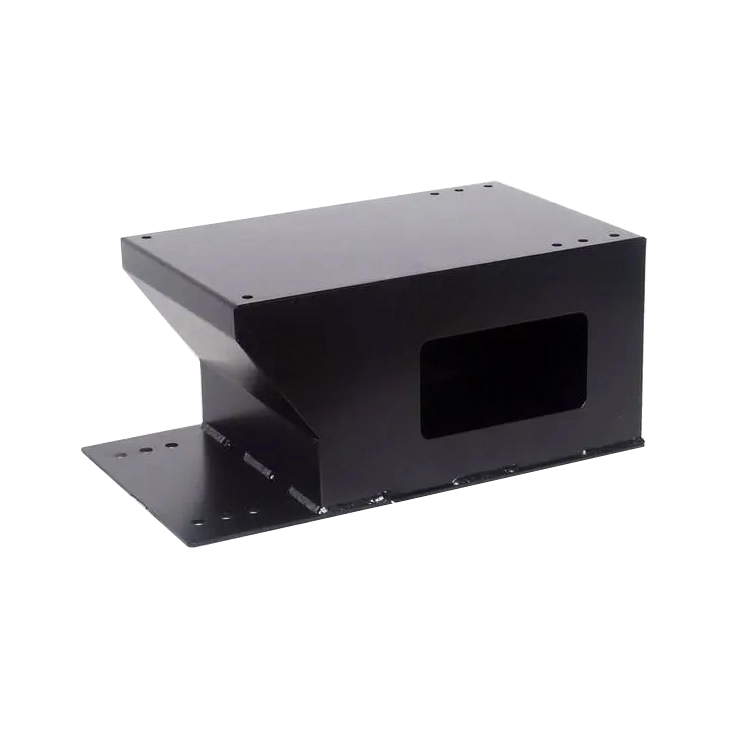
Welded brackets and frame assemblies

Standardized Deburring Process Flow

Metal Deburring Process (Video Showcase)

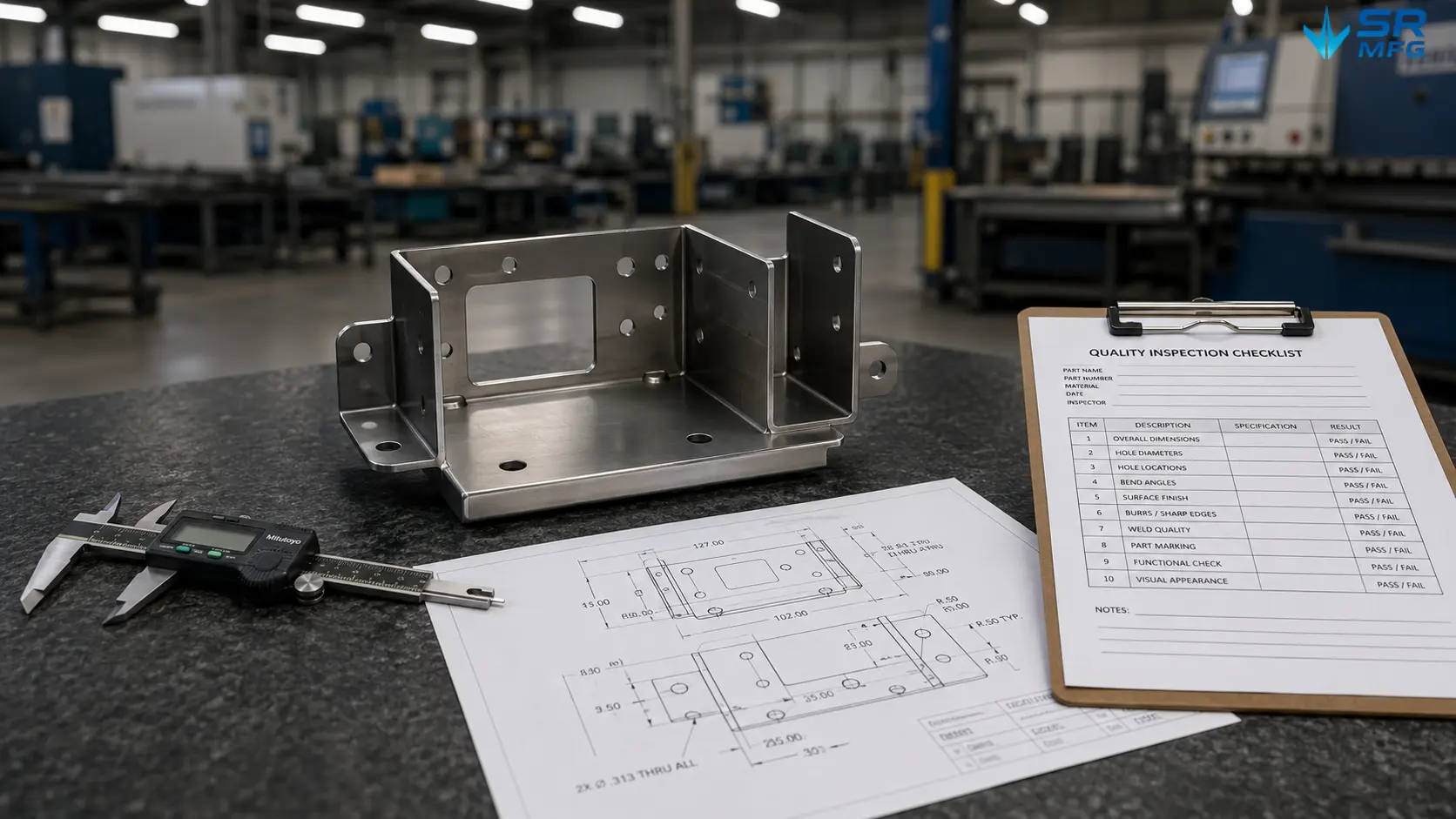
Drawing review & edge requirement confirmation → Incoming inspection and traceability setup → Protection/masking of critical areas (as needed) → Pre-cleaning (as needed) → Primary deburring operation (per the selected process route) → Edge condition forming to the specified result → Post-deburr cleaning and drying → In-process inspection (IPQC) → Final inspection and documentation (OQC / delivery package) → Scratch-protective packaging and shipment.

Are you ready to get started on your metal fabrication project?

Not sure which material is ideal for your project? Feel free to contact us.Our engineering team will recommend suitable material grades and sheet thicknesses based on strength, weight, corrosion resistance and overall cost.

Who We Serve

SR MFG | Metal Part Deburring Solution

SR MFG’s deburring solution is built around one principle: selecting the right process route based on part type, burr location (external edges, hole mouths, cross holes, or internal cavities), and production volume—then delivering an inspectable, acceptance-ready edge condition (burr removal, edge rounding, or a specified chamfer/radius). We cover everything from precision manual touch-up to automated deburring, and can provide in-process inspection (IPQC) and final inspection (OQC) records as required. Our deburring workflow also integrates smoothly with cleaning, rust prevention, packaging, and downstream processes such as coating, plating, and anodizing.

Metal Deburring FAQs​​​​

Not always. Whether an edge feels “non-cutting” depends on the deburring method and, more importantly, the acceptance criteria. In practice, if burr height is controlled to roughly 0.05–0.2 mm, many applications will consider it acceptable for handling—but the final requirement should be whatever your drawing/spec defines. A common quick check is the cotton-glove test: lightly run a cotton glove along the edge; no snagging or catching is used as a practical screening method, while final disposition still follows the specified standard.

Most internal-hole and internal-cavity burrs can be addressed, but the correct process depends on hole diameter, depth (L/D ratio), and overall geometry complexity.

A practical “five-step accessibility check” is:

  1. Extract key geometry from the 3D model/drawing: minimum entry size, depth/L-D ratio, maximum cavity clearance, cross-hole locations.

  2. Physical reachability assessment: confirm whether tools/media/electrodes can enter and act stably on the target edge.

  3. Process-route selection: choose different routes for external edges vs. internal channels/cross holes (evaluate options such as ECD or TEM when needed).

  4. Inspection method definition: visual inspection, borescope, sectioning, weight-loss methods, or other feasible verification (project-dependent).

  5. Trial validation: run deburring tests on actual parts (or representative 3D-printed samples) and approve a reference sample for production.

It can, but the impact is typically small and controllable, often at the micron level, provided the process window and edge requirement are defined and managed.

In most cases, yes. Deburring is inherently a contamination-generating step and can leave new residues (chips, abrasive media, dust). A post-deburr cleaning and drying step is commonly required to ensure downstream coating/assembly reliability.

A widely used approach is ISO 13715:2017 (Technical product documentation — Edges of undefined shape — Indication and dimensioning). It reduces ambiguity and aligns design, manufacturing, and inspection.

Core symbol logic (simplified):

  • “+”: material excess permitted (e.g., burr/rollover allowed)

  • “−”: material removal required (deburr/edge clean-up required)

  • “±”: either material excess or removal permitted

Example: deburr required on an external edge (precision part)
Ⓤ − 0.05
Meaning: for the specified external edge (Ⓤ), material removal is required, and the maximum allowed removal is 0.05 mm. In other words, burrs must be removed completely, but the resulting chamfer/edge removal must not exceed 0.05 mm.

Metal Deburring Technical Resources
Stainless Steel Sheet Metal Fabrication Services for Automation and Energy Equipment

November 5, 2025|

Understanding Stainless Steel Sheet Metal Fabrication for Automation and Energy Equipment Stainless steel sheet metal fabrication integrates precision [...]

Hello world!

October 16, 2025|

Welcome to WordPress. This is your first post. Edit or delete it, then start writing!

Go to Top