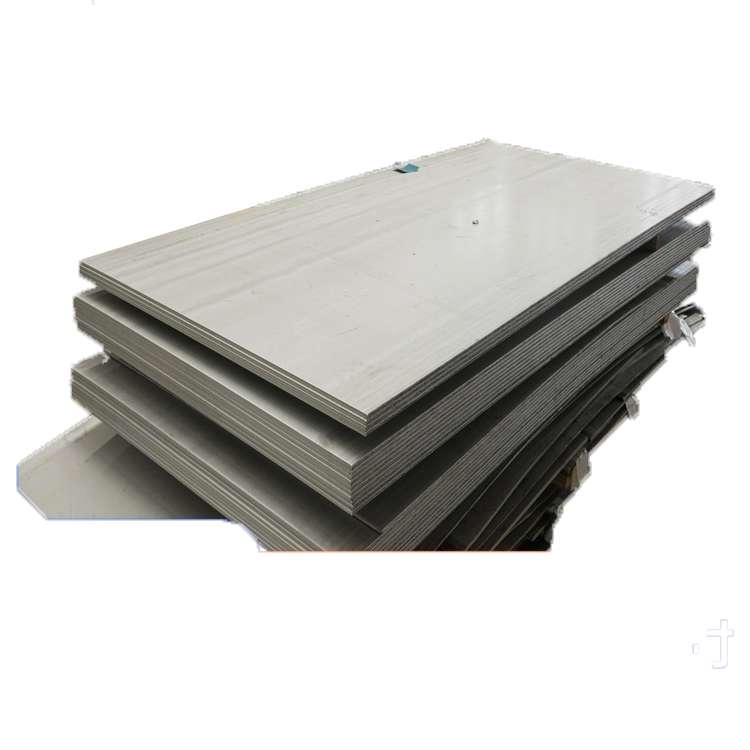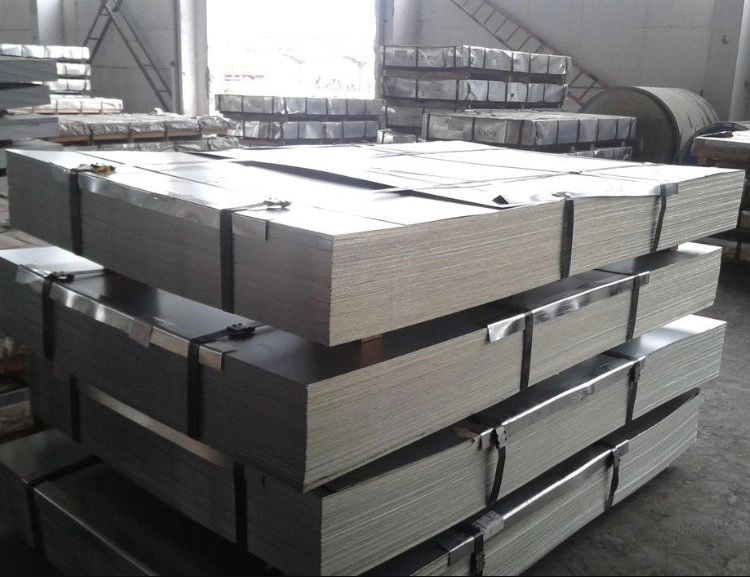
Home -> Service -> Sheet Metal Finishing -> Polishing
Metal Polishing Services
SR MFG provides high-precision metal polishing services focused on aluminum, aluminum alloys, and stainless steel. We remove burrs, refine machining marks and surface scratches, and improve overall surface finish, with the ability to hold surface roughness (Ra) within tight, drawing-specified limits. Through standardized work instructions, first-article inspection, and SPC-based process control, we maintain production consistency. For critical features, we use masking and controlled locating/fixturing to prevent assembly interference and dimensional drift. We also conduct a DFM engineering review before polishing to identify and mitigate risks upfront. Beyond machining, we act as a dependable engineering partner—delivering stable, high-quality polishing solutions you can release with confidence.
What Is Metal Polishing—and Why Does It Matter?
Metal polishing is a finishing process that improves both surface quality and functional performance. Using mechanical and/or chemical methods, it removes surface defects, oxides, and fine scratches to create a smoother, brighter, and more uniform surface. Polishing is not only about appearance—it can also enhance corrosion resistance, reduce dirt and residue buildup, and improve cleanability. It is widely used on materials such as aluminum, aluminum alloys, and stainless steel for applications ranging from industrial components to decorative parts and precision equipment housings. Common approaches include mechanical polishing, chemical polishing, and electropolishing, with the best method selected based on the material and the required finish.
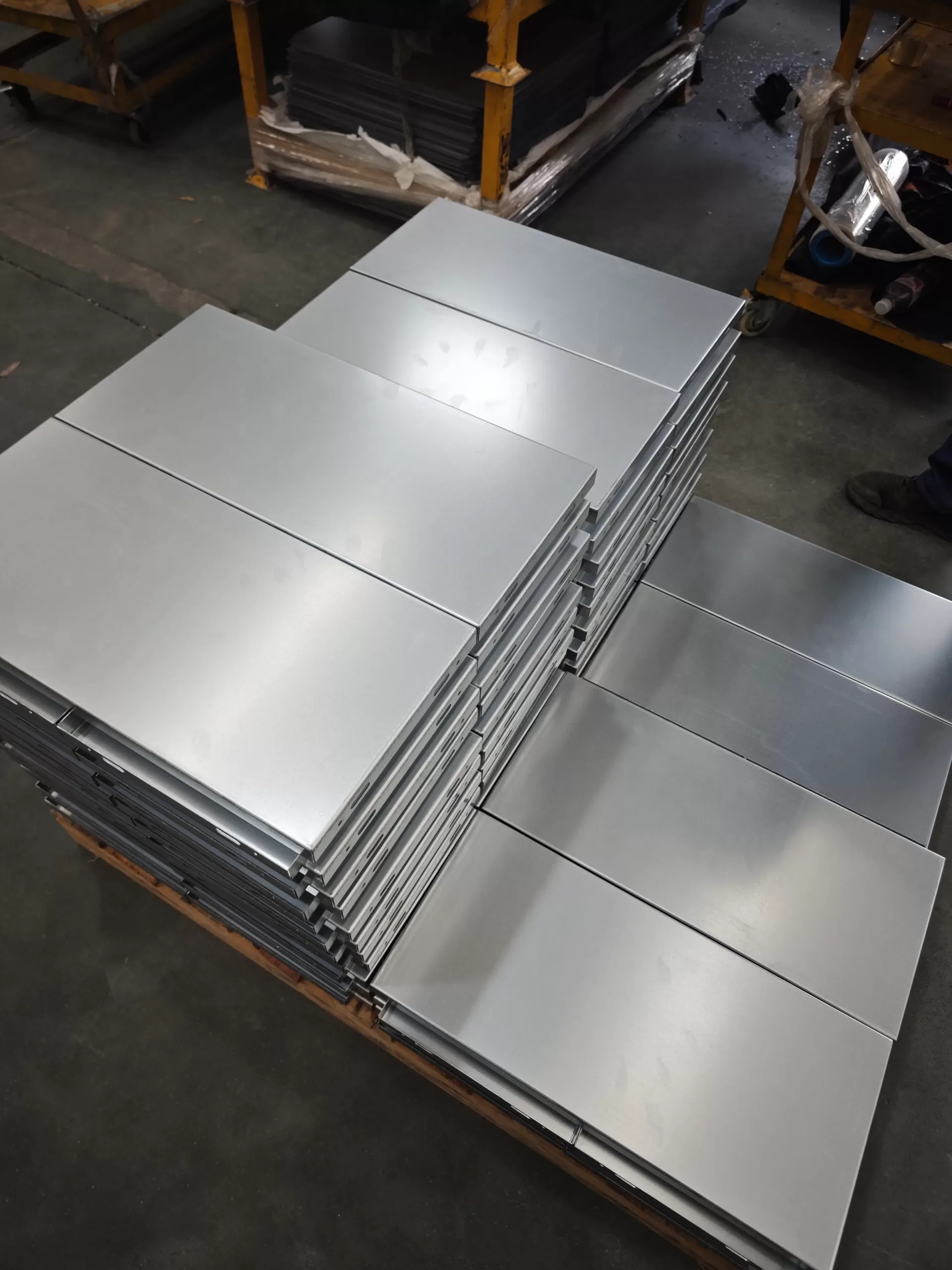
Polishing Method Comparison: Benefits and Best-Fit Applications
In industrial metal polishing, the right method depends on the required finish and the part’s geometry. Common options include:
Mechanical polishing
Uses abrasives or grinding/polishing tools to remove surface high points and significantly improve surface finish. The equipment is relatively simple and cost-effective, making it well suited for flat parts or large surface areas. However, it is less efficient on complex geometries, can be labor-intensive, and may have limitations on consistency in high-volume production unless tightly controlled.
Chemical polishing
Uses chemical solutions to selectively dissolve microscopic surface peaks, producing a smoother surface. It works well for complex shapes and areas that are difficult to reach mechanically, and can improve overall surface uniformity. Because it involves chemical handling, it requires appropriate safety controls and environmental compliance measures.
Electropolishing
An electrochemical process that removes microscopic high points and improves surface leveling and corrosion performance. Electropolished surfaces are typically easier to clean and can achieve a bright, near-mirror finish. It is commonly used for precision parts where both appearance and performance requirements are high.
Ultrasonic polishing
Uses ultrasonic vibration with fine abrasives to achieve very localized, fine finishing. It is suitable for intricate micro-features and detailed areas, but its coverage and efficiency are limited for larger parts.
Why Do Metal Parts Need Polishing?

After metal fabrication processes such as cutting, bending, or welding, parts often retain tool marks, scratches, and microscopic surface roughness. These imperfections can affect appearance, corrosion performance, and functional behavior. Polishing is a finishing step that removes surface defects and smooths micro-geometry, improving surface finish, enhancing corrosion resistance, and making parts easier to clean—while also reducing friction and wear. For products that require high surface quality—such as mechanical components, instrument housings, and structural parts—polishing not only improves aesthetics, but also extends service life and can improve performance in downstream processes.
What Polishing Methods Are Commonly Used?
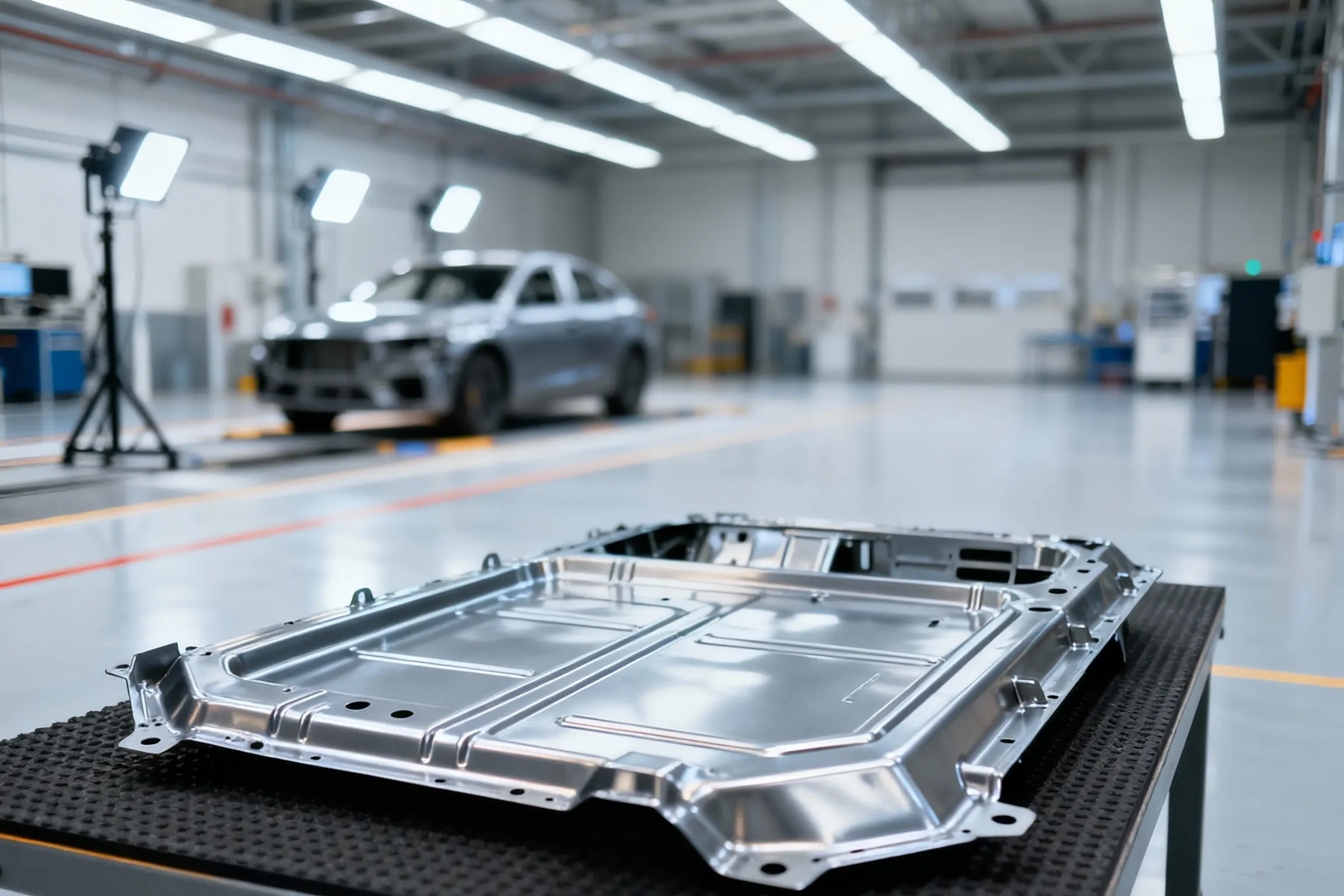
Mechanical polishing
Mechanical polishing uses abrasives—such as grinding wheels, sandpaper, or polishing pads—to remove microscopic high points and scratches, producing a smoother surface. It’s the most common method and is best suited for flat surfaces or areas that are easy to access.
Chemical polishing
Chemical polishing immerses the part in a controlled chemical solution that selectively dissolves microscopic surface irregularities, achieving a higher level of smoothness. It is especially effective for complex geometries and areas that are difficult to reach with mechanical tools.
Electropolishing
Electropolishing is an electrochemical process in which a controlled current in an electrolyte removes a thin layer of metal from the surface, producing a smooth, leveled finish. In addition to improving brightness, it can enhance corrosion resistance and is widely used for stainless steel and similar materials.
Ultrasonic polishing
Ultrasonic polishing uses high-frequency vibration to drive fine particles in a polishing fluid against the surface, enabling high-precision finishing in small or intricate areas. It is well suited for precision parts and detailed features.
Polishing Method Selection Guide
| Process Type | Typical Surface Roughness (Ra) | Relative Cost | Typical Applications |
|---|---|---|---|
| Mechanical Polishing | Ra ~0.3–3 µm (standard to fine) | $ | Structural parts, enclosures/cabinets, appliance housings, small batches, large-area surfaces |
| Chemical Polishing | Ra ~a few µm to tens of µm (condition-dependent) | $$ | Complex geometries, thin-wall parts, hard-to-reach areas, moderate consistency requirements |
| Electropolishing | Ra ~0.05–0.5 µm (flatter, brighter) | $$ | Stainless steel and precision parts, high corrosion-resistance requirements, food/medical/semiconductor components |
| Ultrasonic Polishing | Ra ~0.01–0.1 µm (ultra-fine) | $$$ | Micro-holes, small detailed features, thin-wall parts, ultra-precision applications |
Material Compatibility
Recommended polishing methods:
-
Belt/brush finishing (satin/brushed): Produces common linear finishes (e.g., a #4 directional grain) with good controllability and better lot-to-lot consistency.
-
Buffing (cloth wheel): For bright or high-gloss cosmetic finishes.
Polishing risks:
-
Cross-contamination: If stainless picks up free iron/ferrous contamination (e.g., carbon-steel dust, shared abrasives/fixtures), it can later develop rust spots or tea staining. Segregated tooling/media is recommended, and passivation may be used when necessary to remove surface contamination.
Typical downstream sequence:
Forming/welding/machining → deburring/edge finishing → polishing → cleaning & drying → (optional) passivation/electropolishing → (optional) powder coating/paint/silkscreen → protective film & packaging.
Cosmetic surface definition (A-side/B-side):
-
A-side (visible): Recommend acceptance against an approved sample, controlling grain direction, gloss uniformity, and weld transitions.
-
B-side (non-visible): Light process marks acceptable if they do not affect safety or assembly (no sharp edges).
Recommended polishing methods:
-
Fine belt + Scotch-Brite brushing: Creates a fine matte finish and removes light scratches.
-
Buffing (cloth wheel): Bright finish, typically done in progressive steps from coarse to fine.
Polishing risks:
-
Heat discoloration/blackening/mottling: Excess heat can oxidize and discolor the surface. Compound residue can also affect appearance uniformity, so pressure/temperature control and thorough cleaning are critical.
Typical downstream sequence:
Machining/forming → deburring → polishing → cleaning & drying → (optional) anodizing/powder coating/paint → (if silkscreen/marking is required) typically after coating → scratch-protective packaging.
Cosmetic surface definition (A-side/B-side):
-
A-side: Aluminum is softer—define allowable scratch/dent criteria and require protective film or separated packaging.
-
B-side: Function-focused; light texture acceptable but must not affect assembly or downstream coating.
Recommended polishing methods:
-
Belt/brush finishing: Commonly used for cosmetic rework, texture unification, and deburring.
-
Buffing (cloth wheel): Can achieve a bright finish, but is more typical for display parts or parts protected by a clear coat.
Polishing risks:
-
Flash rust: Freshly cleaned/polished bare steel can oxidize quickly—minutes to hours, faster in humid environments.
Typical downstream sequence:
Forming/welding/machining → deburring → polishing → cleaning & drying → move quickly into powder/paint/e-coat or apply temporary rust protection (to prevent re-rusting) → packaging.
Cosmetic surface definition (A-side/B-side):
-
A-side: A protective coating (or clear coat) is strongly recommended—bare “bright steel” is difficult to maintain long-term.
-
B-side: Focus on safety and assembly; no sharp edges and no features that interfere with fit-up.
Recommended polishing methods:
-
Light brushing/light polishing: For minor cosmetic adjustment or cleaning.
-
If the goal is downstream coating, the emphasis is usually on gentle surface conditioning and cleaning, not aggressive polishing.
Polishing risks:
-
Damaging the zinc layer increases corrosion risk: Galvanized protection depends on intact zinc coverage; heavy abrasion can expose the steel substrate and accelerate rusting.
Typical downstream sequence:
Forming → light deburring/edge finishing → gentle polishing/cleaning → (optional) powder/paint (common “galvanized + coating” system) → packaging.
Cosmetic surface definition (A-side/B-side):
-
A-side: Keep processing light; prioritize zinc-layer integrity and visual uniformity.
-
B-side: Ensure no impact on assembly or downstream coating.
Recommended polishing methods:
-
Buffing (cloth wheel): Excellent for bright, high-luster finishes (common for decorative parts).
-
Brushing/satin finishing: For matte directional grain.
Polishing risks:
-
Oxidation and fingerprints: Without protection, copper/brass will tarnish quickly and fingerprints are highly visible.
Typical downstream sequence:
Forming/machining → deburring → polishing → cleaning & drying → (recommended) clear protective coating/sealant or at minimum clean, separated packaging to slow oxidation and fingerprints → labeling/assembly → shipment.
Cosmetic surface definition (A-side/B-side):
-
A-side: Specify “approved sample + anti-fingerprint/anti-tarnish packaging” in the acceptance criteria.
-
B-side: Light texture acceptable, but no burrs or sharp edges.
Metal Polishing Process Flow
Metal Polishing Process (Video Walkthrough)
Incoming inspection & specification confirmation → Masking/protection of critical areas → Degreasing/cleaning → Deburring and edge finishing → Initial coarse grinding → In-process inspection (surface defects/profile) → Progressive fine grinding → Final polishing/brightening → Cleaning and drying → Final inspection (appearance + surface roughness, Ra) → Final touch-up and scratch-protective packaging for shipment.
Are you ready to get started on your metal fabrication project?
Not sure which material is ideal for your project? Feel free to contact us.Our engineering team will recommend suitable material grades and sheet thicknesses based on strength, weight, corrosion resistance and overall cost.
Who We Serve
SR MFG | Metal Part Polishing Industry Solution
Metal part polishing is a critical manufacturing step that directly affects cosmetic quality, service life, and overall product competitiveness. It typically comes with three core challenges: high process complexity, difficulty maintaining consistent quality, and the constant trade-off between throughput and cost. SR MFG’s polishing solution addresses these issues through equipment automation, standardized process control, and professional service delivery—helping manufacturers shift from an experience-driven approach to a data-driven operation and build a sustainable competitive advantage in polishing capability. Our goal is to ensure every metal part leaves the line looking—and performing—at its best.
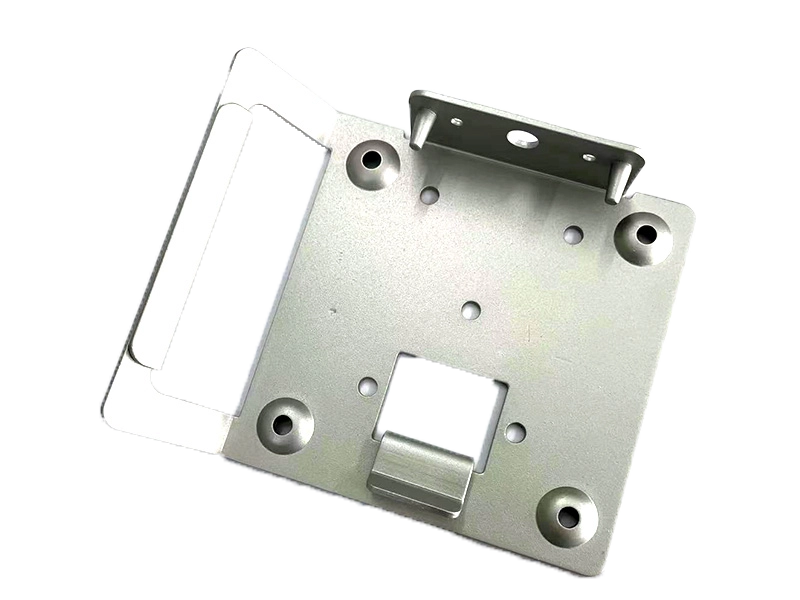
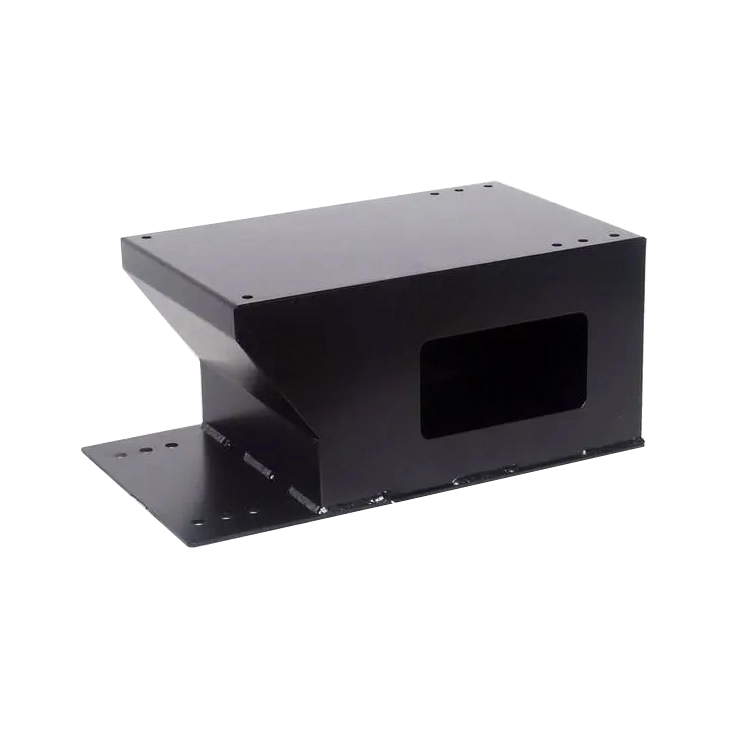
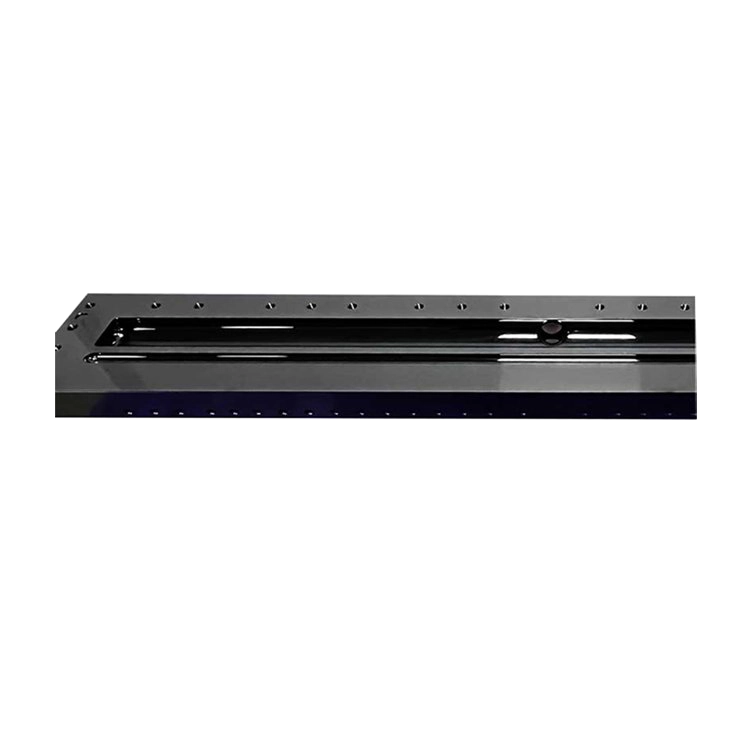
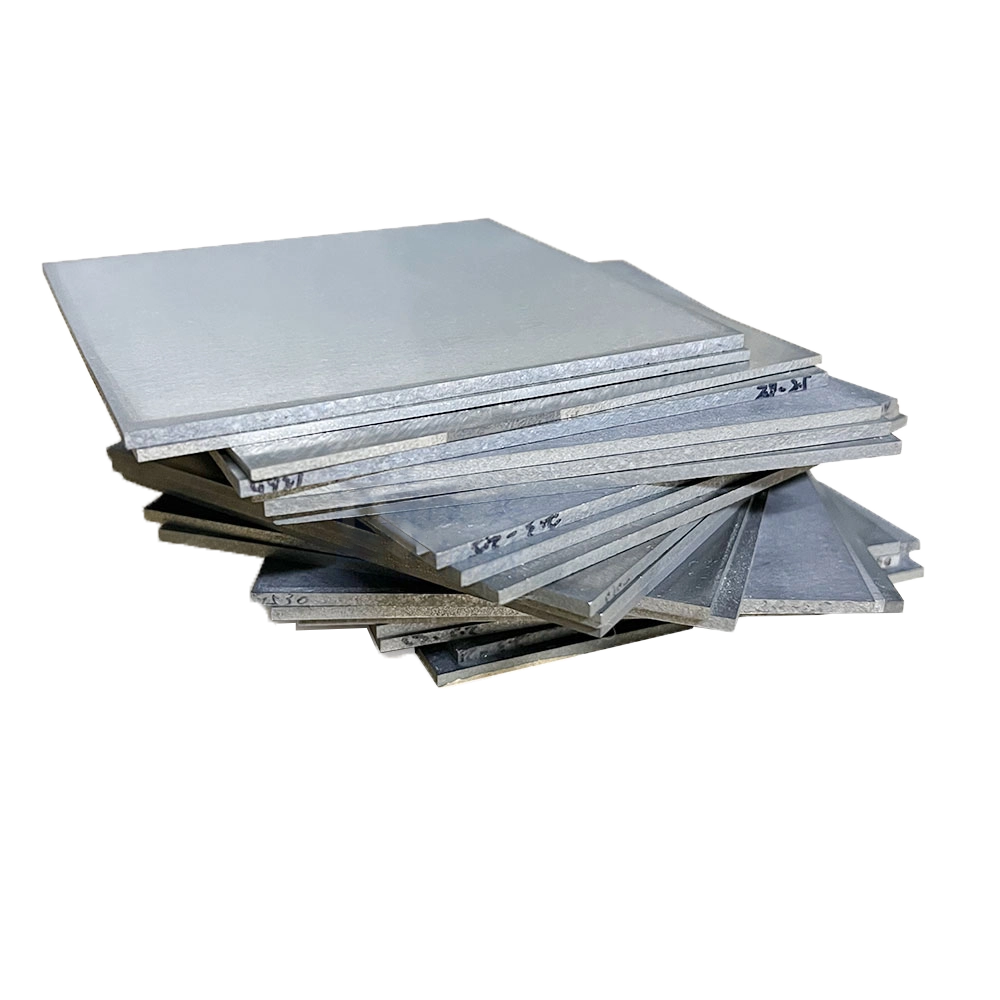
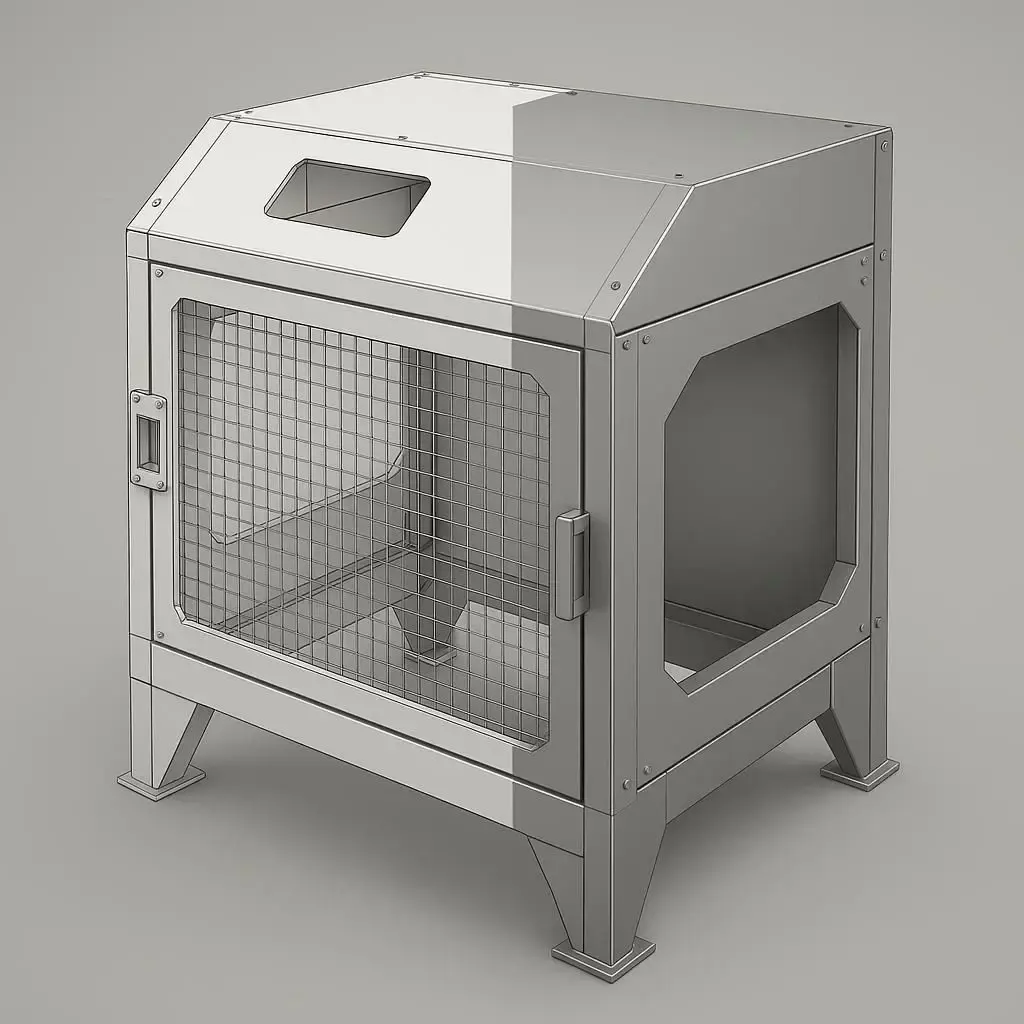
SR MFG Metal Polishing Parts Gallery
Metal Polishing FAQs
Key difference: brushing/grinding is primarily to level the surface and remove material, while polishing is to increase gloss and refine the finish.
Selection guidelines:
-
Surface condition: If there are obvious scratches, weld spatter, or burrs, start with brushing/grinding (e.g., wheel or belt to remove ~0.05–0.10 mm allowance), then polish.
-
Finish requirement: For structural surfaces with Ra > 1.6 µm, brushing/grinding is usually sufficient; for cosmetic A-surfaces with Ra < 0.8 µm, polishing is typically required.
-
Material behavior: Softer metals (aluminum, copper) should avoid aggressive coarse grinding because abrasive particles can embed; harder materials (stainless steel, tool steels) can be brushed first and then fine-polished.
-
Process route: Brushing/grinding → semi-finish polish → final polish. Skipping the brushing step can leave coarse marks that polishing won’t fully remove.
-
Simple rule of thumb: If you need to remove material, choose brushing/grinding; if you need to increase smoothness and gloss, choose polishing.
Common industry practice:
-
Direction marking: Use arrows to indicate grain direction (e.g., “→” or “↘”) on the drawing notes or relevant views.
-
Area definition: Always specify for A-surfaces; B-surfaces can be simplified. For complex curved parts, define zones (e.g., “Zone 1: circumferential; Zone 2: axial”).
-
Symbol convention: Use ISO 1302 (or equivalent) surface finish symbols and add a lay/texture direction symbol where applicable.
-
Process note: Add clear instructions such as “grain parallel to the part’s long axis” or “polish along the machining marks” to avoid cross-grain work that creates new scratches.
-
Execution control: Approve a first article and retain a reference sample; production follows the approved grain direction to prevent haze from reverse polishing.
Yes. Reporting is typically available in two categories:
-
In-house inspection reports: Film thickness mapping using magnetic induction/eddy-current gauges (typical accuracy around ±1 μm), adhesion tested per cross-hatch (e.g., ISO 2409), and corrosion validation via neutral salt spray (e.g., ASTM B117). Sampling reports can be provided by batch.
-
Third-party certified reports: Accredited third-party reports (e.g., CNAS/CMA-qualified labs) can be arranged for key metrics such as thickness uniformity (e.g., CV ≤ 10%), adhesion (commonly 0–1 grade targets where specified), and salt spray performance (e.g., 240–1000 hours, as required). Formal reports can be provided after first-article production for project acceptance.
Yes—and for A-surfaces and precision mating areas, records are strongly recommended.
Typical approach:
-
Equipment: Handheld roughness tester (e.g., Mitutoyo SJ-210) or a benchtop profilometer; stylus radius typically 2–5 µm.
-
Parameters: Ra (arith. average), Rz (max height), Rmax (peak-to-valley). Cosmetic A-surfaces may require very low Ra, such as 0.02–0.08 µm, depending on the finish and spec.
-
Measurement locations:
-
A-surfaces: 100% inspection when required; 3–5 points per part covering center, edges, and corners.
-
B-surfaces: 10–20% sampling, focusing on assembly contact areas.
-
Weld transitions: Measure about 5 mm on both sides of the weld toe to confirm a smooth blend (often paired with a radius target such as R > 0.5 mm, if specified).
-
-
Record content: Measurement location map, values, timestamp, and operator ID; retain records (e.g., at least one year) per your quality plan.
-
Notes: Clean the surface before measurement to avoid oil skewing results; allow parts to cool after polishing (e.g., ~30 minutes) to reduce thermal effects.
Typical capability (depending on weld condition and access):
-
Visual: Weld discoloration and arc marks can be removed to restore a uniform metallic appearance.
-
Roughness: Weld-zone Ra can often be reduced from ~3.2 µm to around 0.4 µm, with the transition-to-base-metal difference controlled to <0.2 µm.
-
Blend radius: A smooth transition radius of about R0.3–0.5 mm can be achieved with no perceptible step.
-
Material removal control: Removal depth can be controlled to <0.02 mm to minimize impact on strength.
Limits and recommendations:
-
Not suitable for: Undercut >0.5 mm or cracks—these typically require weld repair before finishing.
-
Best cosmetic result: When paired with electropolishing, weld and base metal gloss can be made more uniform (e.g., gloss difference <5%, when applicable).
-
Efficiency: Manual finishing is typically ~5–10 minutes per meter of weld; automated options can improve speed (e.g., ~3 minutes/meter).
-
Suggested route: Remove excess weld reinforcement first, then refine with a weld finishing tool, and finally do overall polishing to avoid local “dishing.”
Core principle: separation + cushioning + clear handling identification to prevent abrasion and particle contamination.
Typical packaging options:
-
Individual packing:
-
Apply PE protective film on A-surfaces (e.g., ~0.05 mm, low-tack) or static-cling film.
-
Add corner protectors (EPE foam) to prevent edge damage under stacking load.
-
Use non-woven fabric bags or bubble sleeves; avoid paper that can shed fibers.
-
-
Bulk packing:
-
Use interleaves such as anti-scratch paper or EVA foam; limit stack height (e.g., ≤20 parts per layer).
-
Maintain spacing (e.g., ≥5 mm) to avoid direct contact.
-
Add desiccant and keep humidity controlled (e.g., <60%) to reduce moisture-driven corrosion risks.
-
-
Transit protection:
-
Mark cartons: “Polished precision surface—no rolling, no heavy stacking.”
-
Line crates with felt/flocking to avoid hard contact; use dedicated racks or suspended handling to reduce vibration.
-
-
Special cases: For soft metals like titanium or aluminum alloys, sealed packaging (including inert gas options in specific cases) can help reduce oxidation and handling marks.
-
Packaging acceptance check: After packing, sample inspect (e.g., 10%) and visually verify under strong lighting (e.g., 2000 lux) that no new scratches were introduced.
Metal Polishing Technical Resources

Hello world! ( Cloned ) ( Cloned )
Tan161130.2026-03-13T09:16:13+00:00March 13, 2026|
欢迎使用 WordPress!这是您的第一篇文章。您可以编辑或删除它,然后开始写作!
Hello world! ( Cloned )
Tan161130.2026-03-13T09:15:55+00:00March 13, 2026|
欢迎使用 WordPress!这是您的第一篇文章。您可以编辑或删除它,然后开始写作!
The Complete RFQ Guide for Sheet Metal Fabrication: How to Request Quotes Efficiently, Reduce Risk, and Optimize Costs
Tan161130.2026-03-10T09:41:05+00:00March 10, 2026|
Preparation Before Requesting a Quote Before sending out an RFQ, the quality of your preparation has a direct [...]