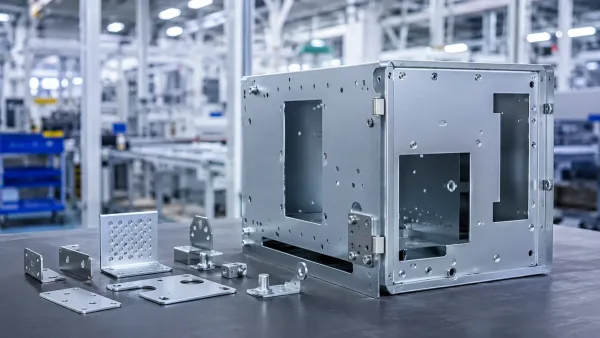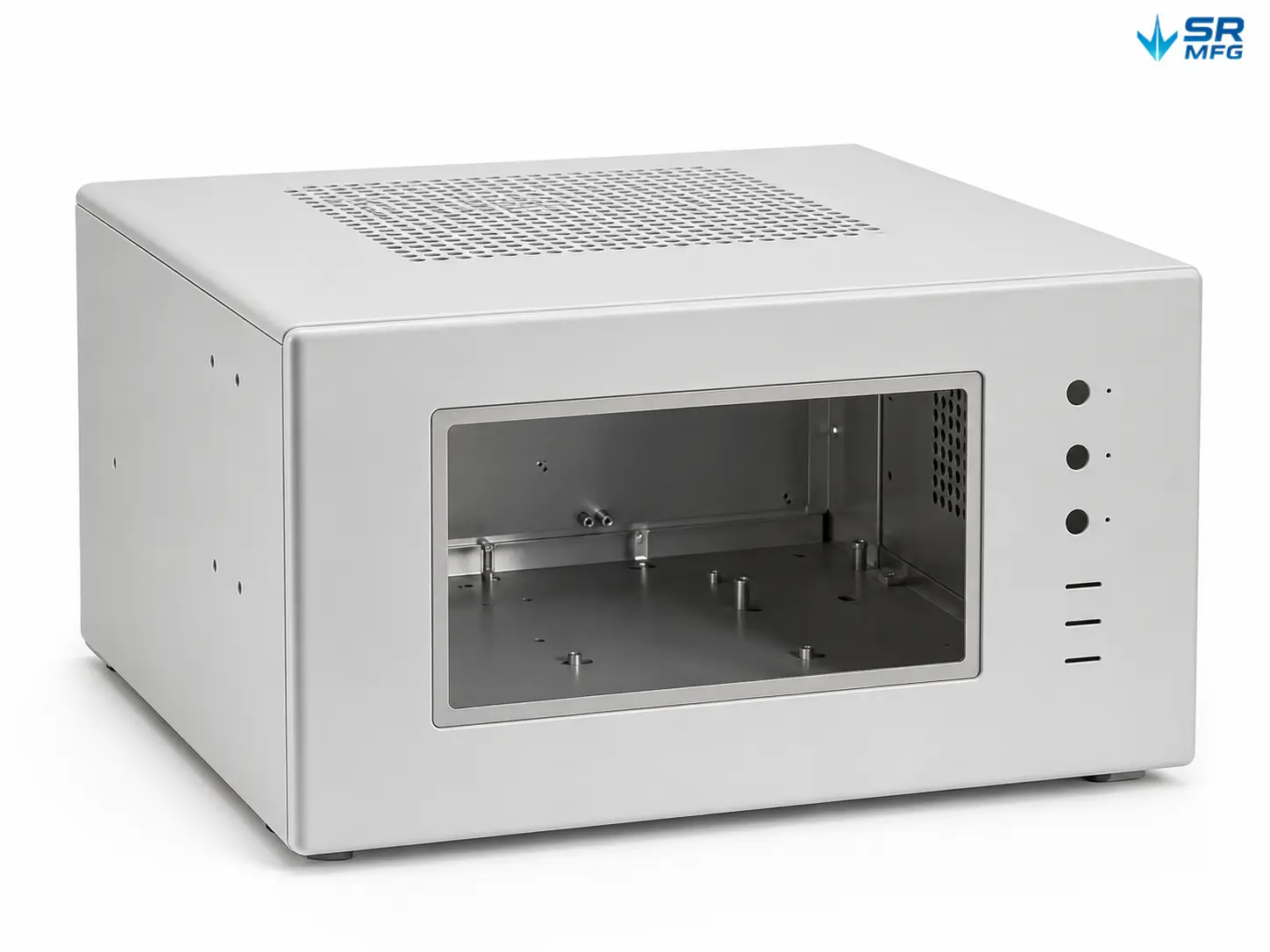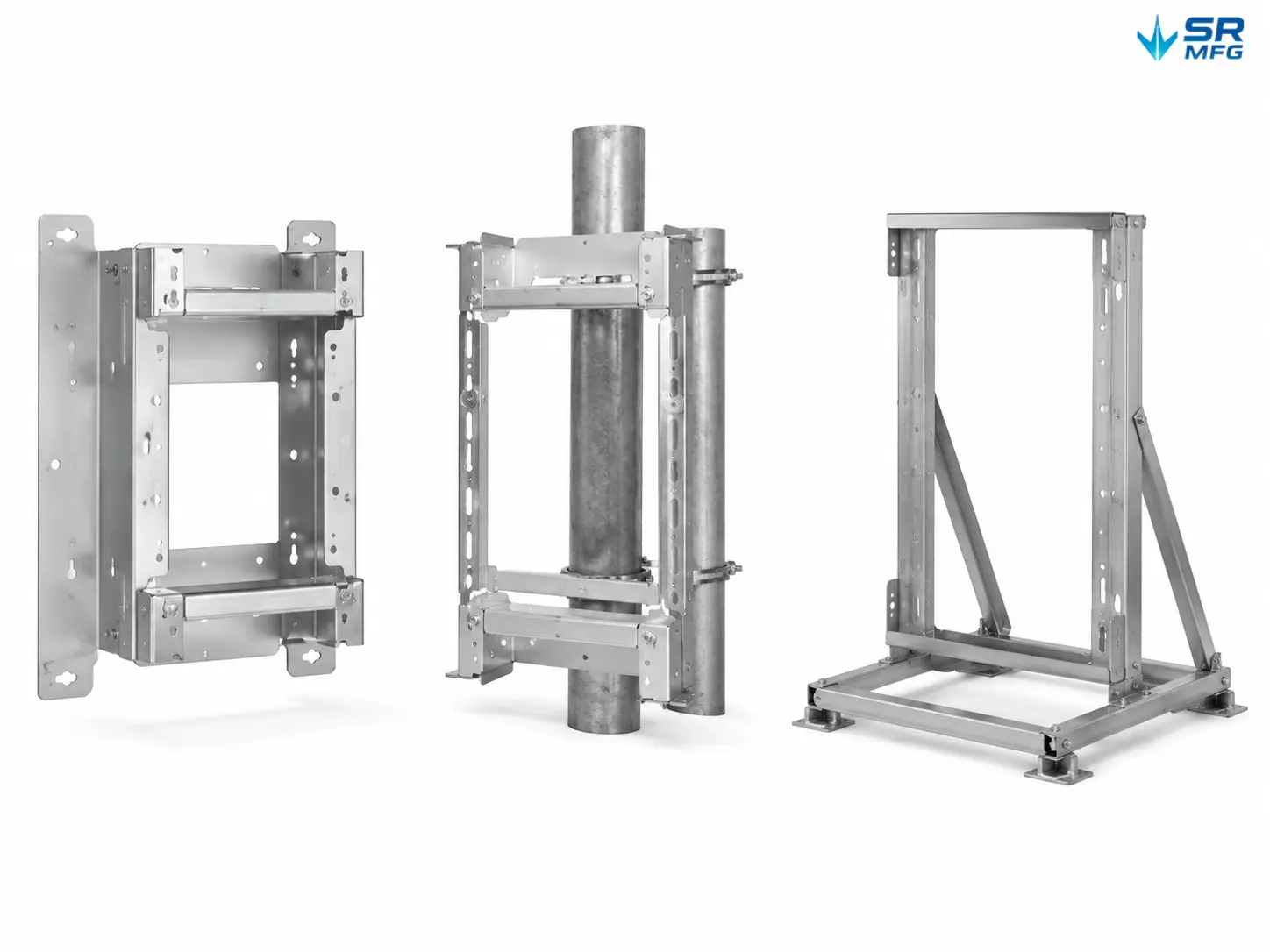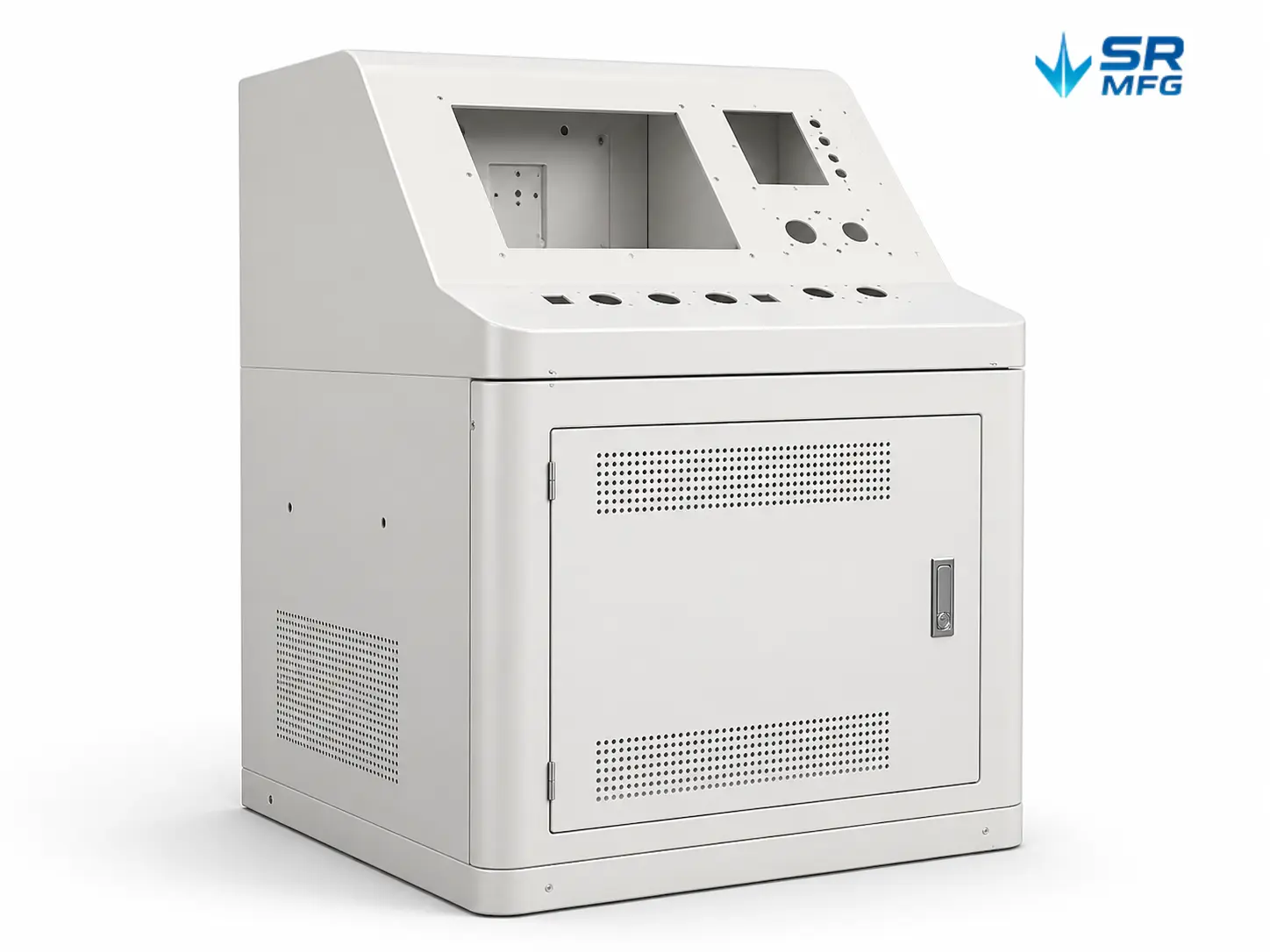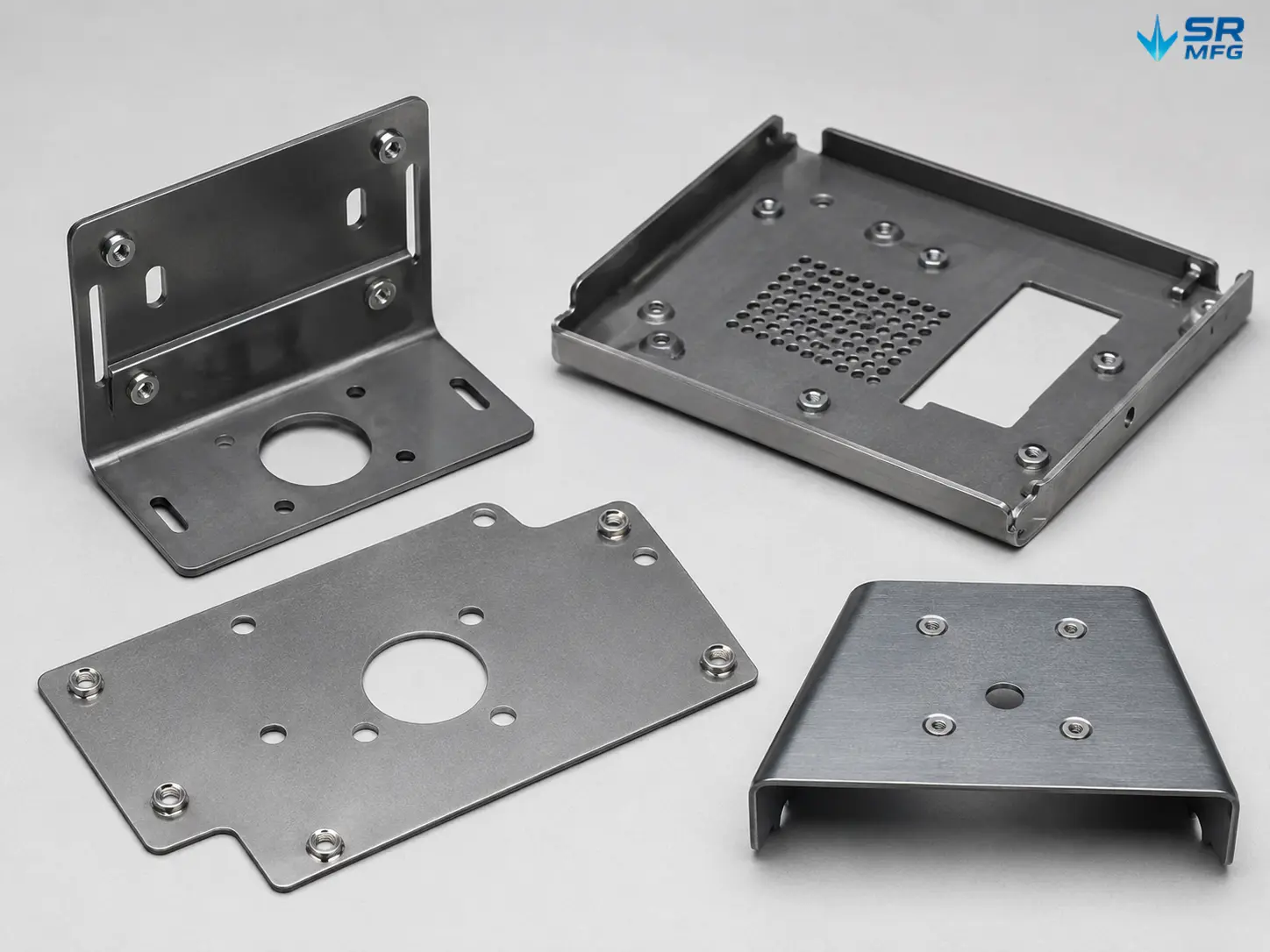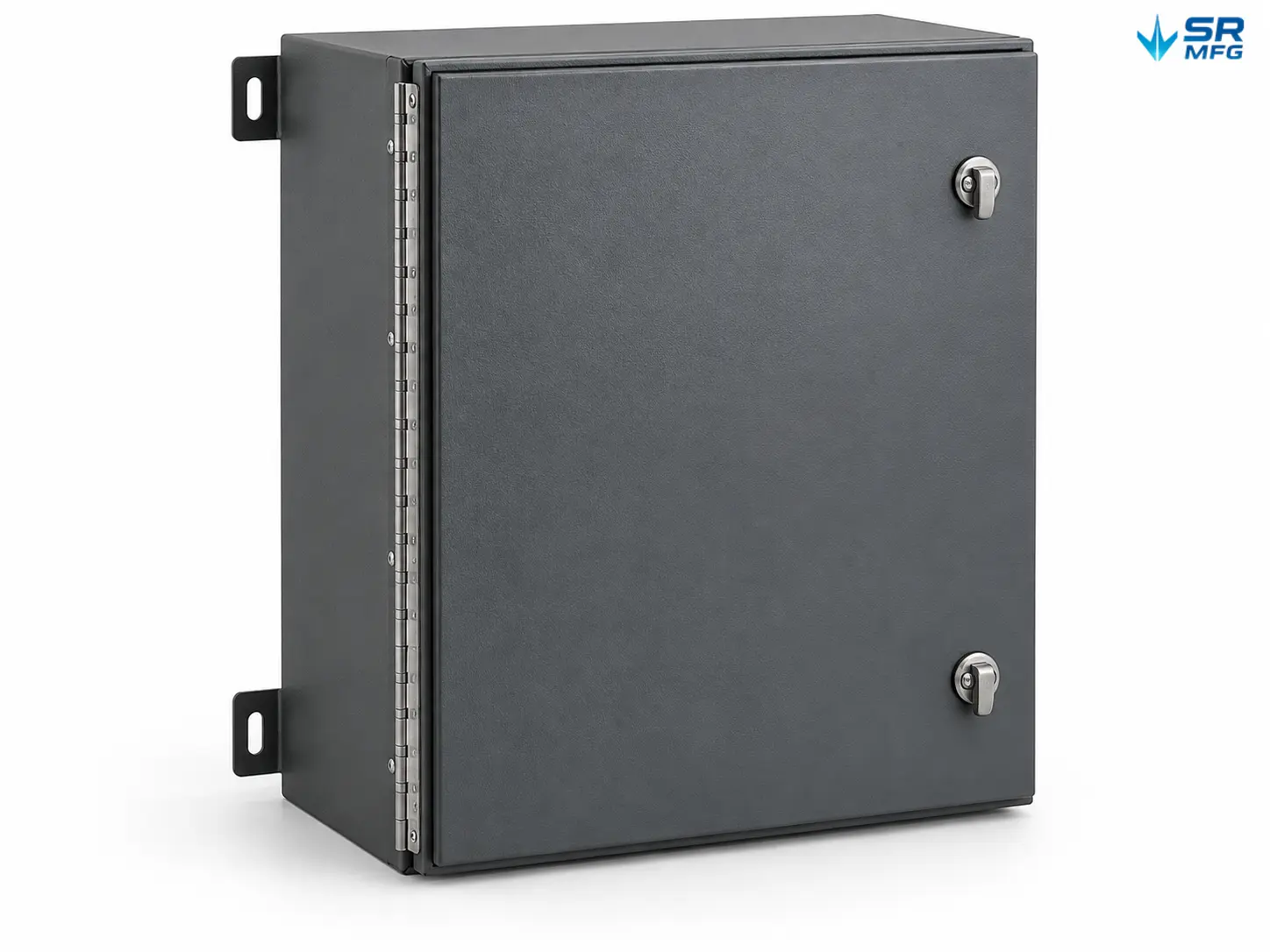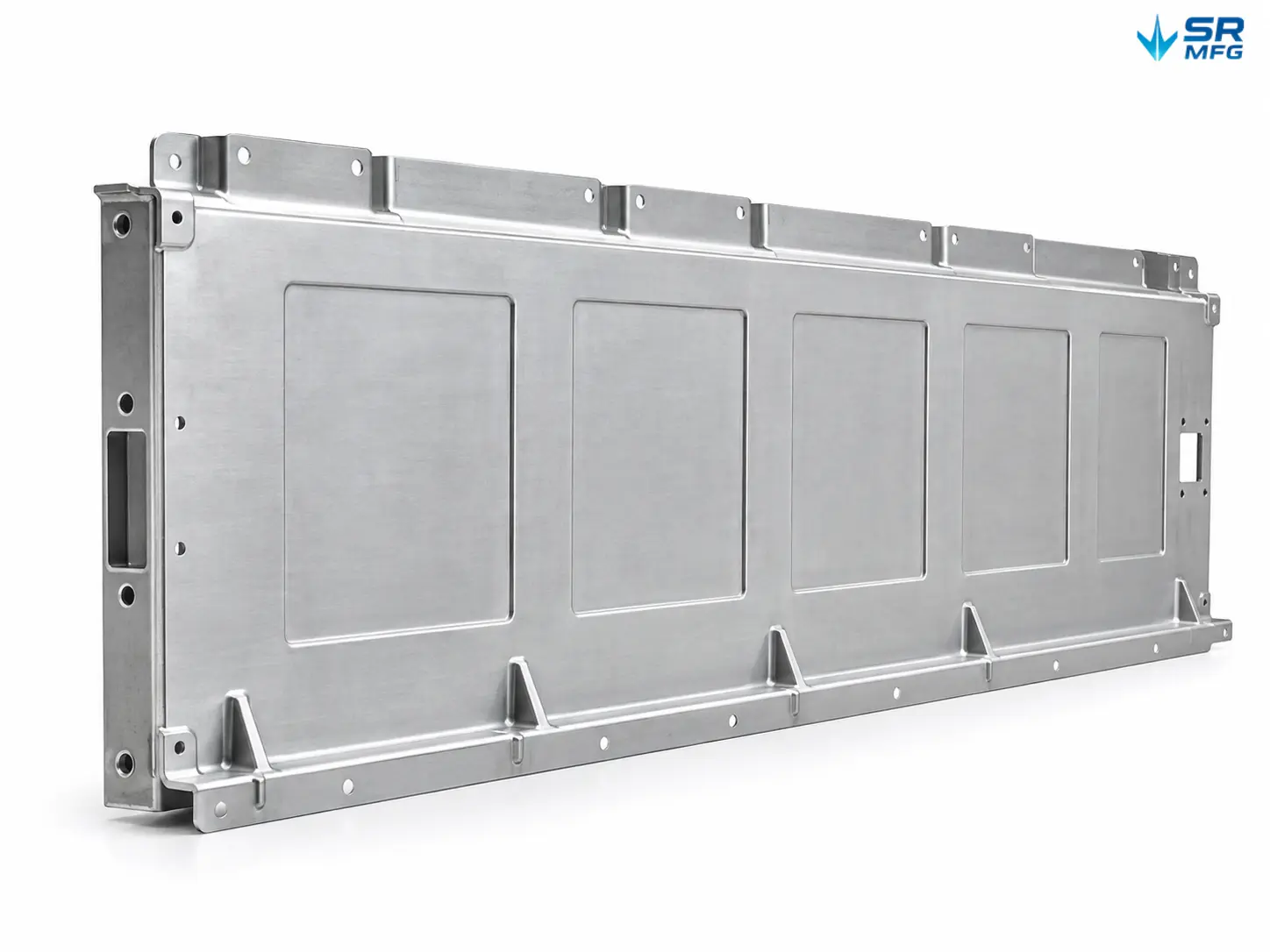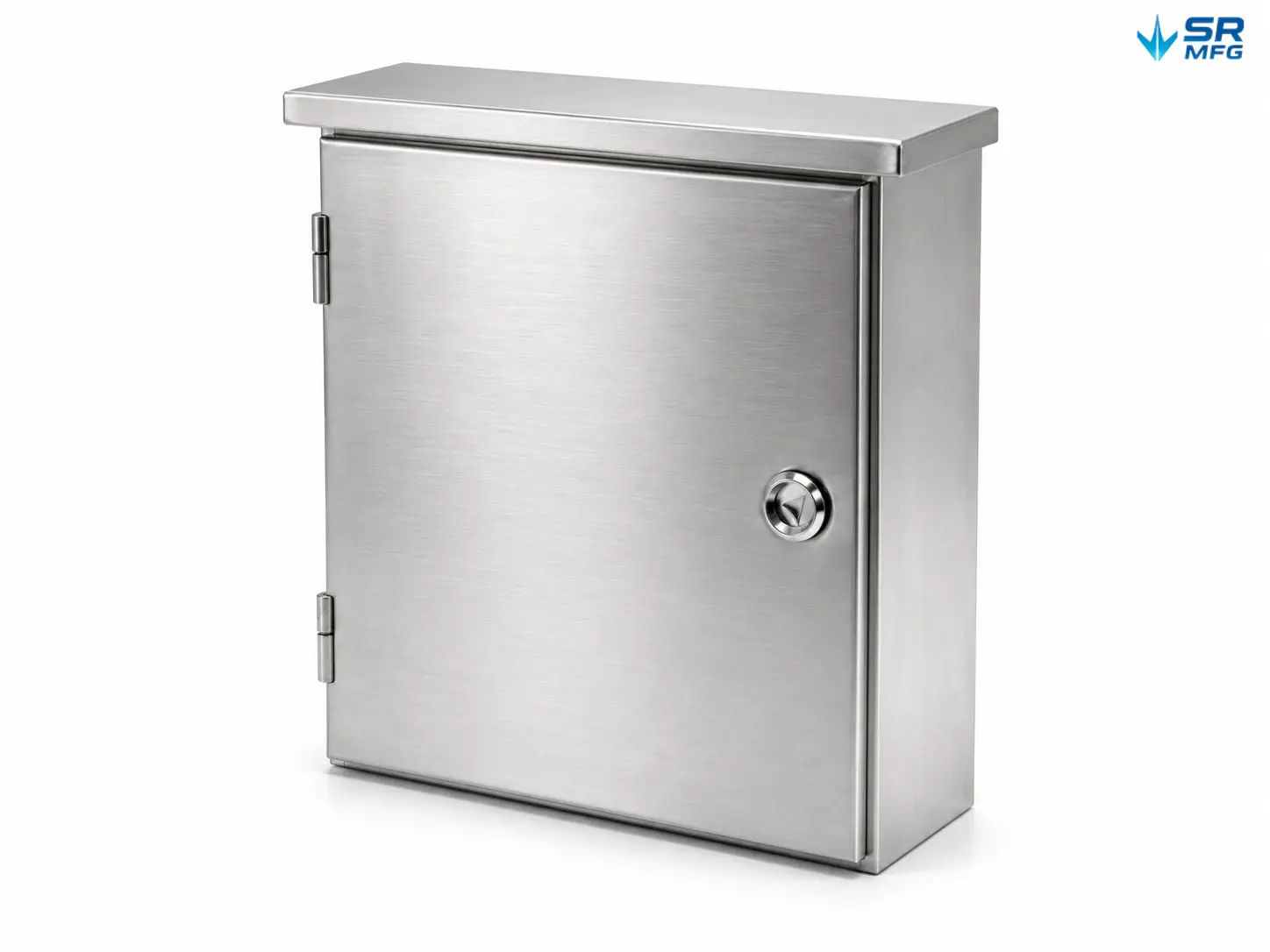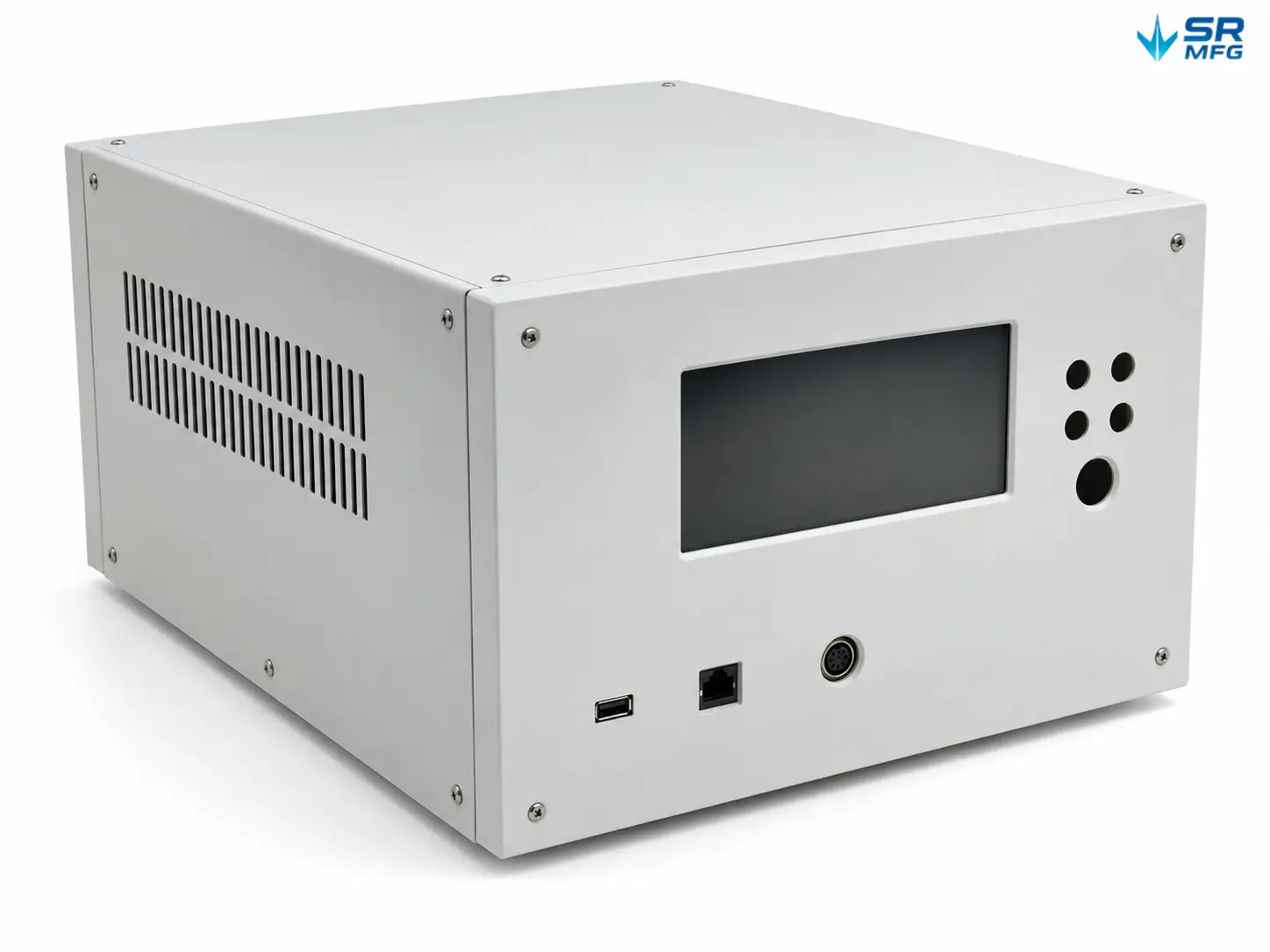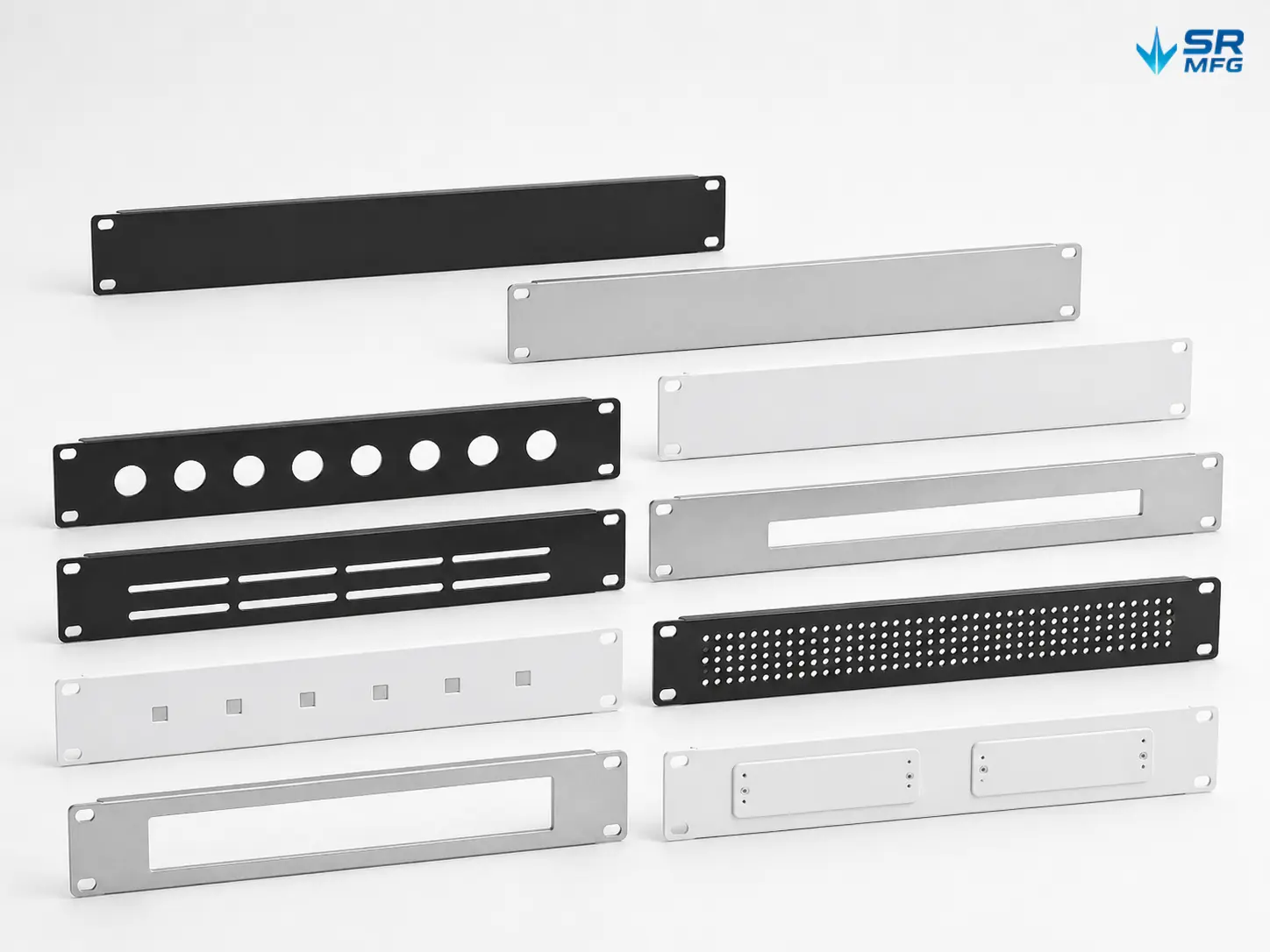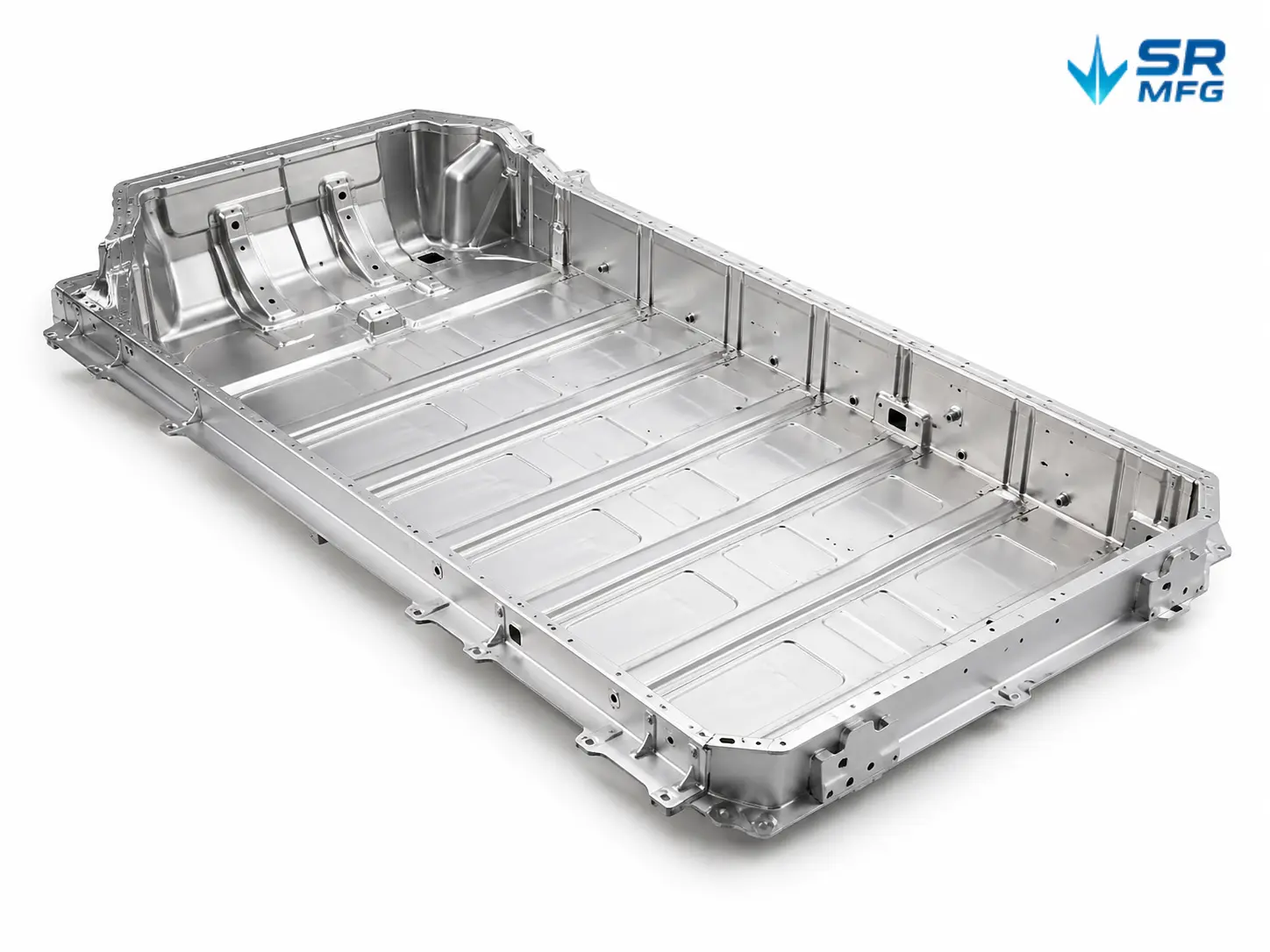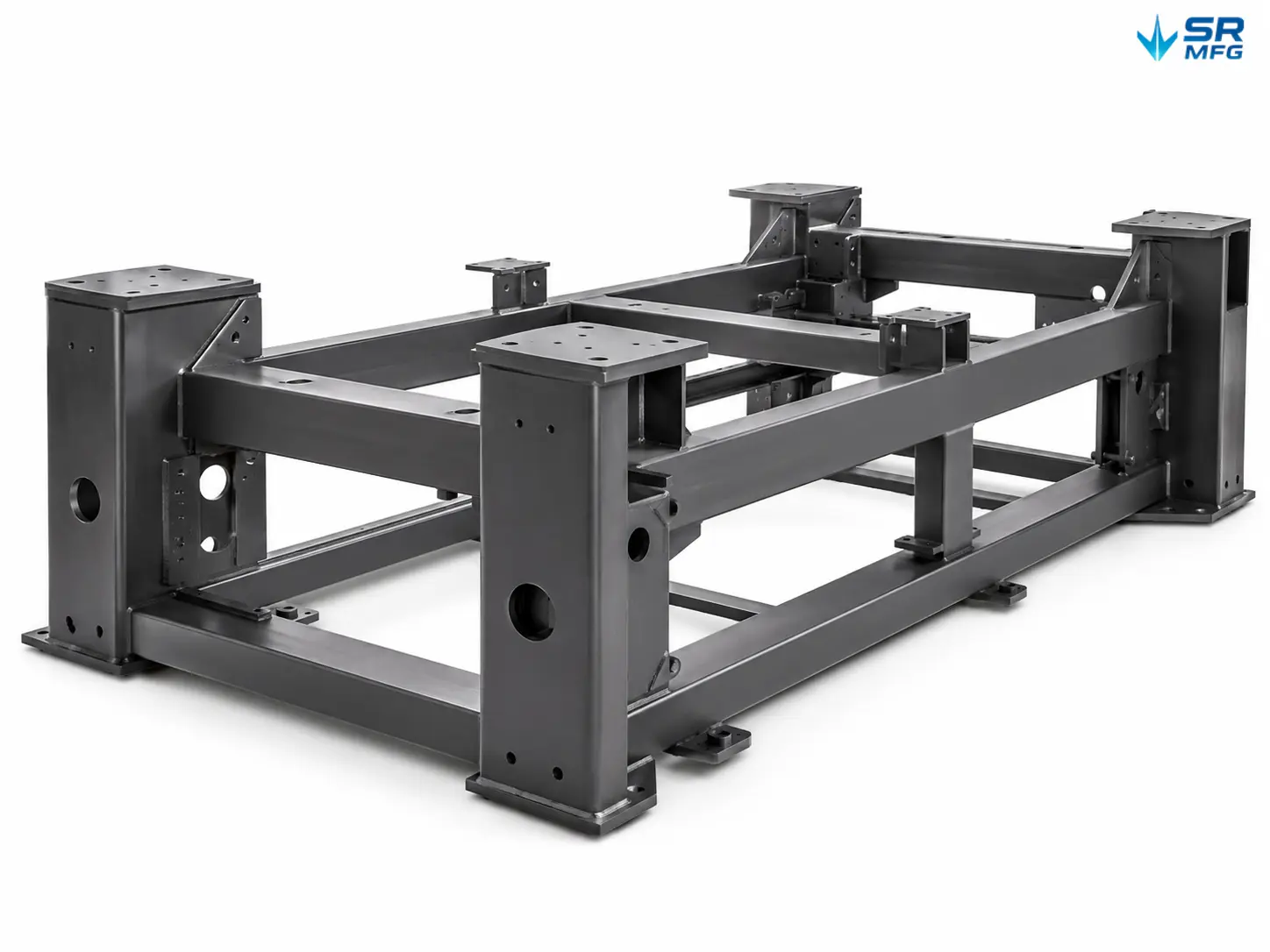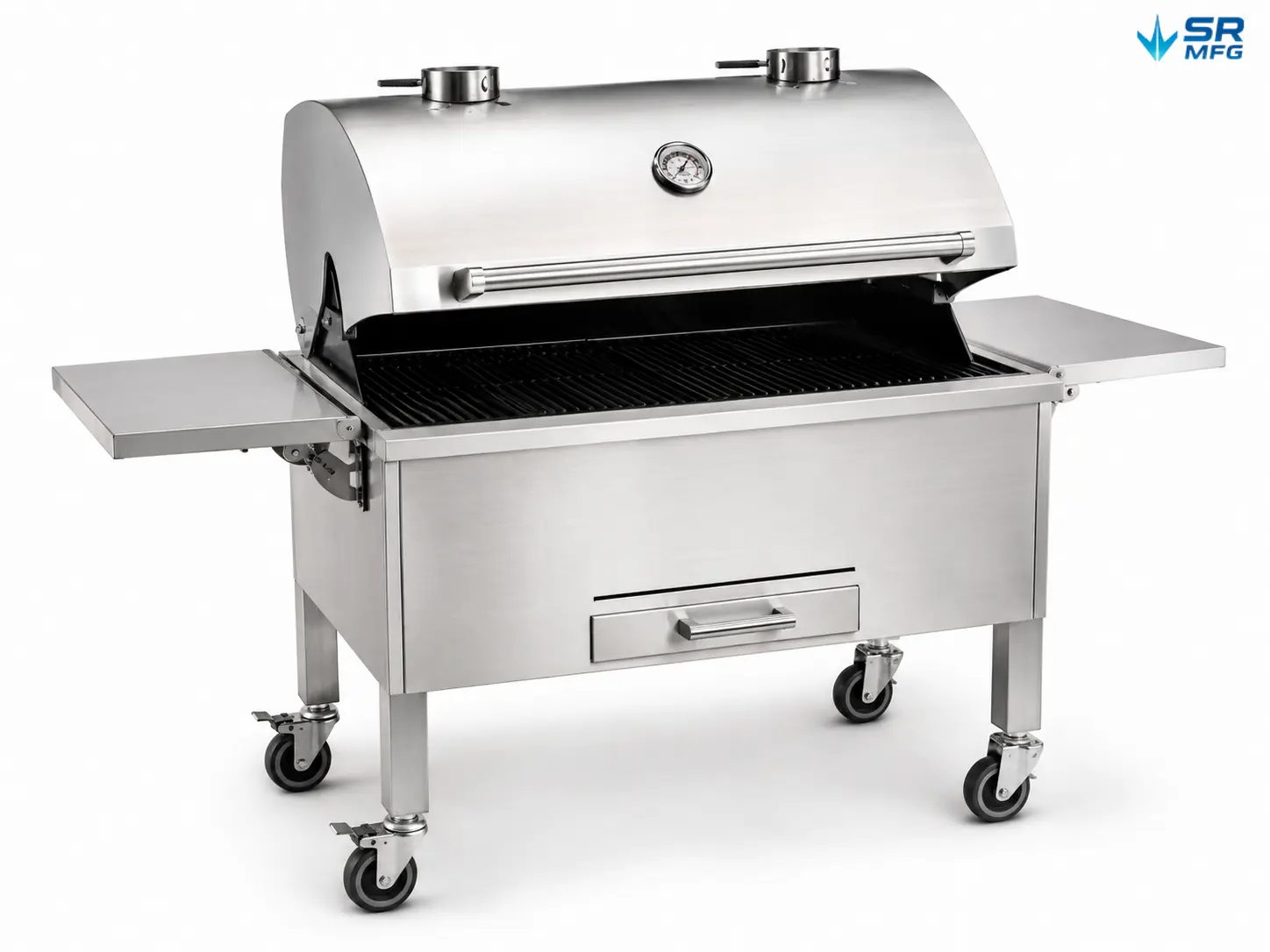
Secondary Operations for Assembly-Ready and Ready-to-Ship Metal Parts
Many sheet metal projects fail in the final details—sharp edges, incomplete deburring, missing tapped holes, inconsistent packaging, or mixed-part labeling. These small issues can delay assembly, increase rework, and create avoidable delivery risk.
SR MFG’s secondary operations help move your project from fabricated parts to ready-for-acceptance delivery—with deburring, tapping, hardware insertion, light assembly, inspection, packaging, and documentation managed in one workflow.
SECONDARY OPERATIONS
What Are Secondary Operations in Sheet Metal Fabrication?
In sheet metal manufacturing, secondary operations are the follow-on processes performed after primary fabrication steps, such as laser cutting, stamping, bending, or welding.
These operations turn semi-finished parts into assembly-ready components with controlled edge condition, hole quality, hardware installation, surface finish, inspection status, and proper packaging.
They help ensure parts meet final dimensional, surface, functional, and shipment requirements so they can move directly into assembly, installation, or customer acceptance.
Secondary operations help reduce rework, improve consistency, and deliver parts that are ready for the next step.
Secondary operations help reduce rework, improve consistency, and deliver parts that are ready for the next step.
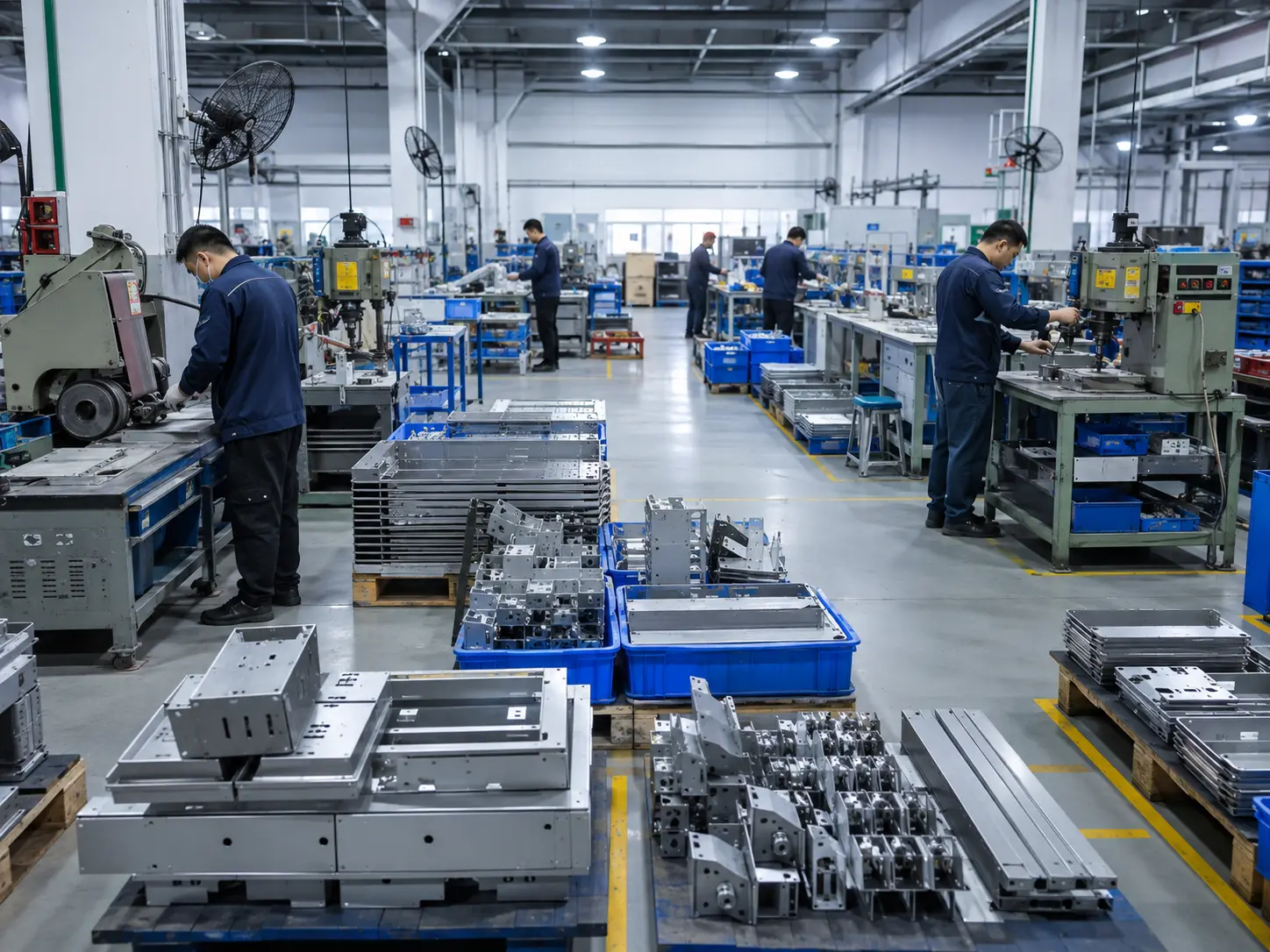
Assembly-Ready
Prepared for installation or final assembly
Common Secondary Operations Include
Deburring &
Edge Finishing
Tapping &
Threading
PEM / Rivet
Hardware Insertion
Countersinking
& Chamfering
Light Assembly
& Fastening
Inspection &
Quality Checks
Labeling &
Packaging
Secondary Operations & Finishing Support
From surface preparation to assembly and packaging, our secondary metal fabrication processes help you get partsassembly-ready, shipment-ready, and production-ready.
Remove burrs and sharp edges from cut, stamped, or machined parts.
- Improves safety and handling
- Reduces fit-up and assembly interference
- Helps prepare parts for coating or finishing
- Edge requirement: burr-free, edge break, or radius
- Critical cosmetic or functional surfaces
Control edge radius, chamfer, or break-edge conditions for functional parts.
- Reduces sharp-corner risk
- Improves coating coverage on edges
- Supports safer handling and installation
- Target radius, chamfer, or break-edge rule
- Edges, holes, or weld seams requiring treatment
Create threaded holes or thread features for fastening and assembly.
- Adds internal threads after cutting or forming
- Supports screw fastening and assembly
- Can be combined with inspection checks
- Thread size, depth, and tolerance
- Thread inspection or gauge requirement
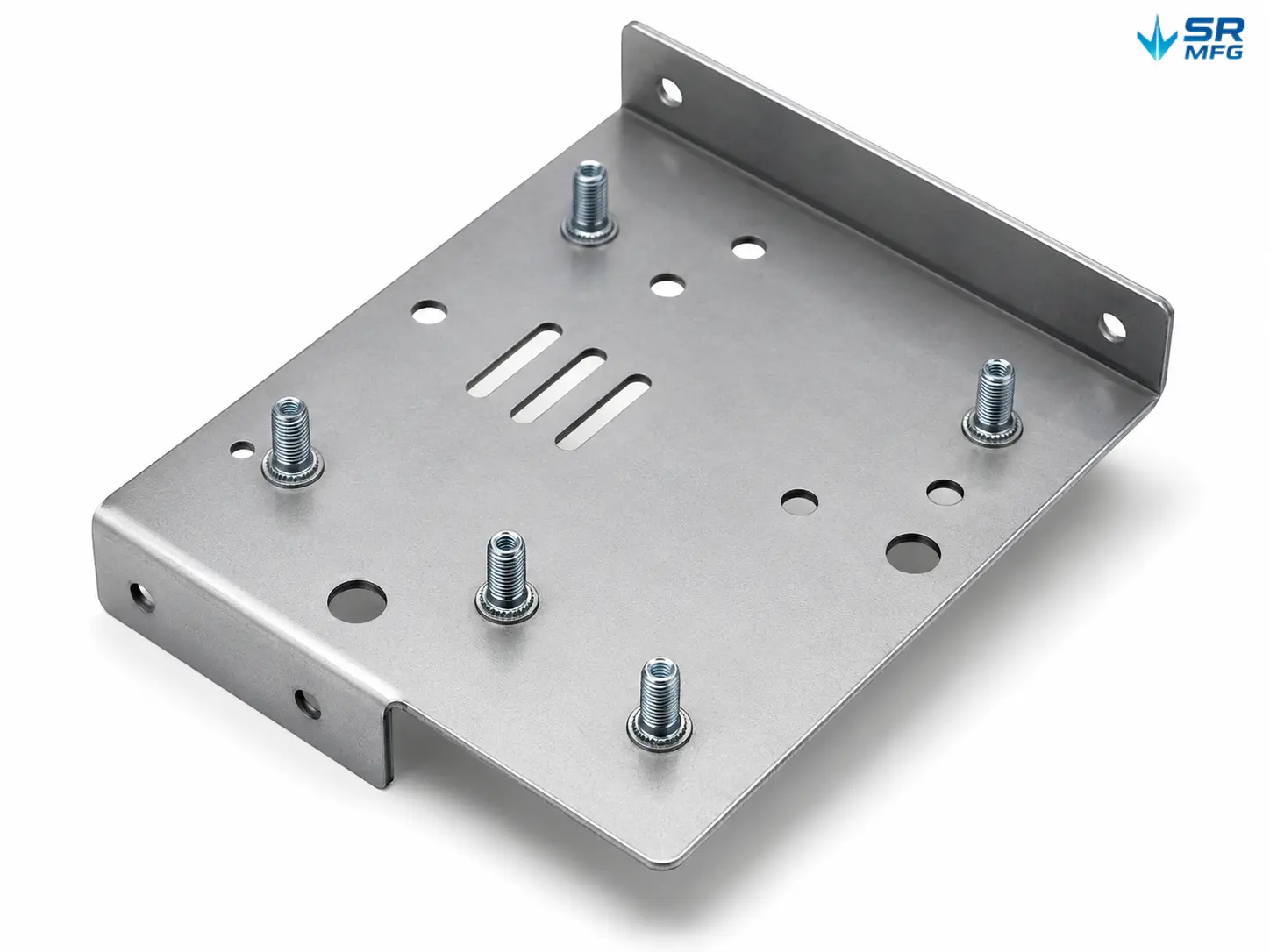
Install nuts, studs, standoffs, rivets, or fastener hardware into sheet metal parts.
- Adds permanent fastening points
- Improves assembly speed and repeatability
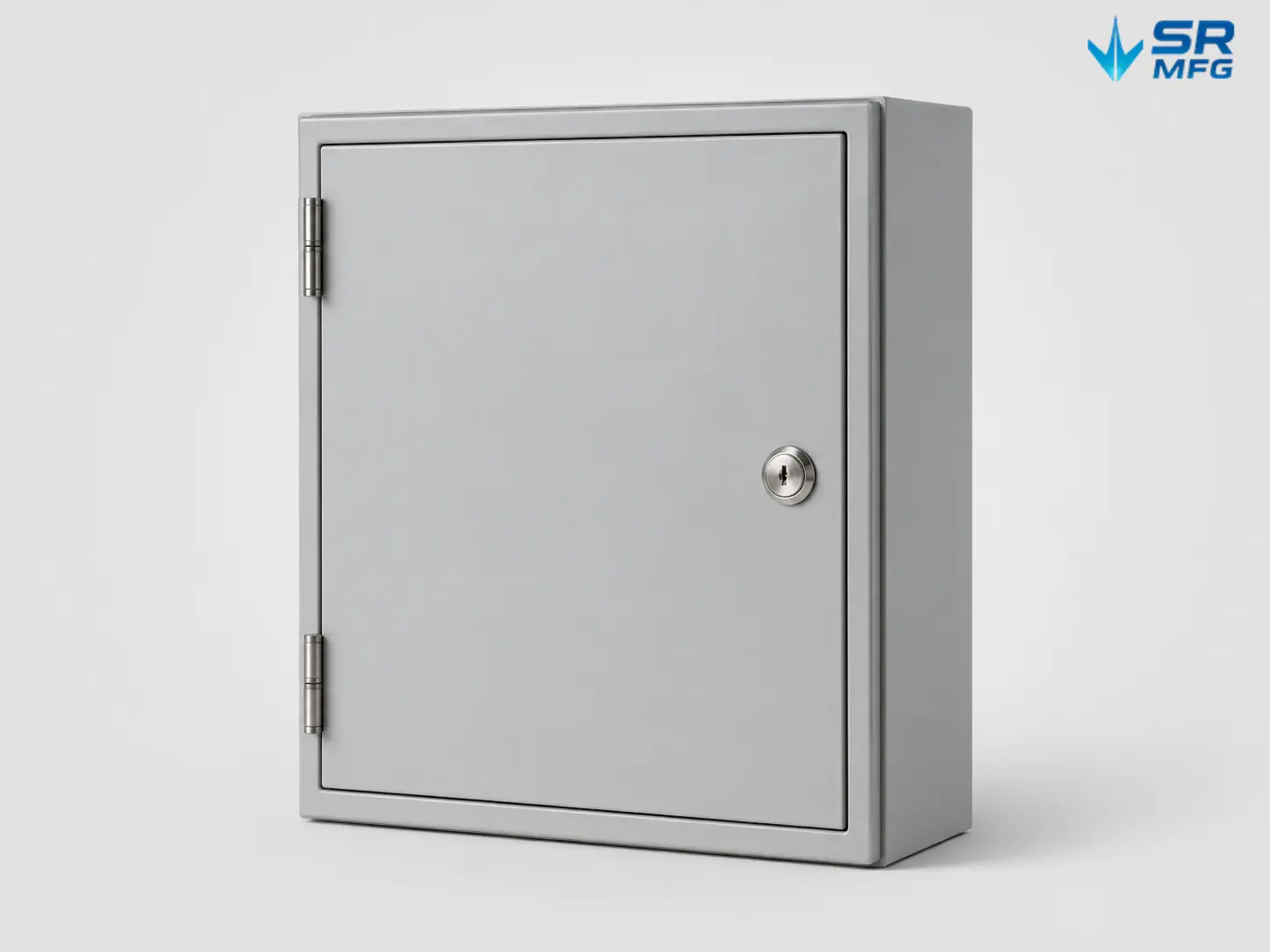
- Supports enclosure, bracket, and panel builds
- Hardware type, brand, and part number
- Pull-out, torque, or installation requirement
Create countersunk or chamfered features for flush fasteners and clean edge transitions.
- Supports flush screw installation
- Improves part fit and assembly appearance
- Reduces sharp hole edges
- Countersink angle, diameter, and depth
- Fastener type and critical hole locations
Standardize appearance, texture, gloss, and roughness on visible surfaces.
- Improves cosmetic consistency
- Controls grain direction and surface texture
- Reduces light scratches or oxidation marks when feasible
- Finish sample, grain direction, or roughness target
- Cosmetic grade and protected areas
Remove oils, coolant, particles, and residues from holes, slots, and internal cavities.
- Improves cleanliness before coating or assembly
- Helps remove contaminants from complex geometry
- Can support clean packaging requirements
- Contaminant type and cleanliness target
- Drying, water spot, or packaging requirement
Assemble, inspect, label, kit, and pack parts according to delivery requirements.
- Supports light assembly and fastening
- Provides inspection and documentation checks
- Reduces shipping damage and mixed-part risk
- BOM, work instructions, or inspection standard
- Labeling, kitting, and packing method
Provide clear requirements, we deliver consistent results. Please define edge condition, thread specs, hardware type, finish target, inspection points, labeling, and packing method when available.
Request a QuoteWhy Secondary Operations Matter for Assembly-Ready Parts
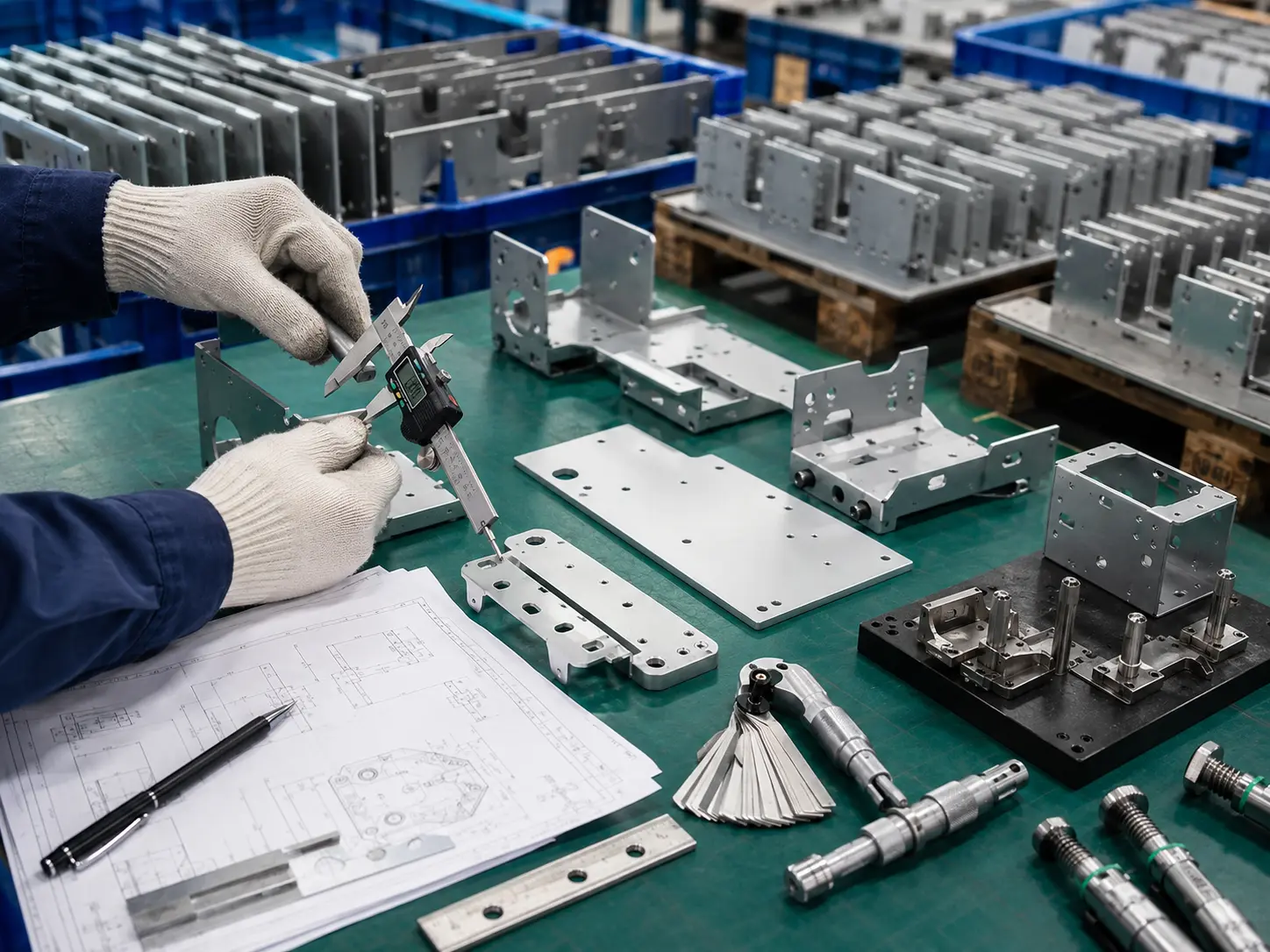
Secondary operations are not just finishing steps—they help determine whether a part is ready for fit-up, assembly, inspection, and final delivery.
- Supports accurate locating surfaces and hole positions
- Helps parts align correctly during installation
- Reduces assembly trial-and-error
- Deburring and edge finishing improve handling safety
- Helps avoid fit-up issues and coating defects
- Important for cosmetic and functional edges
- Welding, grinding, and fastening can affect geometry
- Process control helps maintain assembly tolerance
- Reduces rework and installation problems
- Inspection confirms the part is ready to install
- Records help trace issues back to the process step
- Improves acceptance and delivery confidence
Engineering Note: Assembly-ready requirements should be defined early, including datum surfaces, hole locations, edge conditions, joining method, tolerance expectations, and final inspection criteria.
Material Considerations for Secondary Operations
Different metals react differently to secondary processes such as deburring, grinding, polishing, cleaning, and assembly. Understanding material characteristics helps ensure consistent quality and assembly-ready results.
Corrosion-resistant and strong. Common for industrial, medical, food-service, and architectural sheet metal parts.
- Deburring, edge finishing, polishing, satin finishing
- Cleaning, passivation, assembly, and protective packaging
- Prevent iron contamination, fingerprints, and visible scratches
- Maintain consistent grain direction and cosmetic finish
- Use proper tooling and process control for visible surfaces
- Material grade, such as 304 or 316
- Surface finish, grain direction, and protected areas
- Cleaning or passivation requirements if needed
Cost-effective and widely used. Suitable for formed, welded, painted, plated, and assembled metal parts.
- Deburring, tapping, threading, grinding, and chamfering
- Welding, fastening, assembly, coating, and packaging
- Control rust during production, storage, and shipment
- Clean oil, scale, and debris before coating or plating
- Welding may cause distortion; fixture and sequence control matter
- Steel grade, thickness, and coating or plating requirements
- Welding, distortion control, and inspection standards
- Packing method for rust and handling protection
Lightweight with good corrosion resistance. Common for equipment, electronics, transportation, and enclosure parts.
- Deburring, chamfering, polishing, brushing, and light assembly
- Anodizing preparation and cosmetic surface control
- Soft material; easy to scratch, dent, or deform
- Use sharp tools, clean handling, and proper fixturing
- Avoid cross-contamination with steel particles
- Alloy grade, such as 5052, 6061, or 7075
- Surface finish, anodizing, or color requirements
- Critical cosmetic surfaces and protection method
Steel sheet with zinc coating for corrosion protection. Common for enclosures, brackets, and outdoor applications.
- Deburring, edge finishing, light forming, and assembly
- Non-structural parts where zinc coating must be protected
- Avoid excessive grinding that removes the zinc layer
- Welding may produce zinc fumes; ventilation is required
- Cut edges may need post-process protection
- Zinc coating type and coating weight
- Post-process protection, such as zinc repair or paint
- Welding and fume-control requirements
Excellent conductivity and formability. Common for electrical, decorative, and precision components.
- Polishing, mirror finishing, cleaning, degreasing, and mechanical fastening
- Decorative, conductive, and appearance-sensitive parts
- Prone to oxidation, discoloration, and fingerprint marks
- Handle with clean gloves and protect surfaces during storage
- Packaging method affects final appearance quality
- Alloy type, such as C110, C260, brass, or bronze
- Surface finish, brightness, and anti-oxidation requirements
- Protective film or packaging requirements
Engineering Note: Material behavior varies by thickness, alloy grade, heat treatment, surface condition, and part design. Provide drawings, finish requirements, and application conditions so SR MFG can recommend the right secondary operation route.
Explore the material library of SR MFGReady to Review Your Secondary Processing Requirements?
Send us your drawings, material, part condition after primary fabrication, required secondary operations, surface requirements, assembly details, inspection criteria, and packaging needs. Our engineering team will review the process sequence and recommend a suitable secondary processing route for your parts.
Industries & Secondary Processing Applications
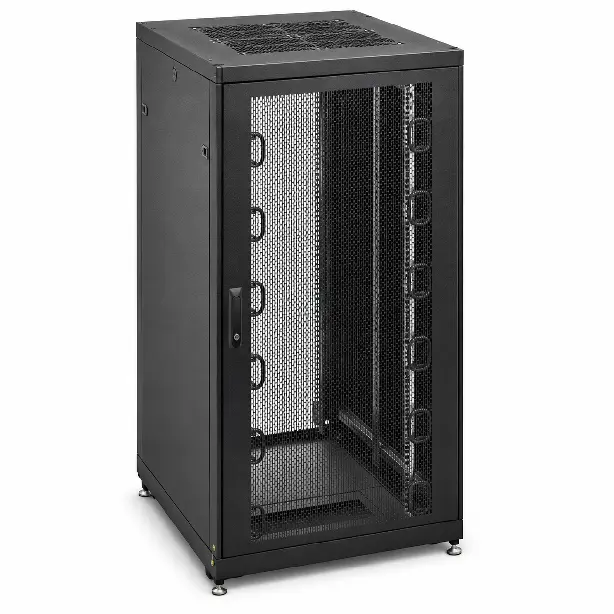
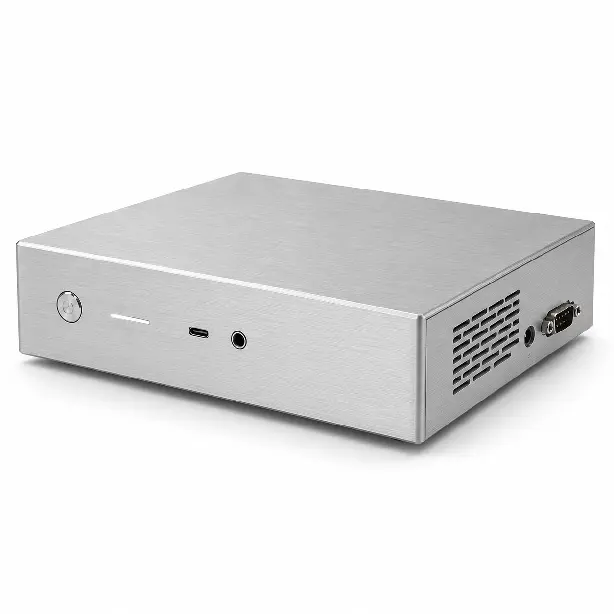
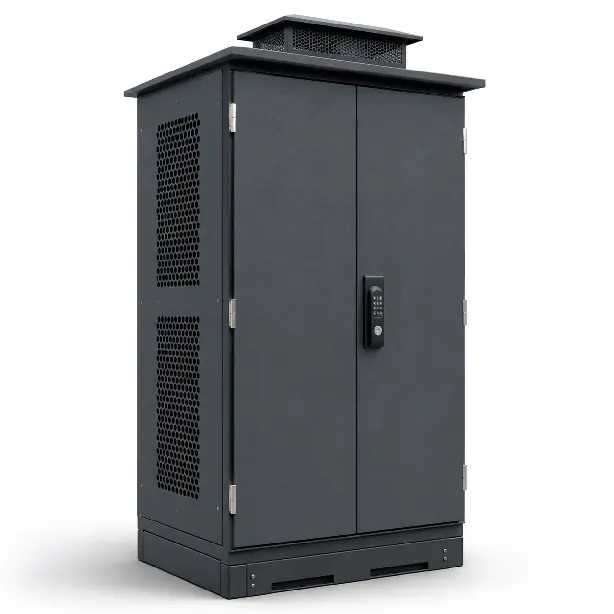
SR MFG provides secondary processing services for sheet metal parts used in data center equipment, consumer electronics, electrical systems, industrial equipment, new energy systems, and outdoor products. Secondary processing helps improve part edges, surfaces, hole features, assembly fit, and final usability after cutting, bending, welding, or forming.
We support both prototype validation and stable batch production for sheet metal parts that require deburring, tapping, countersinking, polishing, grinding, cleaning, assembly preparation, and other post-fabrication operations.