Home -> Service -> Sheet Metal Finishing -> Anodizing
Metal Anodizing Services
SR MFG offers fully managed outsourced anodizing for sheet metal projects. You work with a single point of contact for both fabrication and finishing, while we handle supplier qualification, engineering review, masking and racking requirements for critical surfaces, incoming/outgoing inspections, and documentation—reducing coordination effort and minimizing rework risk.
We can align project requirements to standards such as ISO 7599 and MIL-A-8625, defining the anodize type (Type II / Type III), thickness class, color, and sealing method, and providing lot-traceable inspection records and compliance documentation.
What Is Anodizing?
Anodizing is primarily used on aluminum—most commonly referred to as anodized aluminum. Higher-value metals such as magnesium and titanium can also be anodized, but due to cost, aluminum is by far the most common choice unless the application has specific requirements.
Anodizing is an electrochemical process. The metal is immersed in an electrolyte and energized so the surface converts into a dense oxide layer. This oxide layer is naturally porous, and color is typically achieved in two main ways:
- Dyeing: dye penetrates the pores and is then locked in through sealing.
- Electrolytic coloring: metallic salts deposit within the pores to create tones such as bronze, gray, and black.
Special effects such as interference colors are also possible. Final appearance should always be confirmed by approved samples.
Pros and Cons of Anodizing
Advantages
Excellent corrosion and wear resistance. Film thickness varies by process type: Type II (conventional anodize) is commonly around ~2–25 μm, while Type III hard anodize is typically thicker and can reach ~50 μm (≈0.002″) depending on the specification and project requirements.
Stable, premium-looking finishes with multiple color options. Dyeing and electrolytic coloring enable a range of colors with generally good UV performance. However, long-term outdoor UV durability can vary by color family (reds/blues tend to be more sensitive; darker tones are often more stable). Use approved samples and weathering requirements to validate.
Strong electrical insulation and a good base for coatings. The oxide layer has high resistivity and provides insulation. Its porous structure also makes it an excellent substrate for subsequent coatings, which can further improve performance.
Limitations
Hard but less ductile. The anodic layer can crack if the part is bent after anodizing. If the design doesn’t allow for the added film thickness, it can also affect assembly tolerances. Because anodizing is electrically insulating, areas that must remain conductive typically require selective masking or post-processing.
Material limitations and color constraints. Anodizing is mainly suitable for light metals such as aluminum, magnesium, and titanium; it is not applicable to steel, copper, or brass in the same way. Compared with wet painting or plating, anodizing has a more limited color range and is not ideal for complex gradients or special multi-tone effects.
Process complexity and cost. Anodizing involves multiple controlled steps, and unit costs can be higher—especially for low-volume or one-off parts.
Types of Anodizing
Anodizing is an electrochemical process that forms an oxide layer on metal surfaces—most commonly aluminum alloys and, in some applications, titanium alloys. In industrial manufacturing (such as vacuum-chamber components, transfer hardware, and precision metal parts), anodizing is often categorized by electrolyte chemistry, process function/film properties, and appearance.
Classified by Electrolyte Type
Produces a highly transparent film with strong dye uptake, making it well suited for both electrolytic coloring and dyeing. It offers good corrosion and wear resistance at relatively low cost. Typical applications include non-contact areas of transfer components, automotive parts, auxiliary chamber covers, and locating rings.
Typically yields a light to dark yellow film. It provides strong corrosion resistance, wear resistance, and electrical insulation, but is more expensive. Commonly used for electrical insulating layers and decorative finishes on consumer products.
Creates a gray-white to dark gray, non-transparent film. The coating is relatively thin, with good flexibility and elasticity, and it helps preserve part dimensions and surface roughness. Often used on castings, riveted assemblies, and machined parts.
Forms a thin film with a more open, porous structure and larger pore size, offering excellent absorption and bonding performance. Primarily used as a base layer/pretreatment, such as for lithographic printing plates and as a surface preparation step before bonding aluminum components.
Produces an exceptionally transparent film with a uniform pore structure and strong dye uptake, enabling deep, vivid dark colors. The coating is hard and provides solid corrosion and wear resistance. Its core intent is often to serve as an alternative to chromic acid anodizing (CAA), and it is widely used in aerospace and defense applications.
Uses customized electrolyte blends (e.g., sulfuric + oxalic) to balance multiple properties for specialized requirements—such as spray components in cleaning equipment and metal shielding covers.
Classified by Electrolyte Type
High hardness and wear resistance. Common for end-load transfer components, pressure-contact metal plates, chamber door sealing strips, gears/pistons, and automotive components.
Delivers a matte, opaque, ceramic-like appearance and structure that is stain-resistant and easy to clean. Suitable for precision instrument light-blocking parts, optical inspection stages, and premium appliance panels.
Forms a ceramic-like coating with exceptional corrosion and wear resistance. Often used for high-temperature equipment fixtures, chamber liners, critical high-end components, and new-energy battery housings.
Creates a clean, highly transparent film with mirror-like gloss and reflectivity, highlighting the metallic substrate. Often used for premium consumer electronics logos, luxury components, reflective parts, and decorative elements that require a strong metallic luster.
Classified by Appearance
Typically achieved by combining a base anodizing process (often sulfuric or hard anodize) with black dyeing. Used when a black cosmetic finish is required—for example, electronic enclosures and housings.


Film Thickness Capability & Dimensional Tolerance Control
Anodizing is a conversion coating process. Film thickness not only drives corrosion resistance, wear performance, and appearance—it also causes dimensional change. During quoting and NPI, SR MFG first identifies critical mating features (CTQs), then locks the thickness class, masking scope, and inspection method to reduce assembly interference and rework risk.
Film Thickness Capability
SR MFG offers multiple thickness options to meet different industry requirements for wear and corrosion performance:
| Thickness Class | Typical Thickness Range | Typical Applications | Key Performance Characteristics |
|---|---|---|---|
| Decorative | 5–15 μm | Consumer electronics, architectural trim | Good appearance with basic protection; broad color options |
| General Purpose | 15–25 μm | Industrial equipment, automotive components | Balanced protection and cost; suitable for most industrial use |
| Engineering | 25–50 μm | Aerospace, marine/offshore | Excellent wear and corrosion resistance for harsh environments |
| Hard Anodize | 50–70 μm | Tooling, guide rails, shafts | Very high hardness (HV400+), comparable to hardened steel |
Typical Dimensional Change (Reference)
| Anodize Type | Typical Thickness | Dimensional Change | Typical Use Case |
|---|---|---|---|
| Standard (natural/clear anodize) | 10 μm | ±5 μm | General industrial parts |
| Hard anodize | 50 μm | ±25 μm | Wear-critical functional components |
| Selective anodizing (masked areas) | Custom | Local change ≈ ±(DFT/2) | Parts requiring mixed conductive/insulating areas |
Note: Actual dimensional change depends on alloy, process type, and specification. Critical fits should be confirmed by drawing requirements and first-article validation.
Material Compatibility & Pretreatment Strategy
Material Compatibility
Compatibility Rating:★★★★★
Process Characteristics:Most mature anodizing process; porous film takes dye well; thickness and hardness can be tailored
Typical Applications:Consumer electronics, architectural trim, automotive components
Compatibility Rating:★★★★☆
Process Characteristics:Can produce interference-color oxide films; requires precise pretreatment and tight control
Typical Applications:Medical implants, aerospace, premium decorative parts
Compatibility Rating:★★★☆☆
Process Characteristics:Often requires specialized electrolytes and micro-arc oxidation to achieve robust performance
Typical Applications:Lightweight structures, 3C product housings
Compatibility Rating:★★★☆☆
Process Characteristics:Used to improve corrosion resistance and decorative appearance; wide color possibilities
Typical Applications:Architectural decoration, kitchen & bathroom hardware
Compatibility Rating:★★★★☆
Process Characteristics:Can produce interference-color oxide films; requires precise pretreatment and tight control
Typical Applications:Medical implants, aerospace, premium decorative parts
Pretreatment Guidelines by Material
Aluminum Alloy Pretreatment
- Add a hydrofluoric acid (HF) etch step to remove silicon-rich phases on the surface.
- Use low-temperature alkaline etching to reduce the risk of over-etching.
Titanium Alloy Pretreatment
- Use a nitric acid + hydrofluoric acid mixed acid etch to remove the native oxide layer.
- Extremely sensitive to surface contamination—processing should be done in a clean, dust-controlled environment.
Magnesium Alloy Pretreatment
- Use a mild alkaline degreasing solution to avoid aggressive attack from strong alkali.
- Apply a dedicated activation step to prepare the surface for micro-arc oxidation.
Anodizing Process Flow
Anodizing Process Overview (Video Walkthrough)
Racking → Ultrasonic degreasing/cleaning → Rinse → (optional: etching / chemical polishing) → Rinse → Desmut / oxide removal → Rinse / final DI rinse → Sulfuric acid anodizing (temperature set based on thickness and appearance requirements) → Rinse → (optional: dyeing) → Rinse → Sealing (hot water / nickel acetate / cold sealing, as required) → Final rinse → Drying (oven dry or clean air dry)
Quality Validation & Deliverables
For anodizing projects, the quality target is more than “getting the color right.” It must also ensure film thickness, sealing quality, and assembly-critical dimensions meet requirements. SR MFG manages anodizing with a project-specific inspection standard: during quoting and sampling, we align the governing specification and acceptance criteria (e.g., ISO 7599, MIL-A-8625), then lock the thickness class, color reference, masking surfaces, and test requirements into the inspection plan to ensure repeatable production.
- Appearance & color: Accepted against approved samples/color chips and the agreed cosmetic grade; lighting and viewing angle can be specified when needed.
- Film thickness (DFT): Primarily measured by non-destructive eddy-current gauges. The project defines measurement locations, average/local minimum criteria, sampling frequency, and tolerances.
- Sealing quality: Sealing verification is selected based on the application (e.g., dye spot/absorption or stain resistance, admittance, etc.) for in-process control and final acceptance.
- Corrosion / salt spray (optional): Can be performed to ASTM B117 or ISO 9227. Test type (NSS/AASS/CASS), duration, and acceptance criteria (blistering, corrosion, color shift, etc.) are defined in the PO/inspection standard.
- Other optional validation: Wear resistance (e.g., Taber/ISO methods), crack resistance after forming (bend/deformation crack evaluation), gloss/reflectance, and other tests per drawing or industry requirements.
- Sealing quality test report (e.g., dye absorption/stain resistance or admittance results)
- Salt spray / corrosion test report (ASTM B117 / ISO 9227)
- Wear / crack resistance / gloss and other special test reports
- FAI report and CTQ capability data (e.g., Cpk, trend charts—per project agreement)
-
CoC / Certificate of Conformance (per PO and inspection standard)
-
DFT inspection records (measurement locations, sampling plan, and actual readings)
-
Appearance & color inspection records (including approved sample ID/revision)
-
Masking & racking requirements (Masking Map / Racking Spec with critical-surface notes)
-
Lot traceability information (date, lot number, quantity, and deviation/corrective-action records)
Managed Outsourcing Delivery Process & Responsibility Boundaries
If you want a single point of contact for sheet metal fabrication plus anodizing, SR MFG offers a managed outsourcing model. We take ownership of engineering review, supplier coordination, inspection, and documentation—turning multi-party coordination into a controlled, reliable delivery.
Managed Delivery Workflow
Confirm alloy, cosmetic grade, color reference, thickness class, critical masking areas, and required tests/documents.
- Masking Map: defines no-anodize areas, conductive contact points, threaded holes, and other critical surfaces.
- Racking Spec: specifies rack contact points, grounding/clamping requirements, and protection requirements for Class A surfaces.
- Inspection Plan: defines thickness measurement locations, sampling frequency, tolerances, acceptance criteria, and required documents.
Validate appearance, color, film thickness, and dimensional/assembly fit. Confirm sealing and corrosion requirements where applicable.
SR MFG performs incoming/outgoing inspection plus in-process sampling; CTQs can be tightened for critical lots.
Containment, root-cause analysis, and corrective/preventive actions (CAPA/8D). Rework/reprocessing as needed, with updates to process documentation when required.
Responsibility Boundaries (Who Owns What)
-
Engineering review: define thickness class, dimensional growth risk, and masking/racking requirements for critical surfaces.
-
Outsourcing management: supplier coordination, production scheduling/lead time, logistics, and protective packaging.
-
Quality ownership: incoming/outgoing inspection, document package delivery, nonconformance closure, and lot traceability.
-
Delivery consistency: approved-sample version control and change management (material, color, process documentation).
- Execute per defined process: pretreatment, anodizing, coloring/sealing, rinsing, and drying.
- Process control & records: bath condition, electrical parameters, time/temperature, and other process data as required by the project.
- Internal inspection: appearance/DFT/sealing checks and rework handling as needed.
- Drawings and acceptance criteria: thickness class/type (e.g., ISO 7599, MIL-A-8625), color reference, Class A surface definition, and allowable defect criteria.
- Functional surface requirements: whether conductive/grounding/sealing/mating surfaces may be coated or must be masked.
- Sample approval and change confirmation: the approved sample becomes the baseline for production acceptance.
Are you ready to get started on your metal fabrication project?
Not sure which material is ideal for your project? Feel free to contact us.Our engineering team will recommend suitable material grades and sheet thicknesses based on strength, weight, corrosion resistance and overall cost.
Who We Serve
SR MFG | Anodizing Surface Finishing Solutions for Metal Parts
For aluminum and aluminum-alloy sheet metal parts, we provide an integrated solution covering pretreatment, anodizing (clear or dyed), sealing, inspection, and documentation. Decorative/protective anodizing is delivered in line with ISO 7599 using a “specified, measurable, and acceptance-based” approach, while wear-resistant hard anodizing is implemented to ISO 10074 or your specified MIL-A-8625 requirements.
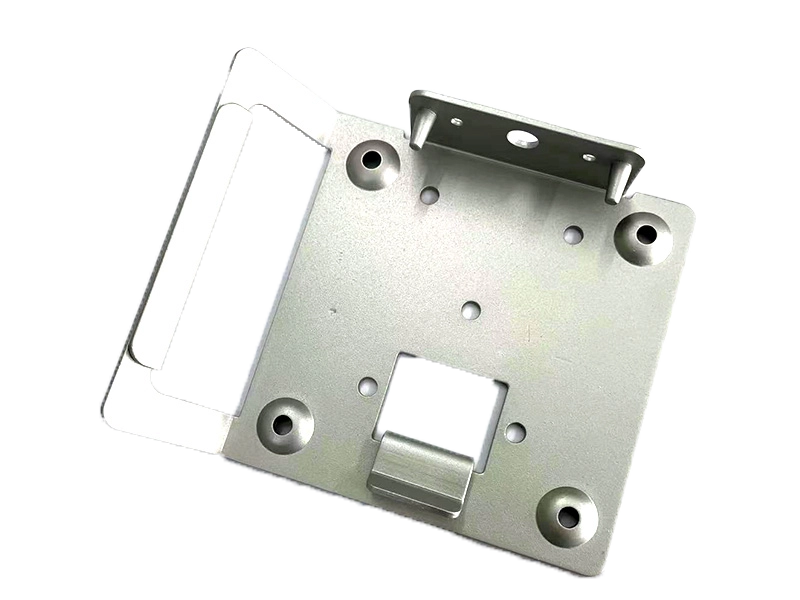
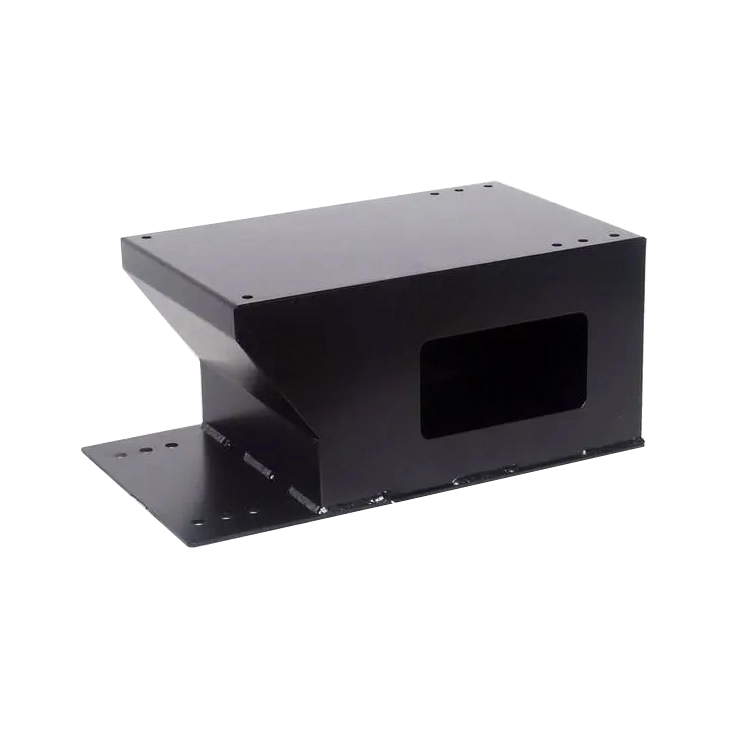
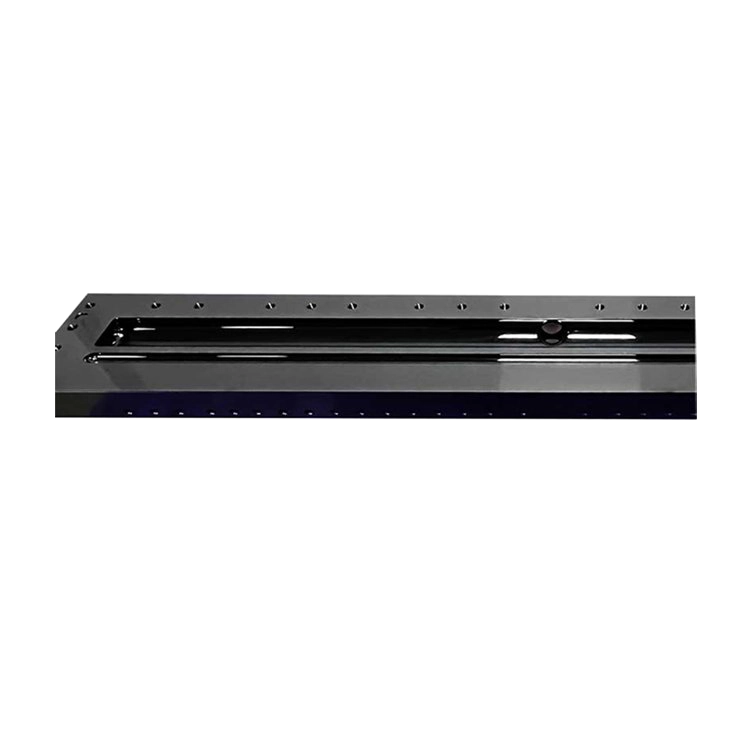
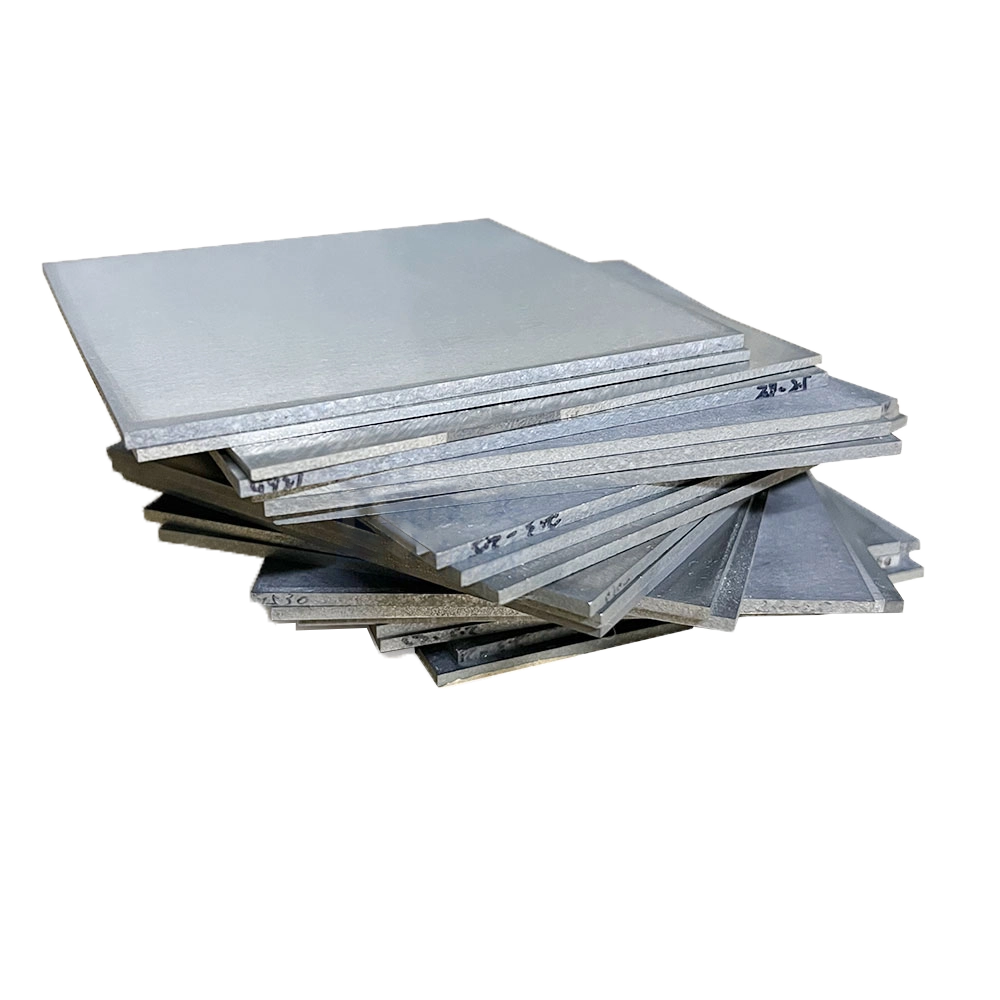
SR MFG Anodizing Product Showcase
Metal Anodizing FAQs
E-coat is available in multiple colors, but black and gray are the dominant choices, accounting for the vast majority of applications (often cited as 90%+ in many industries).
-
Black: The most common e-coat color, valued for strong corrosion protection and high tolerance to cosmetic variation. Widely used for automotive chassis parts, construction equipment, and consumer electronics components. Available in gloss, semi-gloss, and matte options depending on the system.
-
Gray: A neutral tone commonly used for industrial components and architectural parts, balancing function and visual compatibility.
-
Colored e-coat: Custom colors such as white, red, blue, or gold can be developed for differentiated appearance needs (e.g., premium consumer electronics or decorative hardware). These typically require a dedicated colored e-coat system and process tuning.
For surfaces that require strict thickness control—or must remain uncoated—we typically use a combination of the following approaches:
-
Physical masking: High-temperature silicone plugs, ceramic fixtures, or high-temp tape (≥180°C) to mask threaded holes, dowel holes, and precision mating surfaces. For complex contoured surfaces, dedicated masking tooling can be developed to ensure full coverage and prevent lift-off during curing.
-
Process-based thickness control: Techniques such as staged voltage control (reducing the electric field intensity around critical areas), adjusting rack angles to reduce field exposure, and optimizing deposition time can help keep coating on mating surfaces very low (often targeted around 0–5 μm, when required for fit).
-
Local insulating pre-treatment: Applying a dedicated insulating primer to critical areas to reduce deposition at the source—useful for standardized parts in long-term production.
Yes. Reporting is typically available in two categories:
-
In-house inspection reports: Film thickness mapping using magnetic induction/eddy-current gauges (typical accuracy around ±1 μm), adhesion tested per cross-hatch (e.g., ISO 2409), and corrosion validation via neutral salt spray (e.g., ASTM B117). Sampling reports can be provided by batch.
-
Third-party certified reports: Accredited third-party reports (e.g., CNAS/CMA-qualified labs) can be arranged for key metrics such as thickness uniformity (e.g., CV ≤ 10%), adhesion (commonly 0–1 grade targets where specified), and salt spray performance (e.g., 240–1000 hours, as required). Formal reports can be provided after first-article production for project acceptance.
For galvanized parts (pinholes):
-
Use mildly acidic degreasing (pH 5–6) to avoid aggressively attacking the zinc layer and exposing porosity.
-
Add zirconium conversion after degreasing to seal micro-pores and build a dense conversion layer.
-
Use pulse-voltage strategies (e.g., a short low-voltage “soft start”) to help release trapped gases at the surface before full deposition.
For castings (blistering):
-
Shot blast to remove embedded residues, followed by high-pressure washing to remove oils inside pores.
-
Use phosphate-free ceramic conversion in some cases to reduce bubble risk associated with crystalline porosity.
-
Add vacuum degassing before e-coat for high-risk castings to pull out trapped gas and reduce expansion-related blistering during bake.
A pre-bake is mainly recommended in three scenarios:
-
Solvent-containing e-coat systems: A low-temperature pre-bake (e.g., 80–100°C for 10–15 minutes) can gently drive off solvents before full cure, reducing bubble/crater risk from rapid evaporation at high temperature.
-
High-humidity production conditions: In rainy seasons or coastal/high-humidity environments, pre-bake helps remove residual moisture that can interfere with deposition uniformity.
-
Large, complex structures: For parts over ~2 meters or large castings/sheet metal structures, pre-bake can reduce drag-out (bath carryover), minimize bath loss, and reduce the risk of thickness variation caused by heavy carryover evaporating during cure.
Yes—e-coat can serve as a primer for topcoats, but compatibility must be managed.
-
Powder coating over e-coat: Improve adhesion with plasma activation or light scuff sanding (e.g., ~200 grit). Keep powder cure temperature compatible with the e-coat substrate (typical reference: 160–180°C for 20–30 minutes, depending on system/PMT). Control total build to avoid fit/tolerance issues (some programs target ≤60 μm total, depending on the part and tolerance stack).
-
Wet paint over e-coat: Confirm the e-coat is fully cured (e.g., hardness ≥2H, if specified). Use a topcoat compatible with the e-coat chemistry, and remove static dust before spraying to avoid defects such as lifting or fisheyes.
Responsibility is typically defined through a technical agreement that sets clear boundaries:
-
Incoming part condition: The customer supplies parts that meet agreed cleanliness requirements (e.g., low residual oil, no rust, no deformation). If coating failure is caused by incoming defects, responsibility remains with the customer.
-
Process execution: The coating partner must follow the confirmed process window. If deviations in voltage, temperature, deposition time, etc. cause out-of-spec thickness, poor adhesion, or failed salt spray results, responsibility rests with the coating partner.
-
Acceptance criteria: The agreement should define film thickness tolerance, adhesion grade, salt spray duration, and acceptance thresholds. First-article samples serve as the baseline, and third-party reports can be used as the final arbitration method when required.
Anodizing Technical Resources

Hello world! ( Cloned ) ( Cloned )
Tan161130.2026-03-13T09:16:13+00:00March 13, 2026|
欢迎使用 WordPress!这是您的第一篇文章。您可以编辑或删除它,然后开始写作!
Hello world! ( Cloned )
Tan161130.2026-03-13T09:15:55+00:00March 13, 2026|
欢迎使用 WordPress!这是您的第一篇文章。您可以编辑或删除它,然后开始写作!
The Complete RFQ Guide for Sheet Metal Fabrication: How to Request Quotes Efficiently, Reduce Risk, and Optimize Costs
Tan161130.2026-03-10T09:41:05+00:00March 10, 2026|
Preparation Before Requesting a Quote Before sending out an RFQ, the quality of your preparation has a direct [...]