Surface Finishing Services for Sheet Metal Parts
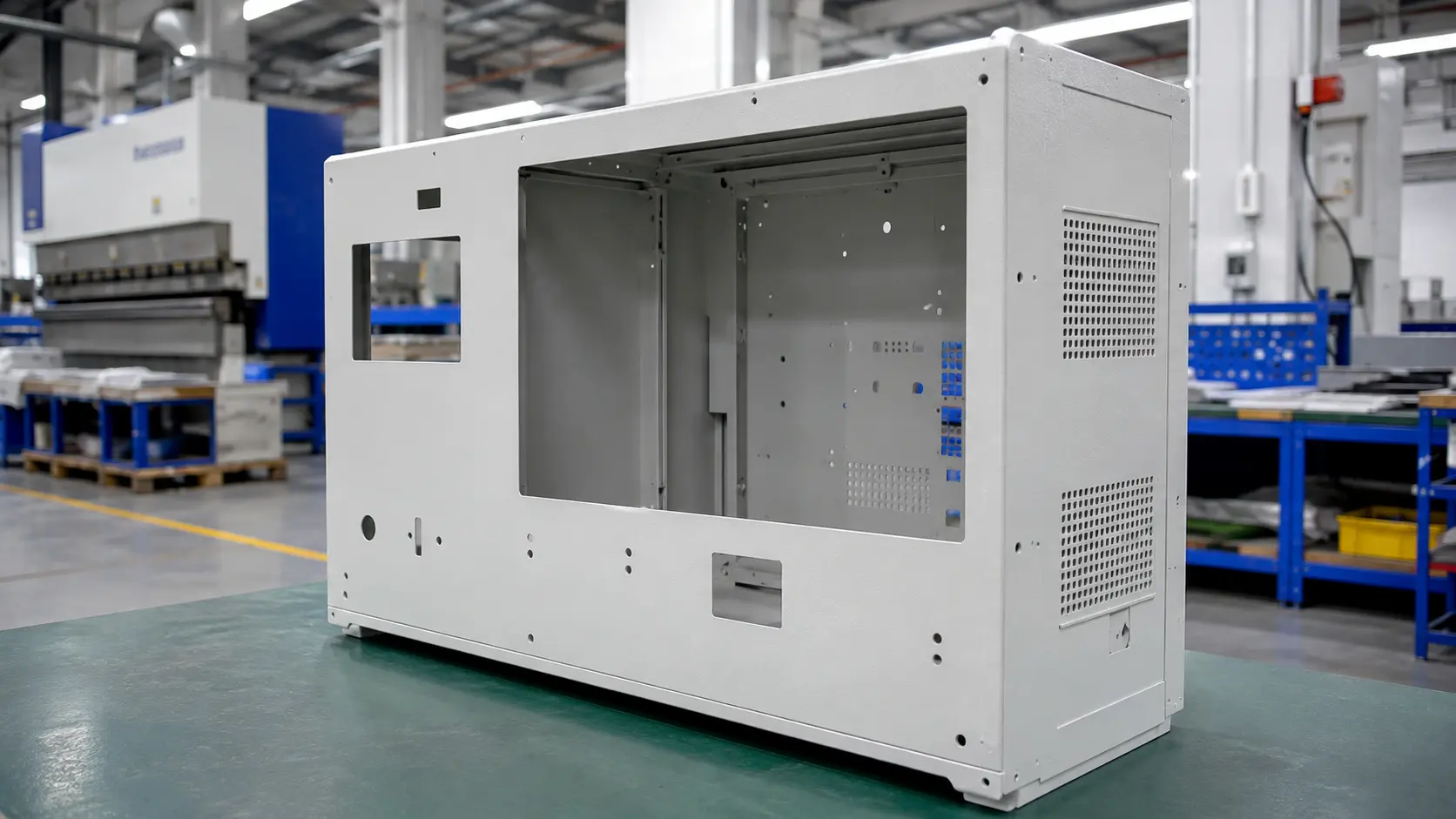
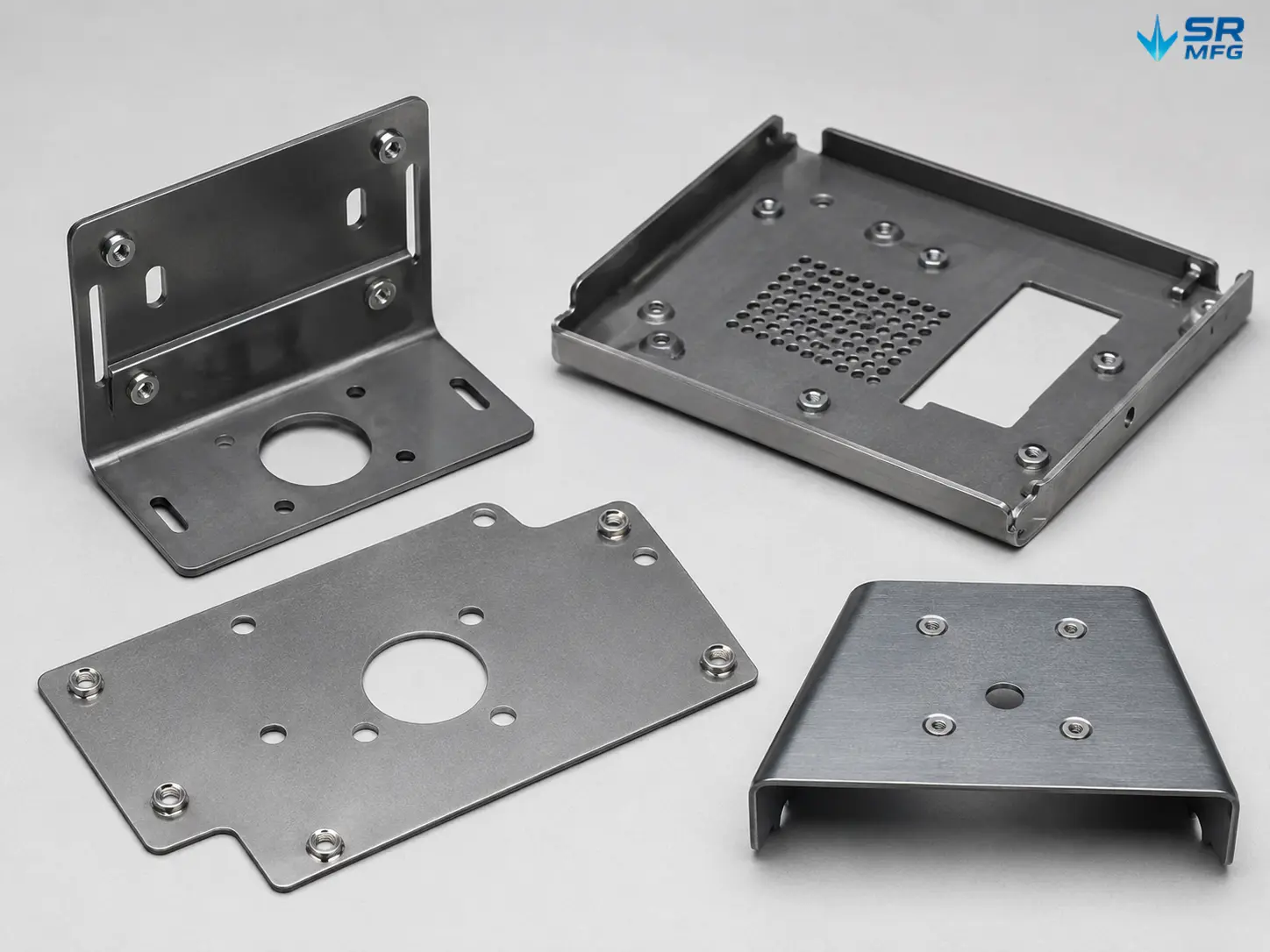
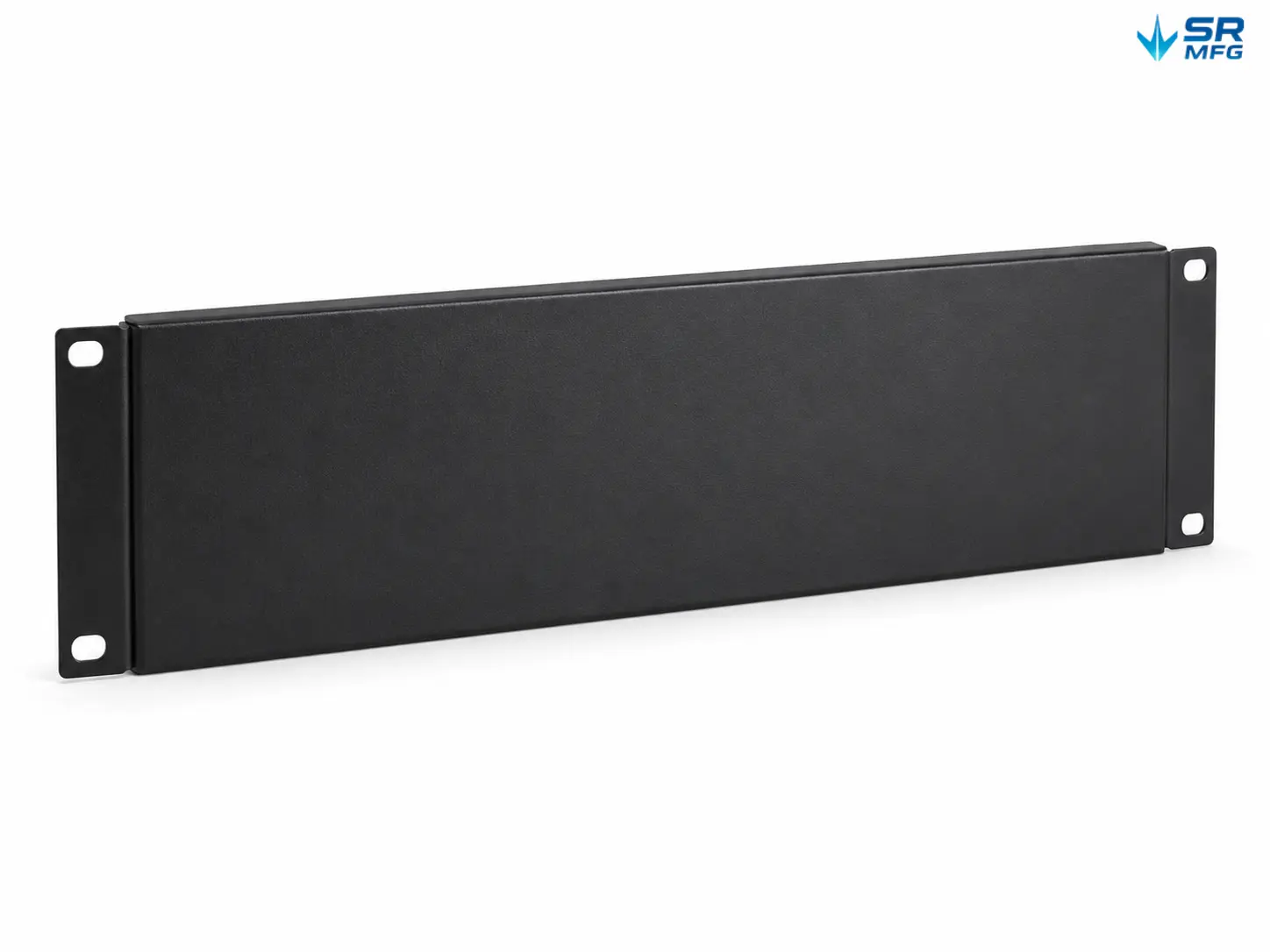
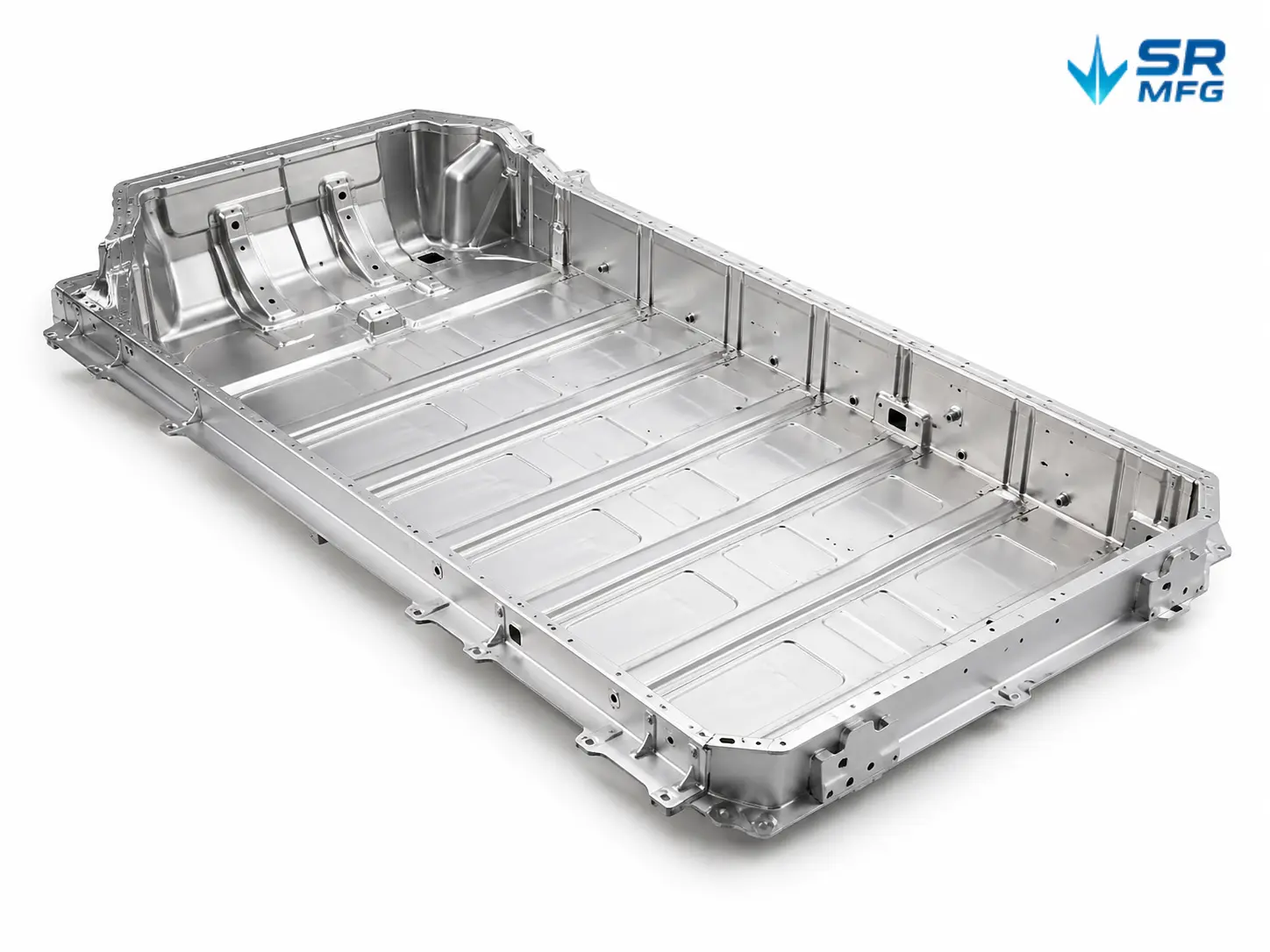
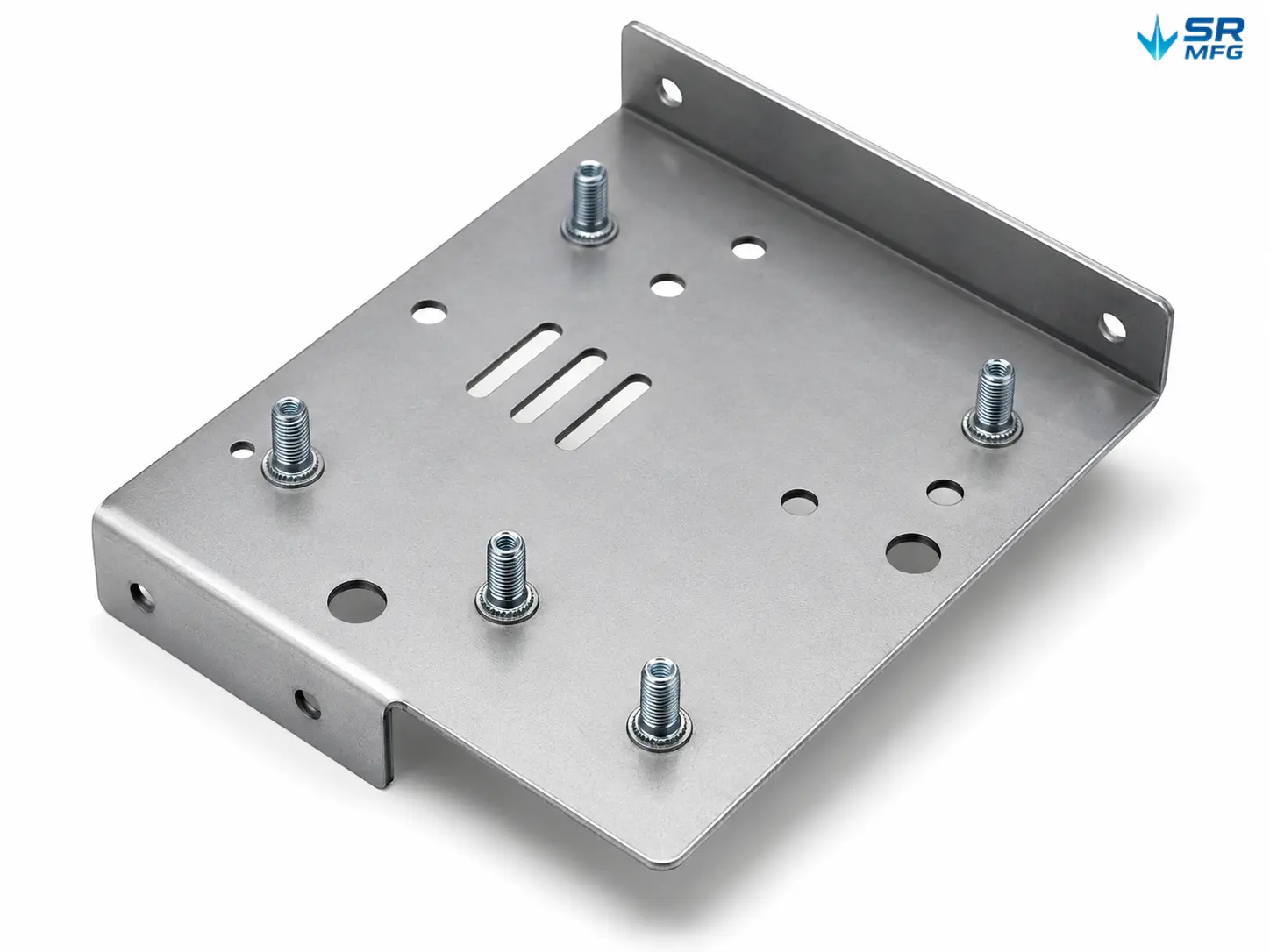
SR MFG provides integrated sheet metal surface finishing services, including powder coating, e-coating, anodizing, plating, painting, and pre-treatment. We help OEM customers achieve stable appearance, corrosion resistance, assembly compatibility, and traceable finishing quality for overseas projects.
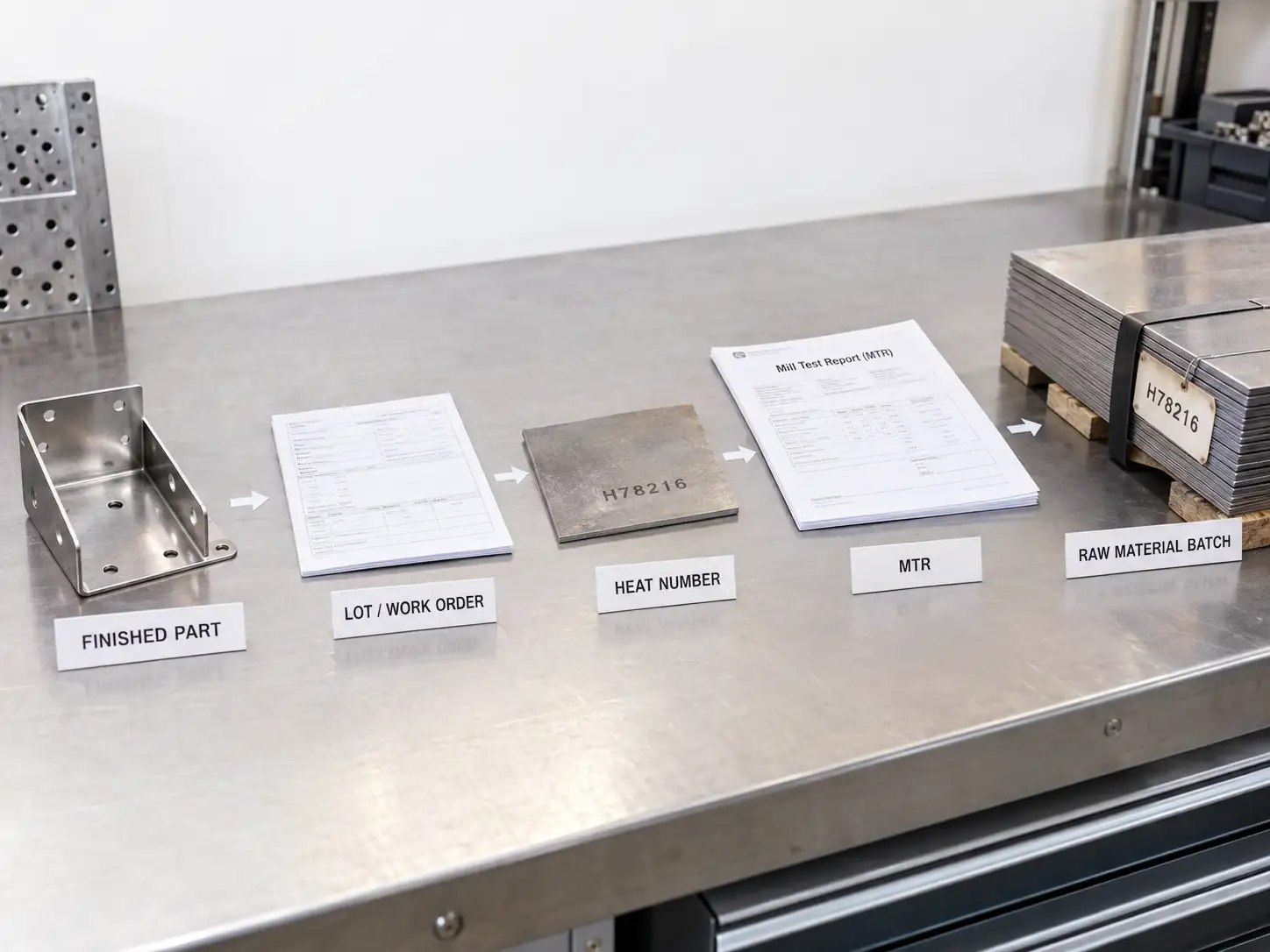
From material selection and surface preparation to coating thickness control, masking, inspection, and documentation, our finishing process is coordinated with cutting, bending, welding, and final assembly to reduce fit-up issues and delivery risk.
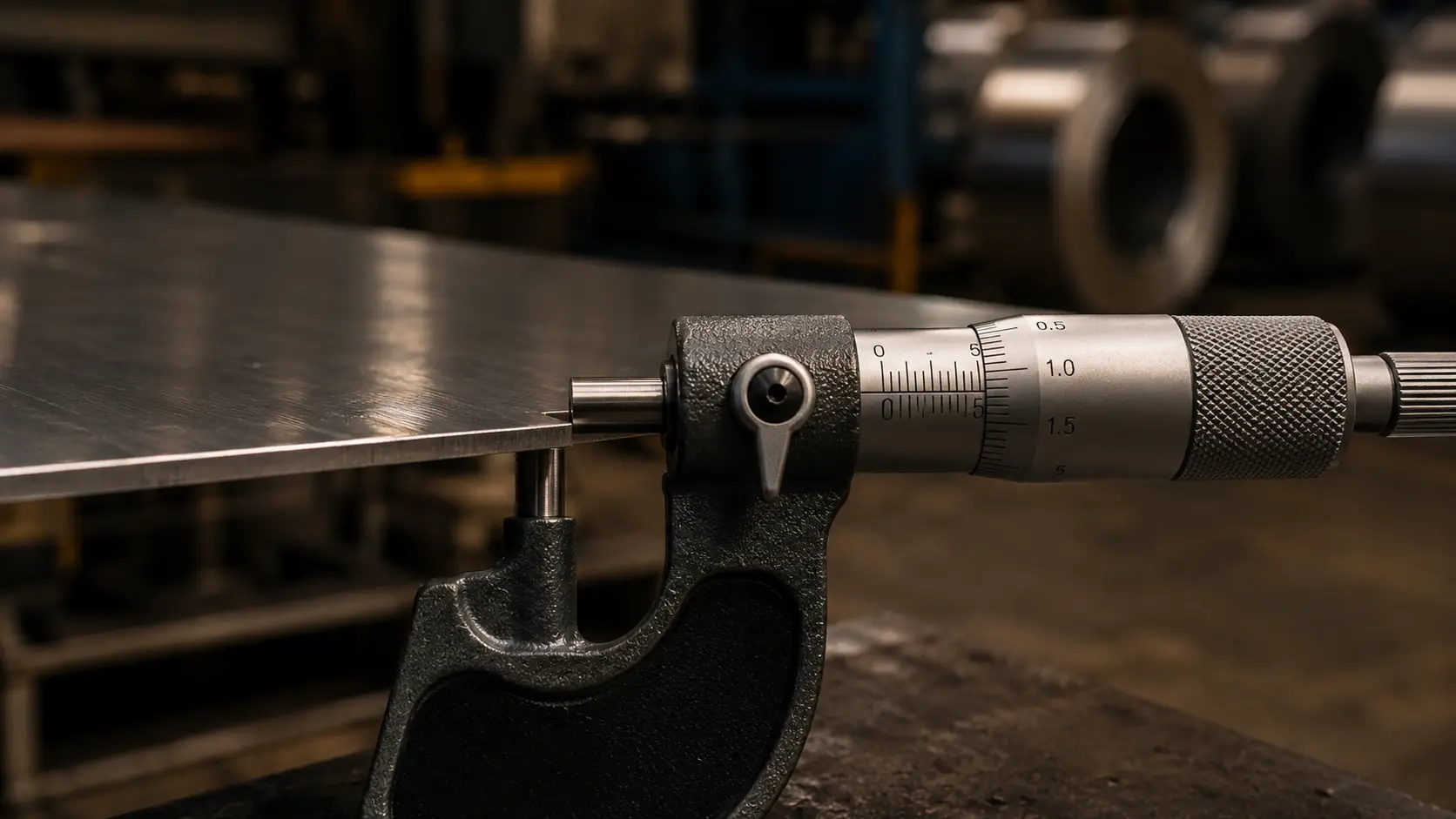
Controlled Coating Thickness
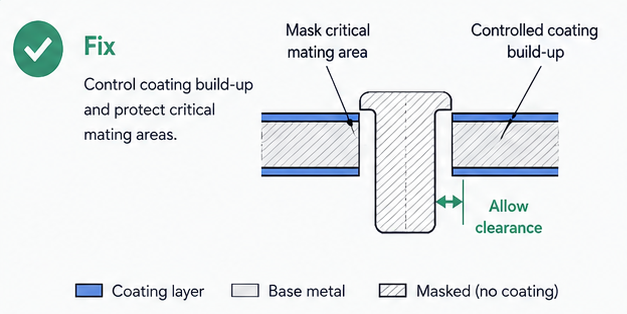
Coating build and masking are planned around assembly surfaces.
Corrosion Testing Support
Salt spray testing can be arranged when required.
Inspection Records
Finishing inspection and reports support traceability.
Why Choose SR MFG for Sheet Metal Finishing?
High-Quality, Reliable Delivery
FAI + IPQC + OQC inspection flow ensures consistent coating quality. Reports and testing available on request.
RAL / Pantone Color Matching
Physical samples for approval with standardized lighting and measurement procedures. Target ΔE tolerance defined per project.
One-on-One Engineering Support
Engineers recommend the right coating system and pretreatment based on your environment, goals, and cost targets.
One-Stop Finishing Options
Powder coating, wet painting, anodizing, e-coat, brushing, passivation, and more. One partner to manage quality and delivery.
Sheet Metal Finishing Supplier Comparison +
This comparison shows how SR MFG supports sheet metal finishing projects compared with traditional small shops and large contract manufacturers. The focus is on quality control, color consistency, process coverage, documentation, delivery reliability, and project fit.
| Comparison Area | SR MFG | Traditional Small Shop | Large Contract Manufacturer |
|---|---|---|---|
| Quality Control |
✓ FAI + IPQC + OQC inspection flow Inspection records and reports can be provided per project. |
⚠ Processes and records may vary by supplier More reliance on operator experience. |
✓ Strong quality systems Workflows may be longer for smaller projects. |
| Color Matching |
✓ Supports RAL / Pantone matching Physical color sample approval and project-defined ΔE targets. |
⚠ Color consistency often depends on technician experience Batch-to-batch consistency may be unstable. |
✓ Strong color control capability Sample approval often takes longer. |
| Process Coverage |
✓ Powder coating as core Wet painting, anodizing, plating, e-coat, brushing, and passivation can be coordinated through audited partners. |
× Usually limited to 1–2 basic finishing processes. |
✓ Broad process coverage Often with MOQ or product category limitations. |
| Compliance & Documentation |
✓ RoHS / REACH / Prop 65 statements and CoC as required Third-party testing support and lot traceability available. |
⚠ Limited ability to provide complete certifications or reports. |
✓ Documentation is usually complete External release workflows may be slower. |
| Lead-Time Reliability |
✓ ERP management and lot traceability Stable delivery from prototypes and small batches to mass production. |
⚠ Lead times can fluctuate depending on staffing and workload. |
✓ Generally stable lead times Small orders may be scheduled behind large-volume programs. |
| Best Fit | Mid-to-high-end products, export orders, high-mix production, cosmetic consistency, and compliance-driven projects. | Low-end projects or simple finishing jobs with low documentation requirements. | Mature high-volume programs with higher MOQ and strict process compliance requirements. |
Our Surface Finishing Capabilities
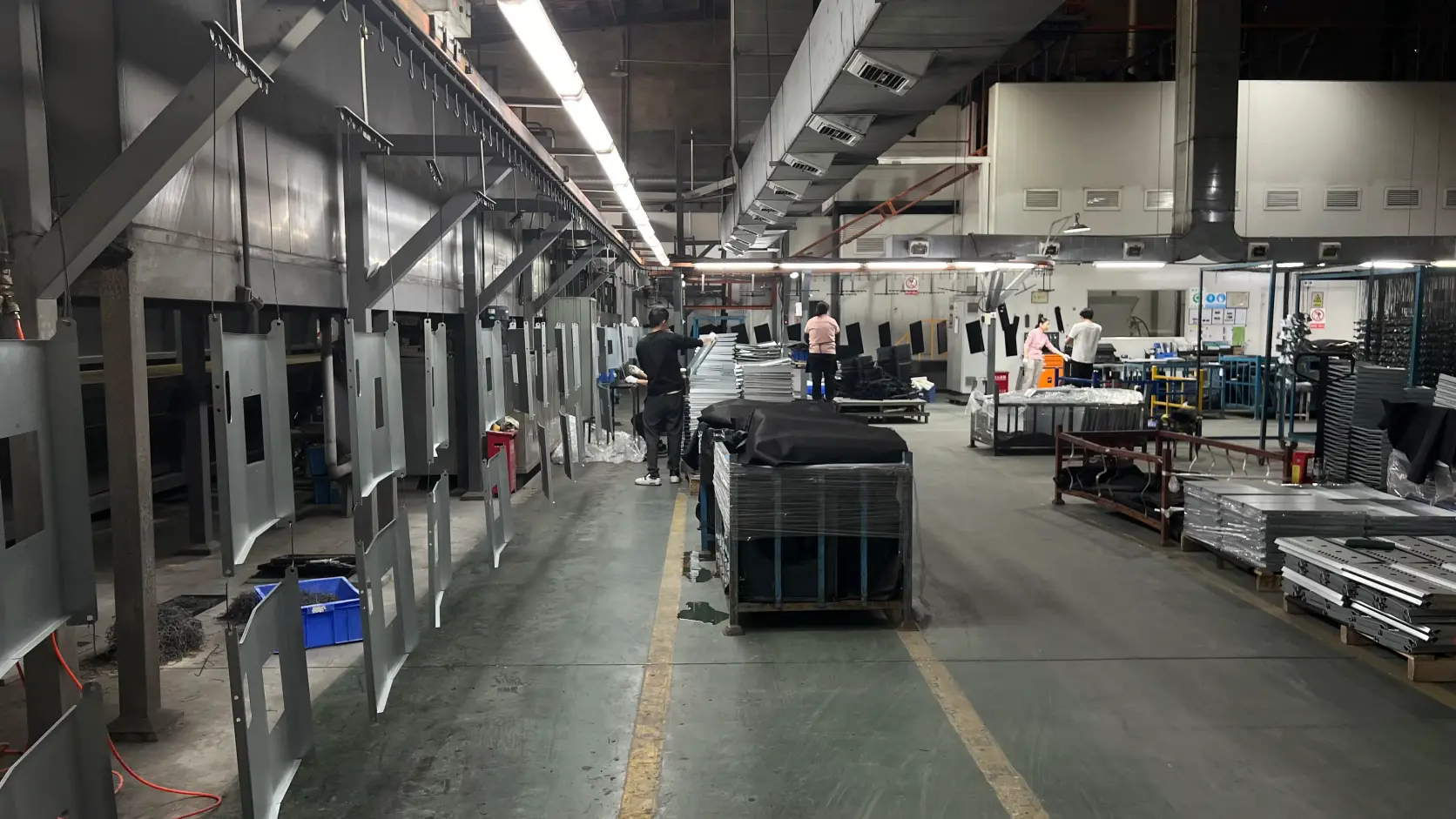
SR MFG operates an automated powder coating line with a multi-gun setup (Gema spray guns) and a refrigerated + desiccant air-drying system to ensure stable compressed-air quality and consistent results. We closely monitor and control key parameters, including temperature, humidity, airflow, and curing settings, to deliver excellent coating consistency and batch-to-batch stability.
We verify quality with coating thickness and adhesion checks to your requirements and support salt spray testing when needed. For compliance and full traceability, we can provide material declarations (RoHS/REACH) and coordinate third-party testing, such as SGS, to help reduce your export compliance risk.
What This Means for Your Project
Stable Batch Appearance
Controlled air supply, curing settings, and coating process help keep color, gloss, and texture consistent across batches.
Assembly-Safe Coating Control
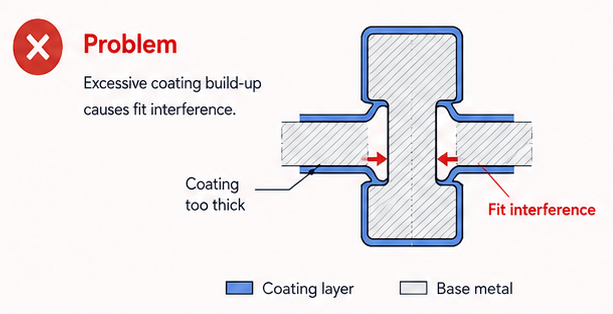
Masking and coating thickness control help reduce fit-up issues on threads, mating surfaces, holes, and contact areas.
Corrosion Risk Reduction
Pretreatment, coating selection, and optional salt spray validation help match the finish to indoor, outdoor, or humid use.
Export-Ready Documentation
Inspection records, material declarations, CoC, and third-party test support help simplify overseas receiving and compliance review.
Core Capacity Estimates
Based on 26 working days/month and 8 hours/day
+
| Processing Scenario | Line Speed (m/min) |
Part Density | Effective Run Time (hrs/day) |
Yield | Daily Output (pcs) |
Monthly Output (pcs) |
Typical Applications |
|---|---|---|---|---|---|---|---|
| Standard Metal Parts | 2.0 | 2 pcs/m | 7.2 | 96% | 1,658 | 42,547 | Small-to-medium metal parts with L/W ≤ 600 mm |
| Large Structural Metal Parts | 1.0 | 1 pc per 2 m | 7.2 | 95% | 207 | 5,386 | Large structural metal parts with L/W > 1200 mm |
| Complex-Process Metal Parts | 0.8 | 1 pc/m | 7.2 | 94% | 325 | 8,441 | High-end metal parts with curved surfaces and/or multi-layer coating systems |
Surface Finish Tolerances (Coating Build-Up Guide)
We typically control powder coating thickness at 60–100 μm (typical 60 ± 10 μm). To balance assembly fit, corrosion protection, and cosmetic consistency, we recommend setting the target thickness by application:
Precision assemblies | Target: 40-60μm
Depending on edge coverage, geometry, and powder system, critical mating surfaces / grounding points can be masked.
Outdoor / heavy corrosion environments | Target: 80-120 μm
(Project-defined). Adhesion testing per GB/T 9286 / ISO 2409 / ASTM D3359 (target rating per spec).
Cosmetic parts:
Color and gloss are controlled to the approved sample; ΔE and gloss tolerance are defined per project.
Industries & Surface Finishing Applications
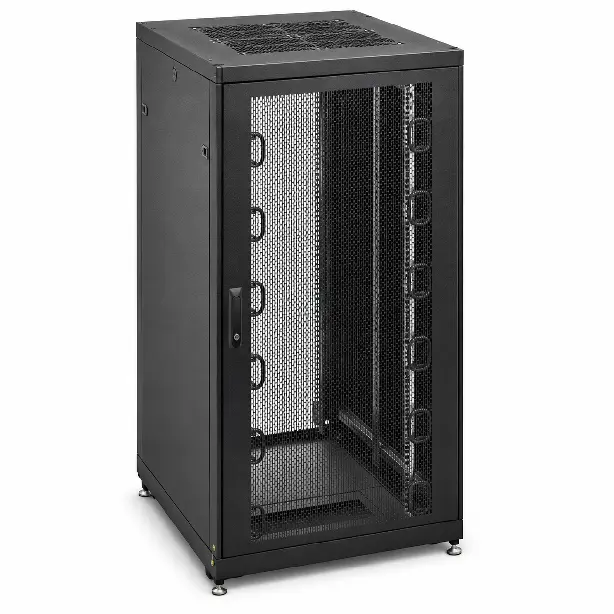
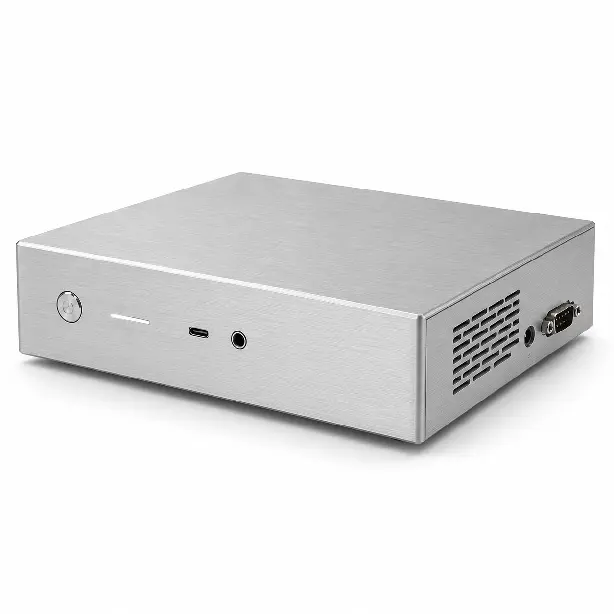
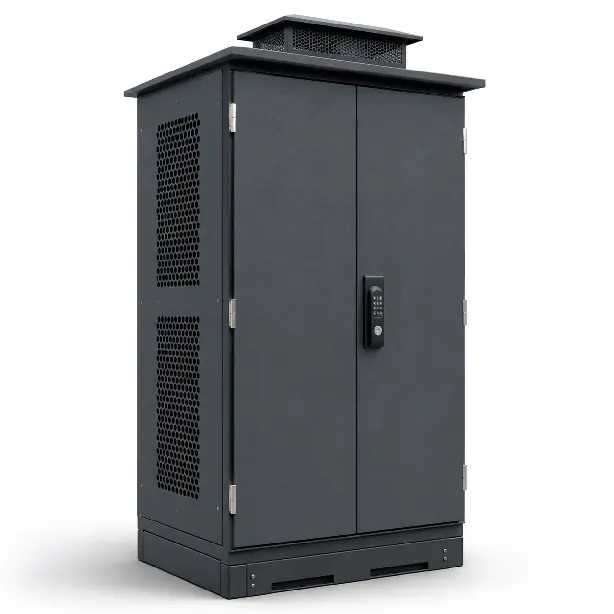
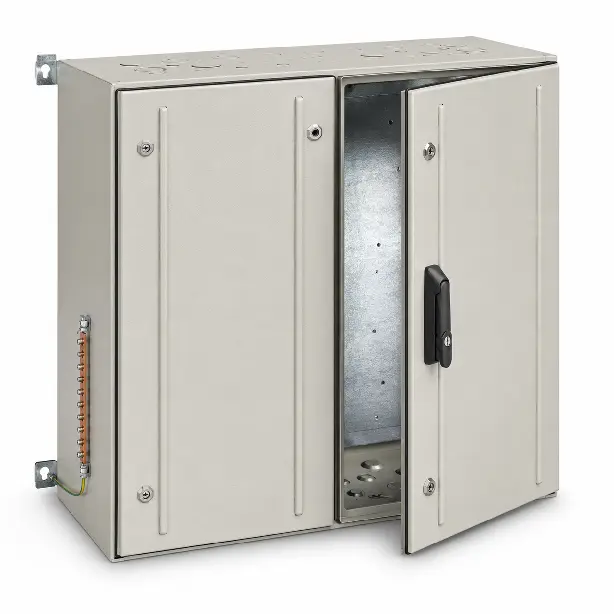
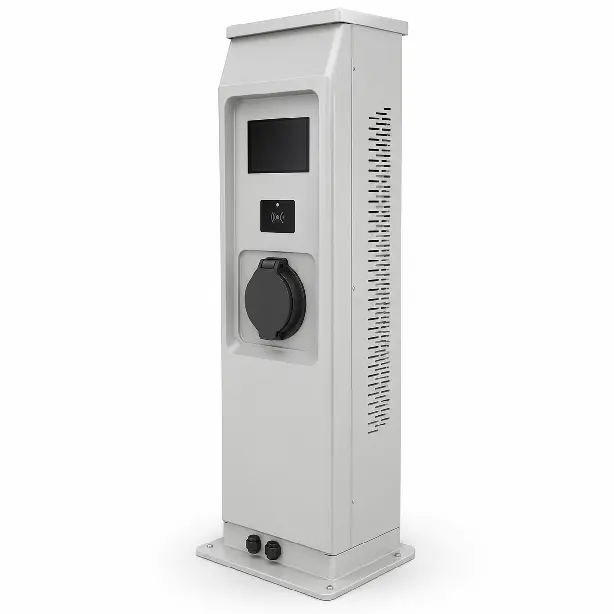
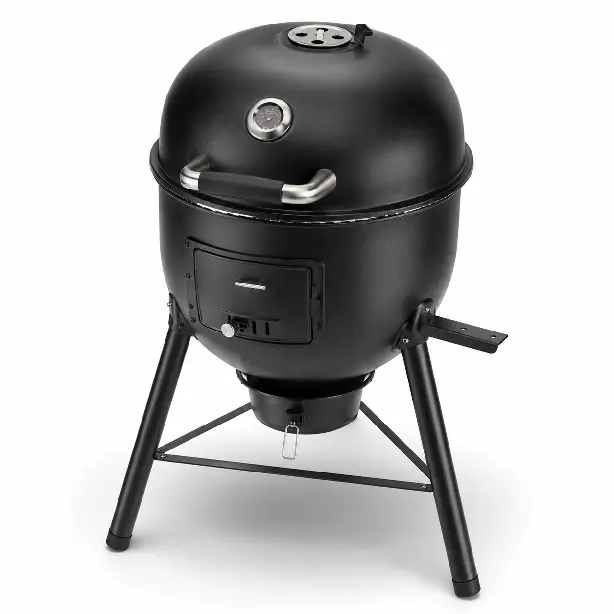
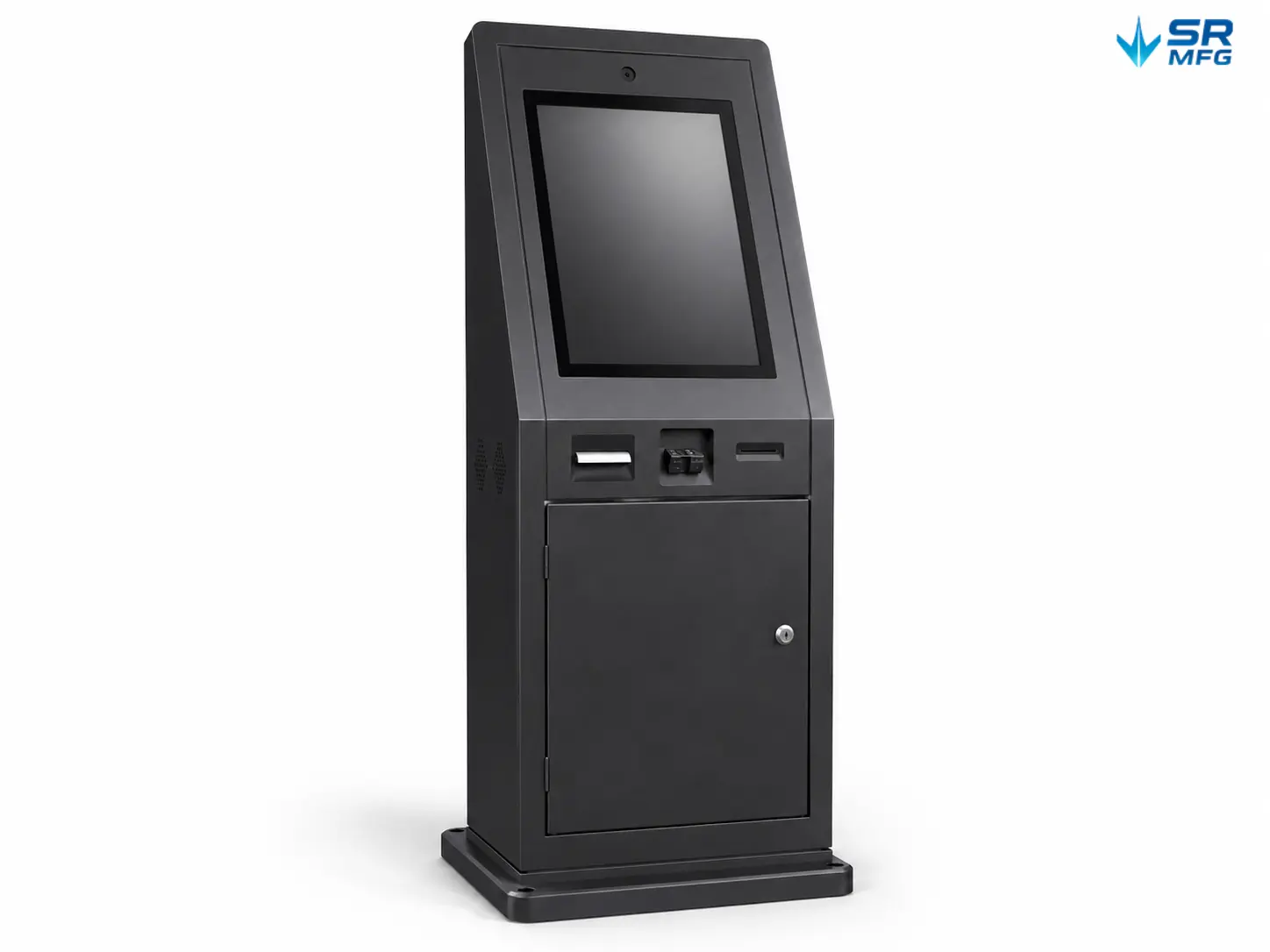
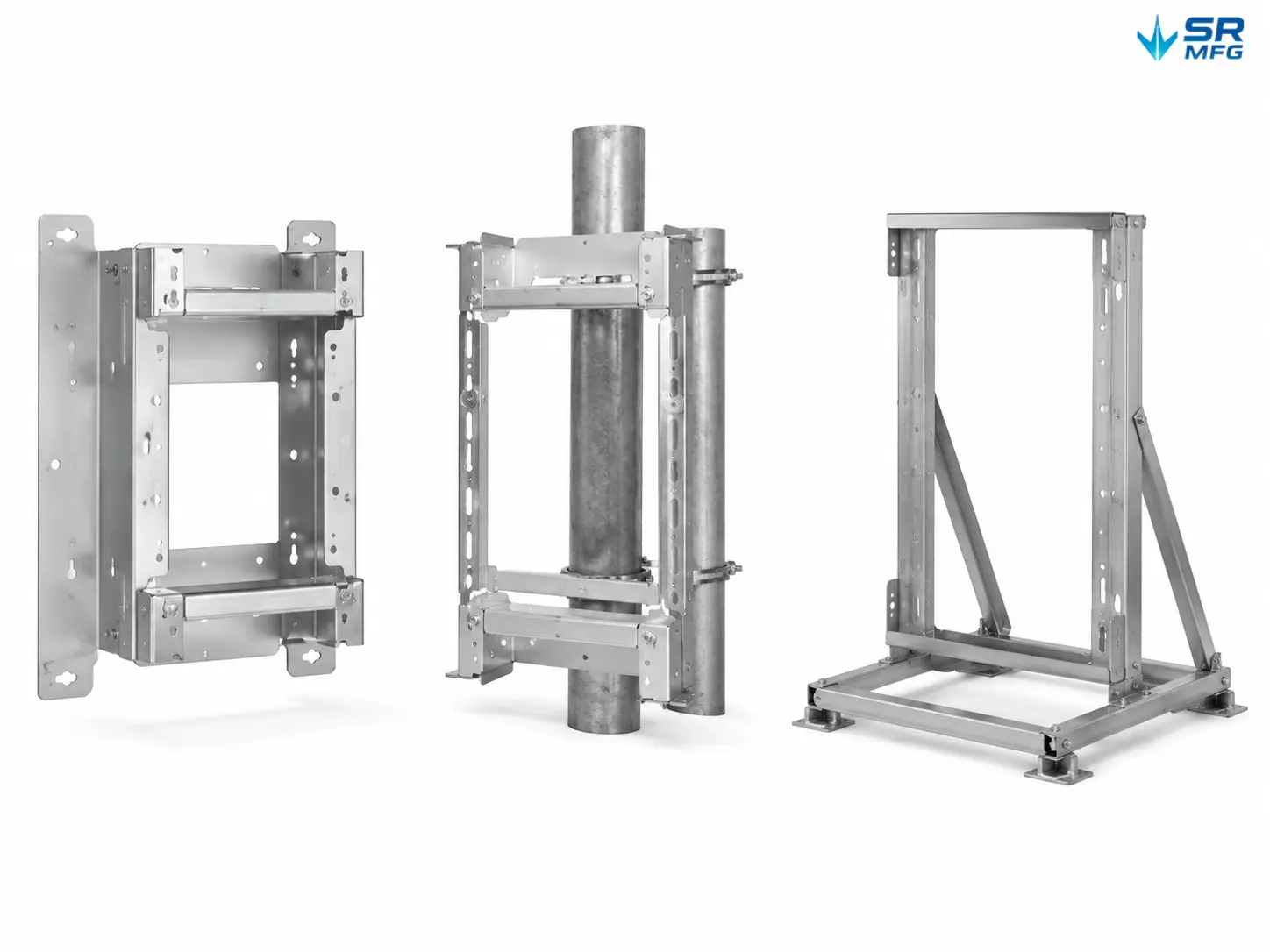
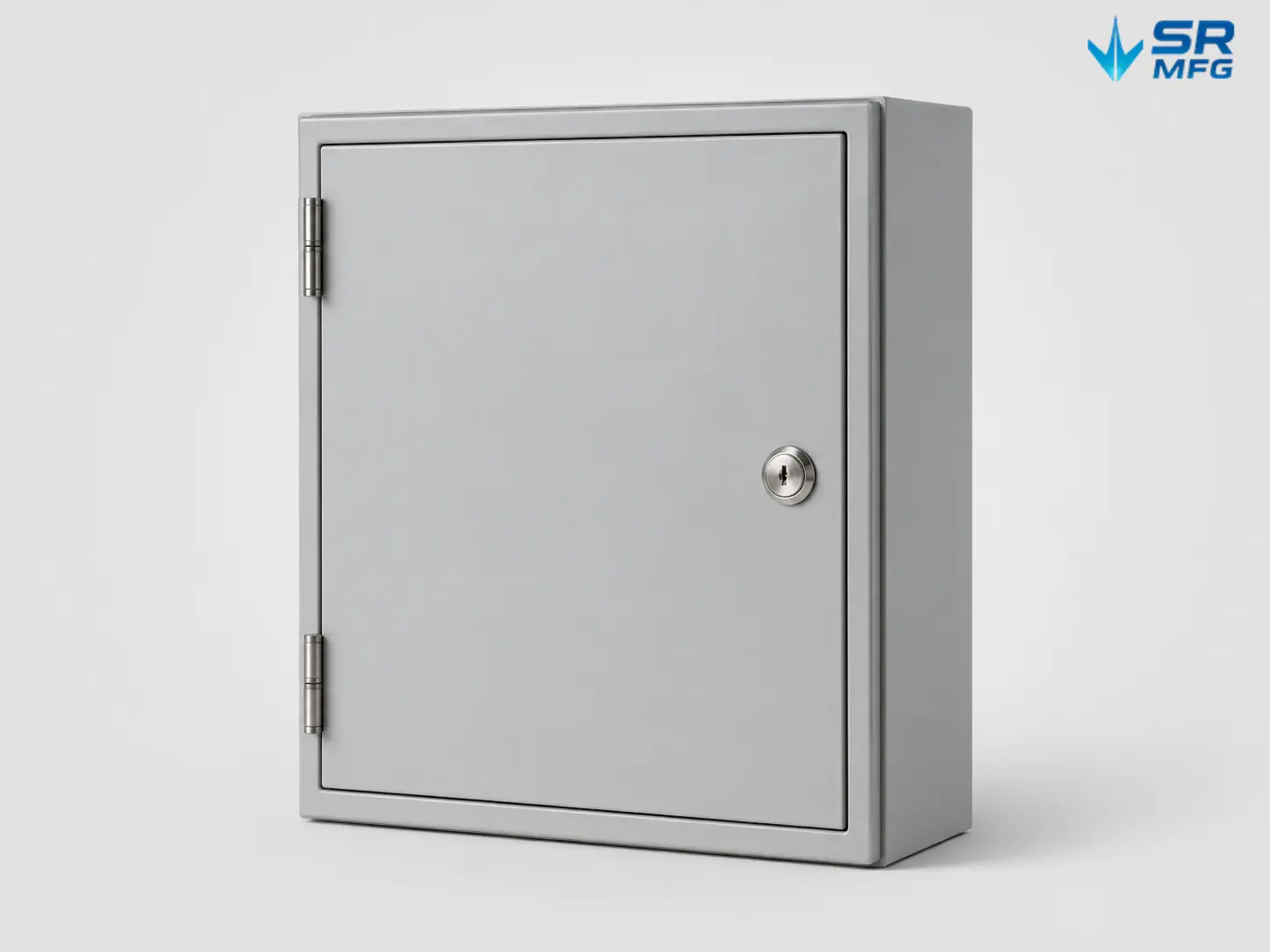
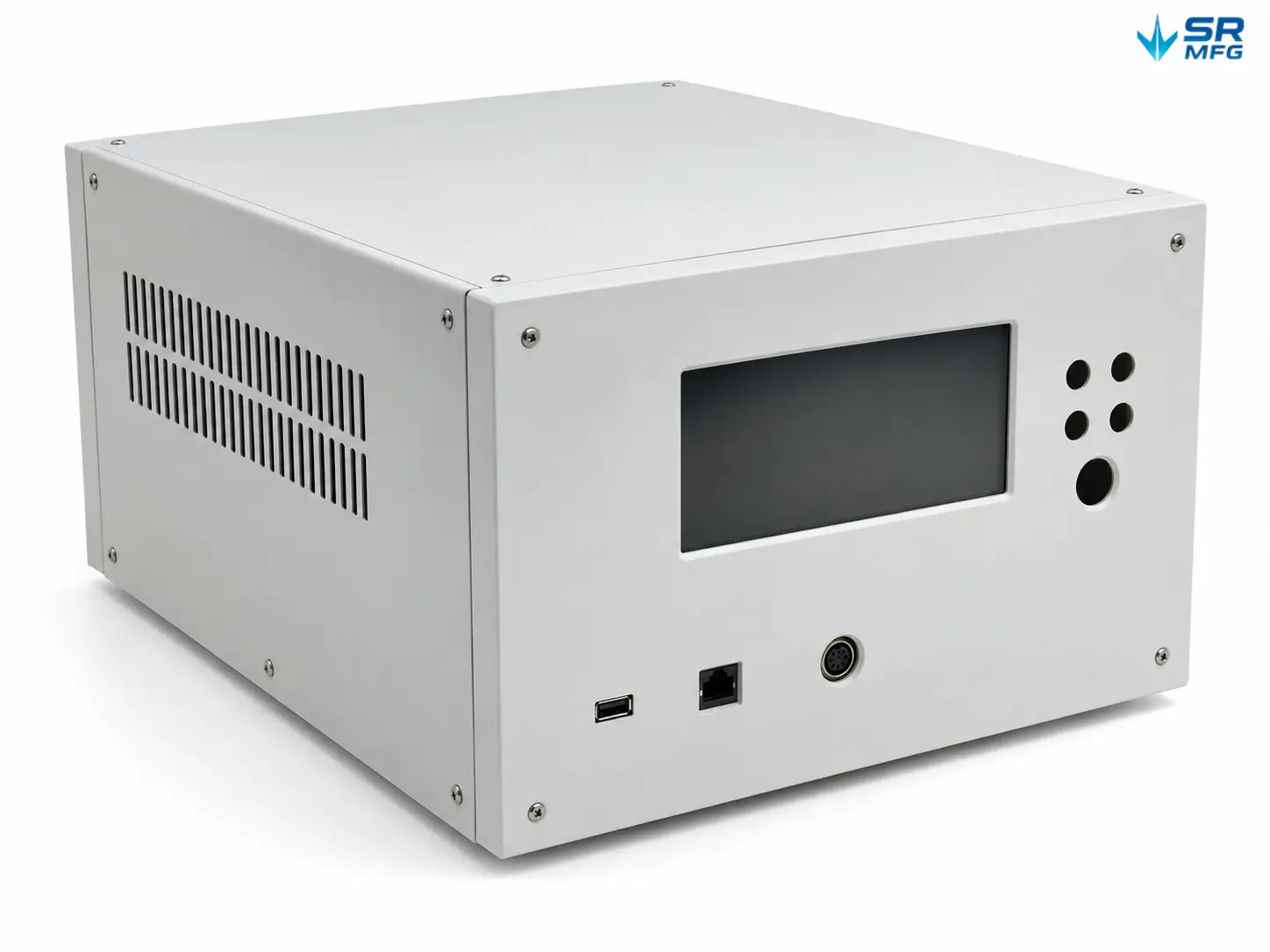
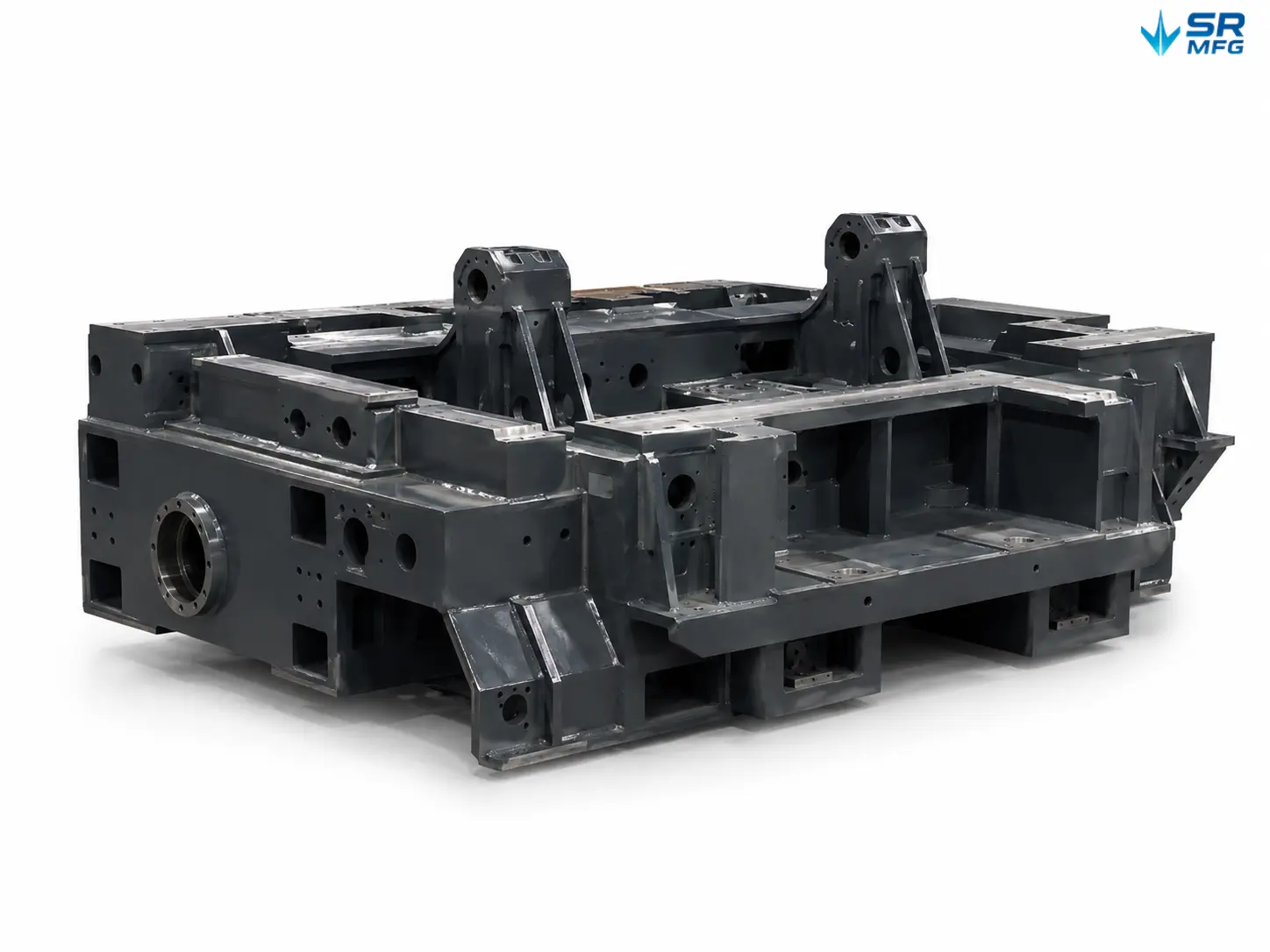
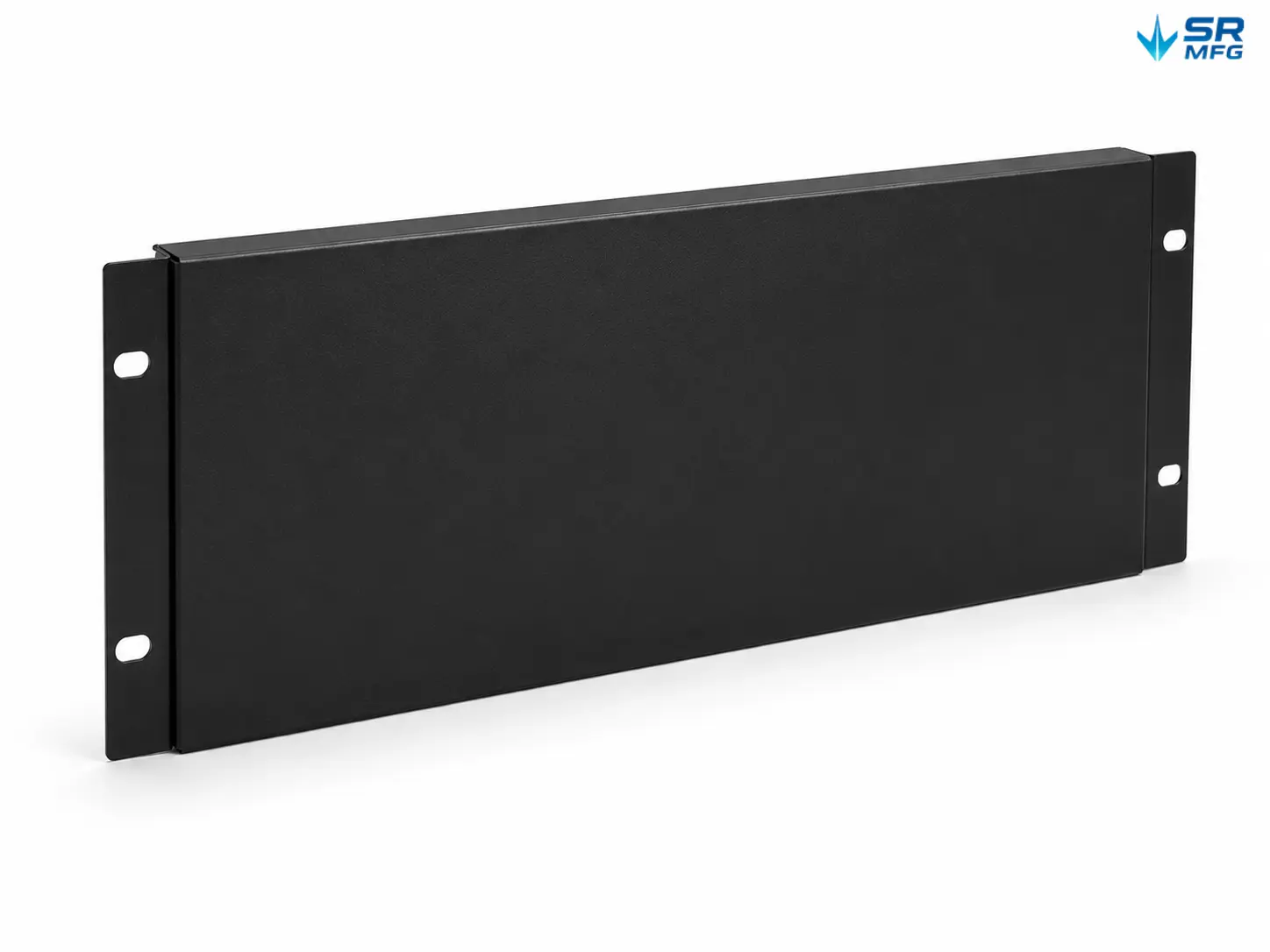
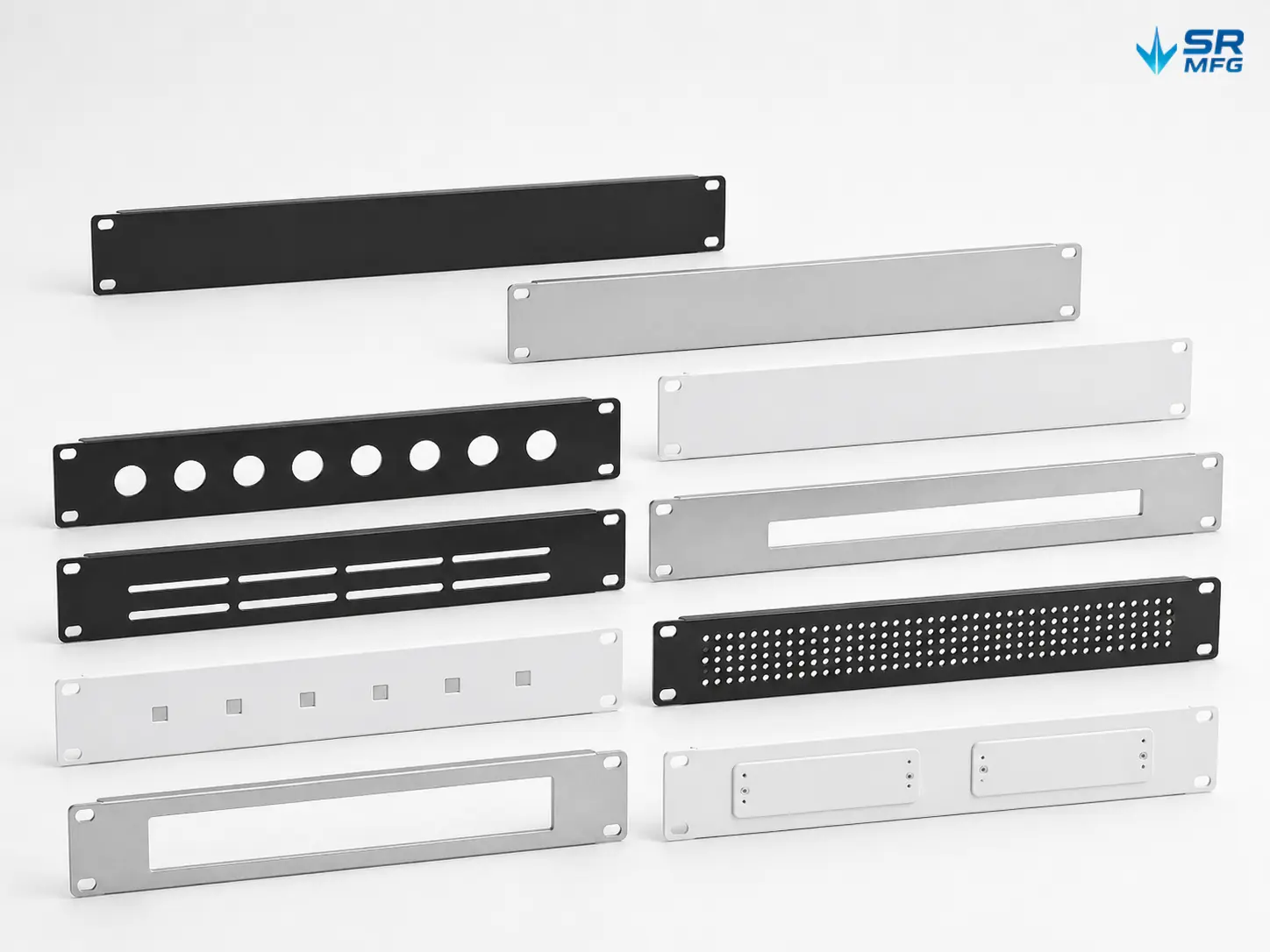
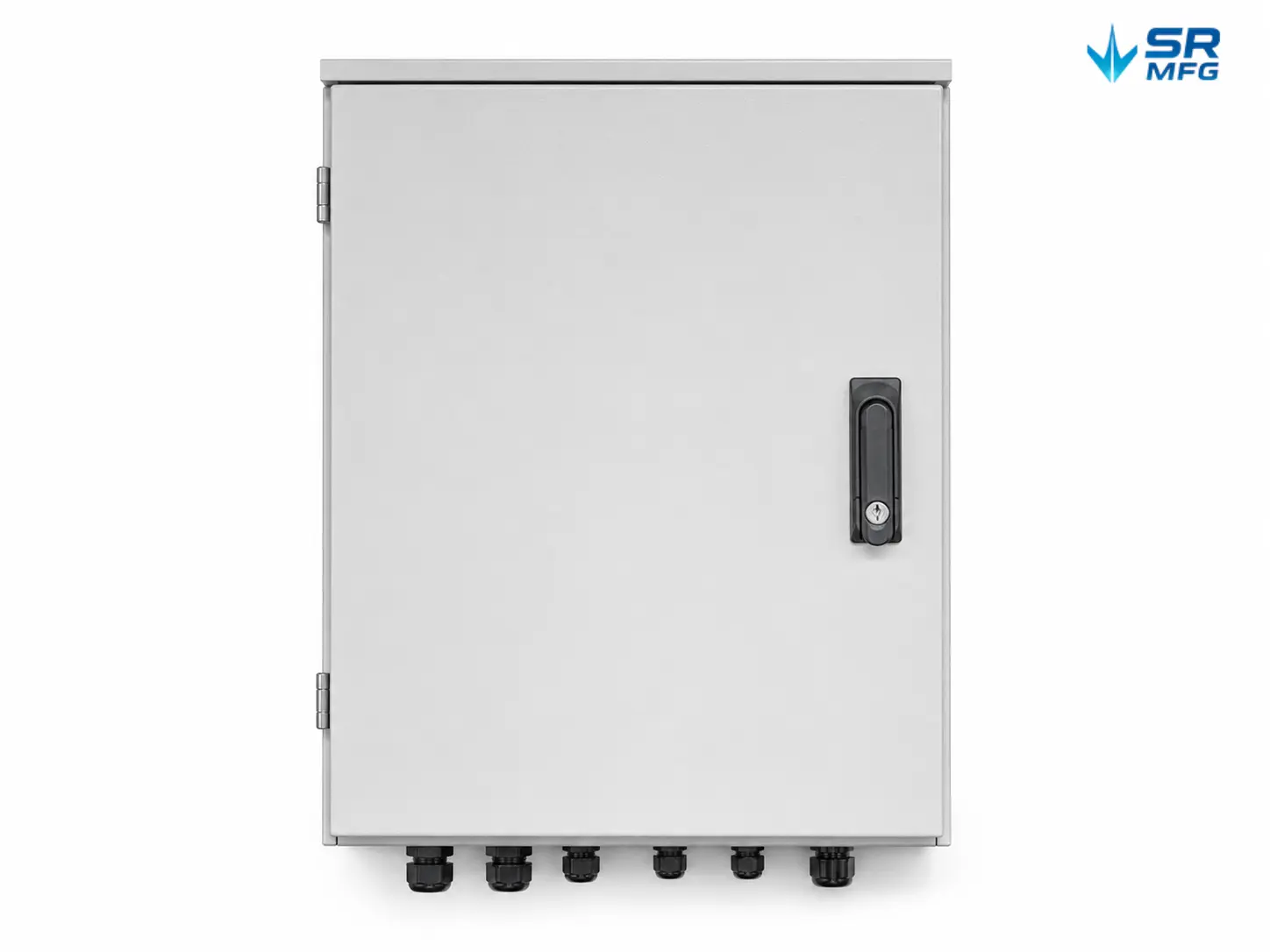
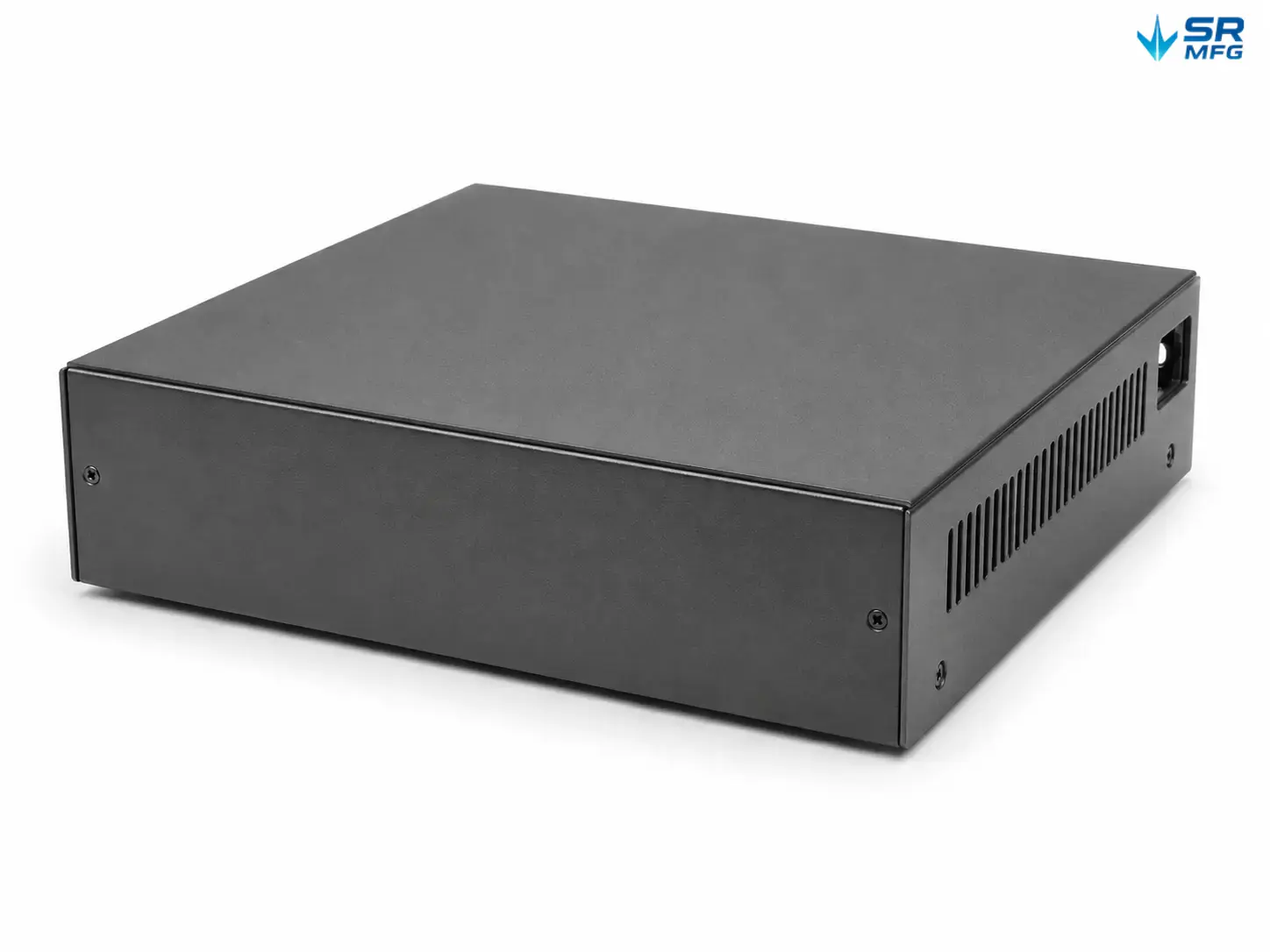
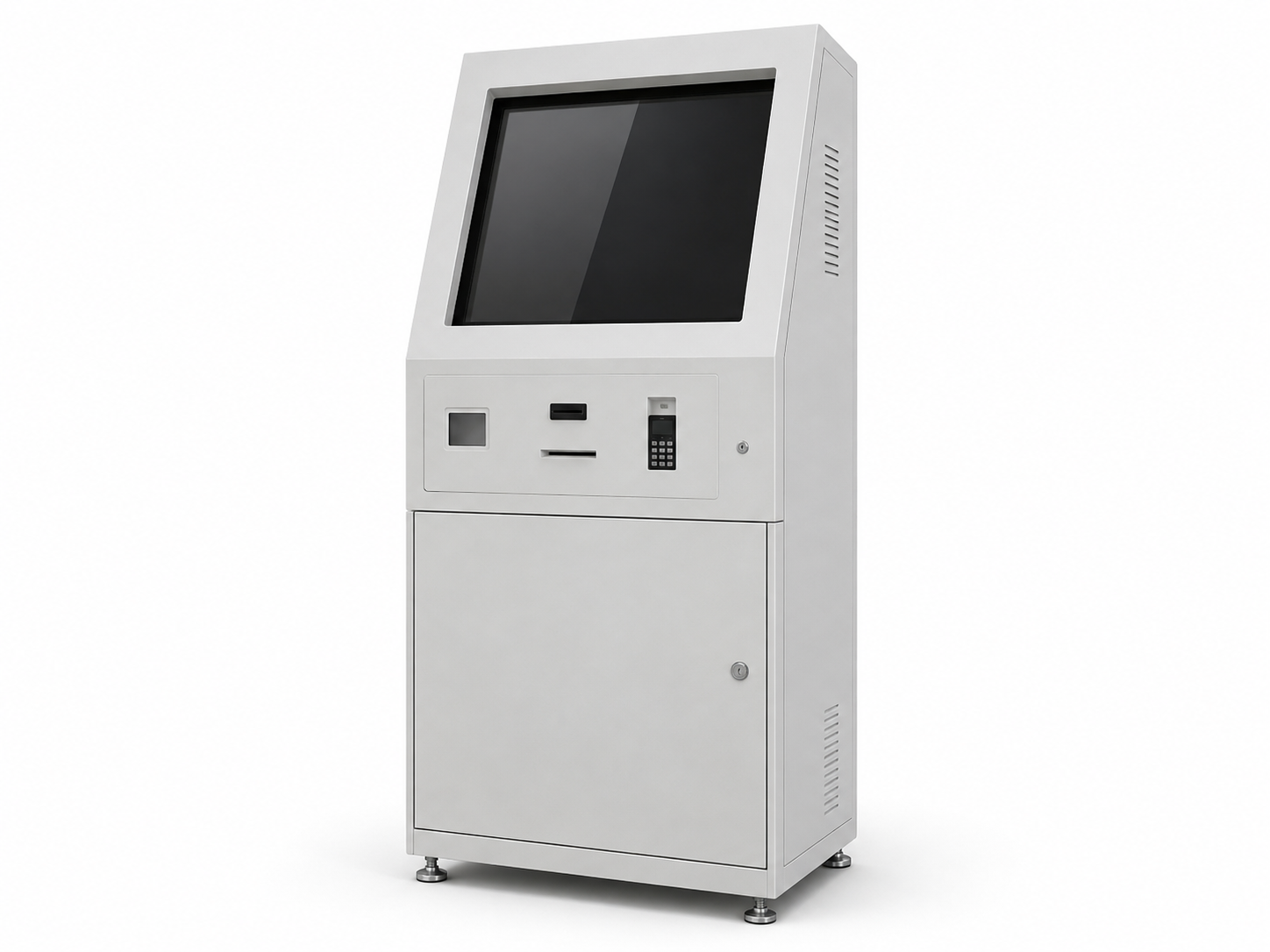
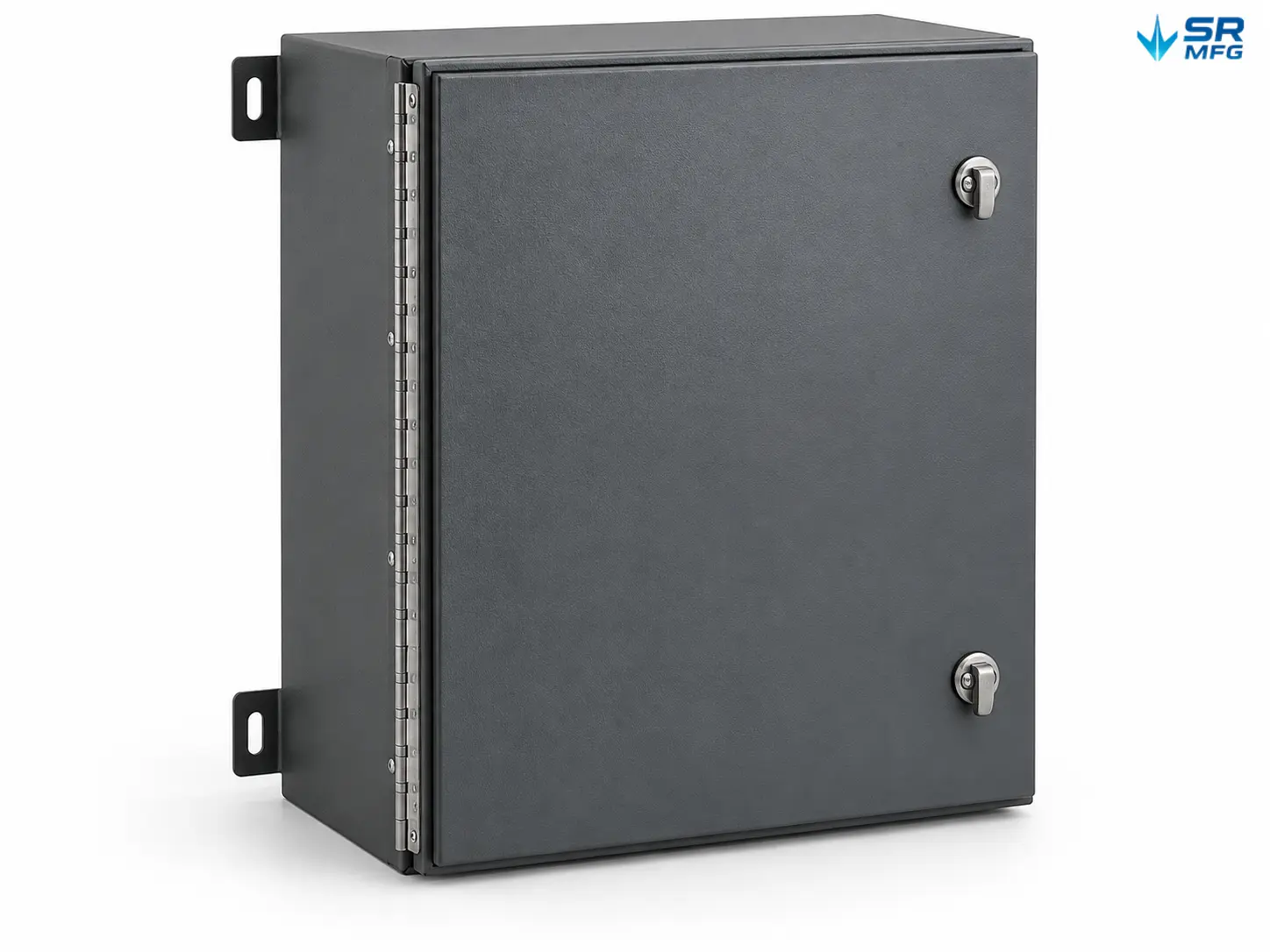
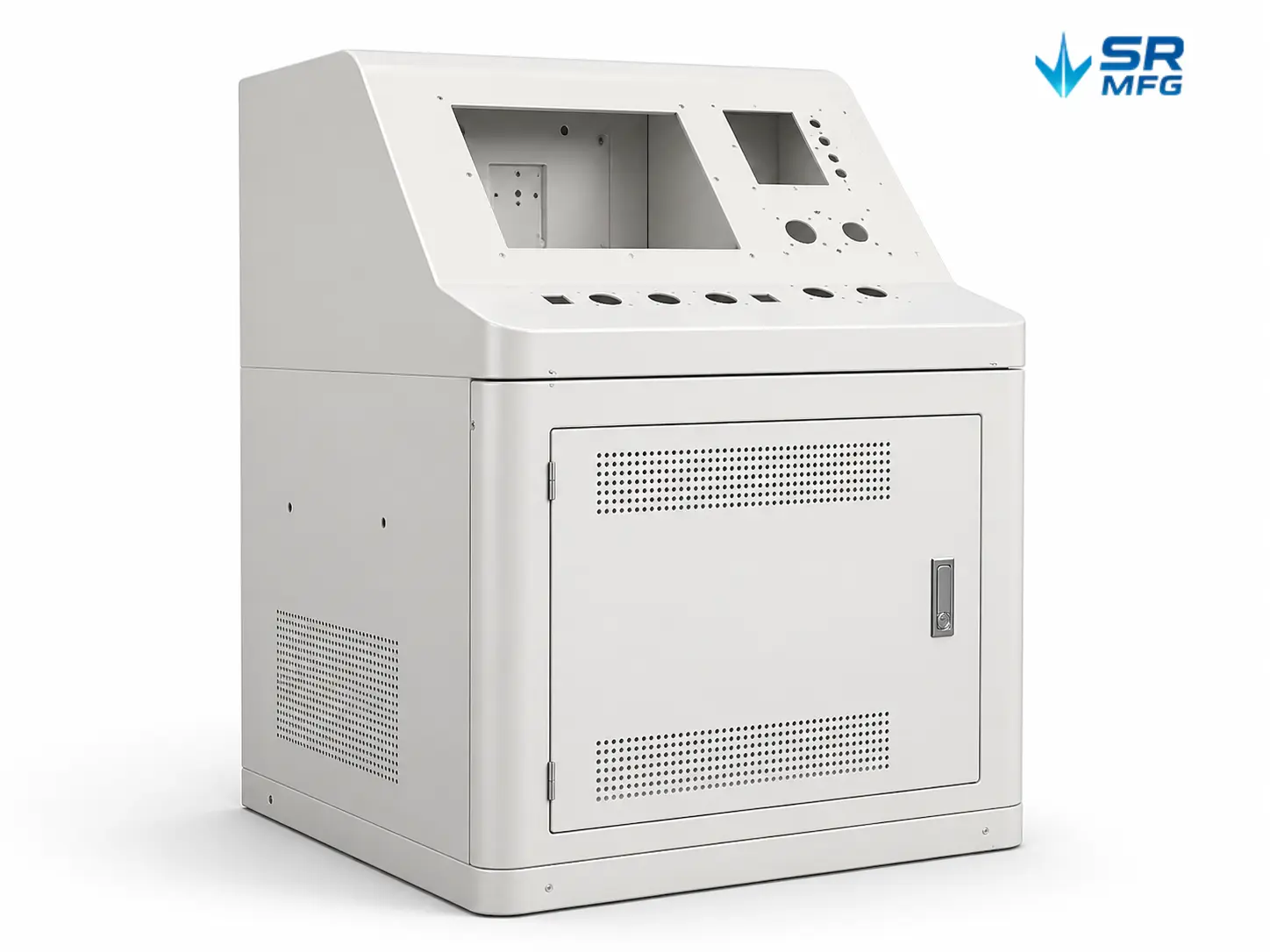
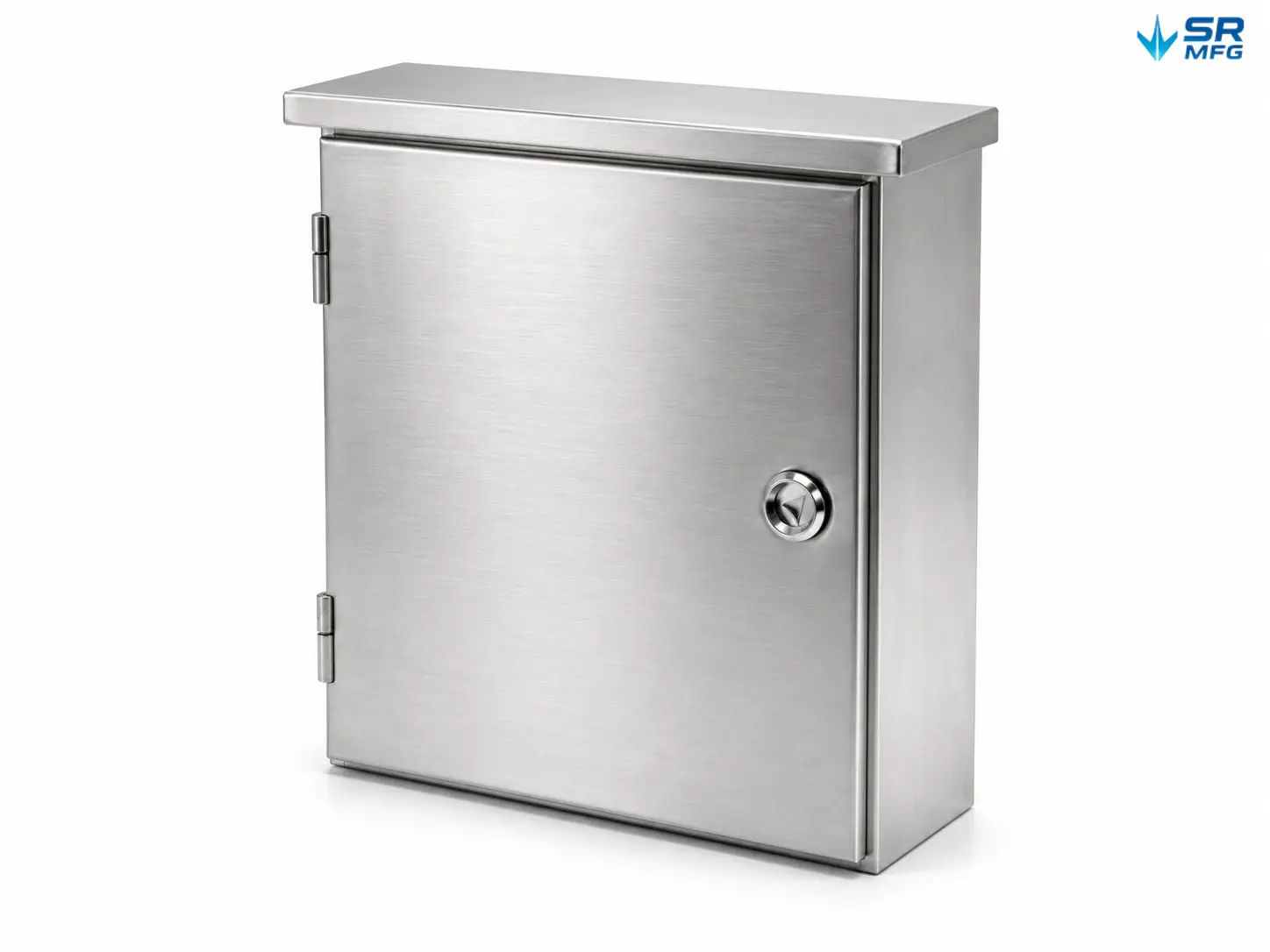
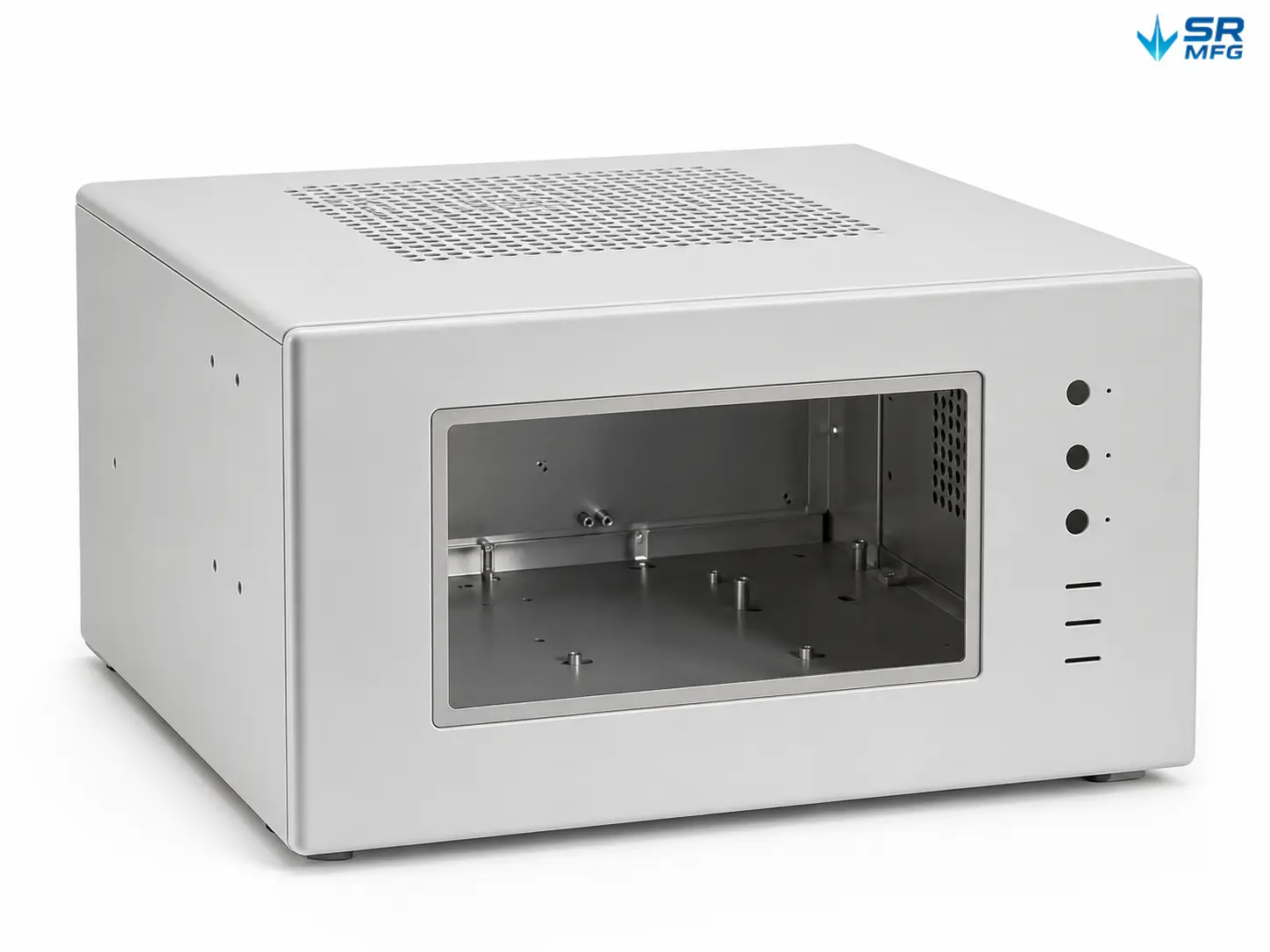
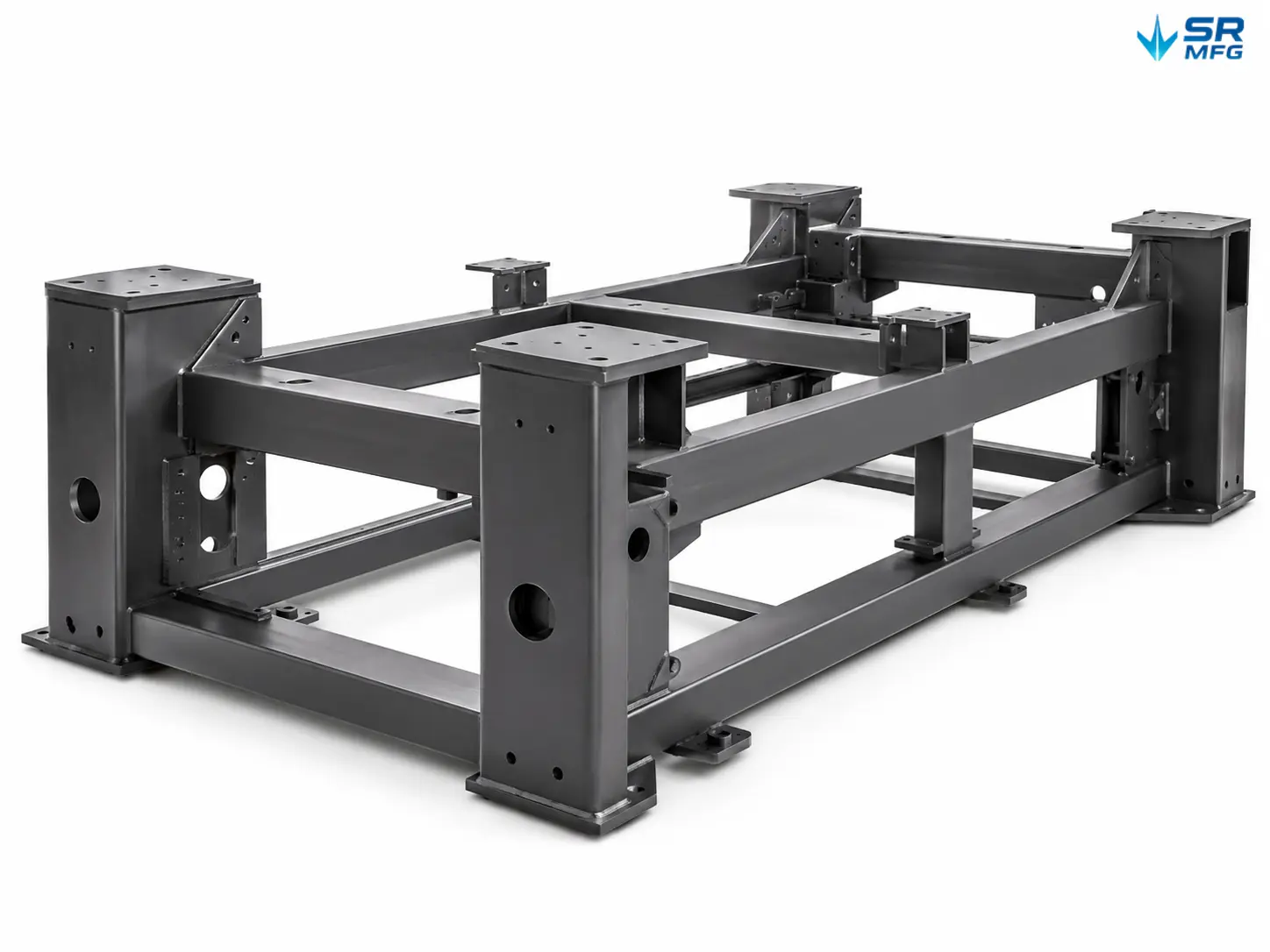
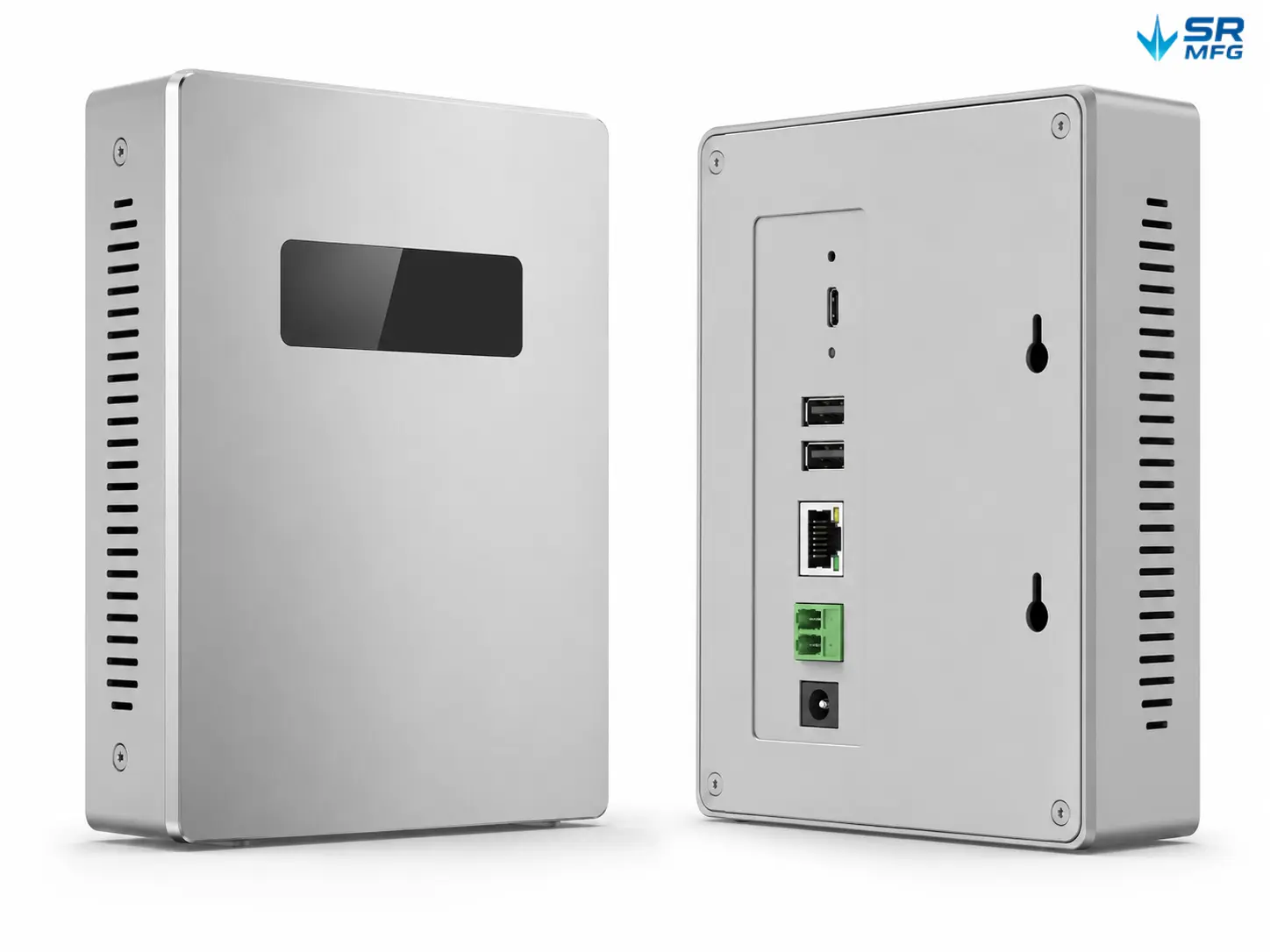
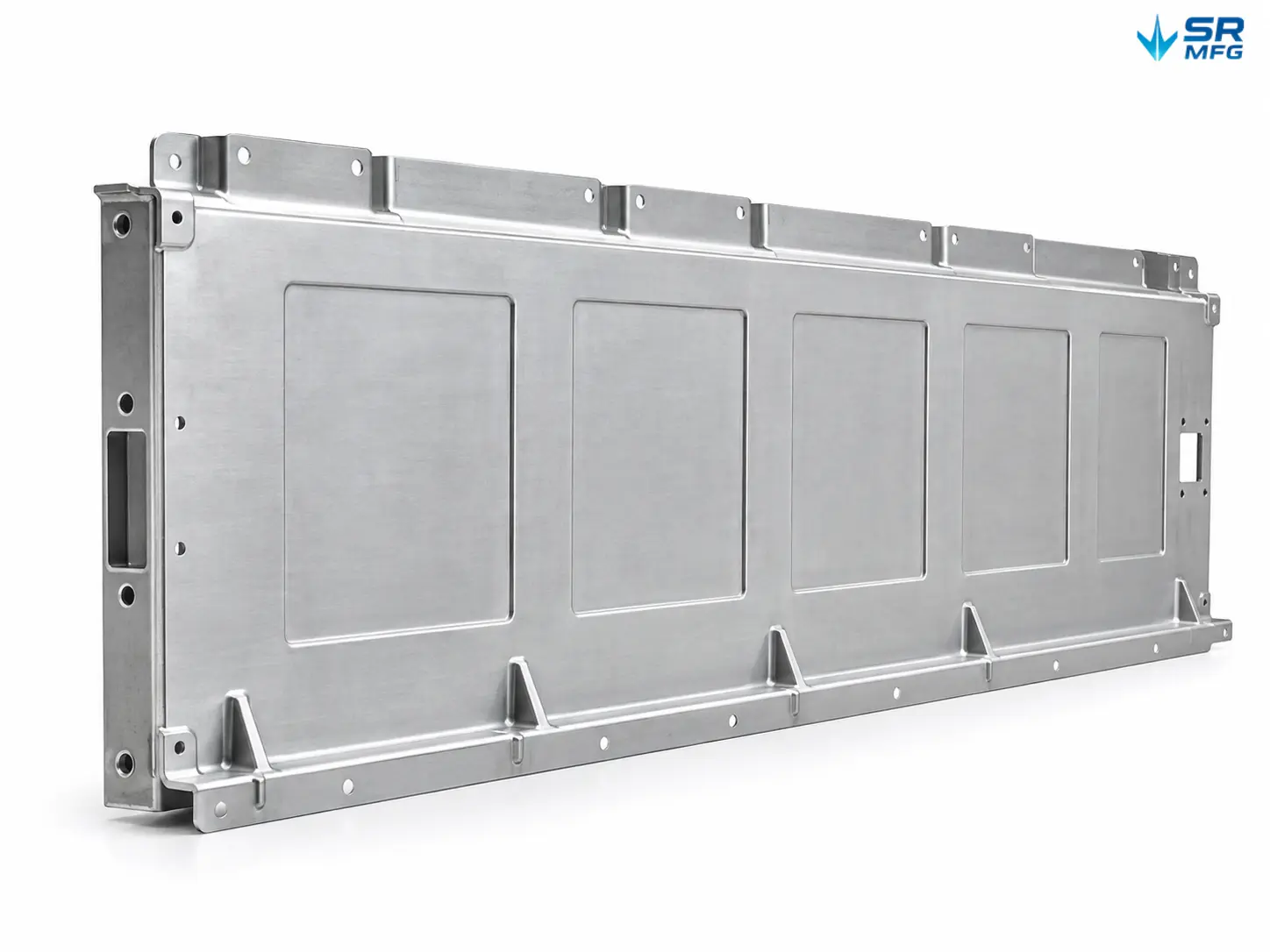
SR MFG provides surface finishing services for OEM metal parts used in industrial equipment, cabinets, brackets, frames, enclosures, and structural assemblies. We support both prototype finishing and high-volume production across multiple application sectors.