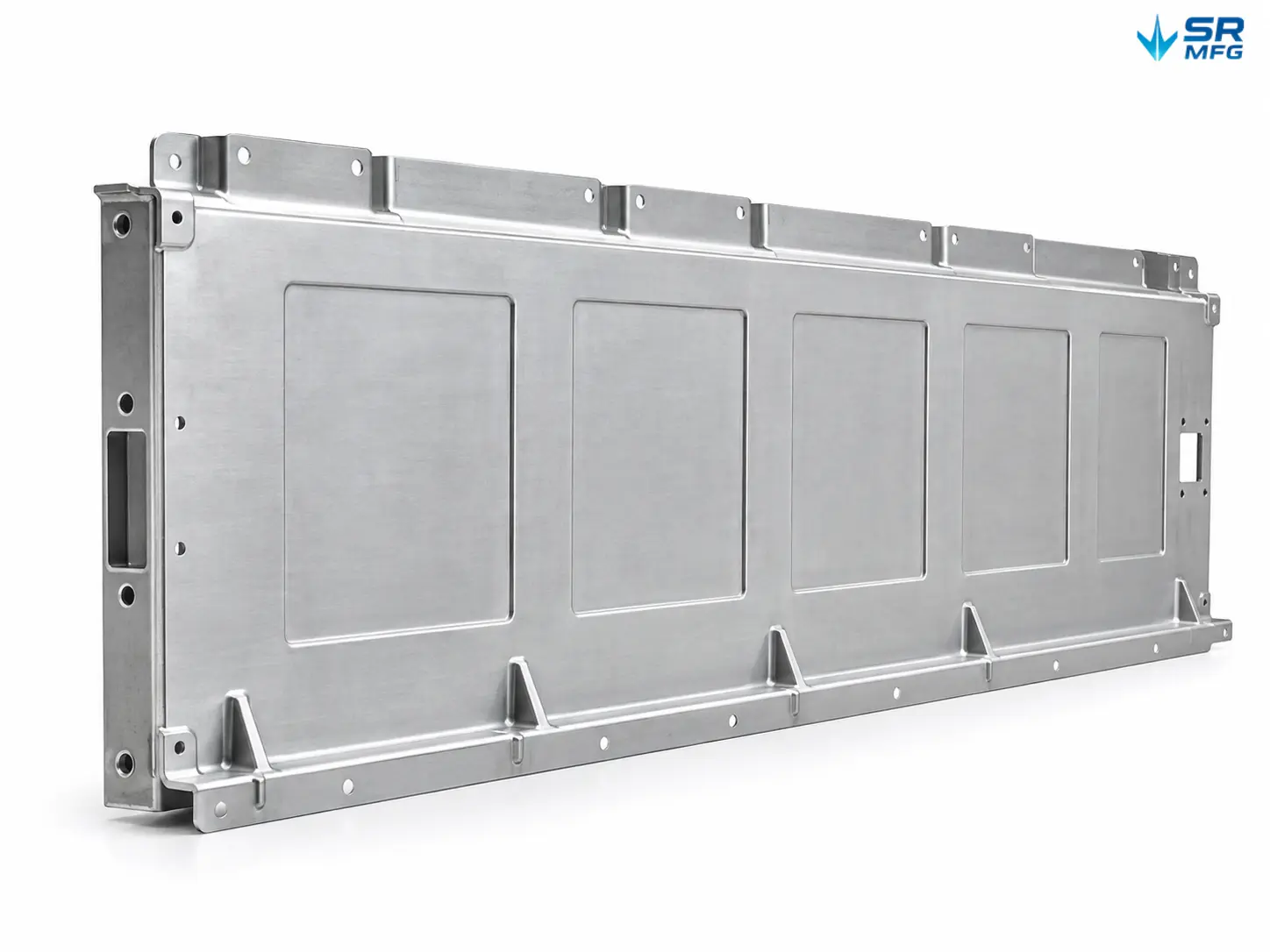
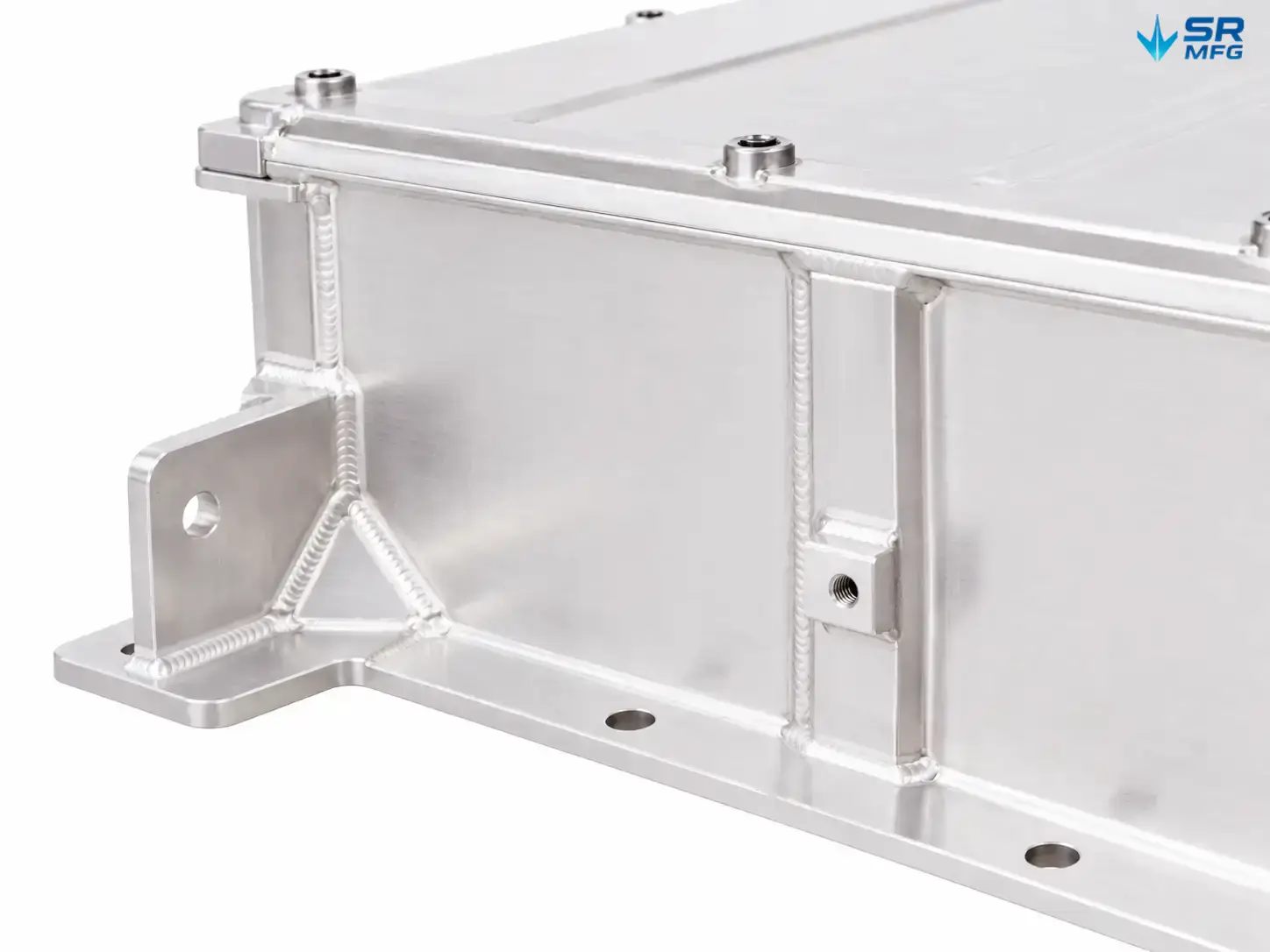
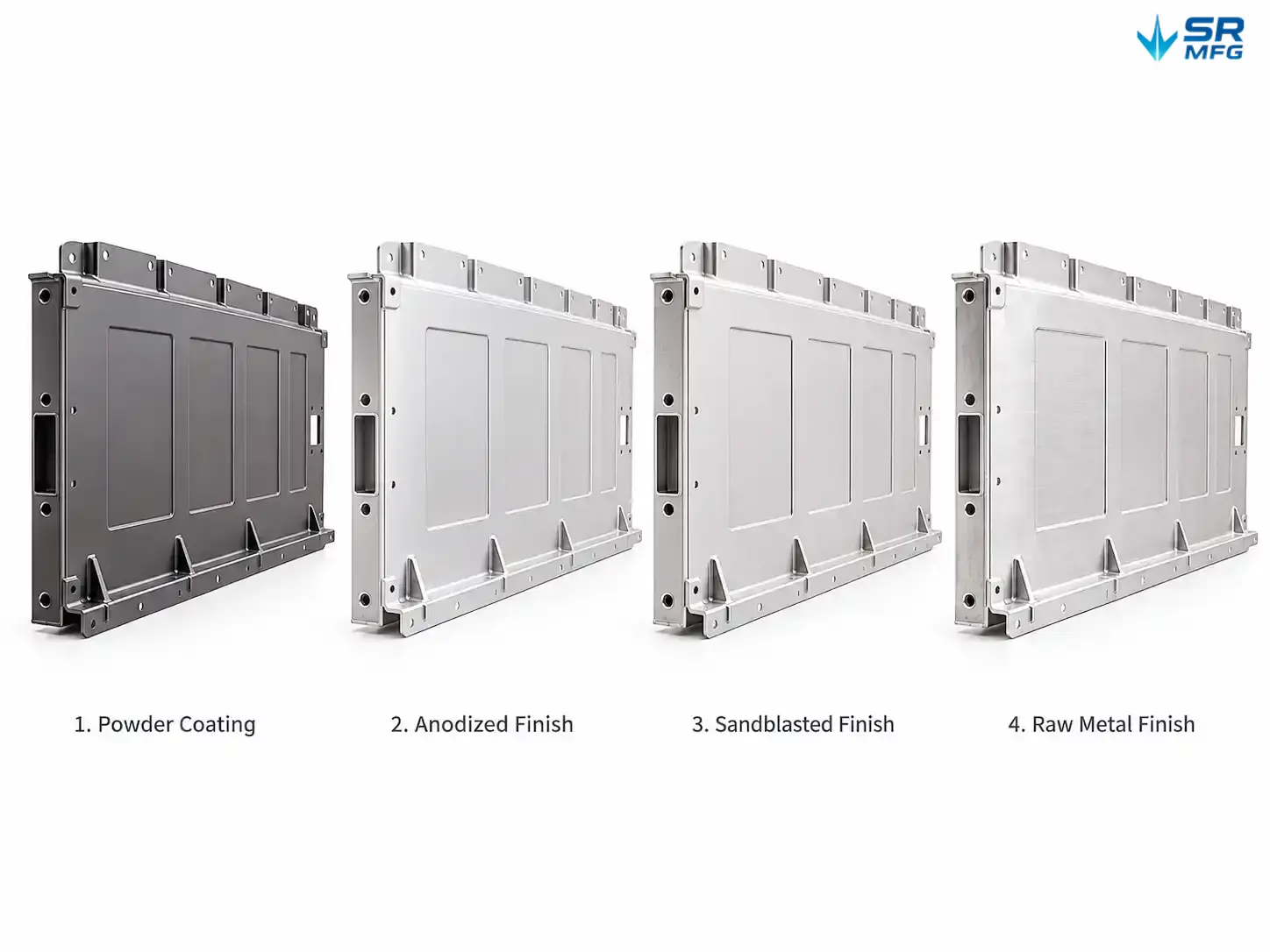
EV Battery Box Side Panels
Precision-manufactured side panels for electric vehicle battery enclosures.
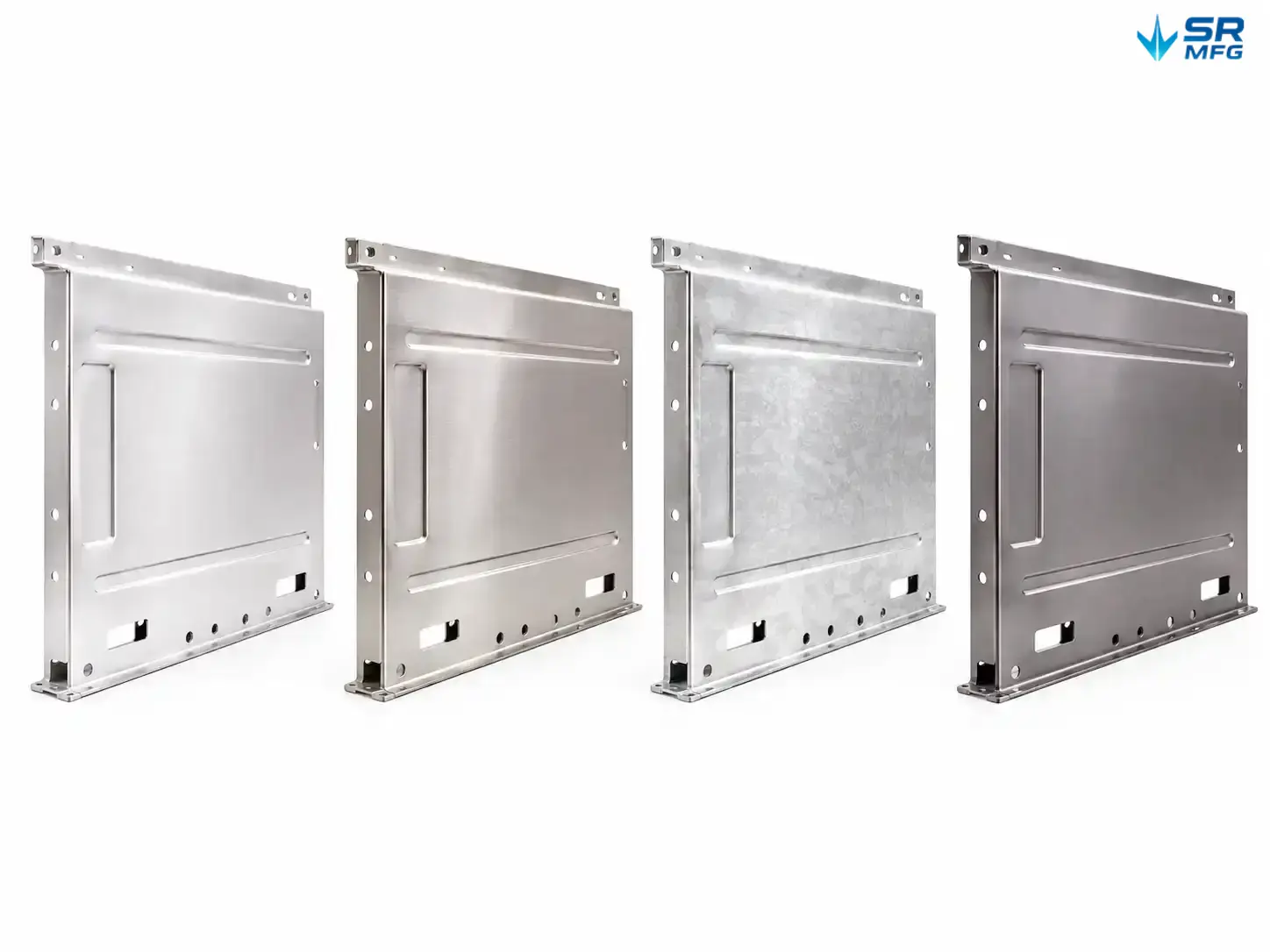
- Custom Materials: Aluminum, stainless steel, galvanized steel, and cold-rolled steel
- Flexible Sizes: Panel lengths up to 2,000 mm with thicknesses from 0.8 to 4.0 mm
- Quality Assurance: ISO 9001-certified manufacturing system with processes aligned with IATF 16949 automotive quality requirements
- Free DFM Review: Submit your drawings before production for a manufacturability assessment
- One-Stop Manufacturing: Full process traceability from laser cutting through final assembly
Request a free quote today — upload your drawings and receive a detailed proposal within 24 hours.
Product Details
| Specification | Details |
|---|---|
| Panel Length Range | Custom, typically 800–2,000 mm; larger sizes can be evaluated based on project requirements |
| Sheet Thickness | 0.8–4.0 mm, depending on material and application |
| Dimensional Tolerance | ±0.1 mm on critical dimensions; tighter tolerances available where required |
| Material Options | Aluminum alloys (5xxx/6xxx series), stainless steel (304/316), galvanized steel, cold-rolled steel |
| Welding Processes | Laser welding, TIG welding, MIG welding, friction stir welding (FSW) |
| Surface Finishes | Powder coating, anodizing, sandblasting, PVDF coating, mill finish |
| Ingress Protection | IP65, IP66, IP67, IP68, IP69K, depending on sealing design and manufacturing process |
| Quality Certifications | ISO 9001, IATF 16949 automotive quality management requirements |
| Prototype Lead Time | 7–10 business days, depending on product complexity |
| Production Lead Time | 15–25 business days, depending on quantity and product complexity |
| Minimum Order Quantity | From 1 piece for prototypes; production orders typically start at 100 pieces |
| Accepted File Formats | STEP, IGES, DXF, DWG, PDF drawings |
Precision-Engineered EV Battery Box Side Panels
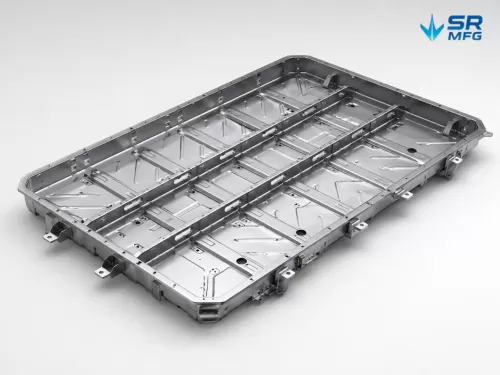
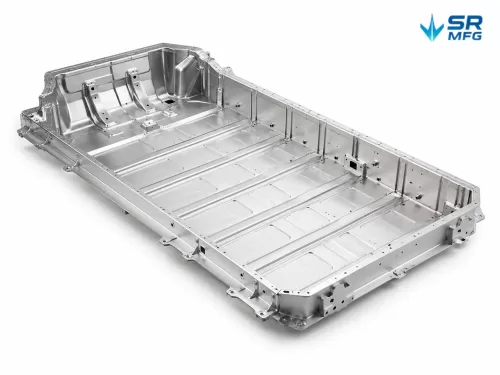
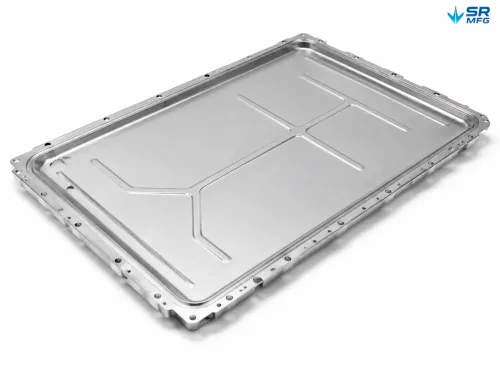
EV battery box side panels form the structural sidewalls of a battery pack enclosure. Together with the base plate, top cover, and end panels, they create a sealed enclosure that protects the battery modules and battery management system.
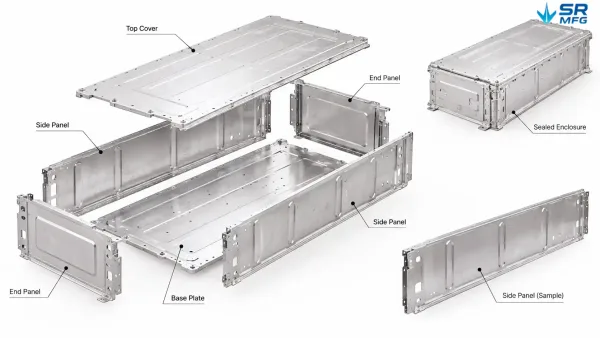
This image shows the position of the side panels within a complete EV battery enclosure.
These panels must meet demanding requirements. They need sufficient structural integrity to support module loads, tightly controlled dimensions to ensure reliable sealing, and consistent surface quality to help prevent contamination.
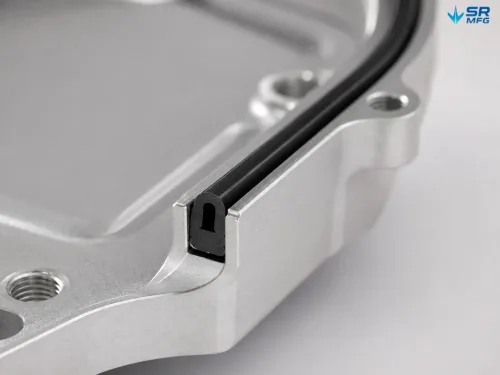
In electric vehicle applications, side panels often perform several functions at once. They can serve as structural components within the crash-load path, provide IP-rated protection against road splash and water ingress, and may also contribute to electromagnetic interference shielding.
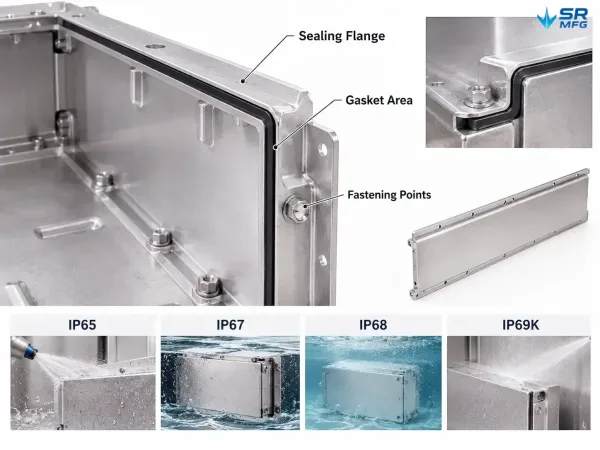
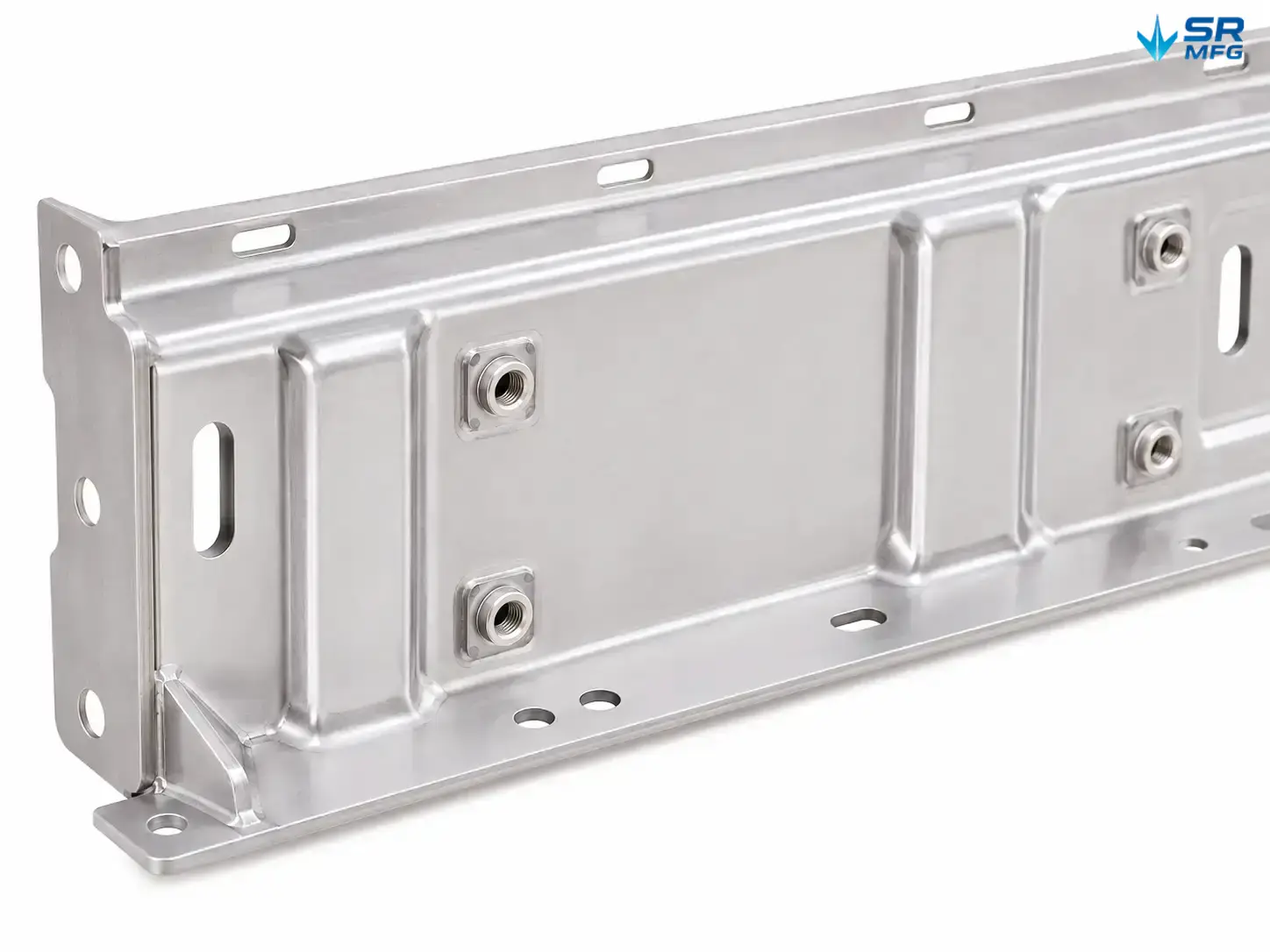
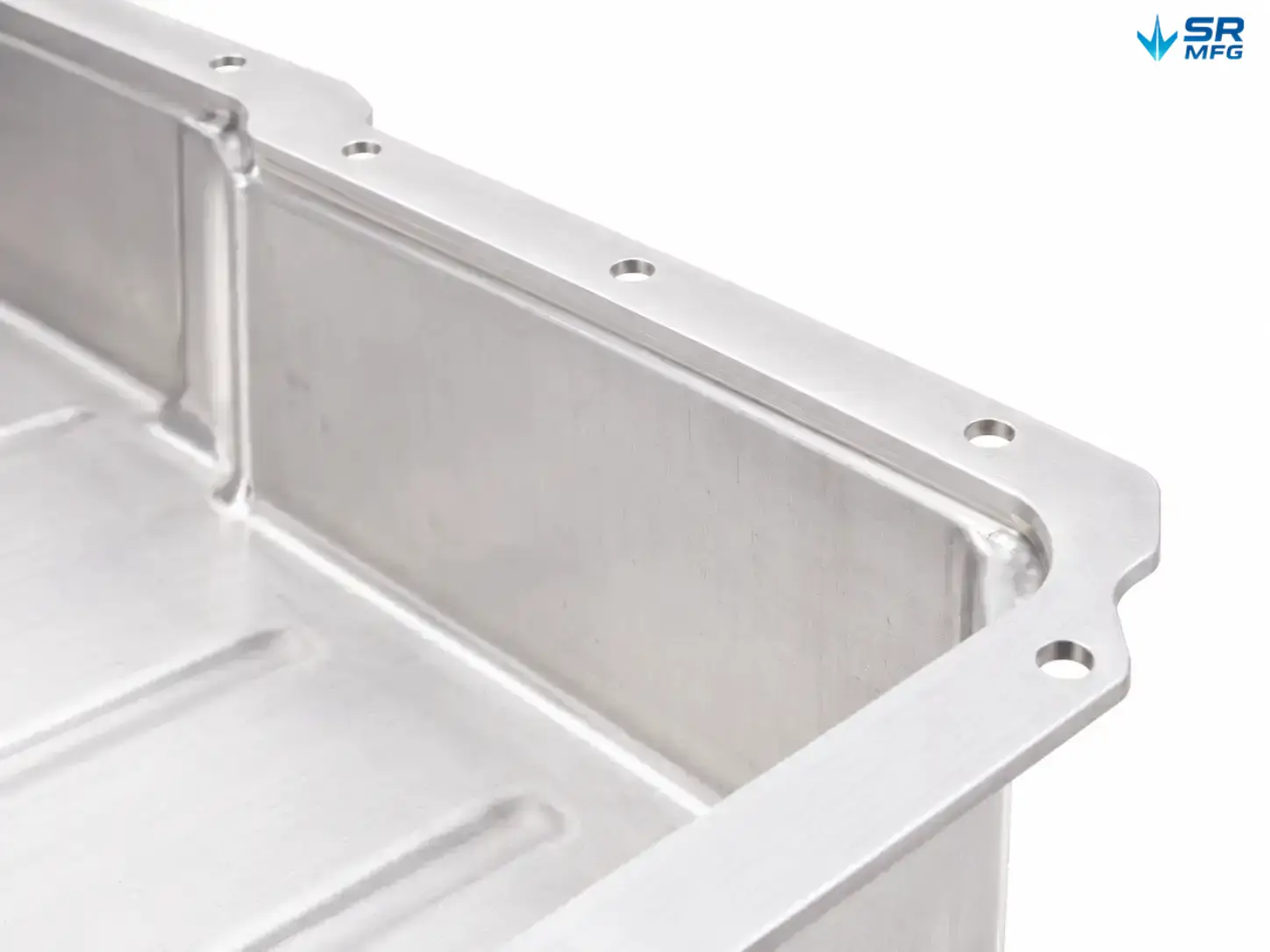
This image explains sealing features and typical IP protection levels for the side panel design.
We manufacture every side panel as a precision component.
Before the first part is cut, we perform a dimensional tolerance analysis to identify critical features, sealing surfaces, and structural mounting points. Manufacturing processes, inspection frequency, and operating standards are then defined around these requirements.
How to Choose the Right Material for Battery Box Side Panels
The material selected for an EV battery box side panel directly affects weight, corrosion resistance, structural strength, and cost. Each option has its own advantages and trade-offs.
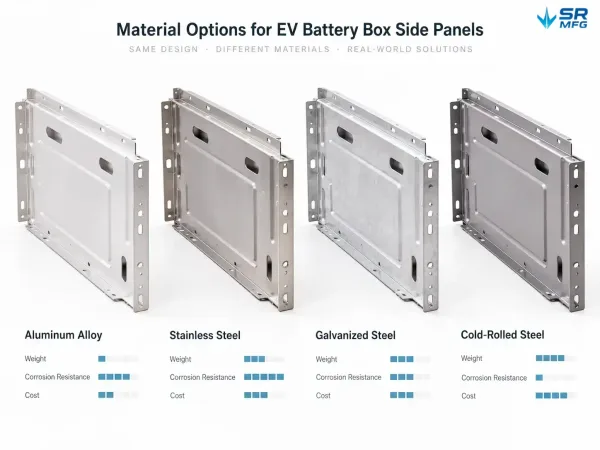
This image compares the main material options available for EV battery box side panels.
| Material | Advantages | Best-Suited Applications | Considerations |
|---|---|---|---|
| Aluminum Alloy (5xxx/6xxx Series) | 40–50% lighter than steel, excellent corrosion resistance, fully recyclable | Passenger EVs, commercial EVs, and applications where weight reduction helps improve driving range | Higher material cost and requires specialized welding processes such as FSW and laser welding |
| Stainless Steel (304/316) | Excellent corrosion resistance, high strength, and good durability | Marine applications, offshore systems, and chemical environments | Heavier than aluminum, higher material cost, and requires specialized welding processes |
| Galvanized Steel | Good corrosion protection at a relatively low cost, with strong structural performance | Outdoor energy storage, industrial applications, and cost-sensitive projects | Heavier than aluminum, and the zinc coating may be affected during welding |
| Cold-Rolled Steel | Lowest material cost, excellent formability, and good surface quality | Indoor applications, telecommunications equipment, and controlled environments | Requires surface treatment for improved corrosion resistance and is heavier than other material options |
Material Selection Recommendations:
For most EV applications, aluminum alloys provide a strong balance between weight reduction and overall performance.
For energy storage systems where cost is a primary consideration, galvanized steel provides good protection at a lower material cost.
Marine applications typically require stainless steel for long-term corrosion resistance.
Applications
Battery Enclosure Solutions for Multiple Industries
Our side panels can be manufactured for a wide range of applications, each with its own technical requirements.
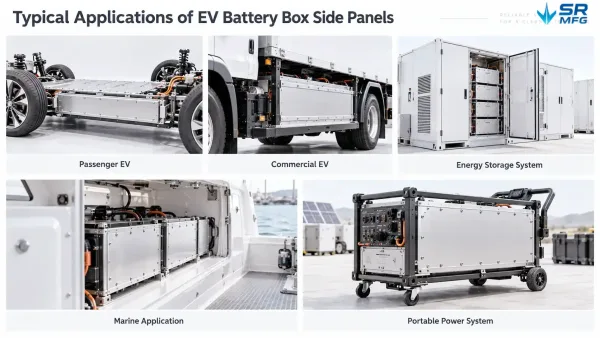
EV battery box side panel applications for electric vehicles energy storage marine and portable power systems
Passenger Electric Vehicles
- Typical Requirements: Lightweight construction, IP67 sealing, crash protection, EMI shielding
- Our Solution: Aluminum alloy panels, precision welding, and integrated mounting features
- Key Consideration: Weight reduction has a direct impact on vehicle range — a 10% reduction in weight can improve driving range by approximately 5–8%
Commercial Electric Vehicles
- Typical Requirements: High structural strength, durability, and serviceability
- Our Solution: Thicker materials, reinforced mounting points, and service-friendly access features
- Key Consideration: Commercial vehicles typically require easier access for battery maintenance and servicing
Energy Storage Systems
- Typical Requirements: Large-format panels, outdoor corrosion resistance, modular installation
- Our Solution: Galvanized steel or powder-coated steel panels combined with weather-resistant sealing designs
- Key Consideration: ESS panels often exceed 1,000 mm in length and must withstand long-term outdoor exposure
Marine Applications
- Typical Requirements: Salt-spray resistance, vibration resistance, and long-term sealing performance
- Our Solution: Stainless steel or marine-grade aluminum combined with enhanced surface protection
- Key Consideration: Marine environments commonly require more than 500 hours of salt-spray corrosion resistance
Portable Power Systems
- Typical Requirements: Lightweight construction, impact resistance, and compact integration
- Our Solution: Thin-wall aluminum panels with integrated handles, latches, and cable interfaces
- Key Consideration: Weight and available installation space are the primary design constraints
Why Choose Our Battery Enclosure Solutions
Battery Enclosure Manufacturing Expertise — We focus on metal structural components for battery enclosures rather than general-purpose sheet metal fabrication alone. Our engineers understand sealing interfaces, crash-load paths, thermal management integration, and battery module mounting requirements, allowing us to better understand the technical needs of battery pack design engineers.
Single-Source Manufacturing — All processes, from cutting through packaging, are completed within one manufacturing facility. This eliminates unnecessary transfers between multiple suppliers and helps reduce tolerance stack-up caused by multi-vendor production.
Free DFM Review Before Quotation — Every drawing receives a complimentary design-for-manufacturability review. We identify potential production risks in advance, recommend opportunities to reduce cost and weight, and provide material selection guidance before you commit your project budget.
Quality Built Into the Manufacturing Process — Our four-stage quality control process covers the entire production cycle. Critical dimensions are verified using CMM inspection, sealing surfaces are checked for surface roughness, welds undergo leak testing, and full material traceability is maintained from incoming raw material through finished side panels.
Consistent Quality From Prototype to Production — We manufacture prototypes using processes designed for future production. The quality you validate during product development is the same standard carried into volume manufacturing.
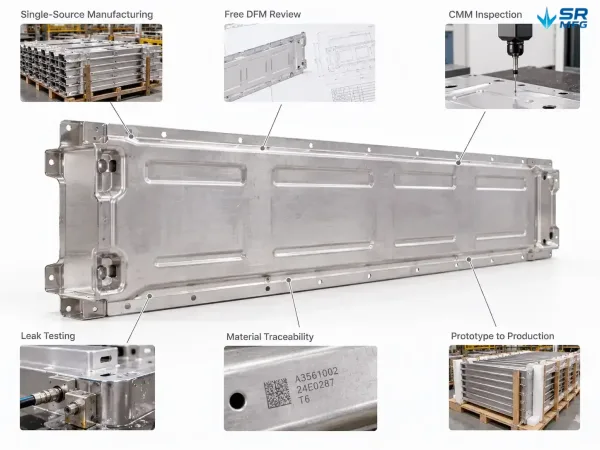
Manufacturing and quality control overview for EV battery box side panels
Our Custom Manufacturing Process
- Submit Your Requirements — Send us your 3D CAD files in STEP or IGES format together with 2D drawings specifying material requirements, tolerances, and order quantities.
- Free DFM Analysis — Our engineering team reviews your design for manufacturability, identifies potential production issues, and provides optimization recommendations within 24 hours.
- Quotation and Confirmation — We provide a detailed quotation covering material costs, processing time, and logistics expenses. Pricing is based on your specific project requirements.
- Prototype Production — Prototypes are manufactured using production-oriented processes for validation, helping ensure that the approved sample remains consistent with future production parts.
- Volume Production and Delivery — Once the sample is approved, volume production begins under strict quality control procedures. Products are packed for export and shipped according to your required delivery schedule.
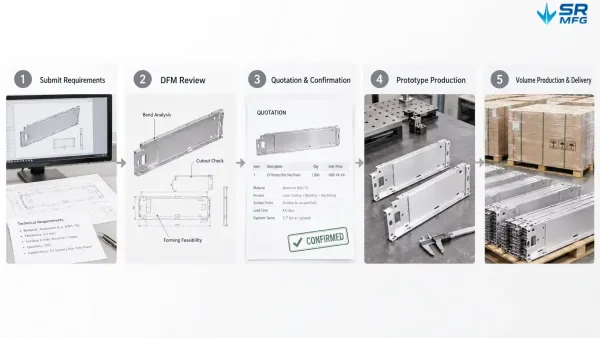
This image shows the step-by-step custom manufacturing process for EV battery box side panels.