
OEM & ODM Sheet Metal Fabrication
- OEM (Build-to-Print): You provide the drawings and key requirements—we manufacture and deliver revision-controlled sheet metal parts, welded parts, and assemblies.
- ODM (Design-to-Manufacture): You define the target function and mounting interfaces—we develop a manufacturable structure and provide a DFM change list.
What Is the OEM & ODM Model in Sheet Metal Manufacturing?
In sheet metal fabrication, OEM and ODM describe two common ways to work with a manufacturer. The real difference comes down to who owns the design responsibility and what design documentation exists upfront:
- OEM (Build-to-Print / Build-to-Spec): You provide a released drawing package and key specs; the manufacturer builds exactly to those requirements.
- ODM (Design & Build): You define the target function and constraints; the manufacturer takes on more of the design work and delivers a manufacturable solution.
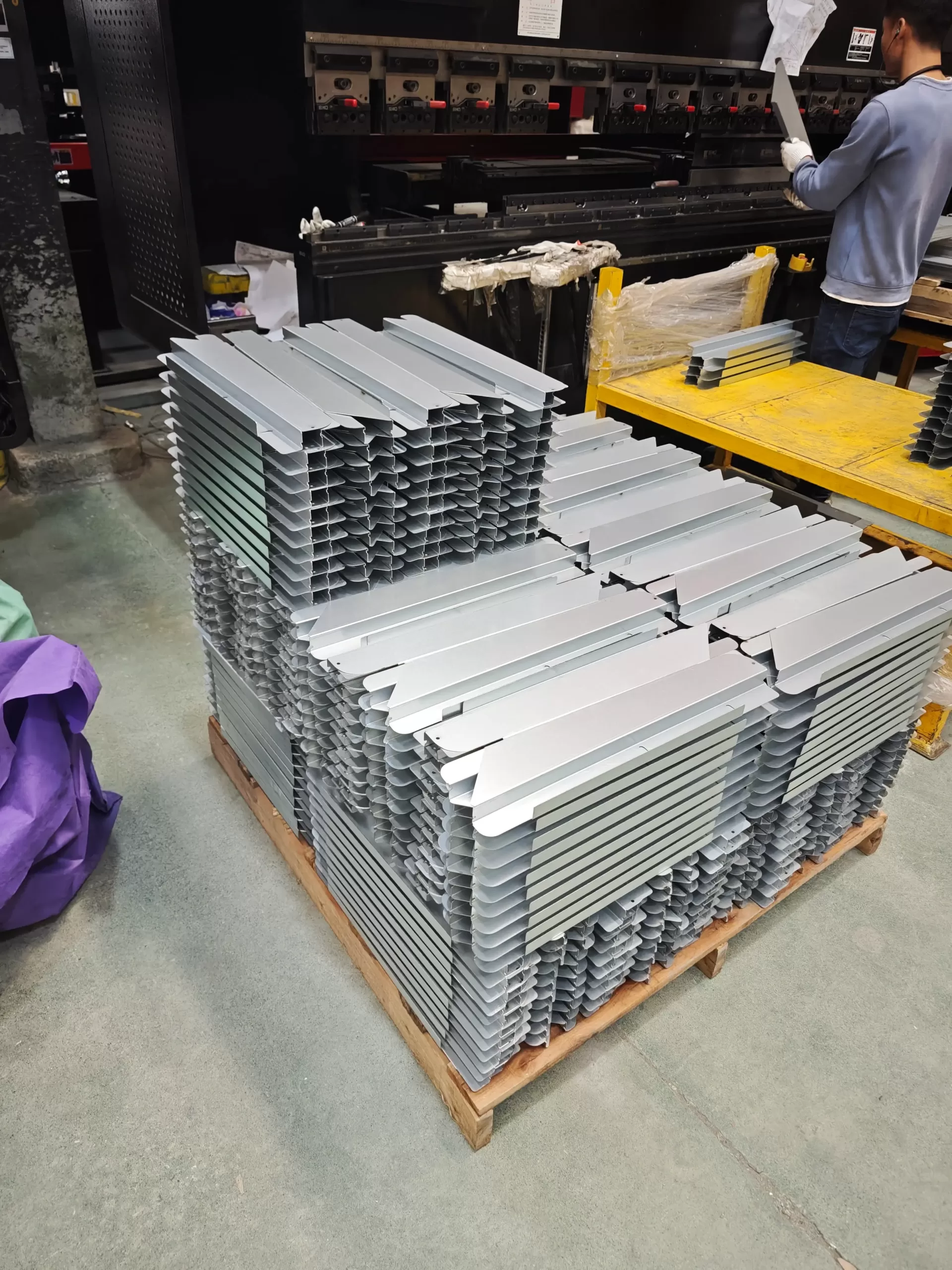
What Is OEM (Original Equipment Manufacturer)?
OEM (Original Equipment Manufacturer) is commonly used to describe a model where the brand owner provides the full design, engineering requirements, and specifications, and the manufacturer’s role is to produce to those documents. The manufacturer typically does not change the design or sell the product under its own brand.
In large-scale electronics contract manufacturing, companies like Foxconn are often cited as examples—Foxconn is widely reported to assemble around 70% of iPhones and provides manufacturing services for major global brands.
Why teams choose OEM
- Stronger IP control
You keep tight control of the design and key technical parameters, reducing the risk of leakage and protecting differentiation. - Clearer, more predictable costing
Quotes are based on drawings/specs, so the cost structure is easier to forecast. Upfront development costs are usually lower, and unit cost can drop with scale. - High consistency at volume
Building strictly to a controlled drawing package supports repeatability, traceability, and standardized quality output under systems such as ISO 9001. - Focus your team on the core business
You can concentrate resources on product, brand, and go-to-market, while the supplier runs production execution.
With OEM at SR MFG:
If you have complete drawings, specifications, and process requirements, SR MFG acts as your manufacturing arm—fabricating, processing, and assembling strictly to your released design. This model is ideal for customers with a mature design, established channels, and a need for stable, high-quality production execution.
What Is ODM (Original Design Manufacturer) Service?
ODM (Original Design Manufacturer) generally refers to a model where the manufacturer designs and builds a product (or a substantial portion of it), and the brand owner sells it under their own brand—sometimes with minor modifications. In many ODM arrangements, the manufacturer retains certain design IP unless it is bought out or contractually assigned.
In consumer electronics, industry research often highlights companies such as Huaqin and Wingtech among leading ODM/IDH players, working with major smartphone brands through outsourcing and design-house models.
Why teams choose ODM
- Faster time to market
Leveraging proven design platforms can shorten development timelines—especially in fast-iteration categories. - Manufacturing-informed design
An experienced manufacturer can bake real fabrication know-how into the structure early, improving DFM, yield, and production efficiency. - Shared development cost
Development effort may be spread across programs and customers, which can reduce per-project design burden—particularly valuable in low-volume ramps. - Continuous improvement support
ODM partners often refine platforms over time, so customers benefit from ongoing upgrades without rebuilding everything internally.
With ODM at SR MFG:
If you have a product concept or functional requirements but lack a complete drawing package, SR MFG can provide an end-to-end solution—from structure design and engineering development through manufacturing and delivery. Our engineers work closely with your team to translate requirements into manufacturable drawings and a validated process plan, then deliver finished parts or assemblies. This is especially useful for brands that need to launch quickly, don’t have deep in-house mechanical design bandwidth, or want to strengthen competitiveness through a more manufacturable structure.
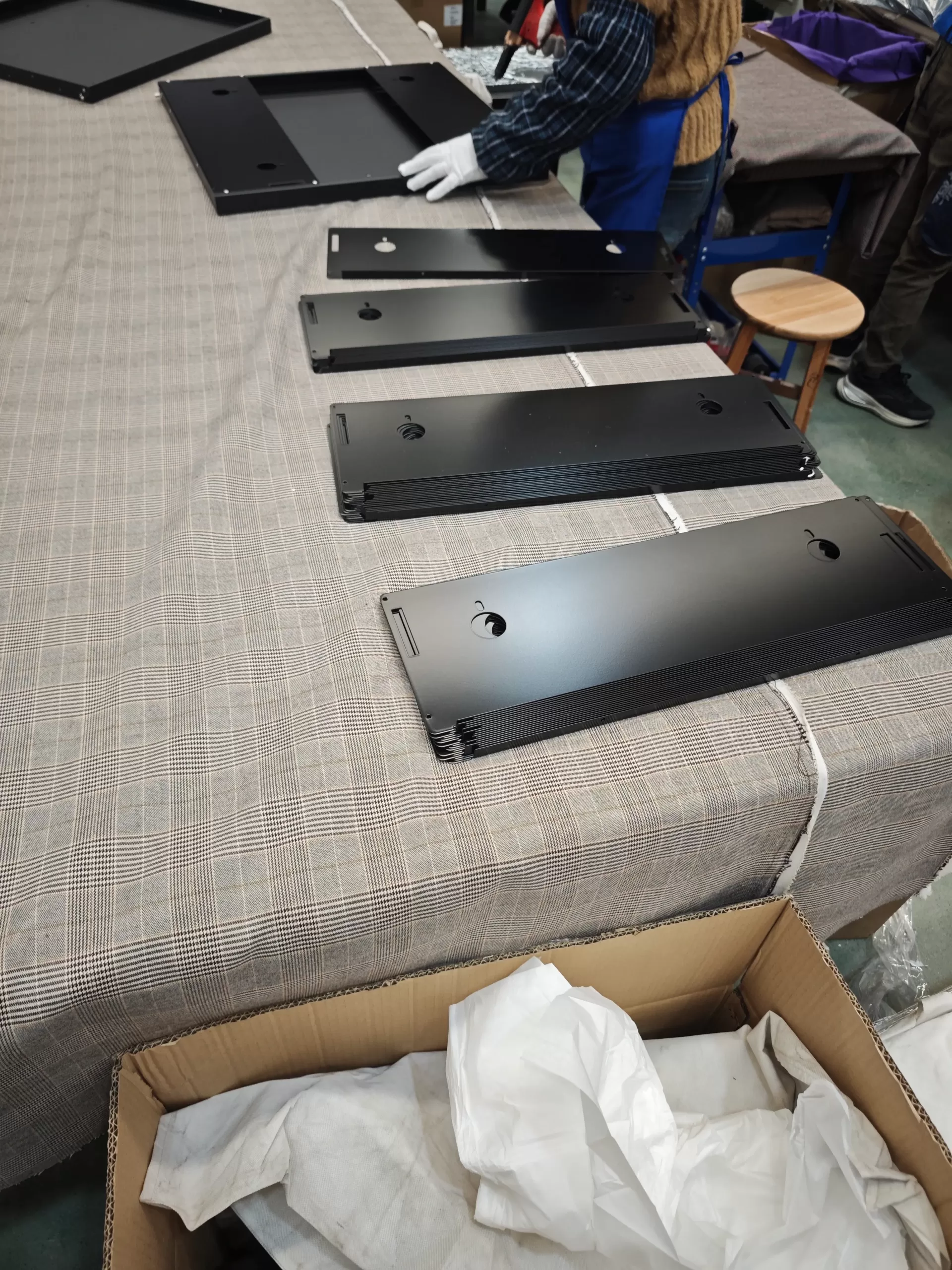
OEM vs. ODM: Which Partnership Model Fits You?
| Key consideration | Best fit: OEM (Build-to-Print) | Best fit: ODM (Design & Build) |
|---|---|---|
| Design ownership & change control | You own the design. Once the revision is released, we build strictly to print; changes are implemented only after your approval. | We take on more of the structural design and DFM work, iterating within the agreed scope and confirming updates with you along the way. |
| Design maturity | You already have complete 3D/2D data, CTQs (critical-to-quality features) defined, and clear assembly interfaces. | You have a concept, functional requirements, a prototype, or a reference unit—but need design refinement and a manufacturable structure. |
| Level of customization | Highly customized, keeping your defined appearance, structure, and interfaces exactly as specified. | Customization built on proven platforms and experience—balancing speed with differentiation. |
| R&D resources | You have an internal engineering team (or external design support) and mainly need reliable manufacturing execution. | You want your supplier to drive structural design and manufacturing coordination end-to-end. |
| Development pace | Best for product lines with relatively stable revisions and a planned ramp cadence. | Best for fast-iteration programs that need a testable prototype quickly. |
| Cost focus | Prioritizes unit manufacturing cost and repeatability, with lower upfront engineering effort. | Includes some upfront engineering investment (concept/DFM/structure definition) in exchange for smoother builds and faster iteration. |
If your product is already mature and you’re aiming for the tightest cost control and the most stable production output, OEM is usually the better fit. If you’re moving fast, iterating often, or building something with a unique competitive edge, ODM can improve speed and raise the odds of a clean launch. In reality, many teams mix both models across different product lines.
As a professional sheet metal manufacturing partner, SR MFG doesn’t just offer standard OEM or ODM—we also provide flexible hybrid options based on your program needs:
OEM + Process Optimization (Build-to-Print + DFM)
- Manufacture strictly to your drawings
- Provide process improvement recommendations to boost efficiency
- Optimize cost without changing the intended design
Key Factors to Consider When Choosing an OEM/ODM Sheet Metal Partner
1) Engineering & Manufacturing Capability (Can they turn drawings into assembly-ready parts?)
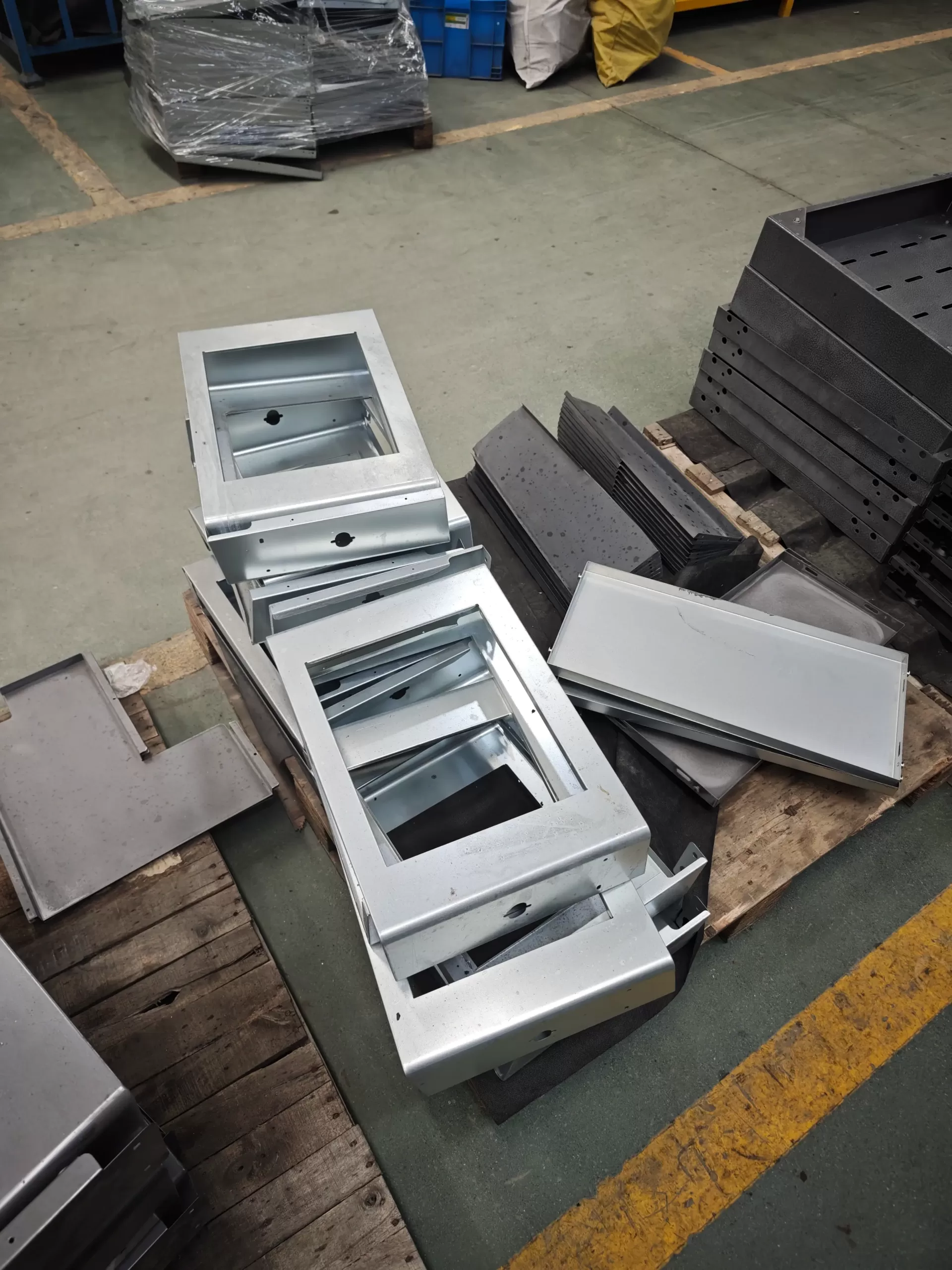
- End-to-end process coverage: cutting, bending, welding, stamping, finishing, self-clinching hardware installation, and assembly—so the build doesn’t break when it moves from one step to the next.
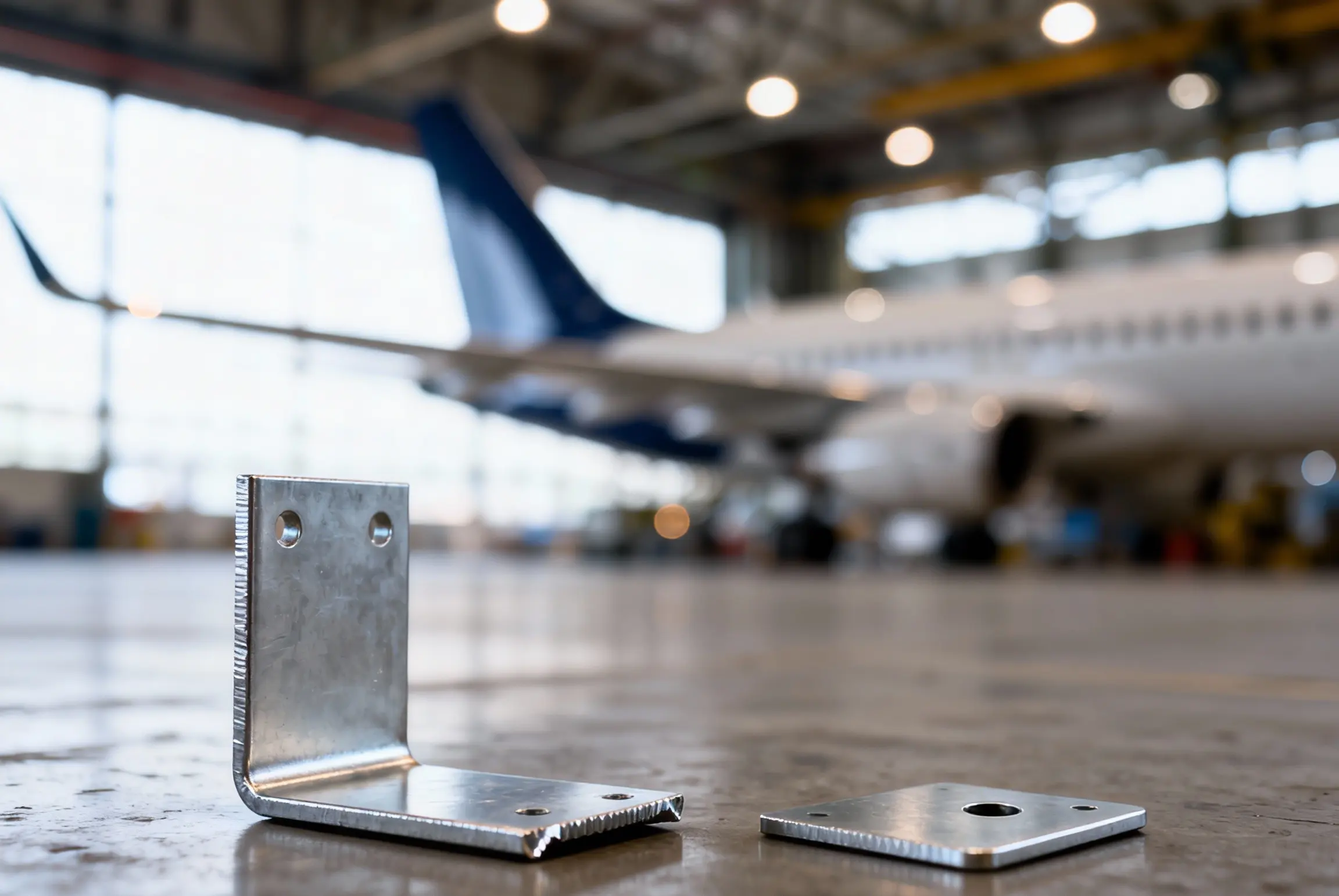
- DFM support: can they flag real manufacturability risks before quoting—like bend radius and springback risk, hole-to-bend / hole-to-edge constraints, weld accessibility, and finishing-related fit issues? For many teams, this is the clearest signal of true engineering capability.
- Clear in-house vs. outsourced boundaries: which operations are done internally vs. subcontracted—and, just as importantly, how interfaces are managed (quality controls, traceability, and responsibility handoffs).
2) Program Collaboration & Responsiveness (Can they keep the project moving smoothly?)
- Project management and communication rhythm: a single point of contact, a defined review cadence, and a clear method for closing issues (actions, owners, due dates).
- Process transparency: stage gates and sign-off points, plus a disciplined approach to revision/change control so you can trust that parts won’t be built to the wrong version.
3) Quality & Service Assurance
Quality and service are often the deciding factors for OEM/ODM partnerships. Evaluate the supplier’s quality management system, certifications, and their ability to control quality throughout production (incoming, in-process, final), with records and traceability where needed.
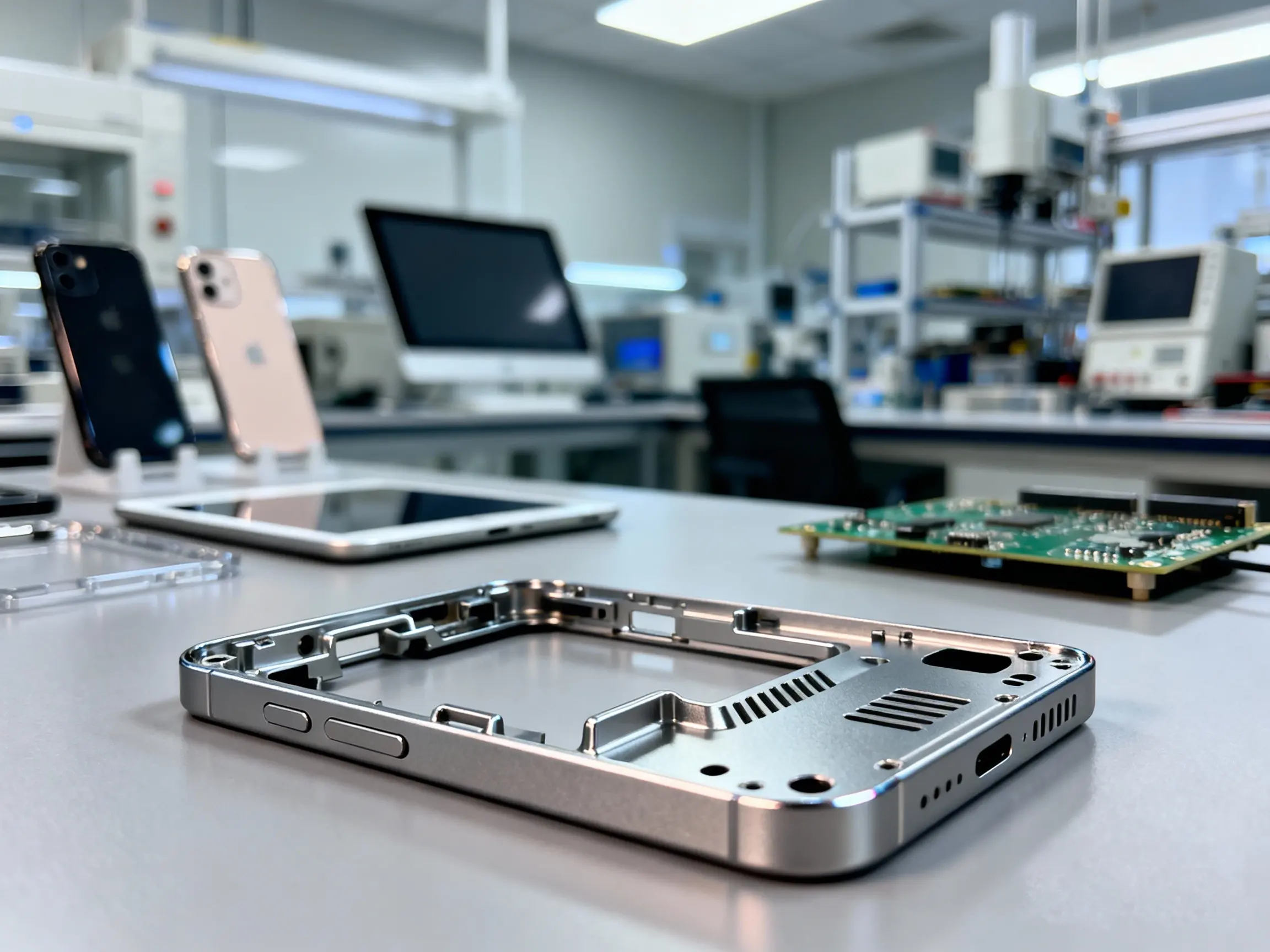
What Sheet Metal Parts Can We Build?
SR MFG offers full-spectrum sheet metal capabilities—from simple parts to complex assemblies—supporting a wide range of applications across multiple industries.
Standard Sheet Metal Parts
Complex Assemblies
Industry Applications
End-to-End Sheet Metal Process Capabilities
SR MFG provides a complete process chain for one-stop delivery—from raw material to finished product:
- Blanking/Cutting: laser cutting, plasma cutting, punching
- Forming: CNC press brake bending, stamping/forming, rolling
- Joining: welding (spot, arc, laser), self-clinching, screw assembly
- Finishing: powder coating, painting, plating, brushing, anodizing, and more
-
Secondary Ops & Assembly: deburring, tapping, full inspection, packaging
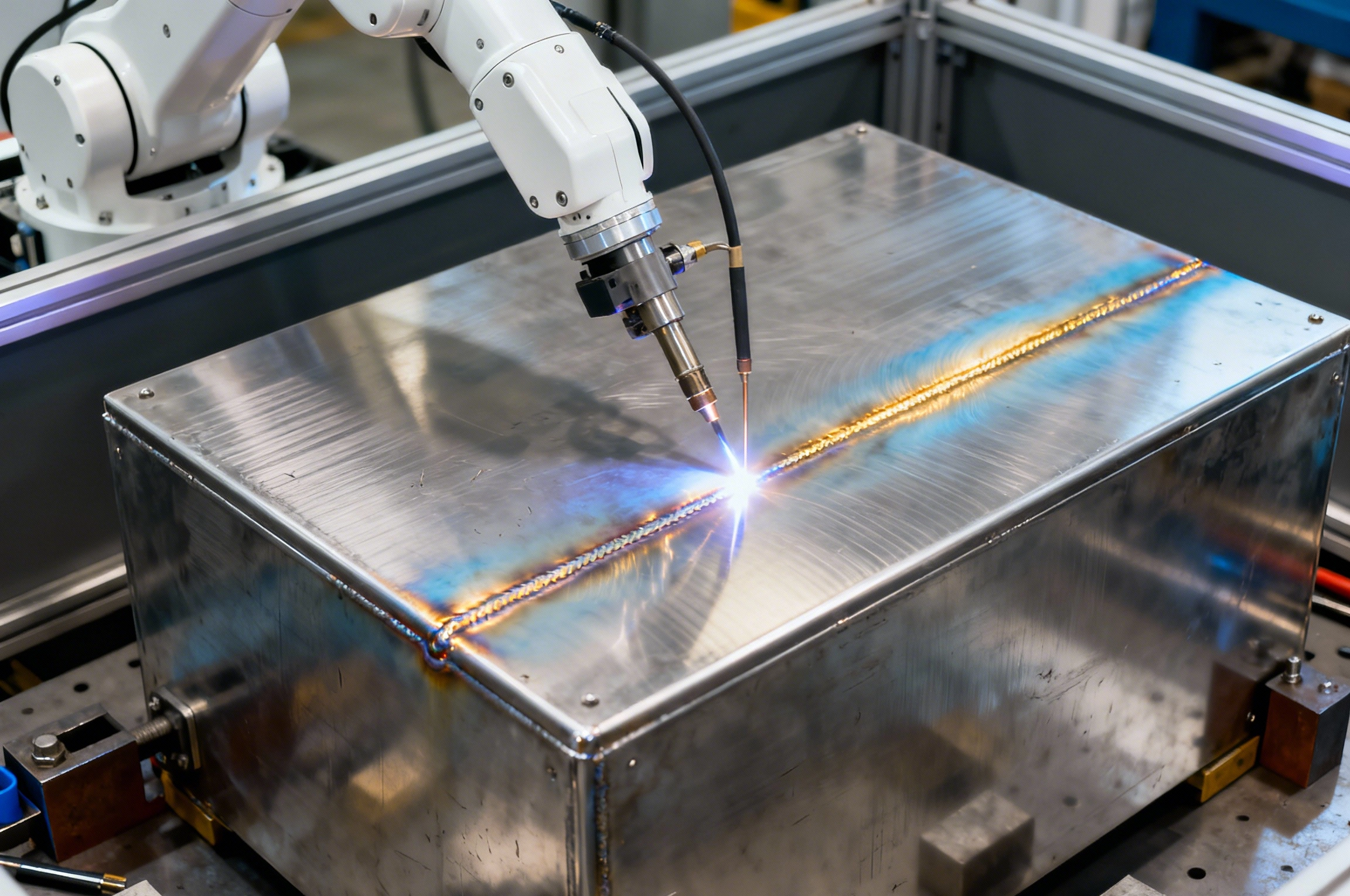
End-to-End Sheet Metal Process Capabilities
SR MFG supports the most common sheet metal material systems (with cross-references across JIS / EN / ASTM). From thin-gauge cosmetic parts to structural components, welded parts, and small assemblies, we can deliver reliably within your specified material standard, surface condition, and thickness range (equivalent grades to be confirmed jointly).
Material Overview (Processable Thickness Range)
| Material category | Common grades (examples) | Processable thickness (mm) | Typical parts / applications |
|---|---|---|---|
| Cold-rolled steel | SPCC / DC01 / ST12 | 0.4–3.2 | Internal structural parts, equipment frames, panel substrates |
| Galvanized steel | SGCC (hot-dip) / SECC (electro-galv) | 0.5–3.0 | Cabinets/enclosures, appliance housings, ventilation/duct parts |
| AHSS (advanced high-strength steel) | DP / TRIP (e.g., DP600) | 0.8–2.0 | Lightweight structures, automotive reinforcements (project-based) |
| Stainless steel | SUS304 / SUS316L / SUS430 | 0.5–3.0 (316L: 1.0–3.0) | Food/medical housings, premium panels, corrosion-resistant structures |
| Aluminum & alloys | 1060/1100; 5052/5083; 6061/6063 | 0.3–6.0 | Lightweight enclosures, frames, heat dissipation / decorative panels |
| Copper / brass | C1100 (ETP); H62/H68 | 0.3–2.0 | Conductive/thermal parts, busbars, decorative and valve-related fittings |
Common cold-rolled steel equivalents:
SPCC is typically referenced under JIS G3141; DC01 under EN 10130; and North American programs often call out ASTM A1008 (specific grade per project).
Sheet Thickness Capability Summary
| Material type | Min thickness (mm) | Max thickness (mm) | Common thicknesses (mm) |
|---|---|---|---|
| Cold-rolled steel | 0.4 | 3.2 | 1.0 / 1.5 / 2.0 |
| Galvanized steel | 0.5 | 3.0 | 0.8 / 1.0 / 1.5 |
| Stainless steel | 0.5 | 3.0 | 0.8 / 1.0 / 1.5 / 2.0 |
| Aluminum alloys | 0.3 | 6.0 | 1.0 / 1.5 / 2.0 / 3.0 |
| Copper / brass | 0.3 | 2.0 | 1.0 / 1.5 |
| High-strength steel | 0.8 | 2.0 | 1.0 / 1.5 |
Material Tolerances & Supply Definitions
- Thickness/width/length tolerances: follow the material standard and mill supply class specified for the project (JIS/EN/ASTM). If tighter thickness tolerance is required, we can align on a stricter supply class/standard by agreement (it’s also common to reference DIN EN 10140 for tighter tolerances).
- Surface and delivery condition: specify clearly in the drawing or material spec—e.g., 2B/BA, T5/T6, coating class (Zxx), with/without protective film—so the full process chain can be executed consistently.
Is ODM cheaper than OEM?
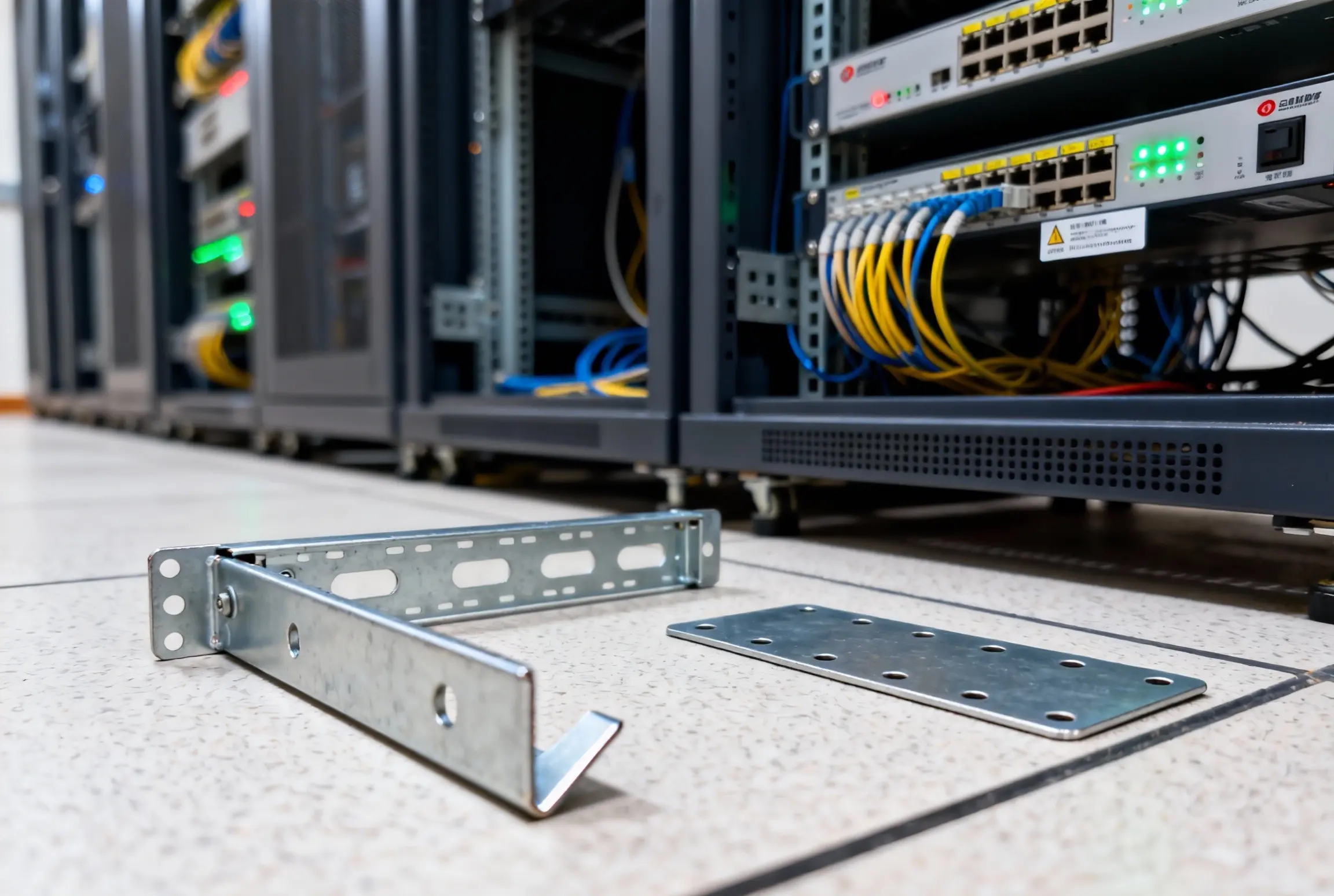
Not necessarily—and assuming “ODM is cheaper” is a common misconception. You can’t compare cost in a vacuum; what matters is total cost of ownership (TCO).
Upfront cost: ODM typically includes engineering/design fees, so the initial investment can be higher than pure OEM (in an OEM model, the customer is effectively carrying the design cost on their side).
Long-term cost: The upside of ODM is that design optimization can reduce overall cost by delivering:
- Better manufacturability (DFM): less waste and fewer rework loops
- Shorter lead times: tighter design–process alignment improves throughput
- Lower material cost: smarter material choices and more efficient structures
- Fewer late-stage changes: getting it right early helps avoid costly redesigns—or even post-launch corrective actions
These benefits are widely recognized outcomes of applying DFM early in the design phase.
So ODM isn’t automatically more expensive—in many cases, it can lower the total cost and improve execution. At SR MFG, our engineers run cost and manufacturability checks during the design phase to keep the solution commercially sound—then you simply review and sign off.
